REVIEW · NEW DELHI
Old Delhi Food, Heritage&Cultural Walk with Rickshaw ride to Masterji Kee Haveli
Book on Viator →Operated by Masterji kee haveli dot com · Bookable on Viator
Your morning in Old Delhi smells like spices. This Old Delhi food, heritage, and cultural walk mixes street-level tastings with a proper guided look at local life, then adds a Masterji Kee Haveli home-cooked meal plus a trip to Khari Baoli, Asia’s big wholesale spice market.
I love that the tour is built around people who actually live here and run their shops here—so you don’t just get facts, you get context. I also love the pacing: a real chance to rest your feet with cycle/electric rickshaw rides instead of doing nonstop walking.
One consideration: it’s not a hotel pickup situation. You’ll need to get yourself to the meeting area by Ajmeri Gate Road, and you’ll want to follow modest-dress rules and possible footwear-off customs once you’re in the Haveli.
In This Review
- Key Things That Make This Walk Worth Your Time
- Old Delhi Food Walk: How Four Hours Feels Like a Full Day
- Meeting Point to Old Delhi Lanes: A Start That Helps You Actually Navigate
- Stop 1: Entering Masterji Kee Haveli for a Home-Cooked Meal
- Stop 1 on the Street: Bazaars, Generations, and Why Food Here Has Context
- Stop 2: Khari Baoli Spice Market and the Scale of Wholesale
- The Rickshaw Ride Break: Rest Your Feet Without Losing the Local Feel
- Food and Drinks: What’s Included, and Why It Matters
- Small Group Size: Why Max 8 People Changes the Whole Experience
- No-Tip Policy and How to Handle It Like a Pro
- What to Wear and Bring for Old Delhi Comfort
- Booking Value: Who This Tour Fits Best
- Should You Book This Old Delhi Food and Haveli Walk?
- FAQ
- How long is the Old Delhi Food, Heritage & Cultural Walk?
- What food is included?
- Does the tour include a rickshaw ride?
- Where do I meet the guide, and where does the tour end?
- Is hotel pickup included?
- How many people are in the group?
Key Things That Make This Walk Worth Your Time
- A private-family Haveli meal at Masterji Kee Haveli instead of a generic restaurant stop
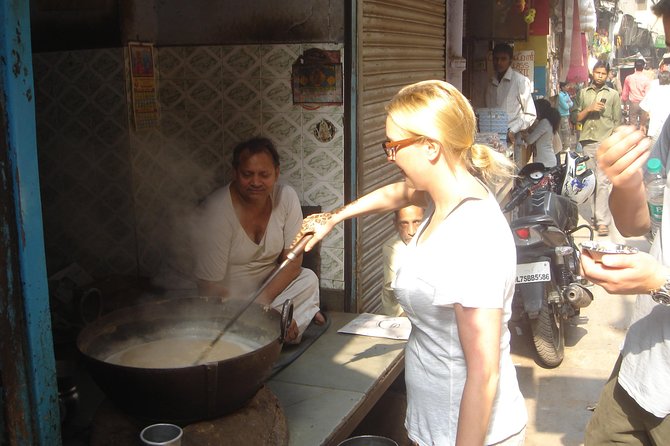
- Street food tastings that aim for safe bites, with bottled water included
- Cycle/electric rickshaw rides so the walk stays enjoyable, not exhausting
- Khari Baoli Spice Market, operating since the 17th century and selling wholesale spices and herbs
- Small group size (max 8 people) for easier conversation and smoother navigating
- Local storytelling + photo-friendly guide energy, including guides known for hosting like Vivian and Varun
Old Delhi Food Walk: How Four Hours Feels Like a Full Day
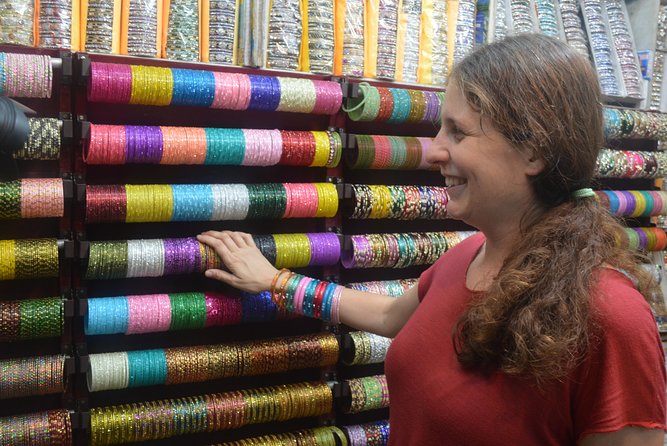
Old Delhi can hit you all at once: noise, smells, crowds, bargaining energy. This tour helps you make sense of it in a tight 4-hour window. You meet near Ajmeri Gate Road, head into Old Delhi lanes with a local guide (or local-storyteller style host), then end up in two very different “see-it-with-your-own-eyes” worlds: a historic neighborhood bazaar scene and Khari Baoli at wholesale scale.
The real value here is that food is treated like a language. You taste, yes. But you also learn how Hindu, Muslim, and Sikh communities shaped everyday life in the old city, and how business and family traditions carry on behind the doors you can’t normally enter.
Price-wise, $52.73 may look steep until you count what’s bundled: water, snacks, coffee or tea (with lemonade in summer), plus breakfast and lunch or dinner depending on tour timing. Add in the rickshaw ride(s) and the Haveli visit, and you’re paying for access and guidance, not just walking and tasting.
You can also read our reviews of more tours and experiences in New Delhi.



Meeting Point to Old Delhi Lanes: A Start That Helps You Actually Navigate
You’ll start at Ajmere Gate Rd, Bazar Sirkiwalan, Chawri Bazar, Old Delhi. The walk ends near Hamdard Building, Asaf Ali Rd, Kalyanpura, Chandni Chowk. That matters because Old Delhi streets aren’t designed for easy navigation, and GPS sometimes struggles in the tight lanes.
The tour strongly suggests using the Metro (Yellow Line) or Uber to reach the meeting area. I’m a fan of that approach because it saves you from the fun-but-chaotic part: getting stuck while trying to park and explain where you’re going.
Also, plan for a little flexibility. Start/finish times can shift due to participant mix, weather, traffic, road conditions, and other real-world stuff. With a tour like this, small delays are normal. The bigger goal is what happens during the time you’re there: safe street food tastings, neighborhood storytelling, and a Haveli meal.
Stop 1: Entering Masterji Kee Haveli for a Home-Cooked Meal
The heart of the experience is the Haveli visit: Masterji Kee Haveli, an old private mansion in the old city where a single family has lived for generations. This is the kind of access you just don’t get on a typical “walk by a building” tour.
Here’s what you can expect, practically:
- You’ll walk through local bazaars and lanes, then shift into a setting where daily life behind the doors is the main event.
- You’ll get a traditional home-cooked complimentary meal served in that family space, not a staged show.
- You may be asked to take off footwear for parts of the house. It’s common for house visits in India, and this tour notes that the rule can apply depending on the host area—so wear footwear you can handle fast.
Why this stop is so valuable: it changes your frame. Street food is one piece of Old Delhi; domestic life is the other. When you taste and then sit to eat in a home environment, the history becomes real in your stomach and on your conversation list.
One small note: dress matters. Old Delhi is conservative in this area. The tour asks ladies to dress modestly—shoulders covered and legs down to at least the knee—and to carry a scarf if needed. Bring a cap for sun protection.
Stop 1 on the Street: Bazaars, Generations, and Why Food Here Has Context
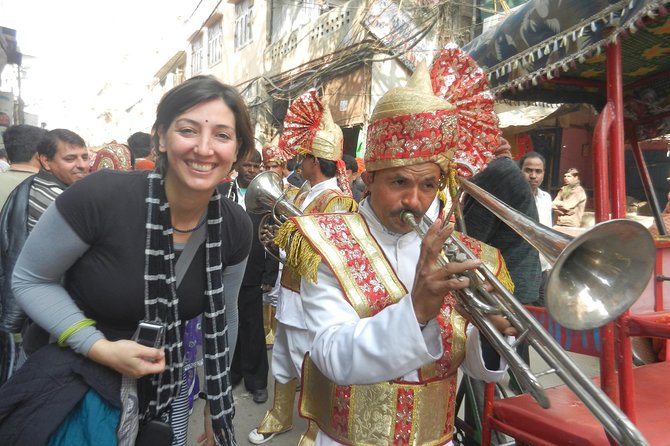
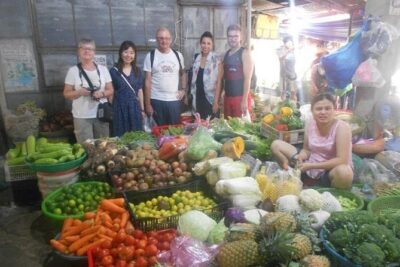
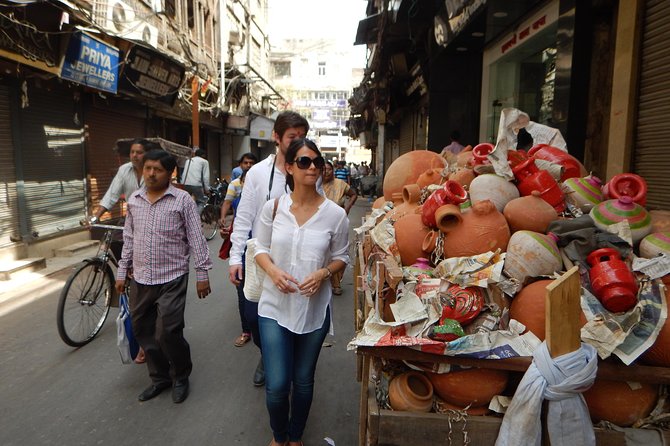
Before you reach the Haveli meal, you spend real time in Old Delhi’s market atmosphere. You’re walking through a wholesale and local bazaar area, with chances to interact with shop owners and see how businesses operate across generations.
You’ll also do safe street food tastings plus snacks. The point isn’t to turn you into a food critic in 4 hours. The point is to give you a controlled introduction to flavors and street-eating culture—so you can later recognize what you’re seeing and tasting on your own.
This is also where guide quality matters. Guides in this program are known for story-driven hosting, and names like Varun and Vivian show up often with strong navigation and clear explanations. If you’re the type who likes to understand what you’re eating (not only that you’re eating it), you’ll likely get a lot out of that.
Stop 2: Khari Baoli Spice Market and the Scale of Wholesale
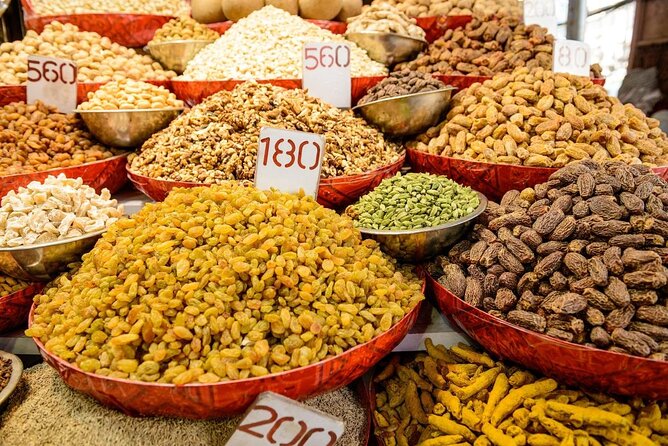
Then you shift gears to Khari Baoli, Asia’s largest wholesale spice market. This is not a “cute little lane of shops.” It’s organized, high-volume commerce, selling spices, nuts, herbs, plus items like rice and tea. The market has been operating since the 17th century, and that age shows up in the way it functions.
What makes Khari Baoli special on this tour:
- Your time there is guided, so you’re not just wandering among piles of goods.
- You get to see spices in the scale that locals buy and use.
- Your senses get the full assignment: smell, color, texture, and the busy rhythm of trade.
A fair consideration: if you dislike dense crowds or strong smells, Khari Baoli might feel intense. Go in with the right mindset. This isn’t a calm museum stop—it’s a working market. If you’re prepared for that, it’s one of the fastest ways to understand why Old Delhi has a food identity.






The Rickshaw Ride Break: Rest Your Feet Without Losing the Local Feel
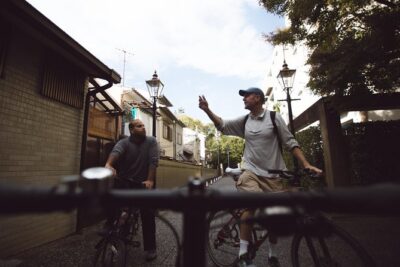
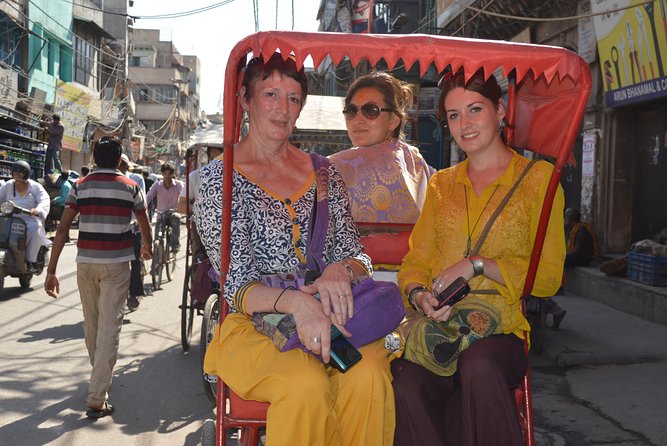
Walking in Old Delhi is part of the charm—but the tour is smart about pacing. You get cycle or electric rickshaw rides, which give your legs a break while keeping you close to street life.
You’ll feel the difference quickly: you can keep your energy for the tastings and Haveli visit, instead of arriving tired and grumpy. One extra detail from the experience style here: some groups have reported a tuk-tuk-style ride alongside the rickshaw element. The core promise is the rickshaw break.
This is also a practical way to cover distance. Old Delhi streets are narrow and curvy. Getting help from a vehicle for certain stretches means you spend more time learning and eating, less time negotiating your way through traffic flow.
Food and Drinks: What’s Included, and Why It Matters
This tour is structured around eating—so you don’t have to hunt for your next bite in the chaos.
Included items:
- Bottled water
- Breakfast, plus safe street food tastings
- Lunch for morning tours or early gala dinner for afternoon tours
- Coffee and/or tea (and in summer, fresh lemonade)
Why this inclusion is a value win: it reduces one of the biggest travel headaches in Old Delhi—food decision stress. When you’re guided to specific tastings and a planned meal, you can focus on the experience instead of constantly calculating risk and timing.
Another small but important angle: the tour’s meals are tied to local context. The Haveli meal isn’t just food. It’s a window into home cooking and social life in the old city.
Small Group Size: Why Max 8 People Changes the Whole Experience
Max group size is 8 people. That sounds like marketing language until you feel the difference. In tight lanes, with crowded markets and a Haveli stop, fewer people means:
- easier conversation with your guide
- more room to move without constant bumping
- less chaos when it’s time to eat, listen, and ask questions
It’s also a social sweet spot. You can meet others, share quick reactions about what you’re tasting, and still keep your attention on the guide’s explanations and route.
If you like learning while you walk, this format is made for you.
No-Tip Policy and How to Handle It Like a Pro
The tour asks you not to offer tips. That’s not common in many parts of India, so it helps to know up front so you don’t get stuck in awkward moment-mode.
My practical advice: keep cash for personal expenses only. If you want to show appreciation, do it by being engaged—ask questions, follow instructions, and let the guide do their job. When the meal is in a home setting, that respectful energy matters.
What to Wear and Bring for Old Delhi Comfort
Old Delhi can be hot, and lanes can get crowded fast. The tour’s dress guidance is worth following closely:
- Ladies: dress modestly, with shoulders covered and legs to at least the knee
- Carry a scarf if you have one
- Bring a cap for sun protection
- Expect that you might need to remove footwear when entering the Haveli (ask your host if unsure)
What to bring:
- a light day bag
- sunglasses and sun protection
- comfortable shoes that are easy to take off if needed
If you go in prepared, the tour feels smooth.
Booking Value: Who This Tour Fits Best
At $52.73, you’re paying for a guided food-and-heritage mix plus a Haveli meal and rickshaw transport—not just a walk. It also tends to book out, with an average booking window of about 21 days in advance, so don’t leave it to the last minute if your dates are fixed.
This experience is a good fit if you:
- want Old Delhi food without guessing what’s safe
- like small-group guides and Q&A time
- enjoy learning how different communities shaped everyday city life
- want a memorable meal setting beyond restaurants
It’s also a strong choice for families, including kids who enjoy trying new snacks. The structure keeps it active, but not punishing.
Should You Book This Old Delhi Food and Haveli Walk?
If your goal is the best use of limited time in Old Delhi, I’d book it. The combination of Masterji Kee Haveli home-cooked meal, street food tastings with guidance, a rickshaw break, and Khari Baoli gives you variety in 4 hours without turning it into a frantic checklist.
Skip it only if you strongly dislike dense markets, strong spice smells, or home visits that involve modest dress and possible footwear-off rules. Otherwise, this is one of those tours that turns Old Delhi from chaos into something you can understand.
FAQ
How long is the Old Delhi Food, Heritage & Cultural Walk?
The tour runs about 4 hours.
What food is included?
You’ll get snacks plus breakfast, and then either lunch or dinner depending on whether you’re on a morning or afternoon tour.
Does the tour include a rickshaw ride?
Yes. You’ll have cycle or electric rickshaw rides during the experience.
Where do I meet the guide, and where does the tour end?
You start at Ajmere Gate Rd, Bazar Sirkiwalan, Chawri Bazar, Old Delhi. The tour ends at Hamdard Building, Asaf Ali Rd, Kalyanpura, Chandni Chowk.
Is hotel pickup included?
No. Hotel pickup and drop-off can be arranged for an additional cost paid directly.
How many people are in the group?
The group size is capped at a maximum of 8 people.