REVIEW · SIEM REAP
Siem Reap: Angkor Wat Sunrise or Sunset Guided Group Tour
Book on GetYourGuide →Operated by Siem Reap Experiences · Bookable on GetYourGuide
Angkor Wat at first light hits different. This guided sunrise or sunset temple circuit from Siem Reap is timed for real atmosphere, then built around smart temple stops that help you understand the Khmer Empire story. I love how the guide keeps you moving at a good pace while still giving time to explore and take photos. One thing to consider: the early start (especially for sunrise) means you’ll want sleep the night before and comfortable shoes for the walking.
I also really like the way the route mixes the big icons with calmer, less-crowded spots. You’ll see the smiling faces of Bayon, the gallery carvings at Angkor Wat, and the more contemplative feel of places like Banteay Kdei where monks still use the temple. A possible drawback is that you’ll need a temple pass (not included), so do that step before you arrive at the gates.
If you get a guide like Sam, Nick, Sayon, Vone, John, or Heang, you’re in good hands. The tours are led by English-speaking guides with a decade-plus background in this work, and you’ll notice it in how they explain what you’re seeing, not just where to stand for photos.
In This Review
- Key highlights worth waking up for
- Sunrise or sunset at Angkor Wat: why timing is the whole game
- The pickup and minibus ride that makes the day easier
- Angkor Wat first: walking the temple like a living puzzle
- Angkor Thom and Bayon: the smiling faces with real context
- Banteay Kdei: the quieter temple that feels more human
- Ta Keo: climbing between eras
- The guide factor: what 10+ years of temple work changes
- Price and value: why $12 can make sense here
- Temple pass, dress code, and the practical stuff that saves your day
- Water, shade, and comfort in real heat
- How the day feels: a well-paced temple circuit, not a sprint
- Who this tour is best for
- Should you book this Angkor Wat sunrise or sunset tour?
- FAQ
- Is the temple pass included in the tour price?
- What’s included in the tour?
- Do I need to pay extra for food and drinks?
- How much of the tour is walking?
- What should I bring?
- What clothing is not allowed?
- Are alcohol or drugs allowed?
- What’s the cancellation policy?
- Is this tour suitable for older travelers?
Key highlights worth waking up for
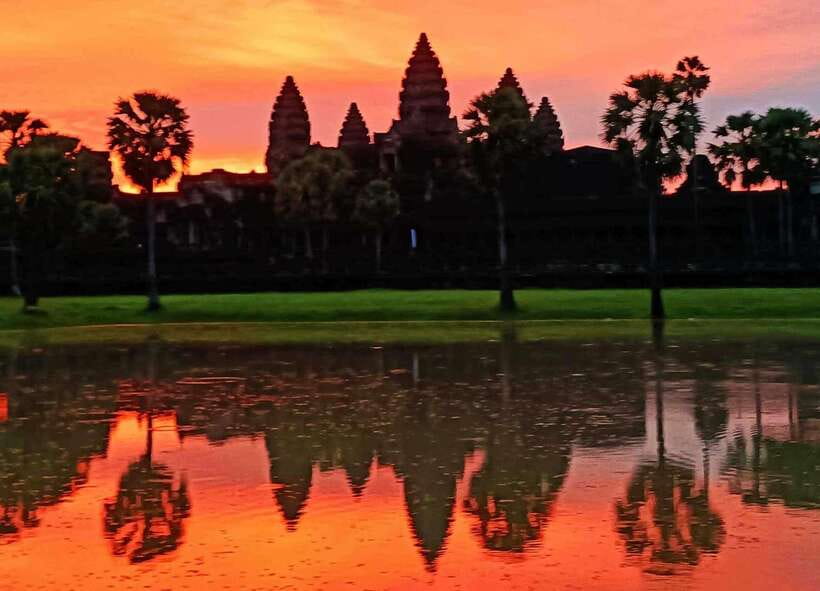
- Expert-timed sunrise or sunset at Angkor Wat for the best light and fewer crowds during morning hours
- Photo help plus stops chosen for views, so you’re not just marching through stone
- 5 temples / major sites built around the Khmer Empire story, not a random checklist
- Chilled bottled water during the day, so you stay comfortable in the heat
- Banteay Kdei and Ta Keo add texture beyond the headline temples, including a temple still tied to monastic life
Sunrise or sunset at Angkor Wat: why timing is the whole game
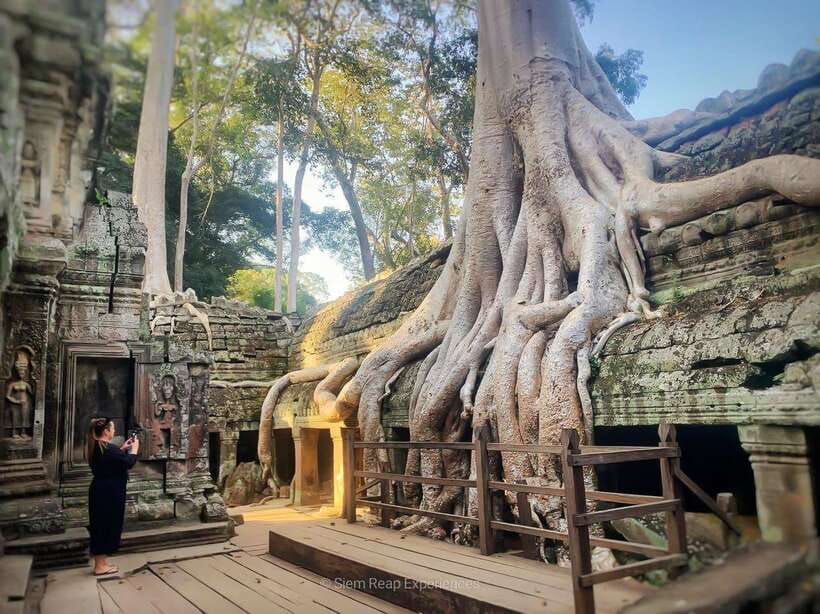
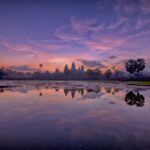
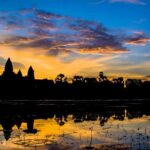
The first reason to book this tour is simple: light changes everything at Angkor Wat. At sunrise, you get cooler air and a slower-feeling arrival. At sunset, you get that softer glow that makes the temple’s carved shapes pop. Either way, the tour is structured around getting you to the right area at the right moment, instead of arriving after the best photos have already happened.
Angkor Wat is massive, and if you go without a guide, it’s easy to see it as just impressive stone. With this kind of guided run, the light timing becomes a storytelling tool. You start with the mood at the top of the morning or late day, then you follow that energy through the galleries and courtyards so you can connect the architecture to the era and beliefs behind it.
And yes, the sunrise option is the classic draw. One practical bonus: the morning heat is often less intense, so you can actually enjoy walking and looking, not just survive it.
You can also read our reviews of more tours and experiences in Siem Reap.
The pickup and minibus ride that makes the day easier
This tour includes hotel pickup and drop-off plus an air-conditioned minibus. That matters in Siem Reap because temple hopping is a lot more pleasant when you don’t have to figure out transport, meet at awkward times, or worry about navigating your own route.
The flow is straightforward. Once you’re collected, you head to Angkor Wat first. After that, you jump between temples in the vehicle, then return on foot for the parts that really need wandering—courtyards, galleries, and stairways.
In the heat, the air-con break is not a luxury. It keeps the day enjoyable, especially if your group is a mix of ages and energy levels. (If you’re planning this with older family members, note that it’s not suitable for people over 95 years.)
Angkor Wat first: walking the temple like a living puzzle
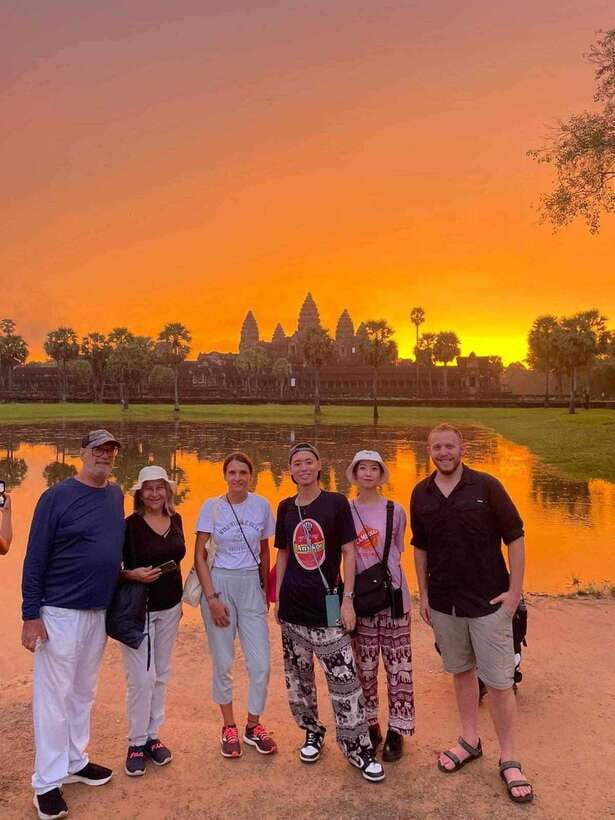
Your visit starts at Angkor Wat, and you’re not just looking from the outside. You walk the route that lets you experience the temple as a sequence: approach, courtyards, then the galleries of carvings and statues.
What I like about this setup is that it makes the site feel less like a single monument and more like a set of themes. You’ll notice Hindu carvings and sacred Buddhist statues in the ways different parts of the temple were used and interpreted over time. That blend is part of what makes Angkor Wat feel layered instead of frozen.
The tour is designed so you also get time to explore on your own. That sounds basic, but it’s the difference between being rushed to the next stop and actually taking in details. You’ll also get chances for photos without feeling like you’re constantly getting shoved aside.
Practical note: this is where your phone becomes your best travel tool. Bring a charged smartphone. You’ll want it for photos and for quickly checking what you’re looking at as the guide explains it.
Angkor Thom and Bayon: the smiling faces with real context
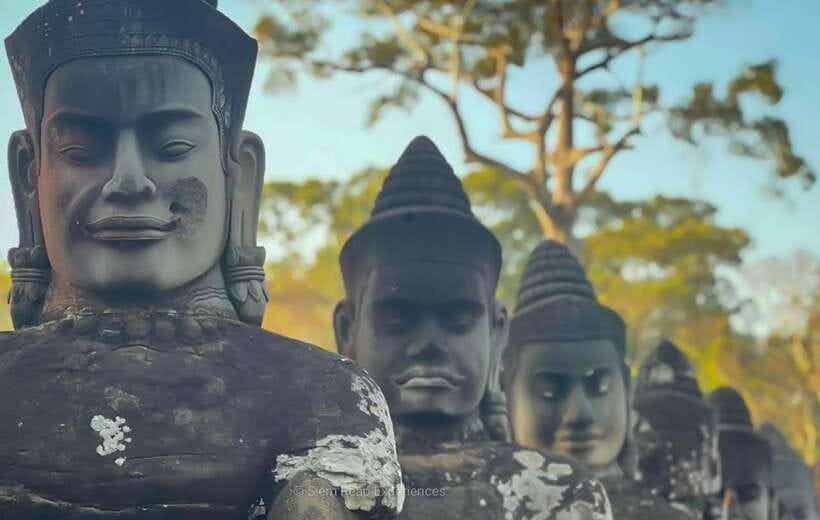
After Angkor Wat, the tour shifts to Angkor Thom, the jungle-set temple complex that carries both ancient power and modern familiarity. The place is famous in pop culture too, but you’ll get more out of it when it’s explained as a functioning city of faith and rule rather than just a movie location.
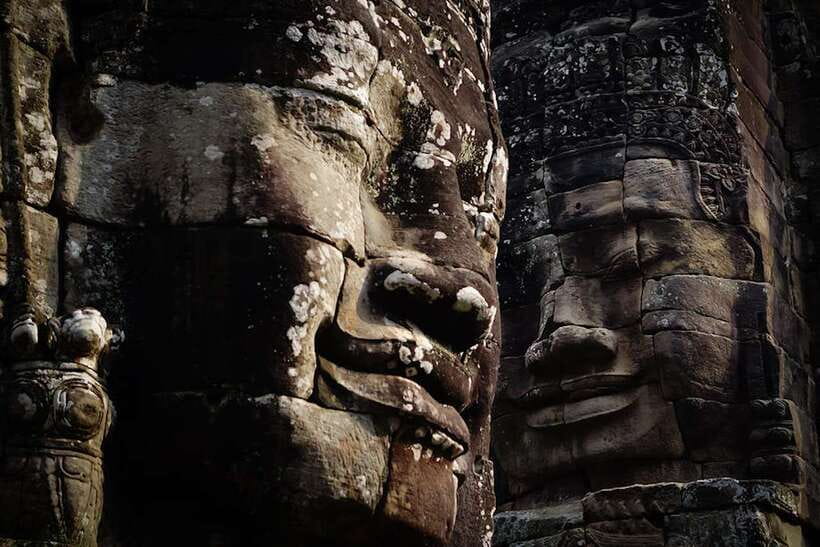
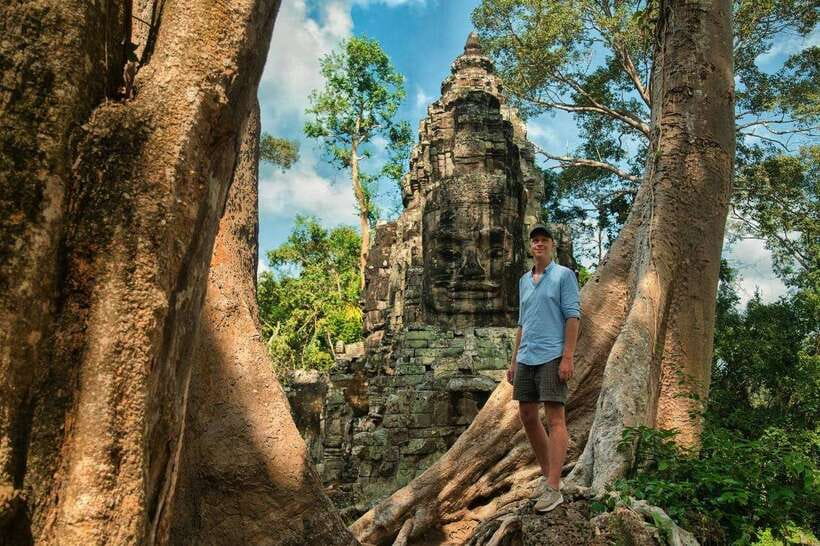
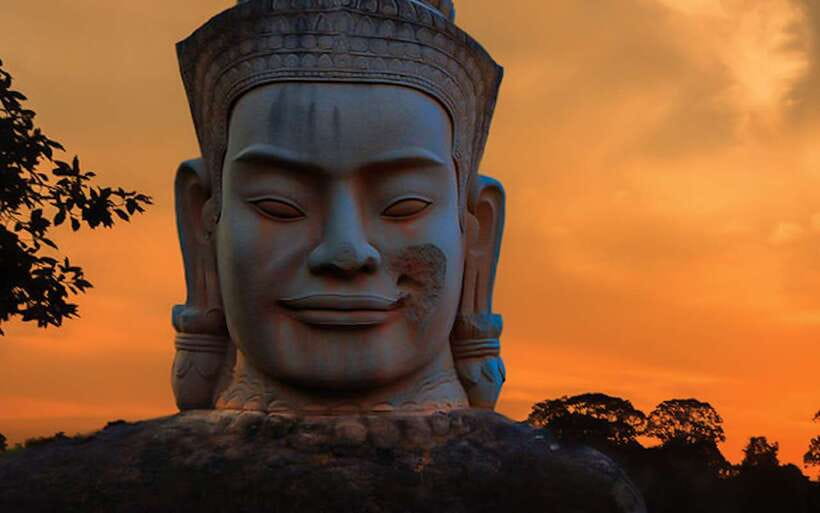
From there, you move to Bayon Temple, the one most people recognize for the large smiling faces. They’re not just striking art; they also create a kind of visual wayfinding. Even if you’re tired, those faces keep pulling your attention back toward the central spaces.
A big value of the guided format here is pacing. Bayon is busy in peak hours. Going with a route that uses timing to reduce crowd pressure means you spend longer looking and less time fighting for space.
You’ll also learn why certain details matter—what the carvings and statues suggest about belief systems and royal messaging during the Khmer Empire. It’s the kind of information that changes how you see every doorway and lintel.
Banteay Kdei: the quieter temple that feels more human
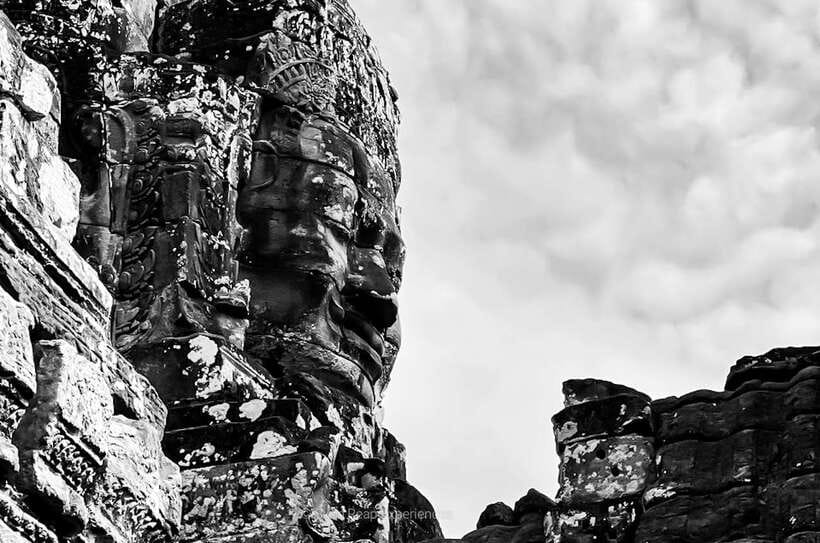
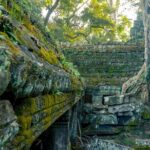
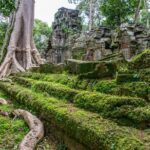
Banteay Kdei is where the tour gets more reflective. It’s a Buddhist temple often described as a standout for its calm atmosphere and the way it’s used today. The temple is also known as a kind of pyramid temple, largely unrestored, and the experience includes seeing monks connected to the site.
This stop is worth it because it breaks the pattern of only visiting the most famous, heavily restored complexes. You get texture: worn stone, lived-in edges, and a sense that this is not just a museum piece. The guide’s explanation helps here too, especially if you’re trying to connect the sculptures and spiritual use to the broader Khmer religious evolution.
And since the day is built around a cooler morning or the softer late-day light, Banteay Kdei often feels less like a checklist stop and more like a pause.

Ta Keo: climbing between eras
Then you get Ta Keo, a 10th-century mountain temple. The walk-up adds a different kind of understanding because you’re physically moving from the modern world into the temple’s stepped geometry.
This is not just about the view. The climb helps you feel the architecture’s intention—how the design pulls you upward, how the stairs and platforms shape the experience of devotion and observation.
If you like temples that feel less restored and more raw, Ta Keo is a strong contrast after Bayon’s face towers and Angkor Wat’s grand galleries. It’s one of those stops where your effort is rewarded with both a sense of history and a satisfying change of scenery.
The guide factor: what 10+ years of temple work changes
The biggest difference between this tour and a basic ticket-and-wander day is the guide. The tour uses an English-speaking guide, and the experience includes guided learning tied to what you see, not just general facts thrown at you.
I like that the explanations tend to connect the religious meaning to the actual forms: how Hindu and Buddhist elements appear, why different statues and carvings look the way they do, and how the Khmer Empire’s story shows up in layout and symbolism. That turns the temples into something you can follow instead of something you just admire.
There’s also a practical side. Many guides—names like Sam, Nick, John, Sayon, Vone, Heang, and Sary show up in the guide roster—are praised for keeping the day safe and on track, and for helping with photos. If you care about getting good shots, you’ll likely appreciate their eye for angles and their patience.
And if you’re the type who likes to ask questions, you’ll probably feel comfortable doing it. The tour format leaves room for questions and small pauses at each site.
Price and value: why $12 can make sense here
At $12 per person, you’re paying for the most expensive parts of the day: transport coordination, a guide, and the timing that helps you get more out of your limited time in Siem Reap.
Temple access itself is a separate cost (see next section), but the tour price still covers real value:
- hotel pickup and drop-off
- an air-conditioned minibus
- an English-speaking guide
- time to explore five temple stops
- chilled bottled water to keep you going
A tour like this can be a bargain if you’d otherwise spend money on multiple day tickets plus transport plus a guide’s explanations you can’t get by wandering alone. Even if you’re comfortable traveling independently, the sunrise timing alone is often the difference between a pleasant morning and a rushed scramble at the gates.
Temple pass, dress code, and the practical stuff that saves your day
Two rules will shape your experience more than you’d think: the temple pass and the dress code.
The temple pass is not included. You can buy it in advance at the official site: https://www.angkorenterprise.gov.kh/
Or you may be able to purchase it after your guide collects you, depending on how the day starts with your group.
Dress matters at Angkor and surrounding sites. The tour notes you should not wear:
- shorts
- short skirts
- sleeveless shirts
Also, alcohol and drugs are not allowed. This is Cambodia’s temple grounds, and the restrictions exist for a reason.
What to bring is simple and useful:
- comfortable shoes
- a charged smartphone
If you’re used to visiting temples casually, treat this like a respectful “smart traveler” day: keep your outfit site-appropriate and you’ll avoid stress at the entrance.
Water, shade, and comfort in real heat
You’ll get chilled bottled water as part of the tour. That sounds minor until you’re walking in the sun and your energy starts to drop. In practice, the water stops help you keep a steady rhythm without cutting your exploring short.
Some guides are also noted for offering extra comfort when needed, like umbrellas for shade if rain shows up or if the sun is harsh. If you’re lucky and your day has that kind of support, it can make a noticeable difference in how you feel at the end of the circuit.
How the day feels: a well-paced temple circuit, not a sprint
This tour is built around a sequence:
1) start at Angkor Wat for sunrise or sunset
2) walk through key areas and galleries
3) move by vehicle to other major temples
4) take occasional rest and food breaks as the day progresses
5) finish after exploring a set of major sites
I like that it’s structured but not rigid. The vehicle time is there when you need it, and the on-foot temple time is there where it matters. That balance keeps the day enjoyable, especially for groups with mixed comfort levels.
Also, the guide’s job includes managing crowds. One of the repeated wins is good timing at specific temples, so you spend more time seeing and less time standing in lines.
Who this tour is best for
This is a great fit if you want:
- the iconic Angkor Wat light moment without the chaos of figuring it out
- temple visits with explanations that connect architecture to belief and culture
- a day that’s guided, paced, and supported with water
It’s especially good for first-timers who want a strong overview: Angkor Wat plus major surrounding temples like Angkor Thom and Bayon, then stops like Banteay Kdei and Ta Keo that add depth beyond the headline photos.
If you’re a hardcore “I’ll do everything solo” traveler, you can still enjoy Angkor independently. But you’ll likely miss the context and the crowd-smart route that makes this tour feel efficient.
If you have trouble walking long distances or with stair climbs, you’ll still want to consider your comfort level—Ta Keo includes a walk up, and the temples require real walking.
Should you book this Angkor Wat sunrise or sunset tour?
I’d book this tour if your priority is getting the most out of your one shot at Angkor Wat, with timing, guidance, and comfort handled for you. At $12, the value is strong as long as you’re ready to handle the temple pass separately and follow the dress rules.
Choose sunrise if you want cooler temperatures and the most classic atmosphere. Choose sunset if you prefer a later start and softer evening light. Either way, you’ll get a guided route that turns Angkor into a story you can actually follow, not just a place you stand in awe of for a few quick minutes.
If you care about learning as much as photographing, and you like temples that include both famous faces and quieter monastic corners, this is a smart way to spend a day in Siem Reap.
FAQ
Is the temple pass included in the tour price?
No. The temple pass is not included, and you’ll need to buy it separately (online at https://www.angkorenterprise.gov.kh/ or at the ticket office as part of the pickup process).
What’s included in the tour?
It includes hotel pickup and drop-off, an air-conditioned minibus, an English-speaking tour guide, exploration of 5 different temples, and chilled bottled water.
Do I need to pay extra for food and drinks?
Yes. Food and drinks are not included, so you’ll want to budget for meals during the day’s breaks.
How much of the tour is walking?
You’ll walk inside temple galleries and across temple areas, and you’ll also do a walk up at Ta Keo. Comfortable shoes are a must.
What should I bring?
Bring comfortable shoes and a charged smartphone for photos and practical use.
What clothing is not allowed?
The tour notes you should not wear shorts, short skirts, or sleeveless shirts.
Are alcohol or drugs allowed?
No. Alcohol and drugs are not allowed.
What’s the cancellation policy?
You can cancel up to 24 hours in advance for a full refund.
Is this tour suitable for older travelers?
It is not suitable for people over 95 years.