REVIEW · SEOUL
DMZ Guided Tour with Suspension Bridge / Gondola from Seoul
Book on Viator →Operated by Korea Time Tour · Bookable on Viator
The DMZ is a lesson you can walk into. From Seoul, this guided day gives you real access to the Demilitarized Zone and nearby sites that explain how the Korean War shaped the peninsula, including a lookout at Dora Observatory where you may be able to see North Korea on clear days.
I love that the tour handles the heavy lifting: round-trip transfers in an air-conditioned vehicle plus an English-speaking guide/driver who keeps the story understandable and on schedule.
My main caution is weather and timing. Fog and low visibility can mute the North Korea viewing parts, and the day runs on a strict timetable once you hit DMZ ticket time windows.
Key Things To Know Before You Go
- DMZ access with minimal planning: round-trip transfers and admission tickets included.
- Tunnel experience is the anchor: Third Tunnel Tue-Sun, Second Tunnel on Mondays.
- Dora Observatory depends on conditions: clear weather matters if you want the best view north.
- You choose gondola or suspension bridge: optional adds-on that affect your time and photos.
- Strong guides can make it human: names like Patrick and Roy come up often for clear, engaging explanations.
- Be ready for walking and stairs: especially for tunnel routes and steep sections near viewpoints.
In This Review
- DMZ in One Day: What This Guided Format Gets Right
- Price and Value: Is $35 a Real Deal from Seoul?
- How the Day Actually Runs: Timing, Tickets, and “Be Ready”
- First Stop in the DMZ: The Demilitarized Zone Visit
- Third Tunnel from Tue-Sun: Why This One Becomes the Main Event
- Mondays Change the Script: Second Tunnel, Peace Observatory, and Woljeongri
- Dora Observatory: Seeing North Korea When the Sky Plays Nice
- Unification Village and the Human Scale of the Divide
- Suspension Bridge vs Gondola: Picking Your Photos and Your Pace
- Walking, Weather, and What to Wear for Real
- “Who This Is For” and Who Should Think Twice
- Should You Book This DMZ Tour from Seoul?
- FAQ
- How long is the DMZ guided tour from Seoul?
- Which tunnel do you visit on Mondays?
- Which tunnel do you visit on Tue-Sun?
- Is the gondola or suspension bridge included?
- Can I see North Korea during the tour?
- Are meals included?
- What happens if the Third Tunnel is unavailable?
- Is there a monorail?
DMZ in One Day: What This Guided Format Gets Right
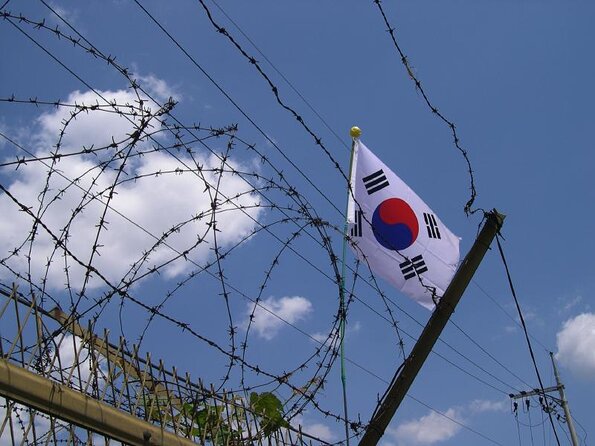
This is the kind of trip that works because it reduces decision-making. You don’t have to figure out routes or ticket timing on your own. You get transported in an air-conditioned vehicle and moved between the day’s key stops with admission tickets handled for you.
The other big win is context. The DMZ can feel like a distant news topic, but on this kind of structured tour you’re constantly tying what you see to why it exists—especially at the tunnels and the observatory areas. It’s not just scenery; it’s built explanations, delivered by the guide in English, with time to absorb what you’re looking at.
One more practical bonus: you’ll get a mobile ticket, which tends to make entry days smoother when you’re dealing with strict time slots.
Price and Value: Is $35 a Real Deal from Seoul?
At $35 per person, this tour is priced like a value pick—especially because it bundles several costly parts together. You’re paying for:
- Round-trip transfers from Seoul
- Admission tickets to the major stops
- An English-speaking guide/driver
- The option to include the cable car (gondola) and/or suspension bridge visit depending on what you select
If you tried to piece all of that together yourself, the time cost and logistics would usually be the bigger problem than money. The admissions alone can add up when you’re hopping across multiple controlled-access sites. Even if you skip the gondola or bridge add-on, you’re still getting a full guided DMZ day with transportation and tickets.
The tradeoff? You’re buying into the realities of the DMZ experience: you can’t control fog, and you can’t control certain access rules, especially around tunnel sections.
You can also read our reviews of more tours and experiences in Seoul.
How the Day Actually Runs: Timing, Tickets, and “Be Ready”
Expect a full day: about 7 to 11 hours depending on day-of conditions and what’s available. The tour also notes that drop-off time/location can shift due to traffic, and the day’s destinations are slotted to match entry rules.
Once you’re at DMZ ticket points, you’ll want to be fully ready when it’s time to enter. On these tours, being a few minutes late can ripple through the group’s schedule because time slots are time slots.
I’d treat this like a “move with the plan” day:
- Don’t plan a late lunch or shopping right after the pickup window.
- Wear comfortable shoes early, because you’ll be walking more than you might expect when you think DMZ = just looking.
First Stop in the DMZ: The Demilitarized Zone Visit
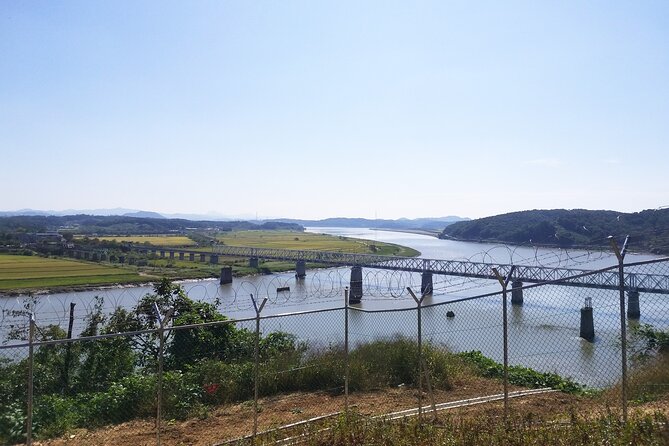
You’ll spend around 2 hours at the DMZ area. The DMZ is a buffer zone between North and South Korea, and it stretches 248 km from Jeongdong-ri in Paju-si to Myeongho-ri in Goseong-gun. That scale matters, because it’s not one dramatic gate moment—it’s a long, managed boundary.
What you’ll get from the guided stop is the “why” behind the layout: how the buffer reduces direct contact while keeping both sides on high alert. The admission ticket is included, which helps you stay focused on learning instead of paperwork.
This is also where you’ll start to understand the mood shift of the day. Compared with typical sightseeing, this part is quieter, more formal, and more rules-based. If you’re someone who likes history explained with specific places, this first stop sets you up to appreciate the tunnels and observatory later.
Third Tunnel from Tue-Sun: Why This One Becomes the Main Event
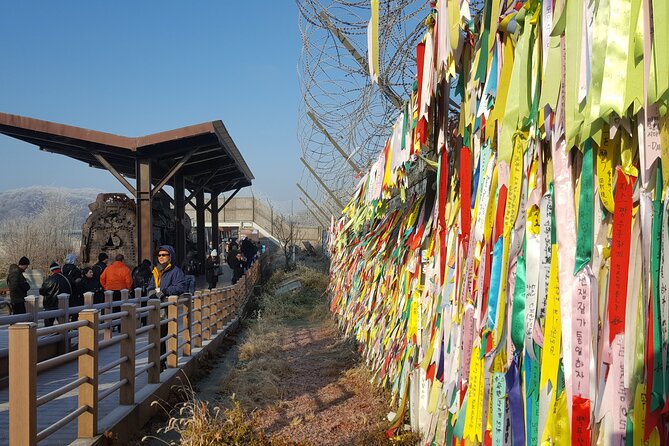
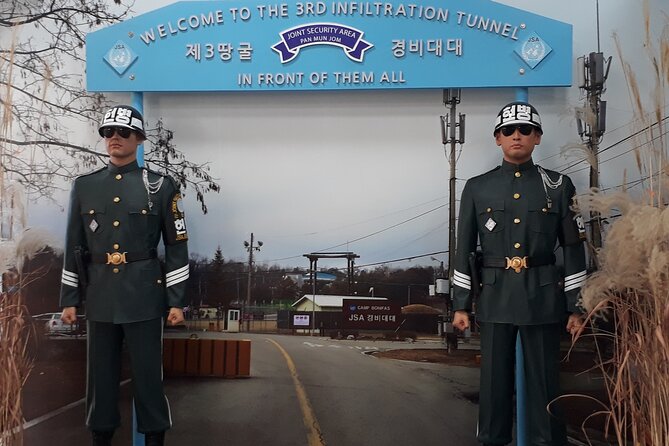
On Tuesday through Sunday, the tour typically centers on the Third Tunnel. This site is often the highlight because it’s physical. You’re not just reading signs; you’re walking through a human-scale piece of military planning.
Key facts you’ll hear on-site:
- Discovered by South Korea in 1978
- About 1,635 meters long
- Roughly 2 meters wide and 2 meters high
- Located about 52 km from Seoul
- Often described with estimates that around 30,000 soldiers could move through if used as intended
The important part for your body: access includes an intermediate level of hiking. The tour notes you can’t enter the Third Tunnel if you have heart disease, back problems, or respiratory problems. It also warns that leg issues may affect whether you can go down into tunnel sections.
Even if you’re generally fit, plan for real effort: the tunnel route involves steep walking segments, and some sections can be slippery if conditions are wet. If you’re traveling with anyone with mobility concerns, this is the stop that can make or break the day.
Mondays Change the Script: Second Tunnel, Peace Observatory, and Woljeongri
If you visit on Monday, your tunnel focus shifts to the Second Tunnel instead of the Third Tunnel. Every Monday also includes:
- Peace Observatory
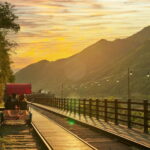
- Woljeongri train station
- Suspension bridge (if you selected that option)
This Monday routing makes sense because access and schedules for the tunnels can differ by day. The tour runs that way consistently, so if your priority is the Third Tunnel, you’ll want a Tue-Sun date. If your priority is the Monday-specific set, you’ll know what to expect.
This is also a good day plan if you like variety: observatory + station + tunnel in one longer stretch (the Second Tunnel segment is about 3 hours).


Dora Observatory: Seeing North Korea When the Sky Plays Nice
Dora Observatory is where the tour becomes most visually exciting. On clear days, you may be able to see North Korea from there. The tour explicitly ties the viewing chance to weather and visibility, and fog is a real spoiler.
On the good days, this stop gives you that rare feeling of geographic connection: you’re standing in a place designed for looking north. Even if you can’t see everything sharply, the explanations here help you understand what those sightlines mean.
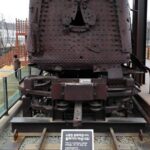
The tour also includes Dorasan Station, described as the last station in South Korea. That detail matters. It’s not just a viewpoint—it’s part of the peninsula’s divided infrastructure story, where travel routes stop and political reality takes over.
Plan like a grown-up about visibility:
- If you’re chasing the best chance to see north, pick a day that looks clearer on the forecast.
- Bring a light layer anyway. Observatories and bridges can feel cooler than the city.
Unification Village and the Human Scale of the Divide
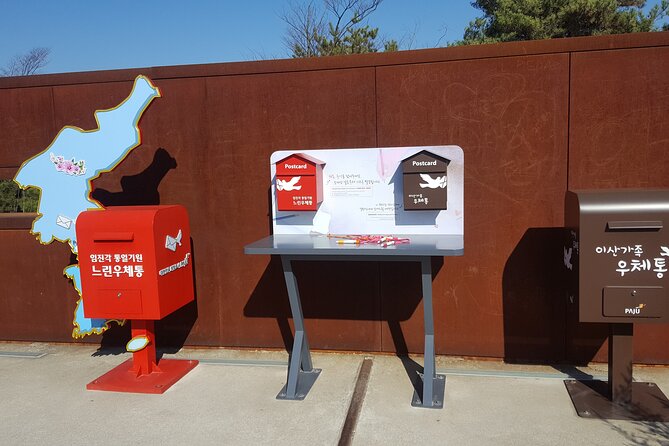
For Tuesday through Sunday, the tour includes Unification Village. This is where the day stops being only about military structures and starts touching life-at-the-edge realities—what people see, what they can’t do, and how the division shows up in everyday space.
Even when you’re not focused on politics, this stop tends to stick because it puts faces and daily context on top of the big-picture military story you heard at the tunnels. It also pairs naturally with Dorasan Station and the observatory, because all three help explain how the boundary affects movement, access, and future hopes.
Suspension Bridge vs Gondola: Picking Your Photos and Your Pace
The tour lets you choose between gondola and/or suspension bridge options depending on what you booked. Both are tied to the DMZ viewing area experience, and both change how the day feels.
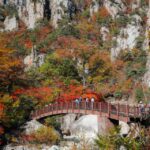
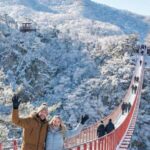
If you select the suspension bridge option, you’ll visit Gamaksan Chulleong Bridge near the DMZ area for about 1 hour 30 minutes. The tour notes the bridge can feature black and blue lighting simultaneously between the mountain valleys. That detail is useful because it hints you’re going for photo angles and elevated perspective, not just a quick crossing.
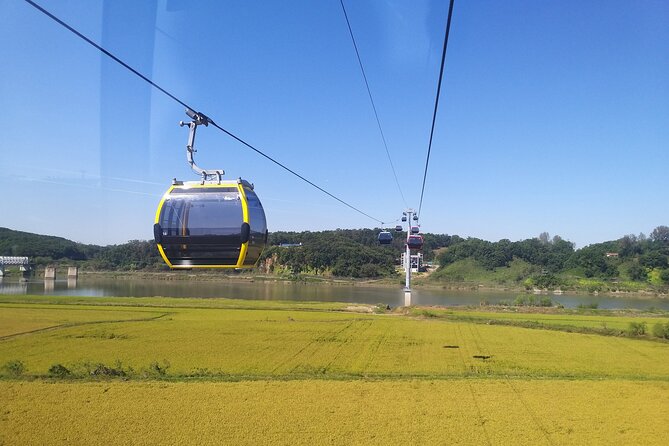
If you select the gondola, you’ll get cable car time with a viewpoint-oriented route. People often choose this when they want less strenuous walking compared with more rugged paths, while still getting dramatic angles.
Either way, here’s the practical approach: if you’re already doing the tunnel hike, pick the option that matches your energy. The tunnel is the hard part; the bridge/gondola should support your day, not turn it into a second endurance event.
Walking, Weather, and What to Wear for Real
This isn’t a sit-on-a-bus-and-look-around day. Between observatories, tunnels, and viewpoint areas, you’ll be on your feet more than you expect.
What I’d do before you go:
- Wear shoes with traction. Wet, steep sections can feel slick.
- Bring a light jacket or layer. DMZ sites can feel cooler than central Seoul.
- Pack small snacks. Meals and beverages are not included, though there is time later to purchase something for lunch during the day.
If you’re bringing luggage, the tour asks you to discuss size and number of bags in advance. That’s a smart move because transport into controlled areas often has tighter handling rules.
Also, if you’re prone to foggy viewpoints, accept that visibility can change fast. On some days you get the view north. On other days you get the history anyway—which still matters.
“Who This Is For” and Who Should Think Twice
This tour is often a great fit for:
- People who want a one-day DMZ crash course with real stops
- First-time Seoul visitors with limited time
- Anyone who prefers English-guided structure over self-guided uncertainty
- Travelers who are okay with walking and climbing a bit
But think twice if you have conditions that affect tunnel access. The tour specifically says you cannot enter the 3rd tunnel with heart disease, back problems, or respiratory problems. It also warns about leg issues potentially preventing you from going down tunnel sections.
If you’re traveling with older adults or anyone with limited mobility, the tunnel segment is the make-or-break part. Even when you can choose not to do certain parts, you may miss the tunnel experience itself, which is the centerpiece for many schedules.
Should You Book This DMZ Tour from Seoul?
I think you should book this tour if you want a structured DMZ day with transportation handled, major sites covered, and a strong chance to see north on a clear day. The value at $35 is hard to ignore for a guided, ticket-inclusive day that includes the big hitters: DMZ area, tunnels, Dora Observatory, and often Dorasan Station and Unification Village.
Skip or reconsider if you’re mainly chasing perfect views and your travel window looks foggy. Also reconsider if you or your group can’t handle intermediate hiking and steep walking required for tunnel access. For many people, the tunnel is unforgettable—but it’s also physically demanding and controlled by access rules.
If you book, your best strategy is simple: pick a date with clearer weather, wear grippy shoes, and don’t fight the schedule. When the day runs smoothly, this is one of the most meaningful “see the real border” experiences you can do from Seoul.
FAQ
How long is the DMZ guided tour from Seoul?
The tour runs about 7 to 11 hours, depending on the day’s schedule and conditions.
Which tunnel do you visit on Mondays?
On Mondays, the tour visits the Second Tunnel, along with Peace Observatory, Woljeongri train station, and the suspension bridge (if you selected that option).
Which tunnel do you visit on Tue-Sun?
From Tuesday through Sunday, the tour typically focuses on the Third Tunnel, plus Dora Observatory and Dorasan Station. Unification Village is also included on these days.
Is the gondola or suspension bridge included?
Gondola and suspension bridge are both optional. You choose them when booking, and the tour includes the selected option’s ticket/visit.
Can I see North Korea during the tour?
You may be able to see North Korea from Dora Observatory if visibility and weather are good.
Are meals included?
No. Meals and beverages are not included, though you may have time to purchase food during the day.
What happens if the Third Tunnel is unavailable?
If the Third Tunnel is unavailable, the tour can be changed to another destination.
Is there a monorail?
No, monorail is not available.