REVIEW · SIEM REAP
Siem Reap: Kompong Phluk Floating Village Half-Day Tour
Book on GetYourGuide →Operated by Siem Reap Shuttle · Bookable on GetYourGuide
Stilted houses meet the lake. The Kompong Phluk Floating Village half-day tour is a practical look at how people live with the water, starting on land at a local market and ending with time on the lake for village cruising and sunset atmosphere. You’ll ride through areas shaped by the Tonlé Sap ecosystem—fish farms, flooded fields, mangroves—without needing a full day just to get the story.
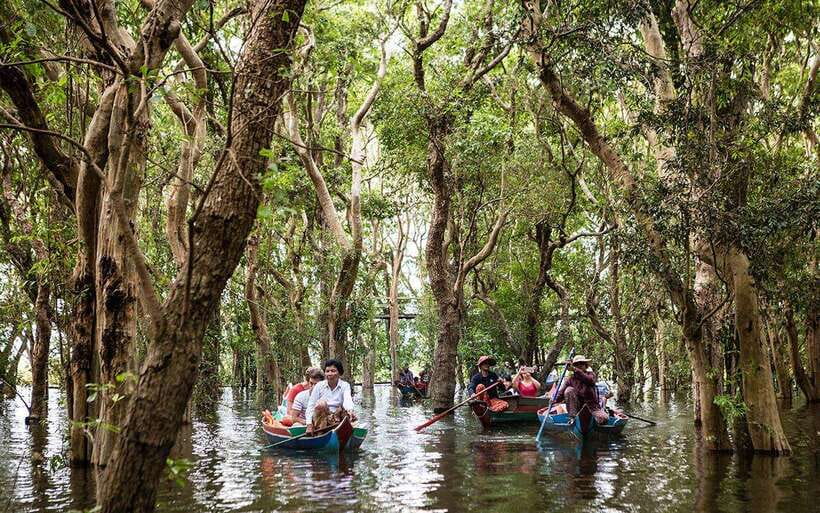
I especially like the mix of land and water. The Ro Lus Market stop gives you real textures—food, everyday goods, and local rhythm—then you switch modes to motorboat cruising with clear safety briefings and life jackets. I also love the optional flooded-forest rowing stop in the rainy season; it’s the part that turns the trip from sightseeing into something more personal and close-up.
One thing to plan for: it’s not a smooth, flat stroll. Uneven surfaces and the walking involved mean this isn’t a good fit for anyone with mobility limitations, and kids under 12 aren’t recommended for the shared tour option.
In This Review
- Quick hits
- Kompong Phluk Floating Village: living with the water, up close
- Ro Lus Market and a local pagoda: the warm-up on land
- Motorboat cruising through stilt houses: where the tour becomes real
- Tonlé Sap time and the floating cafe: the lake’s rhythm
- Flooded forest in the rainy season: the optional rowing boat that changes everything
- Price and value: what $24 really buys you
- Pickup windows, timing, and what to pack in real life
- Who should book this Kompong Phluk tour (and who shouldn’t)
- Guide style: what makes the experience feel personal
- Should you book Kompong Phluk Floating Village from Siem Reap?
- FAQ
- How long is the Kompong Phluk Floating Village half-day tour?
- How much does it cost?
- What’s included in the tour price?
- Is the flooded-forest rowing boat included?
- What time does pickup happen?
- What should I bring?
Quick hits
- Ro Lus Market first: a hands-on intro before the water
- Motorized boat cruise through stilt houses, mangroves, and lake-side life
- Floating cafe sunset stop that keeps the pace gentle
- Optional flooded-forest rowing boat during roughly October to January
- Small group (up to 10) plus an English-speaking guide in most options
Kompong Phluk Floating Village: living with the water, up close
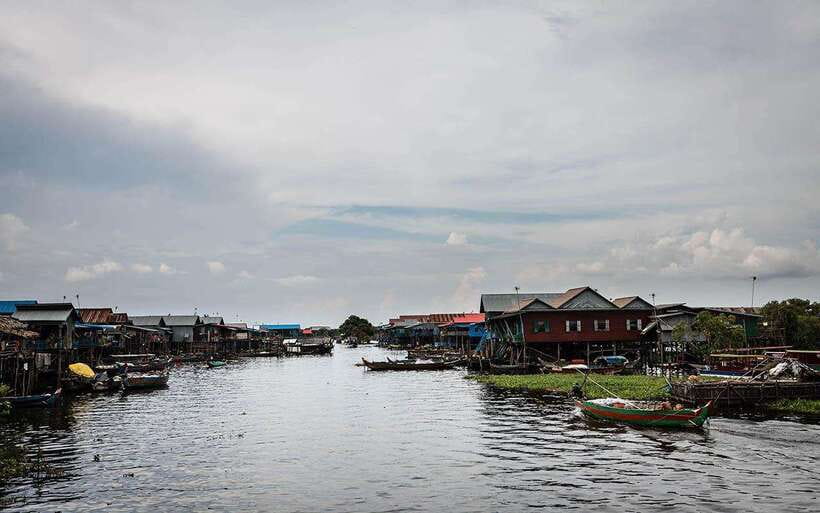
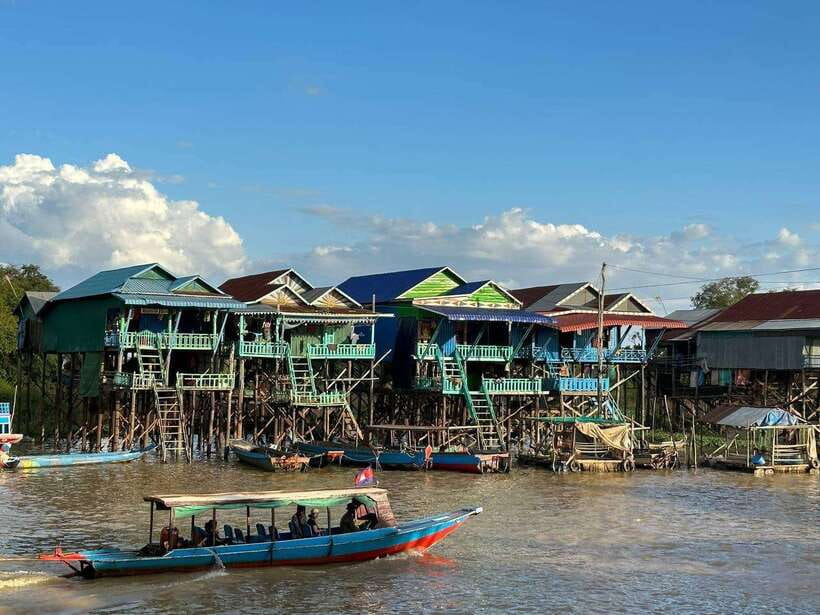
Kompong Phluk sits about 30 kilometers southeast of Siem Reap, and the big idea of this tour is simple: you don’t just look at water life, you see how it shapes daily routines. The village is built around stilted homes, and the surrounding mangrove area helps explain why this region works the way it does.
What makes this feel worth your time is that the boat route carries you past practical sights, not only postcards. You get that panorama feel—floating market areas, fish farms, and rice paddies—so you can connect homes, work, and water level in your head.
And yes, there’s a human side to it. The best moments are when the guide points out how people adapt to conditions that outsiders usually avoid. It’s not dramatic survival; it’s normal life, handled with calm and routines you can observe from the water.
You can also read our reviews of more tours and experiences in Siem Reap.
Ro Lus Market and a local pagoda: the warm-up on land
Before you’re on a boat, you start with a stop at Ro Lus Market. Expect photo time, a guided visit, and time to walk through the market atmosphere. It’s a good setup because it gives you context for what you’ll see later on the lake—food, daily purchases, and the everyday Cambodia that doesn’t revolve around temples.
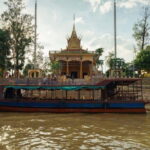
After the market, you pass by a local pagoda (វត្តធម្មិស្សរារាម). The time here is short—think quick photo stops and a brief guided pass—so treat it as a cultural palate cleanser rather than a long temple visit.
This land section is also where you’ll notice how the guide shapes the trip. Some guides use humour and stories to make history feel less like a lecture, and the market is a great place for that approach because you can look at real items while they explain what life looks like outside the tourist core.
Motorboat cruising through stilt houses: where the tour becomes real
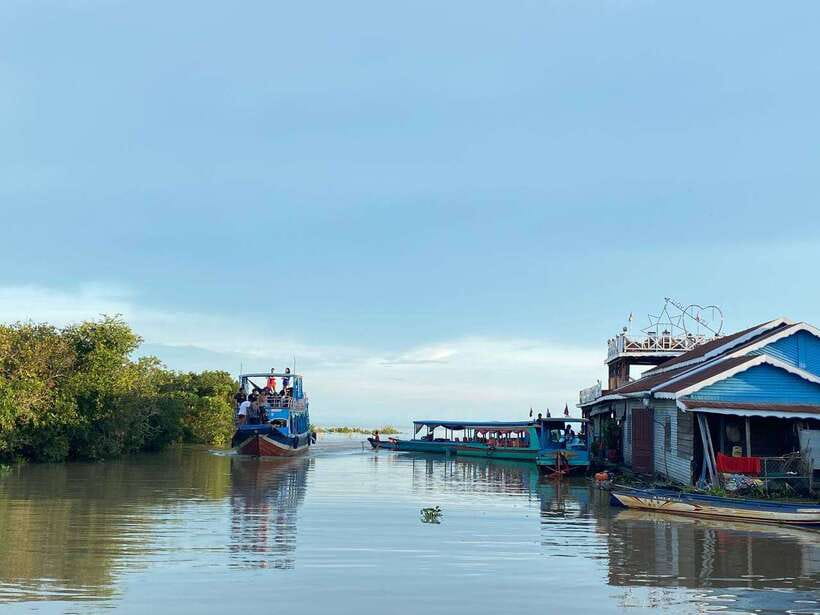
The main event is the motorized boat ride around Kompong Phluk’s stilted buildings. You’ll get a safety briefing and you’ll wear life jackets—so don’t plan on skipping that step. Once you’re moving, the view changes quickly from “village on stilts” to a whole network of homes, walkways, and work zones.
The tour is designed for comfort and pacing. You get about an hour of cruising, and the boat route is built around showing you the village layout rather than chasing speed. A lot of people end up remembering how slowly the scene moves past—boats, roofs, water, and mangrove edges—because it feels like you’re reading a map drawn in real time.
One practical plus: the guide (English) doesn’t only narrate. They explain culture and day-to-day lifestyle—how water levels affect movement and what daily routines look like when your neighborhood is essentially the lake. In the small-group setup (limited to 10), that also means you can ask questions without waiting your turn for a microphone moment.
Tonlé Sap time and the floating cafe: the lake’s rhythm
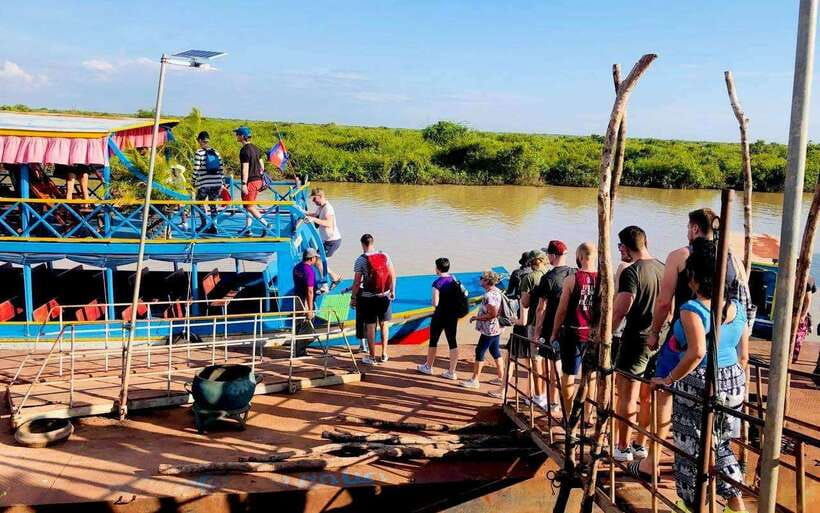
After the Kompong Phluk cruise, you shift to Tonlé Sap for a break and another boat segment. You’ll get break time plus photo stops and guided explanations, then another boat cruise of about an hour. The lake stop matters because it broadens the story from one village to the wider ecosystem.
This is where you see how the region’s work connects to water patterns. Fish-related activity and agriculture tied to flooding cycles show up in the views and in the guide’s explanation. Even if you know the basics already, this portion helps you connect the dots visually—rice paddies and work areas aren’t random scenery, they’re the backdrop for livelihoods.
The floating cafe stop is another highlight. It’s described as a good place to watch the sun go down, and that timing adds a calm ending tone to the day. Just be aware the sunset experience can feel more like a slow scene than a fast-photo sprint, so if you’re the type who hates waiting, plan your expectations around a relaxed lake atmosphere.
Flooded forest in the rainy season: the optional rowing boat that changes everything
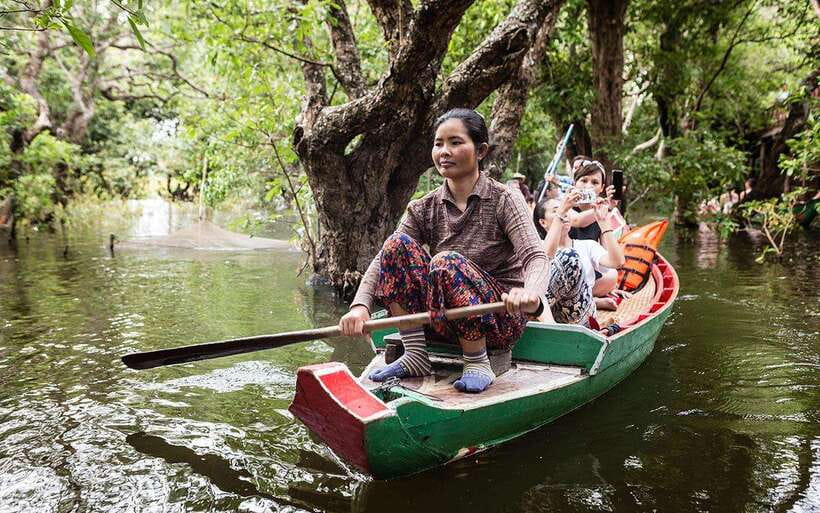
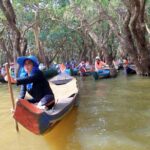
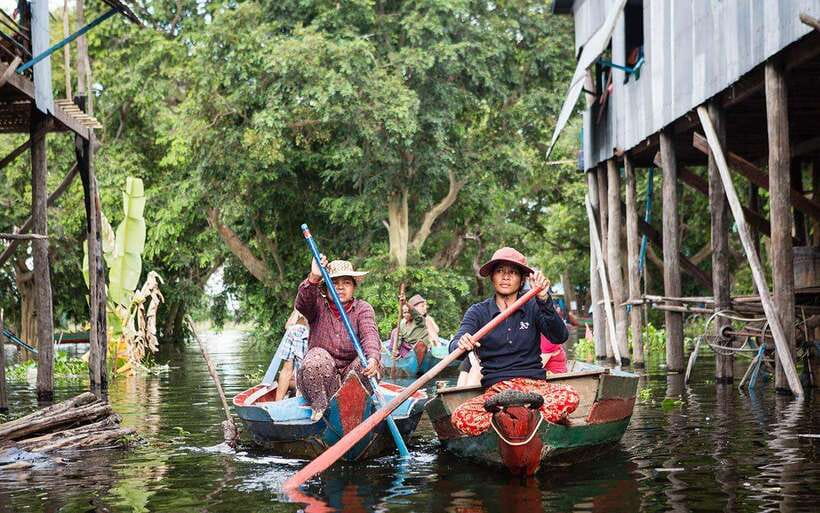
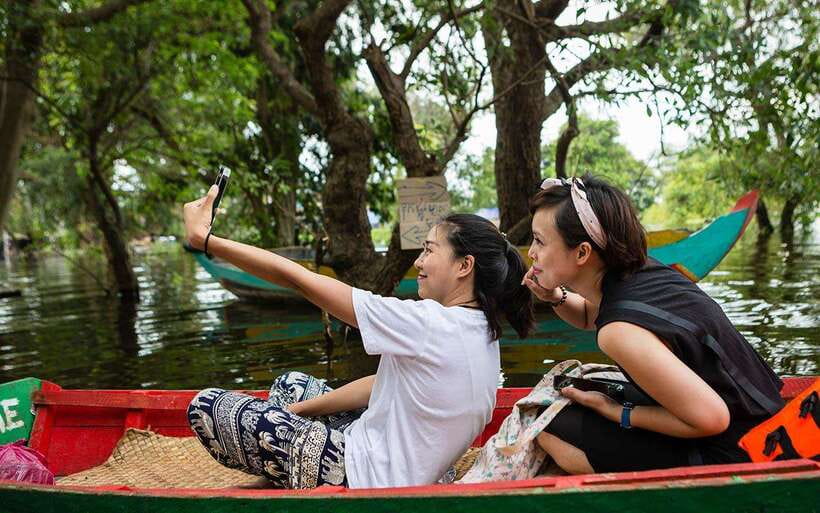
Here’s the optional piece that can make this tour feel like more than a normal day trip: a side-trip into a flooded forest by rowing boat (canoe). This is available roughly October to January, when the water level supports that kind of close-in route.
The extra cost is listed as USD 5 per person, separate from the main package. When water is high, this part is the closest you’ll get to the idea of moving through the forest itself rather than just riding by it. You’ll also see houses and daily life from angles that the motorboat route can’t reach.
If you’re considering it, the best rule is seasonal logic. In dry season, the flooded forest option won’t be available in the same way, and the main cruising still works well. In rainy season, though, it’s usually the moment that turns “interesting” into “wow, I get it now.”


Price and value: what $24 really buys you
At $24 per person for a 6-hour half-day tour, the value comes from what’s included—not just the destination. You get hotel pickup and drop-off in Siem Reap, transportation by a high-quality air-conditioned vehicle, cold bottled water, and cold face towels. That sounds like small comfort details, but on warm Cambodian days, those touches make a real difference.
You also get entrance fees covered for the included stops, plus a licensed driver and vehicle insurance/liability coverage. The motorized boat fee is included too, along with life jackets—so you’re not doing mental math every time you step into the next activity.
The tour includes an English-speaking guide in both shared and private options, and the group size is limited to 10 for the shared experience. That’s important for this type of trip because stilted villages and lake cruising require attention. A guide who keeps things organized helps you move smoothly from market to pagoda to boats without feeling herded.
Meals aren’t included, and you won’t get alcoholic drinks. So if you’re hungry at noon, budget for your own food breaks before you head out—or plan to eat after you return.
Pickup windows, timing, and what to pack in real life

This is a half-day tour with a real schedule, so show up early enough to avoid stress. Pickup can start roughly between 7:40 and 8:10 AM for a morning tour, with tours leaving the office at 8:30 AM sharp. For an afternoon tour, pickup begins about 1:40 to 2:10 PM, and tours leave at 2:30 PM sharp.
The morning version is described as returning around 1:30 PM for your own leisure time. The afternoon tour is timed around the later lake atmosphere, including the sunset-focused stop.
What to bring is refreshingly practical:
- hiking shoes (or anything with grip for uneven ground)
- sunscreen
- insect repellent
- cash
And keep in mind the rules: no pets, no smoking, and no luggage or large bags. The trip also runs in all weather conditions, so dress for sun or rain and expect the day to continue when it changes.
Who should book this Kompong Phluk tour (and who shouldn’t)
This tour works best if you’re comfortable with some walking and uneven surfaces. It’s not suitable for people with walking disabilities or wheelchair use, and it also isn’t a match for mobility challenges in general.
If you’re choosing the shared option, it’s not recommended for infants or kids under 12. That’s less about being strict and more about the nature of the day: time on boats, steps and surfaces around villages, and an overall schedule that needs everyone to keep up.
If you’re traveling solo, as a couple, or with a small group, the setup is a strong fit. The small-group limit helps you hear your guide and take photos without constant crowd interference, and the pace stays manageable.
Guide style: what makes the experience feel personal
A big reason people rate this tour so highly is the way the guide runs the story. Names you may see include Nara, Ry, Tola, Lok, Pip, Chenda, Photon, Phyrom Hoeum, and Ra. Across guides, the common thread is clear explanations of geography, culture, and village life, plus a relaxed style that doesn’t bulldoze your questions.
A few smart, real-life details show up in feedback too. Some guides provided umbrellas when rain showed up, and others brought raincoats so you could stay comfortable without turning the day into a washout. Communication quality also matters here, and some travelers noted WhatsApp coordination that helped them feel confident before pickup.
One balanced caution: pacing around sunset can vary. I’ve seen notes about long waiting time at the restaurant/floating cafe while the final boat moment toward the sun felt short. If you care more about maximum boat time than maximum sunset lounging, you might want to keep that trade-off in mind and bring your patience rather than your stopwatch.
Should you book Kompong Phluk Floating Village from Siem Reap?

I’d book this tour if you want a half-day that’s more than a photo stop. The combination of Ro Lus Market, a quick temple pass, stilted-house cruising by boat, and the lake ecosystem at Tonlé Sap gives you a coherent picture of how life ties to water.
Skip it if you need fully accessible movement, or if you’re traveling with very young kids and planned for the shared group setup. Also think twice if you hate waiting during sunset moments—this experience can be gentle and atmospheric, not tightly optimized for constant motion.
If you’re in rainy season (roughly October to January), seriously consider the optional flooded-forest rowing boat. That extra USD 5 per person can be the part that makes everything click.
Bottom line: for most visitors to Siem Reap, this is a strong use of a half-day. It’s well-run, it’s built around real local life, and it gives you views that are hard to replicate on your own.
FAQ
How long is the Kompong Phluk Floating Village half-day tour?
The tour is listed as 6 hours.
How much does it cost?
The price is listed at $24 per person.
What’s included in the tour price?
Included items are hotel pickup and drop-off, air-conditioned transportation, cold face towels and bottled water, entrance fees, a professional English-speaking guide, motorized boat fees, life jackets, and local taxes.
Is the flooded-forest rowing boat included?
No. The rowing boat/canoe side-trip through the flooded forest is optional and costs USD 5 per person. It’s available during the rainy season, roughly October to January.
What time does pickup happen?
Pickup starts from 7:40 to 8:10 AM for the morning tour (with tours leaving the office at 8:30 AM sharp) or from 1:40 to 2:10 PM for the afternoon tour (with tours leaving at 2:30 PM sharp).
What should I bring?
Bring hiking shoes, sunscreen, insect repellent, and cash.