REVIEW · CHIANG MAI
Chiang Mai: 2-Day Jungle Trek with Elephant Farm & Raft Ride
Book on GetYourGuide →Operated by Chiang Mai Footsteps Travel · Bookable on GetYourGuide
Mud on your boots, elephants in the jungle. You hike from rice fields into bamboo forests, sleep with the Karen Hill tribe, then float the Mae Wang River on a bamboo raft. It is a full Northern Thailand nature-and-people mix, not a checklist tour.
I love the Karen Hill tribe overnight for how human-scale it feels, and I love the bamboo rafting stretch for its calm, easy rhythm after a day of trekking. One thing to consider: this is a real hike. Uphill sections can be tough in heat and rain, and the overnight setup is basic, so evenings can feel chilly.
In This Review
- Key things that make this trek worth your time
- Starting in Chiang Mai’s old town, then straight into local life
- Mae Wang River bamboo rafting: the calm break you didn’t know you needed
- Waterfall hike and picnic: where you’ll get wet and earn lunch
- Karen Hill tribe village overnight: the cultural highlight, not just a photo stop
- Ethical elephant sanctuary in the jungle: hands-on, so choose your comfort level
- Day two: breakfast, a second forest walk, and a return around 4:30 pm
- Guides and food: why the small-group vibe matters
- Price and value: does $97 feel fair for two days?
- Practical packing and smart clothing choices for Chiang Mai jungle days
- Who should book this trek, and who should skip it
- Should you book the Chiang Mai 2-day jungle trek with elephants and rafting?
- FAQ
- How long is the tour, and when do pickups happen?
- What is the meeting point in Chiang Mai?
- What’s included in the tour price?
- Is riding elephants part of this experience?
- Does the tour provide drinking water?
- What group size should I expect?
- What languages are the guides?
Key things that make this trek worth your time
- Karen Hill tribe overnight with dinner, and campfire evening vibes instead of a hotel stop
- Mae Wang River bamboo rafting as a quiet reset between forest climbs
- Waterfall picnic and a swim during the trek, when conditions allow
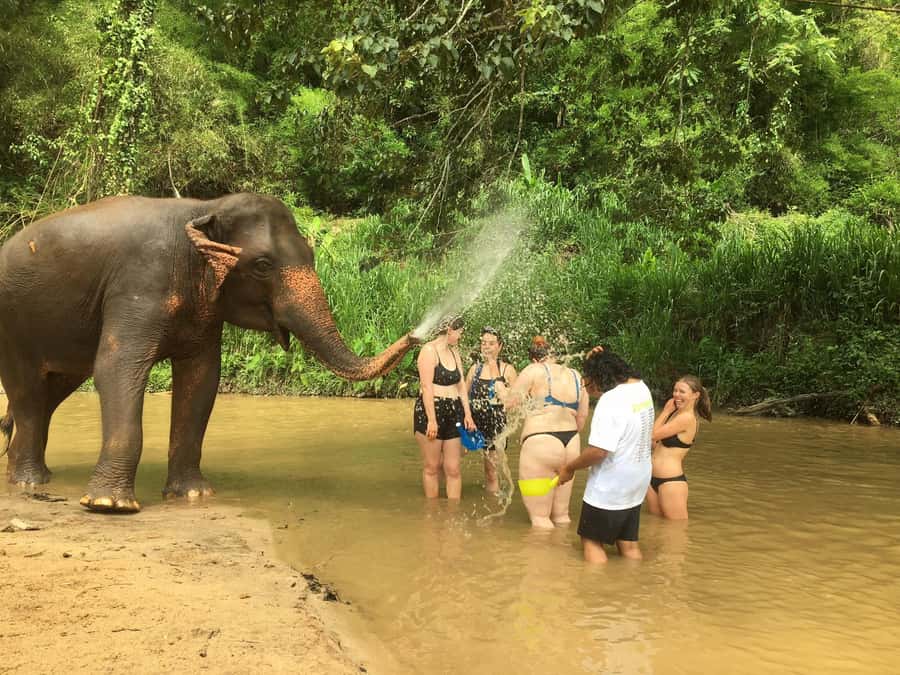
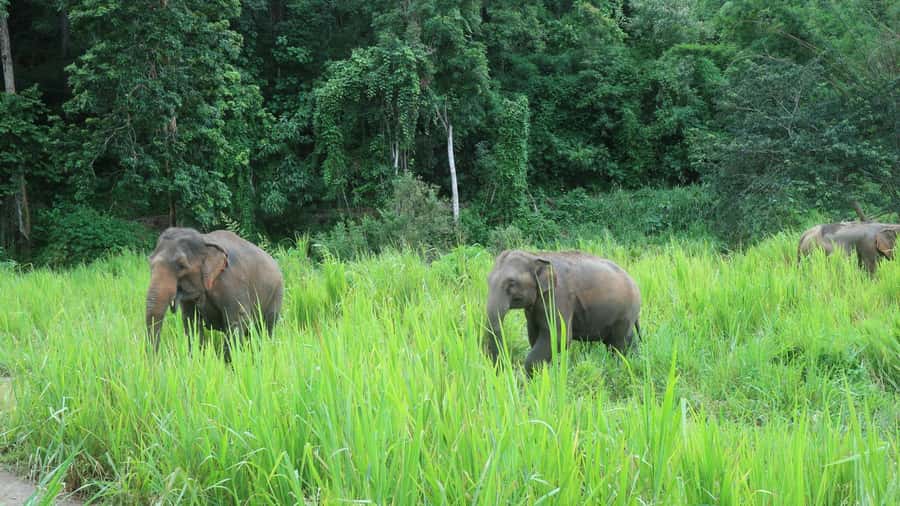
- Ethical elephant sanctuary visit focused on rescued elephants, with feeding and bathing
- Small group size (max 12) plus guides who help keep the pace steady
- All meals included (2 lunches, 1 dinner, 1 breakfast), which makes the $97 price feel fair
Starting in Chiang Mai’s old town, then straight into local life
This trek doesn’t start with a bus and a lecture. It starts in Chiang Mai’s old town area, with pickup if you choose it, and a short ride to a local market where you can see what people buy for daily cooking. You’ll walk through stalls of fresh produce and regional snacks with your guide, and you get a feel for the rhythm of Northern Thai food.
This first stop matters more than it sounds. It helps you shift from city mode to countryside mode. By the time you’re moving again, you’re already thinking about meals, herbs, and simple ingredients rather than just ticking off activities.
One practical note: the tour includes transport by van or songthaew, and the meeting point is Baan Meesuk. If you’re staying elsewhere, I’d double-check your pickup timing window so you’re not racing the morning.
You can also read our reviews of more tours and experiences in Chiang Mai.


Mae Wang River bamboo rafting: the calm break you didn’t know you needed
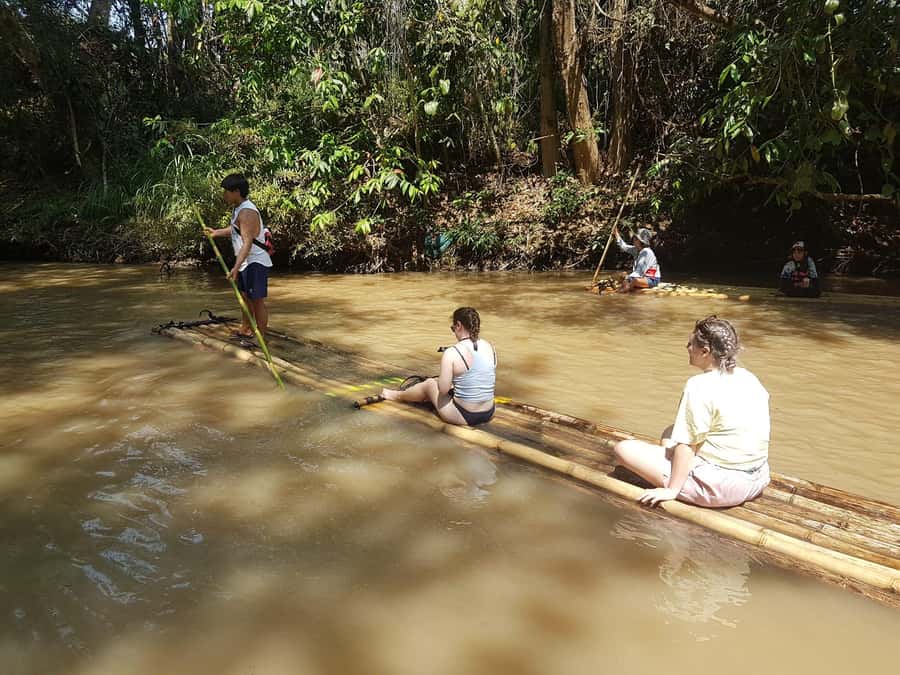
After the market, the plan turns gentle with bamboo rafting on the Mae Wang River. The ride is about 40 minutes down calm water, and it’s one of the best palate cleansers in the whole experience. You spend the time in sleeves-and-long-pants comfort (sun and mosquitoes are real here), with a slow view of riverbank trees and sky.
Why I like this segment for your trip: it gives your legs a breather before the hike gets more physical. It also helps break up the day so you don’t feel like you’re constantly climbing. If you tend to get grumpy when plans are rushed, this part usually fixes that.
If rain shows up, the day’s schedule can change. Bamboo rafting depends on conditions, and the operator notes weather can affect the itinerary. So think of this as a highlight, but also as something that may shorten if the river is rougher than expected.
Waterfall hike and picnic: where you’ll get wet and earn lunch
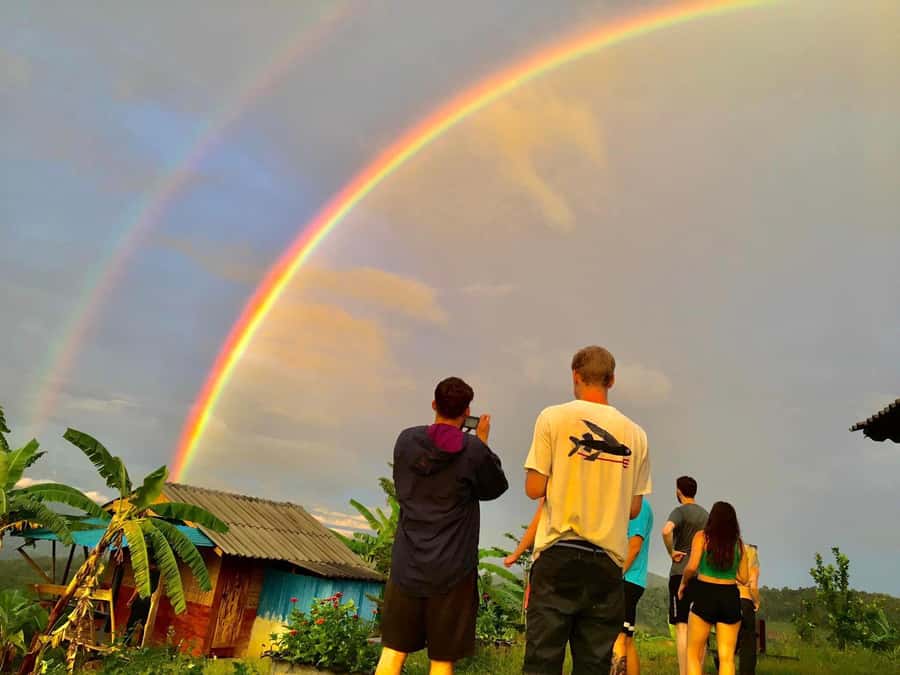
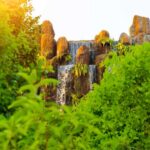
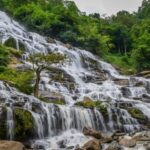
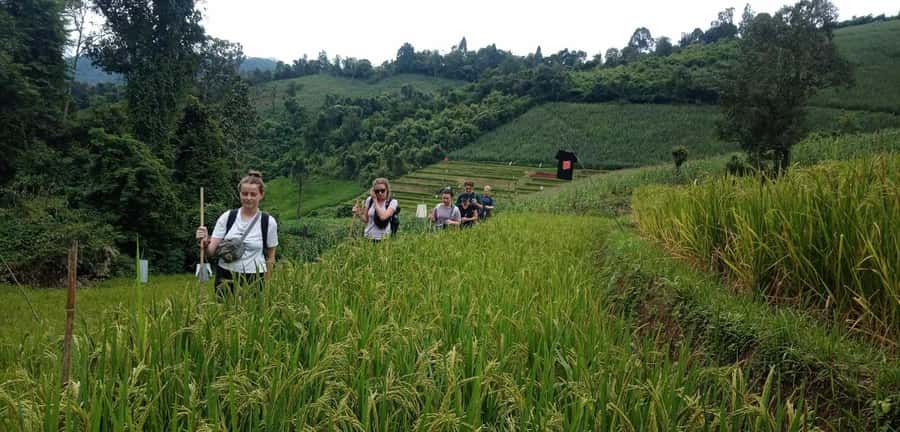
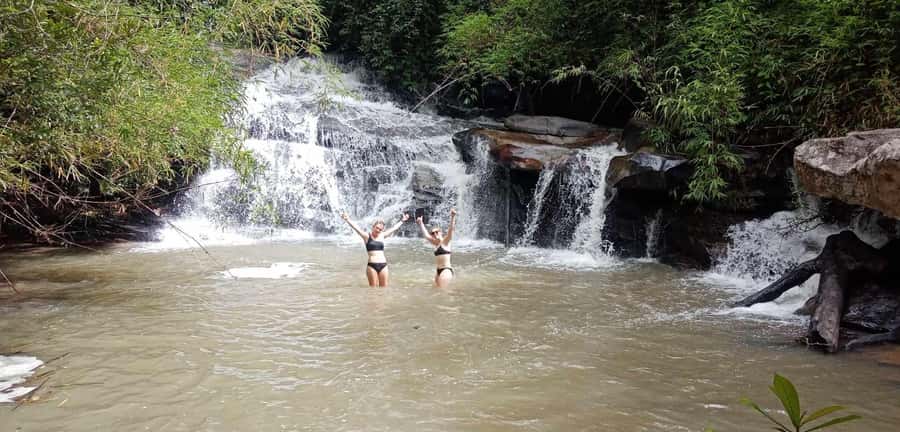
Once the rafting ends, the trek gears up. You head toward a jungle waterfall, hiking through mixed forest and rice-field terrain for around two hours. The waterfall is the payoff: you get a picnic lunch at a quieter jungle spot, and there’s time to cool off in the water.
This is the part where you learn what kind of trip you booked. If you pack for weather and wear shoes that handle uneven ground, you’ll enjoy it. If you wear flimsy footwear or assume it’s like a city walk, it can turn annoying fast.
Practical stuff that helps:
- Bring a towel and swimwear, because you’ll want to actually use the water time.
- Wear hiking shoes (or at least shoes with grip), especially if it’s been raining.
- Long sleeves and long pants matter earlier than you think for both sun and mosquitoes.
Karen Hill tribe village overnight: the cultural highlight, not just a photo stop
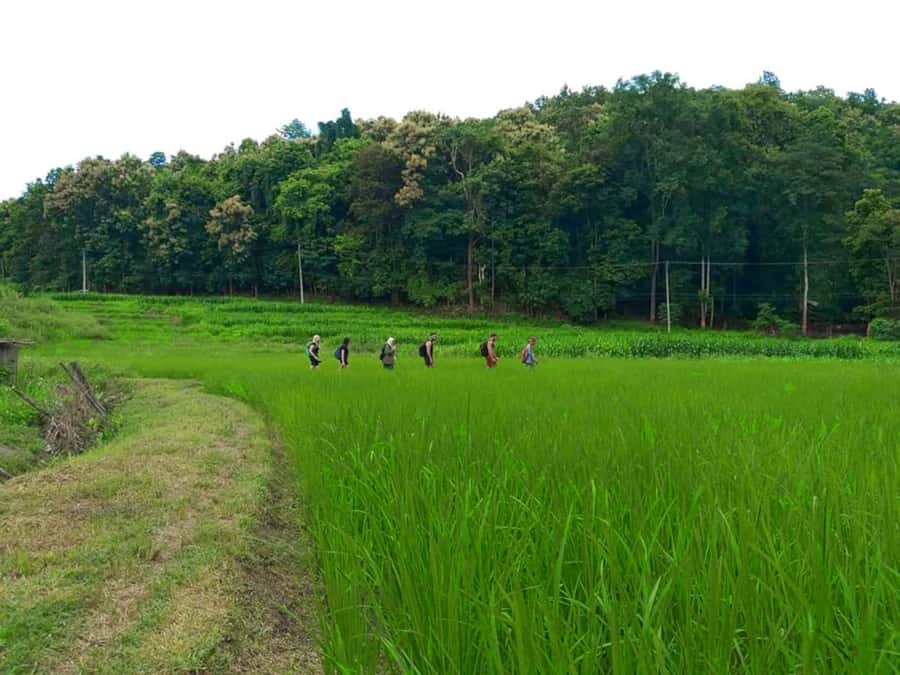
The overnight stay is the heart of this tour for many people. After your waterfall break, the hike continues uphill for about two hours to the Karen Hill tribe village. Then you settle in for dinner and a campfire or small party under the stars.
This is where the trip stops being a nature day and becomes a people day. You’re not just viewing culture from the roadside. You’re eating what the village cooks, learning about daily life, and spending evening time in a setting that feels small and personal.
Expect comfort to be realistic. This is basic accommodation for a one-night stay, and it can get cold after dark. Mosquito nets are part of the experience in at least some setups, which helps, but I’d plan for cooler night air and pack accordingly. A jacket is on your bring list for a reason.
Also, the food is a big part of why people rate this tour highly. You’re not buying snacks between stops. You’re eating meals included in the price, and you’ll likely get a mix of local Thai dishes plus tea.
Ethical elephant sanctuary in the jungle: hands-on, so choose your comfort level
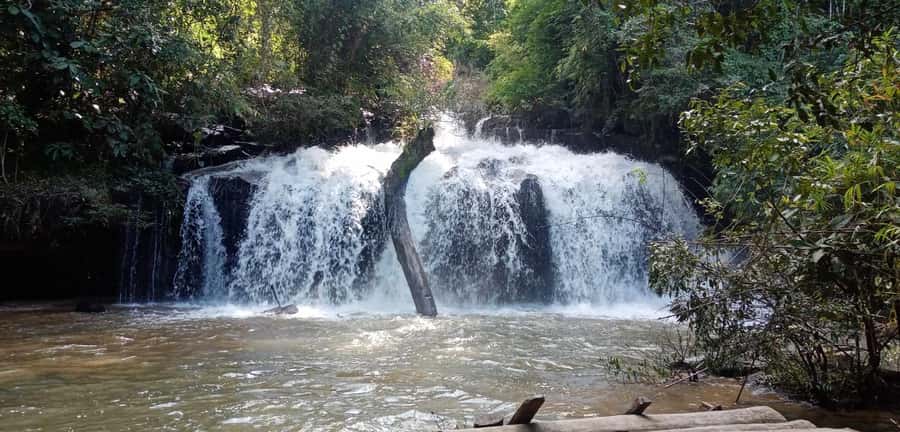
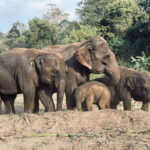
The second day includes a trek to an ethical elephant sanctuary. You’ll be walking for about two hours before you reach the sanctuary area where rescued elephants live.
Here’s what you can expect based on the tour description:
- You get to feed and bathe elephants in a respectful, sanctuary setting.
- The elephants are presented as rescued animals rather than entertainment props.
- Riding elephants is not allowed on this tour.
That last point is important. Even if you’re excited to see elephants, you’re opting out of the most harmful kind of tourist interaction. Still, feeding and bathing are hands-on activities. I’d only book this if you’re okay being physically close to animals and participating in the routine in a way that feels respectful to you.
If you care about your guide’s approach, this is one of the moments where guide quality really matters. Across past groups, guides like Witoon, Moon, Sammy, Toon, Sami, and Quang have been praised for keeping the group calm and informed, and for answering questions in plain, practical terms.

Day two: breakfast, a second forest walk, and a return around 4:30 pm
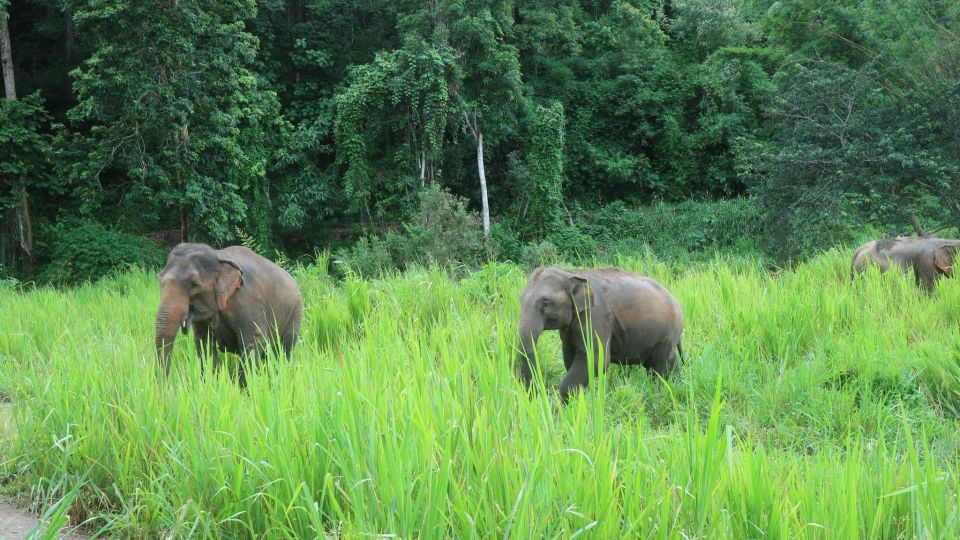
Day two begins with breakfast at the Karen village. Then you head back into the forest trek. You’ll reach the elephant sanctuary after about two hours on the trail.
Later, you’re driven back to Chiang Mai, with a return to your hotel around 4:30 pm. That means this isn’t a slow overnight drift. You’ll wake up, keep walking, have your elephant time, and still make it back to the city for an evening meal or a shower that feels like heaven.
Two timing tips for your day:
- Don’t plan anything important right after you return. You’ll be tired in a good way, but your body will still want downtime.
- Wear your breathable gear again. You’ll be moving, and humidity can creep up even when the morning feels cool.
Guides and food: why the small-group vibe matters
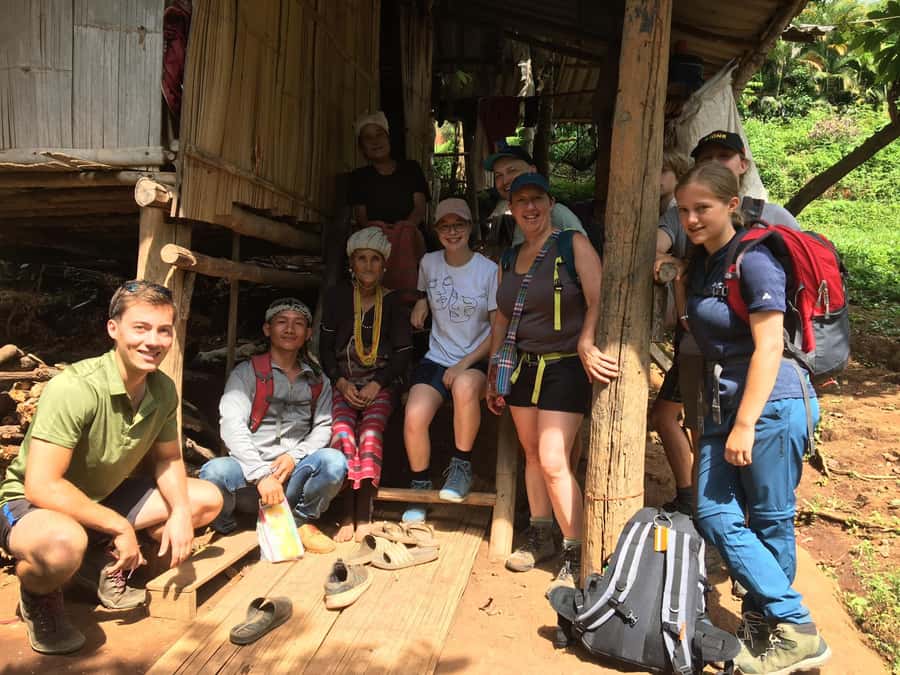
This tour caps at 12 participants, and it feels that way. With a smaller group, your guide can keep an eye on everyone’s pace and needs, especially on uphill sections and in rainy conditions. Some groups get extra helpful attention if someone needs assistance.
Food is another reason this trip earns strong ratings. You get two lunches, one dinner, and one breakfast included. In the village, dinner and campfire time add a sense of occasion rather than just filling stomachs. In practical terms, it also means you won’t burn your budget buying meals every few hours.
Photo help can be a nice bonus too. In past groups, guides such as Witoon have helped by taking photos and sharing them afterward on WhatsApp. That’s not the main reason to book, but it’s a real convenience when you’re hiking and don’t want to fumble with your camera.
Price and value: does $97 feel fair for two days?
At $97 per person for two days, this is priced like a budget-friendly adventure, not a luxury retreat. The value comes from three things you don’t always get together at this price point:
- Guiding plus transport (pickup/drop-off and van or songthaew transfers)
- Multiple paid experiences bundled in (market visit, bamboo rafting, jungle trek, waterfall time, and elephant sanctuary visit)
- Meals and basic overnight accommodation included
If you were to book these separately, you’d likely spend more once you add guides, entry-style activities, and meals. The best value is for people who want a structured plan and don’t want to manage logistics after a day of walking.
Where the math gets personal: if you’re the type who loves comfort above all and wants short strolls, you might feel like the price is less justified. This trip has effort built in.
Practical packing and smart clothing choices for Chiang Mai jungle days
Bring the items listed, but I’ll translate them into real use:
- Hiking shoes: you’ll be on uneven ground and sometimes wet paths.
- Long pants and long sleeves: sun protection and mosquito protection in one.
- Insect repellent: don’t rely only on clothing.
- Swimwear + towel: for the waterfall swim.
- Change of clothes: you’ll want dry clothes later.
- Rain gear: weather can shift quickly, and the trek can keep going with adjustments.
- Daypack: for water, snacks, and dry bags.
- Jacket: nights at the village can feel chilly.
- Sunglasses and sunscreen: the sun can still punch through even when you think it looks shady.
Also, you should know what’s not allowed. Riding animals is off the table, and the tour is designed around trekking, sanctuary interaction, and rafting.
Who should book this trek, and who should skip it
This experience is best for you if you:
- Like real walking and don’t mind uphill.
- Want nature and people in the same itinerary.
- Prefer small-group guiding and included meals.
- Care about an elephant interaction framed around rescued elephants and sanctuary rules.
It’s not a good match if you have mobility limits, vertigo, heart or respiratory issues, epilepsy, low fitness, or you’re pregnant. The tour is also not suitable for babies under 1 year and children under 2 years.
If you’re on the fence because you worry about difficulty: go in with a slow-and-steady mindset. Many guides handle pace well in small groups, but the physical nature of the trek is still the trek.
Should you book the Chiang Mai 2-day jungle trek with elephants and rafting?
I’d book it if you want a two-day slice of Northern Thailand that feels grounded in daily life: market food, bamboo rafting calm, waterfall water time, a Karen village overnight, and rescued elephant sanctuary interaction.
I wouldn’t book it if you’re looking for a light stroll with guaranteed comfort. This is an outdoors plan with ups and downs, basic village sleeping, and conditions that can change with weather.
If you do book, read the packing list like it’s your personal checklist for happiness. Bring the right shoes, plan for getting wet, and come with curiosity about the Karen community and the sanctuary rules. That mindset is what turns this into a story you’ll still remember after the mud dries.
FAQ
How long is the tour, and when do pickups happen?
The tour runs for 2 days. Pickup is optional, and if you choose it, pickup is between 9:00 AM and 9:30 AM. You return to Chiang Mai at around 4:30 PM on the second day.
What is the meeting point in Chiang Mai?
The meeting point is Baan Meesuk, an hotel/hostel in Chiang Mai old town.
What’s included in the tour price?
The tour includes hotel pickup and drop-off, round-trip transport by songthaew or van, a guide, market visit, jungle trek, all meals (2 lunches, 1 dinner, and 1 breakfast), basic 1-night accommodation, the elephant sanctuary visit, and bamboo rafting.
Is riding elephants part of this experience?
No. Riding the animals is not allowed on this tour.
Does the tour provide drinking water?
No. Drinking water is not included.
What group size should I expect?
It’s a small group limited to 12 participants.
What languages are the guides?
The live tour guide speaks English and Thai.