REVIEW · KYOTO
Kyoto: Kendo and Samurai Experience with Uniform and Gear
Book on GetYourGuide →Operated by Kendo Experience · Bookable on GetYourGuide
That first step into a dojo feels different. This is a hands-on kendo and sword experience in a Kyoto machiya over a century old, where you learn the moves and the manners, not just poses.
What I really like is how much of it is practical: you dress in full training gear and handle safe, well-controlled training swords. The other big win is the instruction in English, led by an instructor with real kendo background who explains the why behind the movements.
One consideration: the location is in a quieter residential area, so you’ll want to plan your arrival time (and use a taxi if you’re unsure). Winter can also mean a chilly dojo, so pack accordingly.
In This Review
- Key Points at a Glance
- A Kyoto Machiya Dojo Where You Actually Train
- Suits Up: Uniform, Shoes, and the Gear Ritual
- Safety First: Etiquette, Posture, and Sword Handling Basics
- Your First Cuts and Blocks with Bamboo or Foam Training Swords
- Footwork, Pair Practice, and That Friendly Sparring Finish
- Samurai Mindset and Kendo History in Plain English
- Photos and Videos: Take the Look Home
- Price, What’s Included, and What to Budget for
- Getting There and Staying Warm in the Dojo
- Who This Experience Is Best For
- Should You Book This Kyoto Samurai Kendo Workshop?
- FAQ
- Is the instruction offered in English?
- How long is the Kyoto kendo and samurai experience?
- What gear is included in the price?
- Do I need my own sword?
- Where do I meet the group?
- Who can participate?
- Can I cancel or change plans?
Key Points at a Glance
- A 120+ year Kyoto machiya dojo gives the training a real sense of place
- Full uniform and gear are provided so you can focus on learning
- English instruction from the sensei (often referred to as Taka-san / Takato)
- Practice uses safe training swords such as bamboo, foam, or replicas
- You get photos and videos while fully suited up
- A fun, sparring-style finish helps everything click, even if you’re a beginner
A Kyoto Machiya Dojo Where You Actually Train
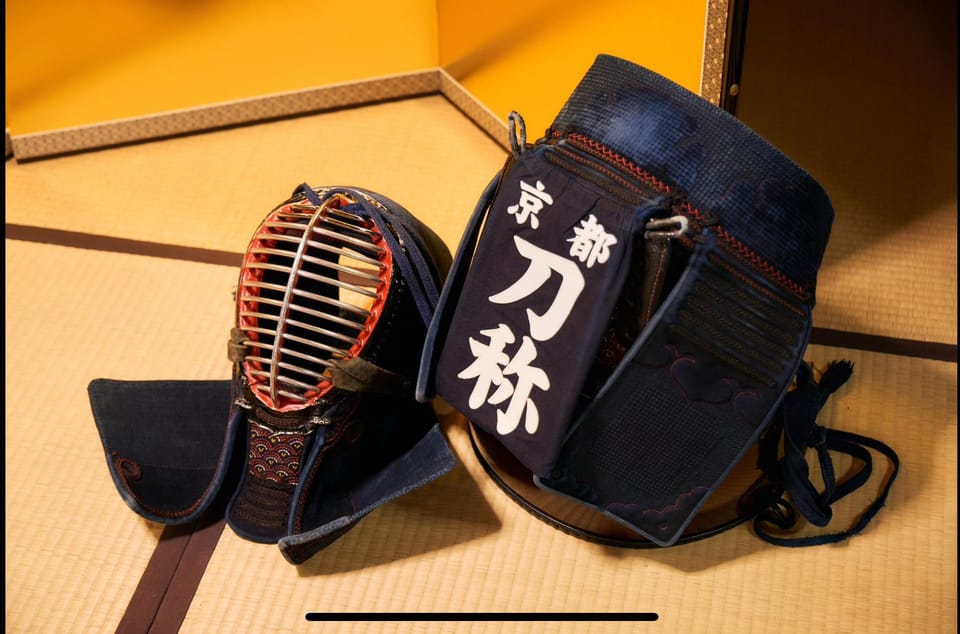
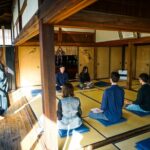
This experience isn’t built like a stage show. You start in an old Japanese house setup, then you move into training mode in a real dojo space inside a traditional Kyoto machiya that’s over 100 years old. That matters because the room changes your pace. You stand differently. You pay attention to space and timing. Even basic movements feel more serious when the building itself looks like it’s seen generations of practice.
You’re not just “learning about samurai.” You’re doing the kendo rhythm: guard, posture, footwork, controlled strikes, and partner practice. And you’re doing it with a guide who keeps the tone friendly but focused.
If you want a Kyoto activity that feels like something you can’t easily fake in another country, this is the kind of workshop that does that.
You can also read our reviews of more tours and experiences in Kyoto.
Suits Up: Uniform, Shoes, and the Gear Ritual
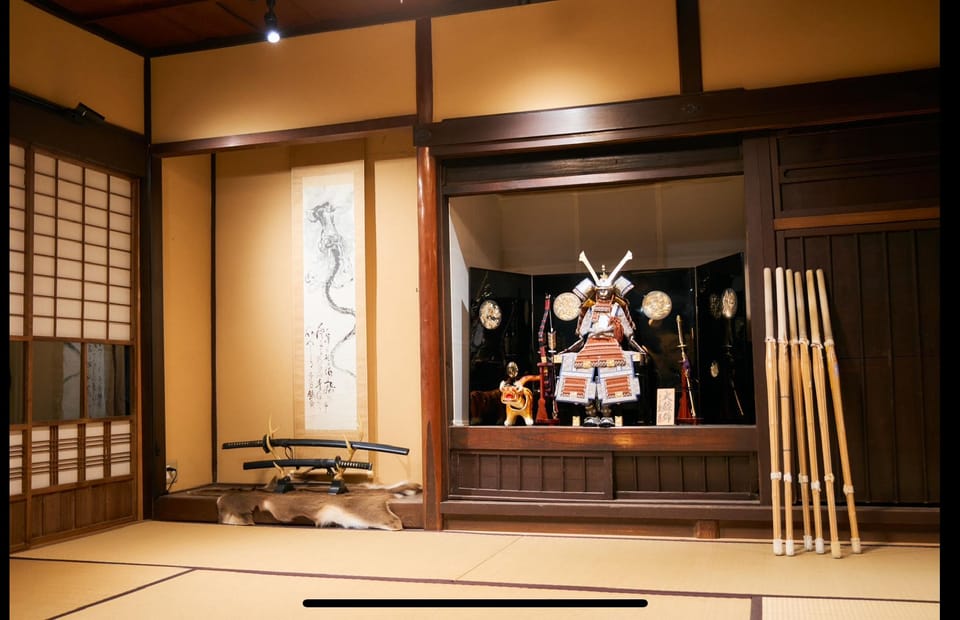
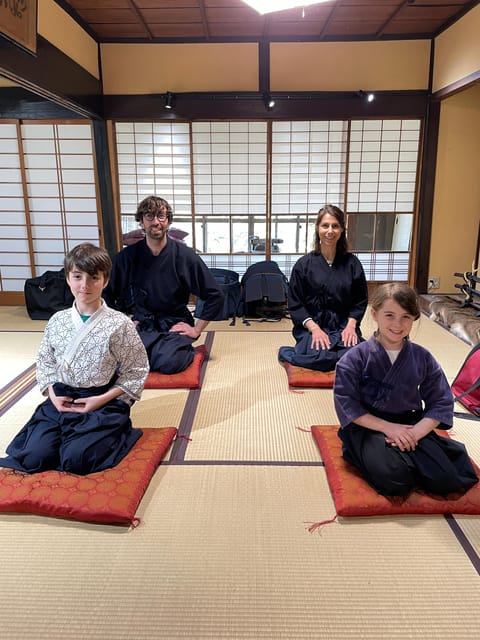
The session starts with a simple-but-important idea: you change clothes first. High-quality training attire and the full set of gear are provided, including shoes. The instructor guides you step-by-step, so you don’t spend your time wrestling straps and wondering if you’re doing it wrong.
I like this approach because it’s part of the lesson. In kendo, how you wear the uniform and how you prepare your body are tied to etiquette and safety. Once you’re in the gear, you naturally slow down and pay attention to how your stance should feel.
You should also note the included items list: you get instruction, uniform rental, equipment rental, shoe rental, and gear rental. That’s good value because it removes the usual “do I need to bring something?” stress.
Safety First: Etiquette, Posture, and Sword Handling Basics
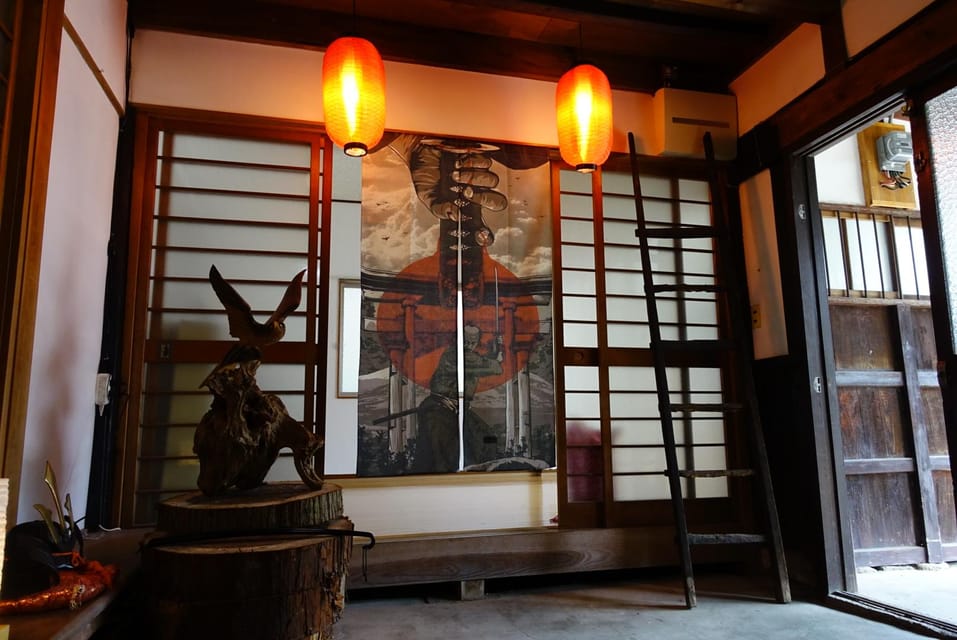
Before anyone swings, you get a safety briefing. You’ll learn how to move with the sword without turning it into a chaotic playground. You also get instruction on basic etiquette—how to behave in the dojo, how to prepare, and how to treat training tools with respect.
I especially like that the format works even if you’ve never touched a sword before. The instructor typically explains what you’re doing as you do it, and you’re corrected with care rather than rushed.
During this phase, you practice the fundamentals:
- proper grip and posture
- basic movements for striking and blocking
- how to keep distance and control your spacing
This is where beginners get the most value. If you’re paying for a short 2-hour workshop, you want the first half to quickly build a “safe and correct” foundation. This one does that.
Your First Cuts and Blocks with Bamboo or Foam Training Swords
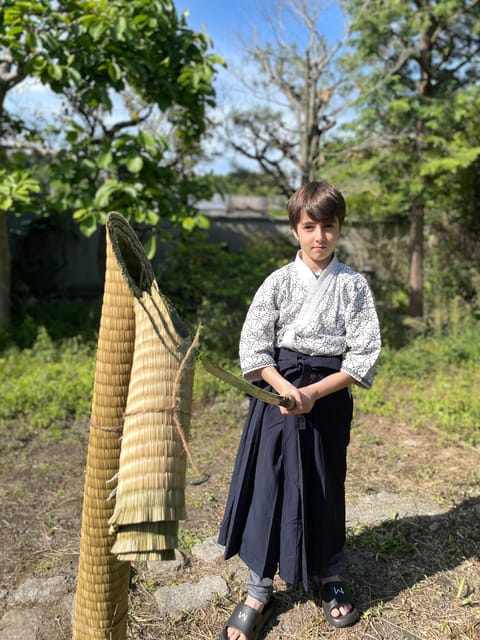
You won’t be handed a live blade. The experience uses safe yet authentic-feeling training swords, which can include bamboo swords, foam swords, or refined replica blades depending on the setup that day.
That setup is smart for two reasons:
1) It lets you focus on form instead of fear.
2) It keeps the class moving while staying responsible.
You’ll practice graceful, controlled techniques like strikes and blocks. The goal isn’t to look cool for photos. It’s to understand where the motion comes from—stance, shoulders, arms, and timing—so your sword work looks deliberate rather than random.
One detail worth knowing: some elements associated with traditional dojo play aren’t performed. For example, cutting tatami mats is noted as not happening anymore. So if your mental image includes cutting games, adjust expectations now and you’ll enjoy the class more.
Footwork, Pair Practice, and That Friendly Sparring Finish
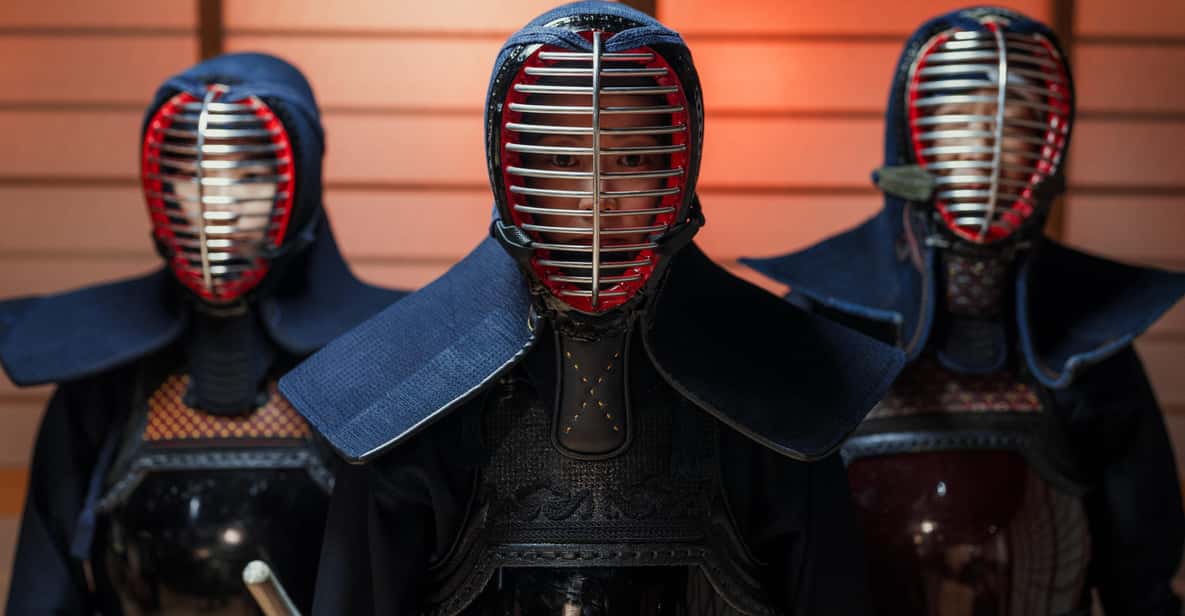
A key part of this experience is doing the movements with someone else. You practice against a partner using the training swords and gear you’re wearing. That’s usually where the workshop goes from educational to satisfying.
You’ll also experience a sparring-style segment at the end. Many people describe it as a fun competition or match finish, using foam katanas in particular. The vibe stays safe and structured, but it gives you a real feel for distance control and reaction.
Even if you’re not “good at sports,” pair practice is manageable here because you’re not expected to perform like a martial arts movie hero. You’re expected to try, listen, and keep your form safe.
If you like interactive activities with a finish line, this part is the payoff.



Samurai Mindset and Kendo History in Plain English
The workshop doesn’t stop at motion. You’re also guided through the philosophy and history behind samurai culture and kendo. The sensei is often described as explaining the background in a way that feels meaningful but not overwhelming, so it adds depth without turning the session into a lecture.
I like that the cultural talk is threaded into what you’re doing. When you learn etiquette first, then practice sword handling, the history stops being random facts and becomes part of the reasoning behind the rules you follow in the dojo.
You might also hear colorful details about the sword path and the values behind it—discipline, respect, self-control. That’s the stuff you can carry with you after you change out of your uniform and head back into Kyoto’s streets.
Photos and Videos: Take the Look Home
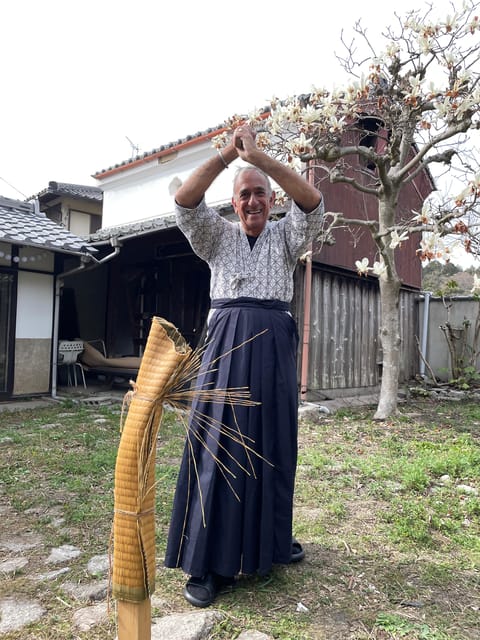
Yes, you’ll get photos and videos, and they’re a real part of the value.
Once you’re fully suited up, the instructor helps with a photo and video session so you can capture the look in a way that feels cinematic rather than awkward. Since the workshop is only 2 hours, this matters. You don’t want to spend the best part of your Kyoto day fading into the background while everyone else takes pictures.
If you care about getting a high-quality travel memory that isn’t just a selfie in a souvenir shop, this is a practical add-on.
Price, What’s Included, and What to Budget for
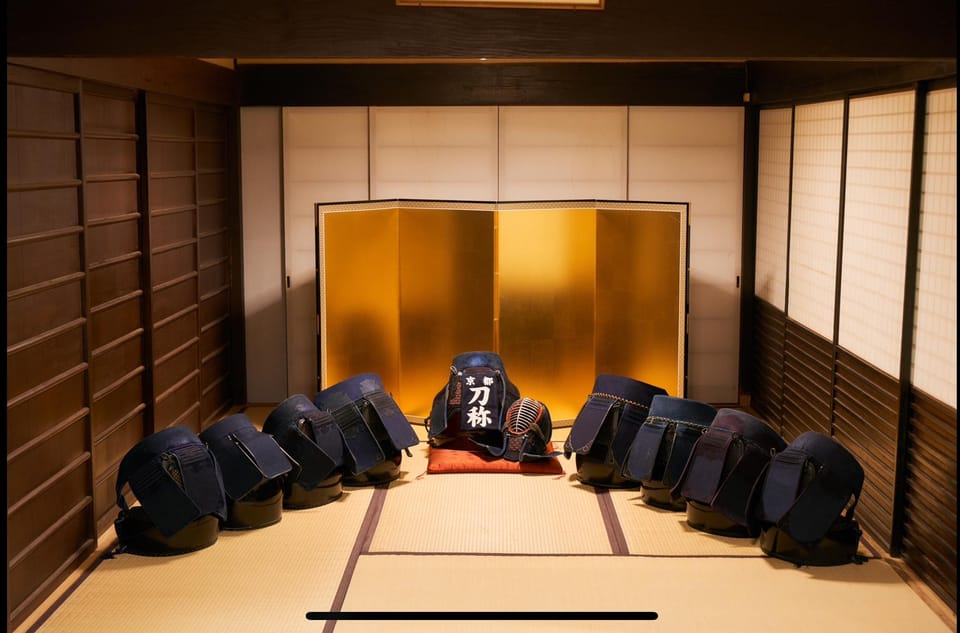
At $103 per person for 2 hours, this isn’t the cheapest “try something once” activity in Kyoto. But it’s also not overpriced for what you get.
Here’s the value math that actually matters:
- You pay for instruction (not just gear drop-off)
- You get full uniform and multiple gear rentals, including shoes
- You’re provided safe training equipment for practice
- You receive photos and videos
- The setting is not generic. Training happens in a long-standing machiya dojo space
You’re also not expected to supply anything, which saves you the hassle and cost of buying or renting separate items. The only extra cost that shows up is optional: replica swords are available for purchase, but they’re not included.
So if you’re the type who likes active experiences with real coaching, this price can feel fair. If you only want photos and a quick costume moment, you may feel it’s more training-focused than you expected.
Getting There and Staying Warm in the Dojo
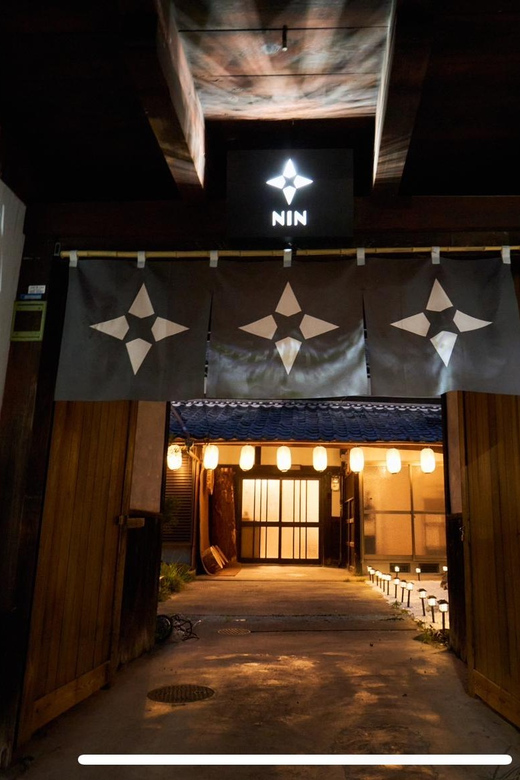
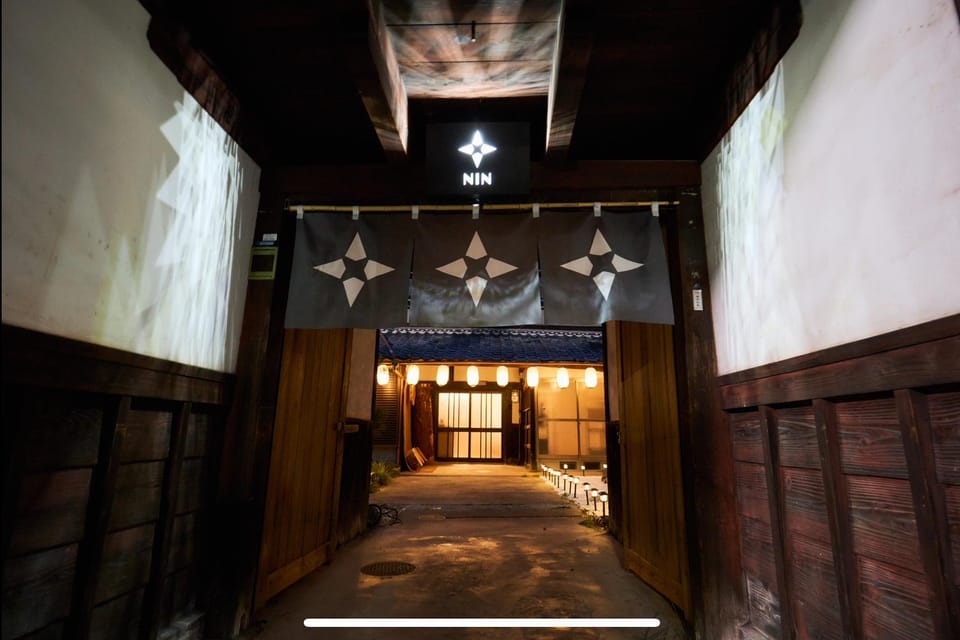
Your meeting point is an old Japanese house with a large gate. Because it’s in a residential-feeling area, you should plan travel time carefully. Some people recommend taking a taxi from the station rather than trying to navigate on foot, especially if you’re arriving in a hurry.
Also, don’t ignore comfort. In colder months, the dojo can be chilly. A good base layer and warm socks can make a noticeable difference to how much you enjoy the session.
One more small practical tip: show up on time. The class runs on a tight schedule, and being late can disrupt the flow.
Who This Experience Is Best For
This is a great fit if:
- you want a hands-on Kyoto activity with a real instructor
- you like interactive learning (practice, partner work, sparring finish)
- you care about respectful dojo etiquette, not just action shots
- you want something different from temples and markets
It may not be your best choice if:
- you’re looking for a mostly sightseeing experience
- you’re traveling with very young children (it’s not suitable for children under 7)
- you want to drink before or during training (alcohol and drugs are not allowed)
It’s also a strong option for solo travelers because the format is structured: you’re guided step-by-step, and everyone gets a turn to practice.
Should You Book This Kyoto Samurai Kendo Workshop?
I’d book it if you want Kyoto with a pulse. This is one of those experiences where you leave with a skill you can describe, photos you’ll actually use, and a better understanding of what kendo is trying to teach beyond the sword.
But book it with the right mindset:
- Come to train, not just watch.
- Bring warm layers if you’re going in cooler weather.
- Plan your arrival so you’re not rushing at the last second.
If that sounds like your kind of travel day, this workshop is a high-impact use of time.
FAQ
Is the instruction offered in English?
Yes. The instructor provides instruction in English.
How long is the Kyoto kendo and samurai experience?
It lasts about 2 hours.
What gear is included in the price?
The experience includes instruction, uniform rental, equipment rental, shoe rental, and gear rental.
Do I need my own sword?
No. You’ll use the safe training swords provided during the session. Replica swords are available for purchase, but they are not included.
Where do I meet the group?
The meeting point is an old Japanese house with a large gate.
Who can participate?
It’s not suitable for children under 7 years old. Alcohol and drugs are not allowed.
Can I cancel or change plans?
Free cancellation is allowed up to 24 hours in advance for a full refund. There is also a reserve now & pay later option.