REVIEW · TOKYO
Matcha Making Class in Tokyo with Authentic Japanese Sweets Set
Book on Viator →Operated by Sushi Making Tokyo Cooking Class in Japan · Bookable on Viator
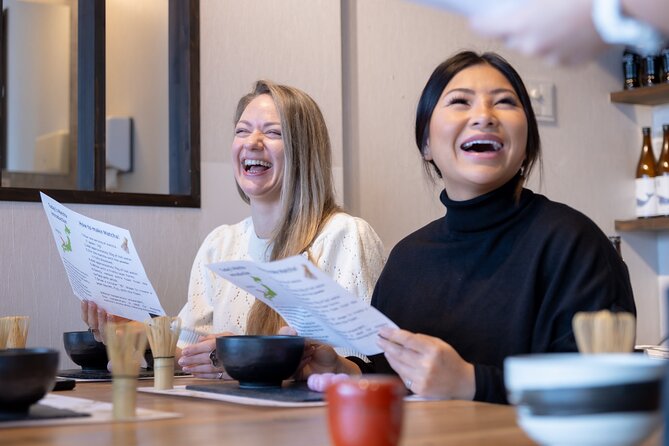
Matcha tastes different when you make it. In Asakusa, you learn ceremonial-style whisking step by step, then sip your own cup with seasonal Japanese sweets, guided in English by friendly hosts like Hiya and Shuri.
Asakusa also makes it feel old Tokyo, even though the class keeps things relaxed and practical.
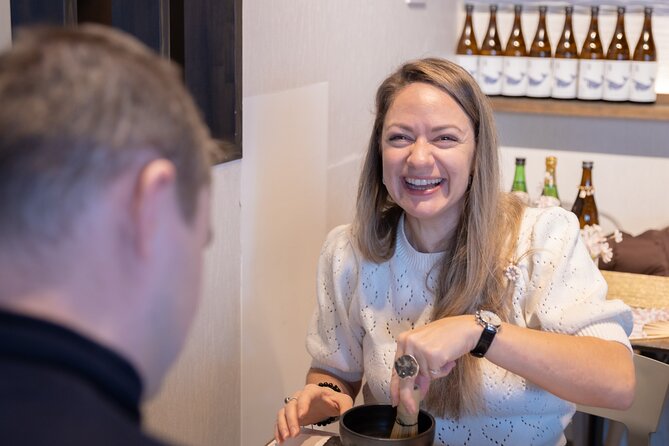
I especially love the hands-on coaching. Your instructor shows what to do, then you practice, with one-to-one help as needed. I also love that you learn real quality cues, like how to spot better matcha powder, not just how to whisk.
One small consideration: the whole thing is about 1 hour, so it is not trying to replace a long, formal tea ceremony.
In This Review
- Key highlights before you go
- Matcha in Asakusa: A short class that still feels meaningful
- Finding Matcha Making Tokyo near Kaminarimon (and why arriving early helps)
- What you learn: from matcha powder quality to whisking technique
- The cultural context: tea ceremony ideas without the pressure
- Seasonal Japanese sweets: why the pairing matters
- Making it yours: photos, traditional tools, and a calm finish
- One hour, max 30 people: timing and group feel
- Price and value: what $21.89 really buys you
- Who should book this matcha making class
- Should you book this Tokyo matcha workshop?
- FAQ
- How long is the matcha making class in Tokyo?
- What is included in the price?
- Do I need prior tea ceremony experience?
- Where do I meet the group?
- Is hotel pickup included?
- Is it easy to get to without a car?
- What ticket format do I get?
- What is the cancellation window?
- Is there a limit on group size?
Key highlights before you go
- English-speaking hosts guide you through every step, even if you are a first-timer
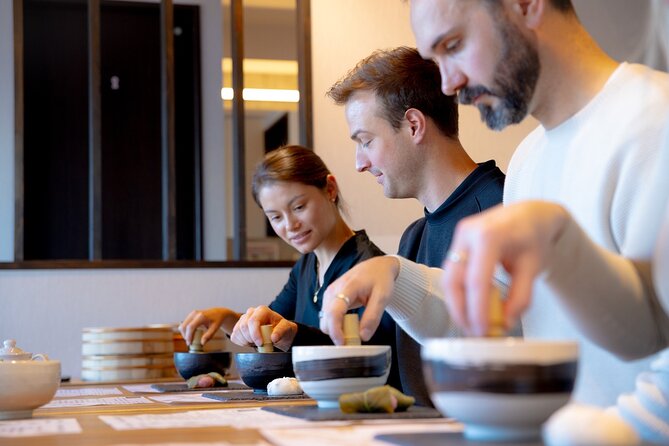
- Hands-on whisking with guidance as you make your own matcha
- Tips to spot good matcha powder so you know what you are tasting
- Seasonal Japanese sweets paired with your cup
- Relaxed, beginner-friendly vibe with cultural context (not stuffy)
- Easy Asakusa meetup near public transportation, with a calm café setting and photos
Matcha in Asakusa: A short class that still feels meaningful
If you’re trying to squeeze Tokyo into a tight schedule, this is a smart pick. You get something active to do, not just another museum stop. And because you leave having made (and tasted) your own matcha, it sticks in your memory longer than a typical food snack.
Asakusa also gives the setting. The neighborhood feels traditional, with that slightly slower pace that helps you actually pay attention to what you’re doing. You’re not racing around. You’re learning a skill that takes minutes to master and lasts the whole trip.
This class hits three things that matter:
- you learn the technique
- you understand what makes matcha special
- you taste it with sweets that match the moment
You can also read our reviews of more tours and experiences in Tokyo.
Finding Matcha Making Tokyo near Kaminarimon (and why arriving early helps)
You’ll meet at Matcha Making Tokyo | Cooking Class in Japan, 2-chōme-17-9 Kaminarimon, Taito City, Tokyo 111-0034. There’s no hotel pickup or drop-off, so you’ll rely on transit and your own feet.
Good news: it is near public transportation, and the experience uses a mobile ticket. That means less time hunting for paperwork and more time getting settled.
One practical trick: if you arrive early, plan to wait nearby inside the café space. People have been allowed to sit in a cozy café while they wait, which matters in Japan when weather or timing can shift. You’ll be able to start calm, not stressed.
Also, the class often runs in a quieter, upstairs nook inside the café. That layout can make the learning feel more personal and less like a school assembly. Some groups also mention a nice view along the river, so keep an eye out for the window seating if it’s available.
What you learn: from matcha powder quality to whisking technique
This is where the class earns its very high rating: you don’t just watch. You practice. The instruction is relaxed and beginner-friendly, but still specific.
You can expect a step-by-step lesson that covers:
- what matcha is and where it comes from
- how to handle the tools and ingredients correctly
- how to whisk so you get the right texture in the cup
A helpful detail is that the teaching often uses an iPad with pictures, including how matcha is grown. If you learn visually, that short set-up makes the whole lesson click fast. It also keeps the pace from turning into a lecture marathon.
Then comes the part you’ll repeat later at home. You’ll learn how to whisk in a way that creates that signature frothy surface. Even if you’ve made green tea before, matcha behaves differently because you’re drinking the ground leaf, not steeping it.
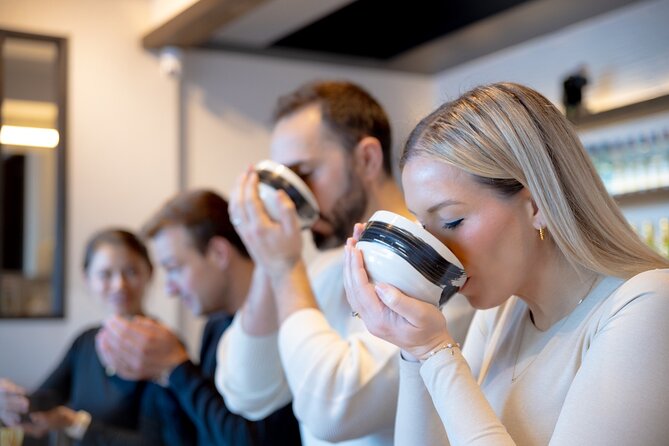
One more tip that really matters: you’ll learn how to spot high-quality matcha powder. The class isn’t just about following steps; it’s about recognizing what good looks like so you can buy better matcha later and not get stuck with something flat-tasting.
The cultural context: tea ceremony ideas without the pressure
Some tea experiences in Japan can feel formal, like you’re being tested. This one takes the important ideas from the tea tradition and delivers them in a way that works for visitors.
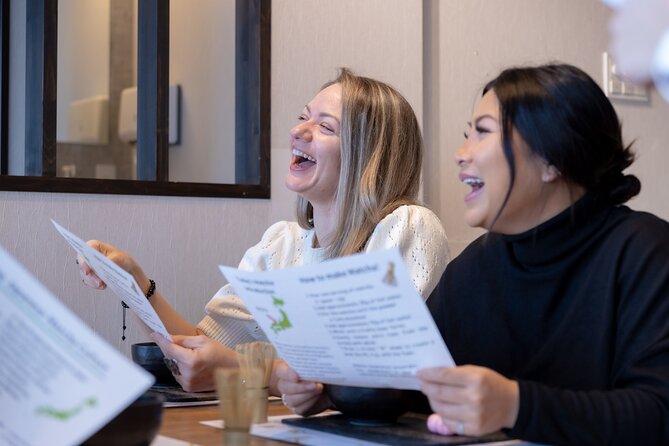
You’ll hear explanations about the cultural significance behind the ceremony, but it stays friendly. In particular, instructors like Nama and Rino are noted for being engaging and getting everyone involved, including kids.
That’s a big deal if you’re traveling with family. The class is described as working well even with children around 6 and 9, because the tone is interactive and the group stays engaged.
If you want a learning experience that feels authentic but not stiff, this approach fits. You can get the meaning without worrying about doing everything perfectly.
Seasonal Japanese sweets: why the pairing matters
You won’t just make matcha and walk away. You also enjoy a cup accompanied by traditional Japanese sweets.
That pairing is more than a snack. It teaches you something about balance:
- matcha has a rich, slightly vegetal taste
- sweets add sweetness and texture so the green flavor feels rounded, not harsh
People often point out that the matcha doesn’t come across as bitter, and that the sweets make the whole tasting feel complete. When you take notes in your head like this, you’re better prepared to recreate it later at home.
One simple way to use the sweets wisely: taste the matcha first, then take a small bite of sweet, then sip again. You’ll notice how the flavor shifts and why matcha is served with treats in many settings.


Making it yours: photos, traditional tools, and a calm finish
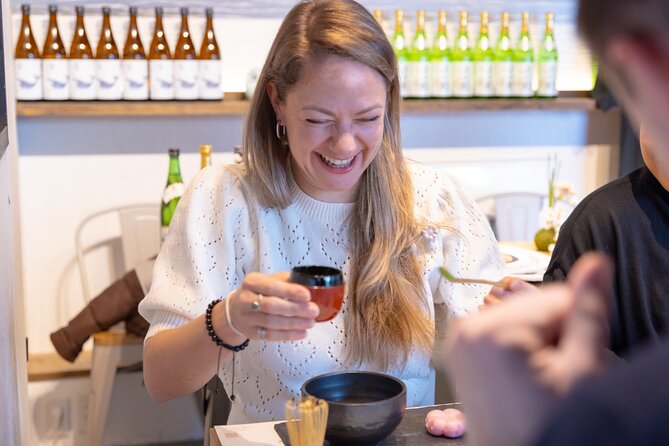
At the end, you’ll get time to enjoy what you made. You’re also encouraged to take photos. Some groups specifically mention getting help for a family photo, which is handy when you’re traveling with people and don’t want to play arm-tossing photographer all day.
You’ll also use traditional tools rather than modern gadgets. That part is practical: whisking with the right equipment is the difference between matcha that tastes good and matcha that looks right in the cup too.
The vibe tends to be relaxed. Even when the class is focused, it doesn’t feel like a timed exam. You’ll feel like you’re being shown and supported, not rushed.
One hour, max 30 people: timing and group feel
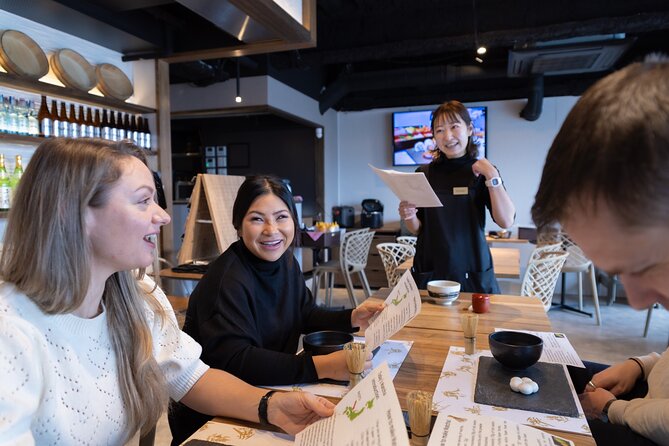
This activity runs about 1 hour. That’s ideal because it keeps the energy up and makes it easier to fit into a day of sightseeing in Asakusa.
The group size has a maximum of 30 travelers. In practice, many classes feel intimate—some visitors mention small groups like three people—so you’re more likely to get direct help when you need it.
Here’s how to think about the pace:
- Early minutes: introduction, matcha basics, how to handle tools
- Middle: hands-on whisking and guidance
- Final minutes: tasting with sweets and taking photos
If you’re a nervous first-timer, the short time window can actually help. You’re not trapped in something long and complicated. You learn, do it, then you’re done.
Price and value: what $21.89 really buys you
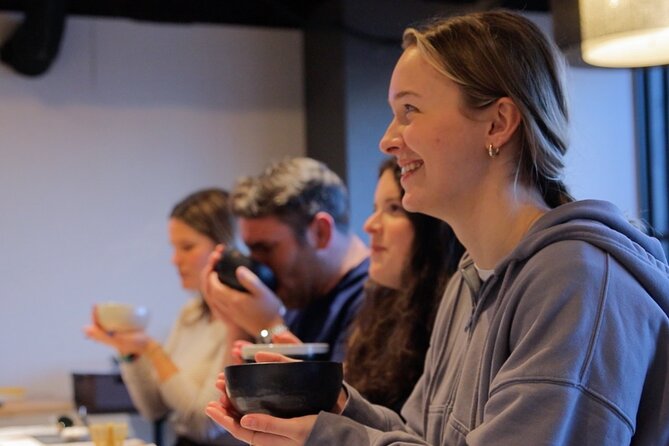
At $21.89 per person for about an hour, this is good value if you care about doing something hands-on.
Here’s what’s included:
- an English-speaking instructor
- matcha with Japanese sweets
Not included:
- hotel pickup/drop-off
The value math is simple. You’re paying for guided instruction plus the ingredients and the tasting experience. That’s different from buying a cup of matcha somewhere and hoping you figure out technique later.
Also, because it’s in Asakusa, you can pair it with other nearby sights without adding major transit time. Short classes like this often win on convenience: you spend money on learning, not on transportation.
If you’ve already spent your Tokyo days doing long guided tours, this is a nice change of pace—small cost, strong payoff.
Who should book this matcha making class
You’ll likely love it if:
- you are new to matcha and want a straightforward way to learn
- you want an authentic cultural activity that still feels relaxed
- you’re traveling with kids or family and want everyone involved
- you want something you can recreate at home, not just taste once
It also fits well if you like structure. The class is organized, and the step-by-step approach helps you follow along even if you’re not familiar with Japanese tea tools.
And if you’re the type who enjoys food details—like learning what makes matcha powder high quality—this class gives you language and technique, not vague “it tastes good” notes.
Should you book this Tokyo matcha workshop?
Yes, with a couple of conditions.
Book it if you want a short, hands-on experience with English instruction, traditional tools, and seasonal sweets in about an hour. It’s a strong choice for first-time matcha drinkers, families, and anyone who prefers practical cultural learning over strict formality.
Skip it only if you’re specifically chasing a long, full traditional tea ceremony format. This is more about learning the basics well and leaving with a cup you made yourself.
If your Tokyo plan needs one skill-based food moment in Asakusa, this class is an easy decision.
FAQ
How long is the matcha making class in Tokyo?
The class is about 1 hour (approx.).
What is included in the price?
It includes an English-speaking instructor and matcha served with Japanese sweets.
Do I need prior tea ceremony experience?
No prior matcha or tea ceremony experience is required.
Where do I meet the group?
You’ll meet at Matcha Making Tokyo | Cooking Class in Japan, 2-chōme-17-9 Kaminarimon, Taito City, Tokyo 111-0034, Japan.
Is hotel pickup included?
No. Hotel pickup and drop-off are not included.
Is it easy to get to without a car?
Yes, it’s near public transportation.
What ticket format do I get?
You’ll receive a mobile ticket.
What is the cancellation window?
Free cancellation is available up to 24 hours in advance for a full refund.
Is there a limit on group size?
Yes, the class has a maximum of 30 travelers.