REVIEW · TOKYO
Ramen & Gyoza Cooking Class in Tokyo with Local Supermarket Visit
Book on Viator →Operated by YUCa's Japanese Cooking · Bookable on Viator
Tokyo smells amazing after ramen class.
This ramen and gyoza cooking class is interesting because it combines a short home-cooking lecture, hands-on meal prep, and (optionally) a local supermarket tour. You’ll learn how to make a noodle soup and dumplings in a real Japanese kitchen setup, not a showy studio.
I like the small group size (max 7) and the friendly, teachable pace with YUCa, so questions don’t feel like they’re interrupting. I also like that the class includes a tasting moment—because learning Japanese cooking is one thing, but eating it right after is the real grade.
One possible drawback: the cooking can feel more like guided teamwork than total one-on-one. If you’re hoping to personally do every step end to end, plan for some steps to be more demonstration-style, especially with a bigger group in a single kitchen.
Key highlights to look forward to
- Home-kitchen learning with YUCa in Tokyo’s neighborhood setting
- Short lecture on Japanese home cooking and lifestyle before you cook
- Hands-on ramen and gyoza prep plus a shared tasting
- Optional local supermarket tour (a practical way to learn what to buy)
- Small group limit of 7 to keep the class interactive
In This Review
- A Home-Kitchen Ramen and Gyoza Class Outside Tokyo’s Tourist Core
- Timing That Flows: Lecture, Cooking, Tasting, and the Optional Market
- YUCa’s Teaching Style: Friendly, Structured, and Built for Real People
- The Ramen Part: Noodle Soup, Vegetable Choices, and a Sauce Mental Model
- Gyoza Part: Dumpling Technique You Can Repeat at Home
- The Optional Local Supermarket Tour: How to Shop Like a Local
- Dietary Needs and Who This Class Works For
- Price and Value: Is $122.70 Worth It?
- Getting There: Public Transit Friendly, Small Group Easygoing
- Should You Book It? My Honest Take
- FAQ
- How long is the ramen and gyoza cooking class in Tokyo?
- What is the price per person?
- How many people are in the group?
- Is there a vegetarian option?
- Does the class include a supermarket visit?
- Where do I meet for the tour?
- Do I need to provide dietary requirements in advance?
A Home-Kitchen Ramen and Gyoza Class Outside Tokyo’s Tourist Core
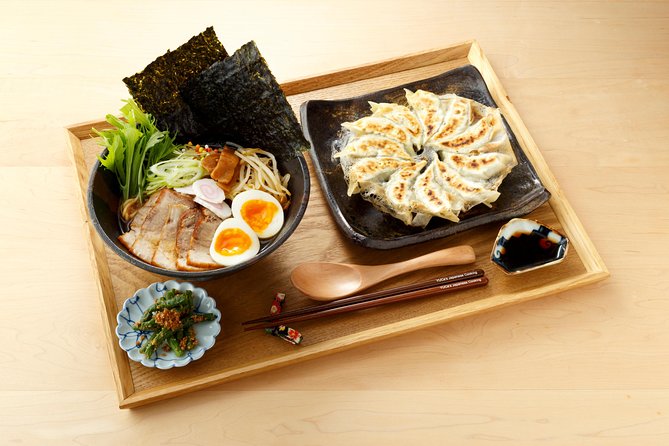
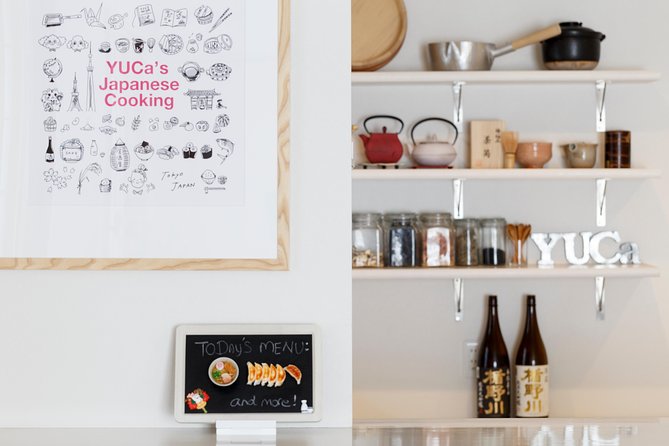
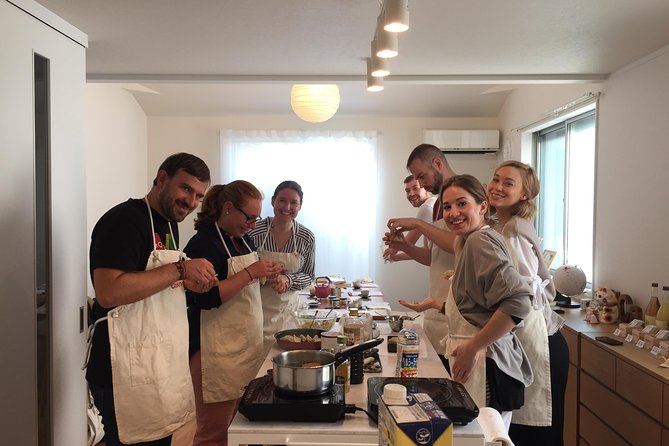
This is the kind of Tokyo activity that makes you feel like you’re inside a real routine. You meet at YUCa’s Japanese Cooking in Nishiogu, Arakawa City (2-chōme-34-8 Nishiogu), then you spend the morning in a spacious home kitchen environment geared for cooking.
What I think works especially well for visitors is that the format is simple. There’s a clear start, a focused cooking block, and then time to eat what you made. It’s not a long day of checkboxes.
Also, the group size matters. With a maximum of 7 travelers, you’re not fighting for attention. You can ask about ingredients, technique, or what a certain item is used for, without waiting for your turn for 20 minutes.
Timing That Flows: Lecture, Cooking, Tasting, and the Optional Market
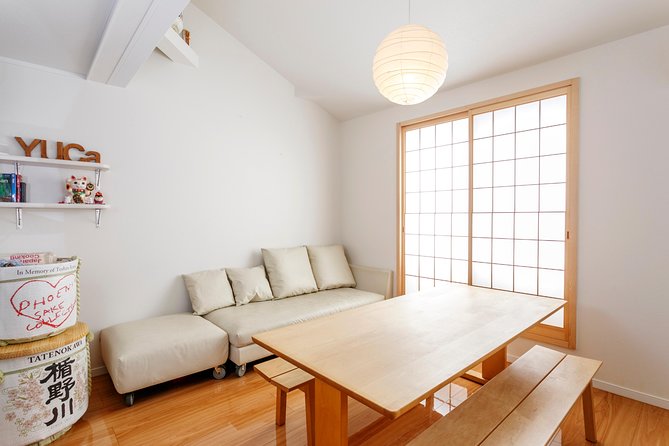
The schedule is designed for momentum. You start at 10:00 am at the meeting point, then from 10:15 to 10:30 you get a lecture on Japanese home cooking and lifestyle. After that, the main work happens from 10:30 to 12:30 with cooking and tasting.
That lecture block is only about 15 minutes, so don’t expect a textbook. Expect it to help you understand how Japanese home cooking thinks—how ingredients fit together, how people think about flavors, and why ramen and gyoza are built the way they are.
Then there’s the meal itself. From 12:30 to 13:00, a local supermarket tour is listed as optional. This optional part can be a big deal for you if you want to recreate the dishes after you get home, because you start learning what to look for in a real store, not just what sounds right in theory.
Tip: If the supermarket tour is a top reason you booked, confirm it clearly when you reserve. It’s optional in the experience details, and your day will feel different depending on whether you do it.
You can also read our reviews of more tours and experiences in Tokyo.


YUCa’s Teaching Style: Friendly, Structured, and Built for Real People
YUCa runs the class in a warm, welcoming way. You’re not just receiving instructions—you’re being pulled into the process, with the goal that you can understand what you’re doing and why.
From the class description and feedback, the energy is lively and the explanations are easy to follow, which is a huge help if you’re not confident in the kitchen. YUCa also shares cultural context as you cook, which turns ramen and gyoza from just foods into something more meaningful.
One neat touch mentioned in feedback: YUCa may teach names in Japanese characters based on pronunciation. It sounds small, but that kind of personal attention makes the class feel less like a tour and more like you’re visiting a friend who happens to cook very well.
The Ramen Part: Noodle Soup, Vegetable Choices, and a Sauce Mental Model
Ramen can feel intimidating because it has layers—broth, noodles, toppings, seasonings. The good news is this class keeps it approachable.
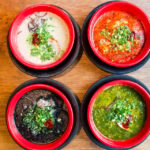
During the 10:30–12:30 cooking block, you’ll learn to make ramen with different vegetables and meat options. The exact ingredients you get can depend on the course setup, but the focus stays consistent: you build a soup that tastes like it belongs in a bowl, not like “whatever we had in the fridge.”
A practical way to think about ramen class value: you’re not only learning the recipe. You’re learning how to judge flavor balance while cooking. When you can taste, adjust, and understand what each ingredient is doing, you can recreate the dish later without hunting for perfect instructions.
And yes, you’ll eat it. Tasting is when the class becomes real. It’s where you see whether the texture, the seasoning, and the timing add up.
If you’re a beginner, this is still a reasonable first ramen project because the class doesn’t require advanced knife work or a long, complicated broth process. If you’re experienced, you still benefit because you’ll pick up technique and ingredient logic you might not copy from a cookbook.
Gyoza Part: Dumpling Technique You Can Repeat at Home
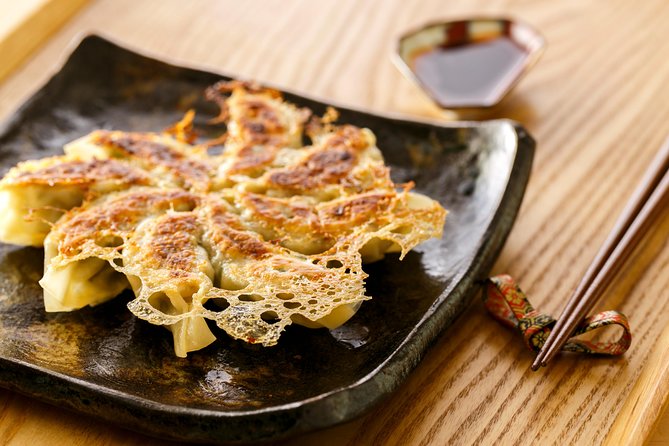
Gyoza is where a lot of people get excited, because it’s hands-on food with an obvious payoff. In this class, you’ll make minced pork dumplings (with options depending on your situation).
The cooking approach is designed to teach you the steps clearly. You’ll learn how to handle the filling and how to assemble dumplings. In feedback, families even noted that dumpling work can keep kids involved while adults handle soup tasks—so it’s not only for hardcore cooks.
Here’s what I’d watch for if you’re deciding whether this class fits you: with a group of up to 7 in one kitchen, not every participant may do every single step at the same time. You’ll still learn the process, but the rhythm can be teamwork and guidance more than solo cooking.
That said, the goal is that you leave with enough confidence to make gyoza again. Once you’ve assembled your own dumplings and tasted them warm and fresh, you’ll understand the recipe in a way that reading alone can’t deliver.
The Optional Local Supermarket Tour: How to Shop Like a Local
This is one of the most useful add-ons, even if you don’t cook much at home.
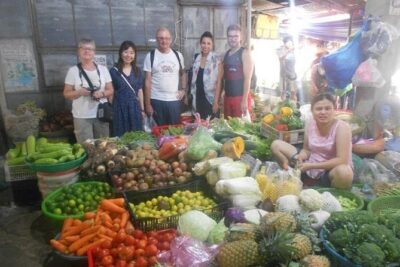
The supermarket tour runs 12:30–13:00 as optional. It’s in a neighborhood setting, which matters because you’re seeing typical items you can actually buy and use. That’s the difference between a fun meal memory and a practical shopping list.
What you gain is recognition. You start learning what ingredients look like in real life—packaging, shapes, and what products are called in everyday settings. You also get help from YUCa in how to think about selection for ramen and gyoza.
If you’re vegetarian, there’s another reason this part can help. The experience notes that a vegetarian option is available if you advise at booking. A supermarket tour is where that becomes easier, because you can see what substitutes and vegetable-focused products are actually available.
One caution from the experience details: this tour is listed as optional. If supermarket time is your priority, don’t treat it as guaranteed—plan to confirm during booking or the day-of.





Dietary Needs and Who This Class Works For
If you have dietary requirements, the class asks you to advise them at booking. A vegetarian option is available, and you should request it when you reserve.
This class also seems built for mixed skill levels. It’s a good fit if you’re a confident cook, because you’ll learn technique and flavors. It’s also a good fit if you’re nervous in the kitchen, because the class is structured and guided, with plenty of explanation.
A fun extra angle: the class is described as suitable for different ages. Feedback includes kids and teenagers having a good time, which suggests the pace doesn’t assume you already know everything.
If you’re traveling solo, this is also a social activity. You’re in a small group and cooking together naturally creates conversation.
Price and Value: Is $122.70 Worth It?
At $122.70 per person for about 2 hours 30 minutes, the price has to be evaluated against what you actually get.
You’re paying for:
- a small-group class (max 7) in a real kitchen setting
- instruction and cultural context from YUCa
- active ramen and gyoza cooking plus tasting
- an optional supermarket tour that can make the whole experience practical for future meals
The value here is less about producing a meal and more about learning a process you can repeat. If you love ramen and gyoza but never quite nailed the flavor at home, this kind of guided practice is the fastest path to improvement.
Also, remember location reality. This isn’t a central “see Tokyo from a window” type activity. It’s outside the core tourist churn, so you’re paying for authenticity and access to a home-kitchen experience.
Getting There: Public Transit Friendly, Small Group Easygoing
The experience notes that the location is near public transportation. The meeting point is at YUCa’s Japanese Cooking in Nishiogu, Arakawa City, and the class ends back at the meeting point.
Because the group is small and the duration is compact, you should be able to fit this into a Tokyo morning plan without stress. The mobile ticket helps too.
One practical idea: if you’re planning to do the optional supermarket tour, don’t schedule anything tight right after noon. Give yourself a little buffer.
Should You Book It? My Honest Take
You should book this class if you want:
- a hands-on ramen and gyoza skill you can actually repeat
- a small-group morning in a local neighborhood kitchen
- a chance to learn from YUCa and get ingredient guidance
- optional supermarket time for real-world shopping (especially useful if you cook at home)
You might think twice if:
- you need fully solo, do-every-step cooking time (the setup can be guided and shared due to one kitchen and a small group)
- you’re counting on the supermarket tour as guaranteed (it’s optional, so confirm clearly)
If your goal is to walk away with better ramen and gyoza—not just a photo—this is a strong pick.
FAQ
How long is the ramen and gyoza cooking class in Tokyo?
It runs for about 2 hours 30 minutes, with a meeting at 10:00 am, then instruction and cooking/tasting from 10:30–12:30. There’s an optional supermarket tour from 12:30–13:00.
What is the price per person?
The price is $122.70 per person.
How many people are in the group?
The experience has a maximum of 7 travelers.
Is there a vegetarian option?
Yes. A vegetarian option is available, and you should advise this at booking.
Does the class include a supermarket visit?
A local supermarket tour is optional and is scheduled for 12:30–13:00.
Where do I meet for the tour?
The meeting point is YUCa’s Japanese Cooking, 2-chōme-34-8 Nishiogu, Arakawa City, Tokyo 116-0011, Japan. The activity ends back at the meeting point.
Do I need to provide dietary requirements in advance?
Yes. The instructions say to advise any specific dietary requirements at time of booking.