REVIEW · SIEM REAP
Siem Reap Tour: Angkor Wat Sunrise, Bayon, Ta Prohm, Banteay Srei
Book on Viator →Operated by Siem Reap Guide · Bookable on Viator
Waking up at 5:00am pays off fast. This private Angkor highlights day is built around the key hits: Angkor Wat at sunrise, plus Bayon, Ta Prohm, Banteay Srei, and Angkor Thom’s South Gate. You get a dedicated guide and driver, so you spend less time figuring stuff out and more time looking closely.
I love how the tour pairs iconic sights with real logistics help: hotel pickup/drop-off, an air-conditioned ride, and small comfort upgrades like chilled water and cold wipes. I also like that it’s timed to beat the heat and crowd pressure, especially when you’re staring at stone carvings that deserve your full attention.
One catch: the sunrise start means a very early morning, and you may end up waiting around while the light does its thing. If sleep matters more than photos, plan for it.
In This Review
- Key Things You’ll Notice on This Angkor Day
- Why the Angkor Sunrise Format Beats a Random Temple Day
- Getting There Comfortably: Pickup Timing and What the Vehicle Actually Does
- Angkor Wat at Sunrise: What to Watch for Besides the View
- Ta Prohm: The Jungle Temple That Feels Like Another World
- Banteay Srei: Pink Sandstone Carving You Can Feel in Your Eyes
- Bayon and Angkor Thom South Gate: Faces, Monsters, and Storytelling Stone
- Price and Logistics: Is $130 Per Group Good Value?
- What to Wear and Bring (So You Don’t Hate Me in July Heat)
- The Likely High Points (Based on What Works for Real People)
- Should You Book This Private Angkor Highlights Tour?
- FAQ
- What time does the tour start?
- How long is the tour?
- Is hotel pickup and drop-off included?
- Is the Angkor Park admission fee included?
- Are meals included?
- Is this tour shared with other groups?
- What does the tour vehicle include?
- What should I wear for temple visits?
- What should I bring for the day?
- What happens if weather is poor?
- Are children allowed?
Key Things You’ll Notice on This Angkor Day
- Angkor Wat sunrise with a guide who helps you find a strong photo spot early
- Private pace control, so you are not rushed from one landmark to the next
- Jungle temple contrast at Ta Prohm, moving from stone to roots and shadows
- Pink sandstone carvings at Banteay Srei, a smaller site with big detail
- Bayon and Angkor Thom South Gate connected by Hindu-era storytelling imagery
- Cooling touches throughout: cold water and cold towels at stops
Why the Angkor Sunrise Format Beats a Random Temple Day
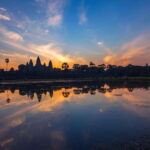
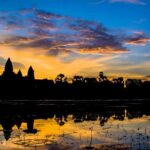
Angkor Wat is the headline for a reason. At sunrise, the temple sits in a weird calm before the day catches up, and the whole complex feels more three-dimensional as the light changes. This tour’s structure is built for that moment: start early, see the big icon first, then move through the rest of the complex while you still have energy.
I also like the way this route mixes big famous names with two sites that feel more personal. Ta Prohm has that movie-legend vibe, but it’s still an active-feeling temple with real atmosphere. Banteay Srei is different: it is smaller, farther out, and carved so finely it’s almost shocking you can see it in one day.
The value here is not just hitting places. It’s getting a guided rhythm. When you have a historian-type guide and a photographer guide mindset, you tend to notice the carvings, the layouts, and the symbolism you’d miss if you were floating through alone.
You can also read our reviews of more tours and experiences in Siem Reap.
Getting There Comfortably: Pickup Timing and What the Vehicle Actually Does
The tour starts at 5:00am. In practice, you can expect a very early hotel pickup (some people have mentioned around 4:50am). That’s not random—it’s how you get to the sunrise area before lines and the crowd swell.
Transport is private air-conditioned by SUV or minivan. That matters in Siem Reap because the heat can turn a walking-heavy day into a drain. You also get chilled water and cold wipes. It sounds small, but it helps you keep moving comfortably between temple stops, especially after you’ve been standing still for photos.
One extra practical detail: the tour is private for your group, with a stated group cap of up to 12. So even if there are multiple people in your group, you still keep your own guide and vehicle flow, rather than getting mixed into a shared shuffle.
Angkor Wat at Sunrise: What to Watch for Besides the View
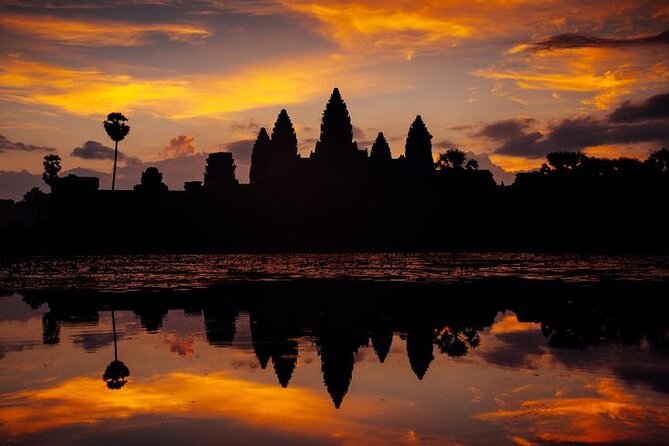
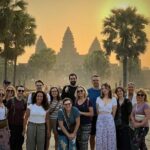
Angkor Wat is the first stop, with about 3 hours planned. Sunrise here is the point, but your guide’s job is to make that time more than a scenic pause.
Here’s what I think is most useful to expect:
- Good sight lines: your guide typically chooses a strong sunrise viewing spot and a logical path afterward, so you don’t waste time zigzagging.
- Details in the stone: the best guides point out carvings and layout clues that help you understand what you’re looking at, not just where to take pictures.
- A later full look: the timing leaves room to explore more than just the sunrise moment, so you see the monument as a whole.
Dress note: for holy sites, you’ll want clothing that covers knees and shoulders. That can affect comfort when it’s cool in the early morning but hot soon after.
If clouds roll in, sunrise can still be gorgeous, but it may be dimmer. The real win is that you are already there, awake, and ready to explore before the day heats up.
Ta Prohm: The Jungle Temple That Feels Like Another World
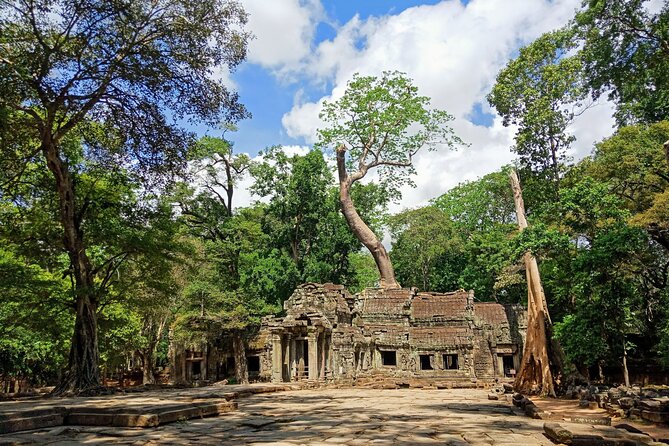
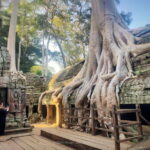
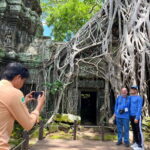
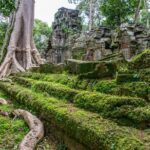
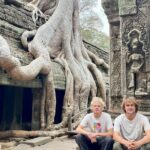
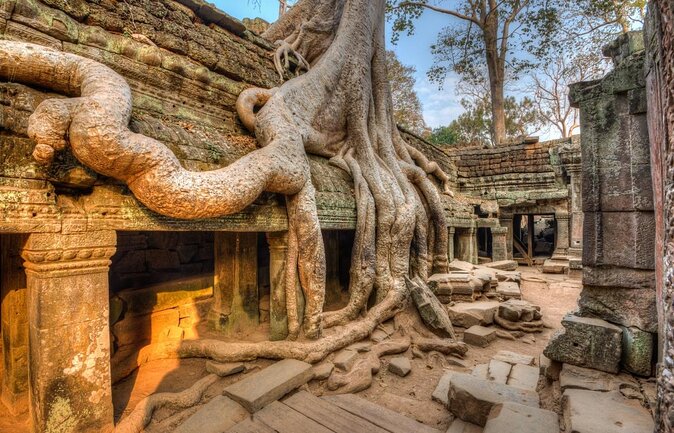
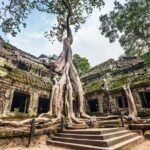
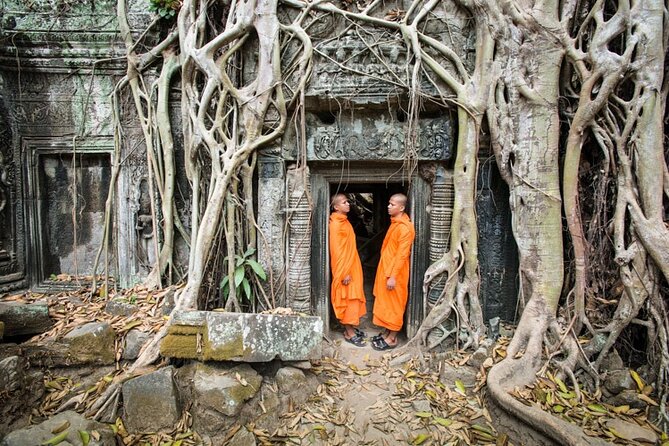
After Angkor Wat, the tour moves to Ta Prohm for about 1 hour. This is the famous tomb-raider temple overgrown by jungle, and yes, you’ll recognize the look. But the magic is the way the roots, stone blocks, and temple edges create layered frames for photos.
What makes Ta Prohm work in a one-day route is pacing. With a private guide, you can slow down when something catches your eye—carving details, tree roots wedged into masonry, or the way light hits a doorway. The guide also helps you avoid the worst crowd pockets by choosing efficient paths.
Practical expectation: you’ll do more walking on uneven ground and through busy areas. Wear solid shoes, and bring patience for photo stops. With a guide who knows the quicker routes and better angles, you spend less time standing in the wrong place.
Banteay Srei: Pink Sandstone Carving You Can Feel in Your Eyes
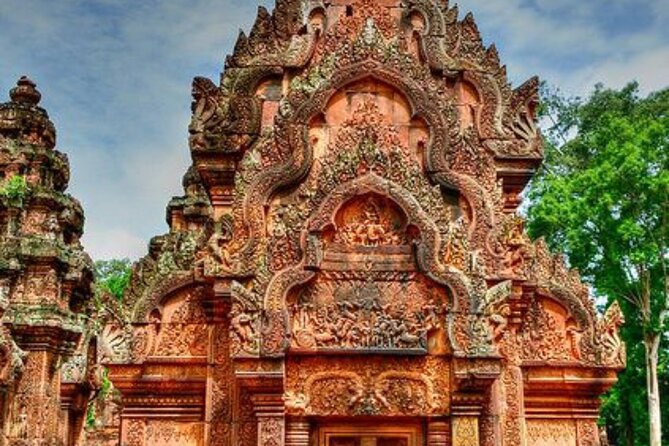
Next is Banteay Srei (about 1 hour). This is one of the most rewarding stops in the day because it flips the scale. Angkor Wat feels monumental. Banteay Srei feels like someone sat down and carved forever.
The key detail is the material: pink sandstone. It’s visually striking, but it also helps define the carvings—fine lines, faces, and story panels that can disappear if you look too casually. A strong guide will point out small design elements and explain the symbolism so it doesn’t just look like decorations.
This stop also gives your body a break from the heaviest crowds, since you are not stuck in the densest flow areas like the main Angkor Wat zone. You’re still walking, but it can feel calmer and more focused.
Bayon and Angkor Thom South Gate: Faces, Monsters, and Storytelling Stone
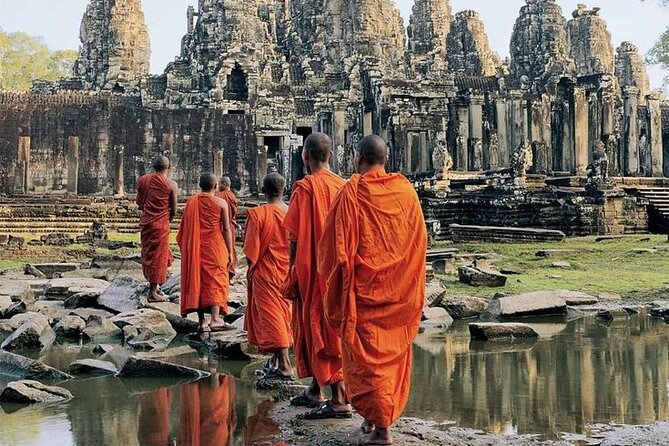
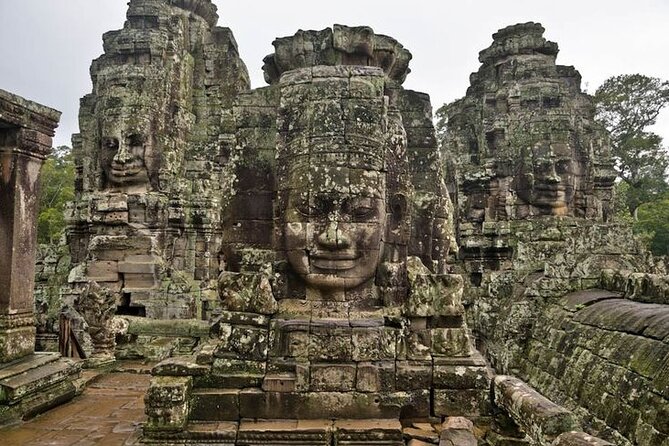
After lunch at a local restaurant, the tour hits Bayon Temple for about 1 hour. Bayon is known for the large number of Buddha faces—over a thousand—and the effect is surprisingly immersive. From a distance, you notice the repetition. Up close, you start spotting how the faces are integrated into towers and how the carvings guide your eyes.
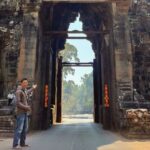
Then comes Angkor Thom South Gate for about 20 minutes. This is a fast stop, but it’s a dramatic one. You’ll see the tug-of-war style imagery with 54 demon and 54 god figures, tied to the mythic story about churning the sea.
Why these two are paired well:
- Bayon gives you the spiritual, human-face side of the complex.
- South Gate gives you the mythic, dramatic side—bigger movement, stronger theatrical imagery.
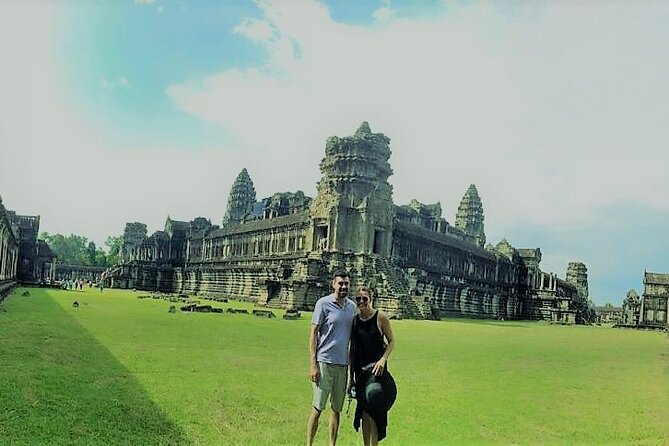
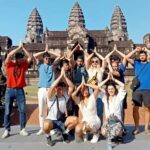
If you’re a photo person, this part of the day is where your guide’s photo instincts really help. Many guides on this route also take family photos for you, so you are not stuck handing your phone to strangers or losing your group framing.
Price and Logistics: Is $130 Per Group Good Value?
The price is $130.00 per group (up to 12), with a duration of about 8 to 9 hours. The important twist is that this figure covers private transport, guide time, and the comfort extras—not the temple admission fee.
That admission fee is Angkor Park $37.00 per person (not included). So your real total depends on your headcount. For a small group, this can still be a strong deal because you are buying time efficiency and interpretation. Angkor is huge. Without guidance, you can burn your morning wandering and miss what matters.
What you’re paying for, in plain terms:
- A dedicated guide who helps you understand what you’re seeing
- Private vehicle for a tight schedule and a calmer experience
- Comfort upgrades (cold water and cold wipes), which you feel by stop three
Who gets the best value:
- Families with mixed ages who want less stress
- Photo lovers who want correct angles instead of random shots
- People who want the big highlights without spending multiple days planning routes
One cost consideration: meals are not included. The tour includes a lunch break at a local restaurant after Bayon, so budget for lunch on your own.
What to Wear and Bring (So You Don’t Hate Me in July Heat)
This tour has a clear dress expectation: formal attire for holy sites, meaning clothing that covers knees and shoulders. That’s not just a rule; it prevents awkward pauses when you’re turned back at entry points.
Bring:
- Walking shoes or sneakers (temple paths can be uneven)
- Sunblock and mosquito repellent
- A plan for hydration (you’ll get water, but you’ll still sweat)
Also plan your morning mood. You’ll start early. You’ll be walking and standing. Even with AC rides between stops, the temples themselves don’t run on air conditioning.
The Likely High Points (Based on What Works for Real People)
This day earns praise for a few repeatable reasons:
- Guides tend to be fast at explaining the why behind the carvings, so the stone stops being just a backdrop.
- Many guides also act like a family photographer. You get better group shots because someone is guiding composition and timing.
- The cold water and cold towels show up at the right moments, not only at the start.
You might notice guides like Sam, Sorphorn, Nol, John, Kanos/Yanos, Lek, and Yonos pop up often in examples. The shared theme is consistent: clear English explanations, photo spot guidance, and a pace that fits the group.
One possible drawback you should take seriously: the sunrise format can feel like a long wait. If sunrise crowds are lighter, it may be possible to arrive closer to the moment and still get a good view—but the tour schedule aims to be safe. This is the one trade-off you choose when you book a sunrise-first day.
Should You Book This Private Angkor Highlights Tour?
Book it if you want a focused, first-time friendly Angkor day that covers the main hits with a guide doing the heavy lifting: timing, explanation, and photo help.
Skip it or adjust expectations if:
- You hate early mornings and cannot function without a full night of sleep
- You want a long, slow temple wandering day without a set route (this tour is structured)
- You prefer meals included in the price (they are not)
If you’re in Siem Reap for limited days, this is a practical way to get Angkor Wat sunrise and the most memorable surrounding temples without turning your vacation into a logistics puzzle.
FAQ
What time does the tour start?
The tour start time is 5:00am.
How long is the tour?
It runs about 8 to 9 hours.
Is hotel pickup and drop-off included?
Yes, pickup and drop-off from your Siem Reap hotel is included.
Is the Angkor Park admission fee included?
No. The Angkor Park admission fee is listed as $37.00 per person and is not included.
Are meals included?
No. Breakfast/Lunch/Dinner are not included. There is a lunch break at a local restaurant after Bayon.
Is this tour shared with other groups?
No. It is described as a private tour/activity, with only your group participating.
What does the tour vehicle include?
You travel by private air-conditioned SUV or minivan, and you get chilled water and cold wipes.
What should I wear for temple visits?
You should dress formally with clothing that covers your knees and shoulders.
What should I bring for the day?
Wear walking shoes or sneakers, and bring sunblock and mosquito repellent.
What happens if weather is poor?
The experience requires good weather. If it is canceled due to poor weather, you’ll be offered a different date or a full refund.
Are children allowed?
Children are allowed, but they must be accompanied by an adult.