REVIEW · TOKYO
Tokyo: Imperial Palace and Shogun Walking Tour
Book on GetYourGuide →Operated by Traveling Tokyo · Bookable on GetYourGuide
Tokyo’s calmest history walk starts at the palace gates. I love the Ninomaru Garden and koi ponds, and I like how guides like Tony turn Edo Castle leftovers into a clean story you can repeat later. One catch: this tour stays focused on the East Gardens, not every inch of the Imperial Palace grounds.
English-led pacing makes the whole thing easier to follow, even if shoguns are new to you. I especially like the quick stops at Ote-Mon Gate and the Hyakunin Bansho guardhouse, where you see how security and power worked in real life. If you mainly want nonstop big-photo moments, you might find the best parts are more quiet than flashy.
At $16 for about two hours, it’s strong value for first-time Tokyo visitors who want context without turning the day into a marathon. Many guides, including Izzy and Blake, are praised for answering questions and keeping the group moving at a steady pace.
In This Review
- Key Moments Worth Your Time
- Entering The Imperial Palace East Gardens Without Getting Lost
- Starbucks Kokyo Gaien: The Meeting Point That Gets You Oriented Fast
- Ote-Mon Gate: Where Big Power Starts to Feel Real
- Tokyo Imperial Palace Stop: Not Just a View, a Timeline
- Hyakunin Bansho Guardhouse: Security Meets Daily Reality
- Fujimi-yagura: Reading the Walls Like a Map
- East Gardens: Ruins, Moats, and the Calm Between Eras
- Ninomaru Garden: Koi Ponds and the Tokugawa Peace Mood
- Price and Time: Is $16 Worth Two Hours?
- Who This Tour Fits Best (and Who Might Want to Skip)
- Quick Practical Tips Before You Go
- Should You Book This Imperial Palace and Shogun Walking Tour?
- FAQ
- How long is the Imperial Palace East Gardens walking tour?
- Where do we meet for the tour?
- How much does it cost?
- What’s included in the price?
- What language is the tour guide?
- Is it wheelchair accessible and can I cancel if plans change?
Key Moments Worth Your Time
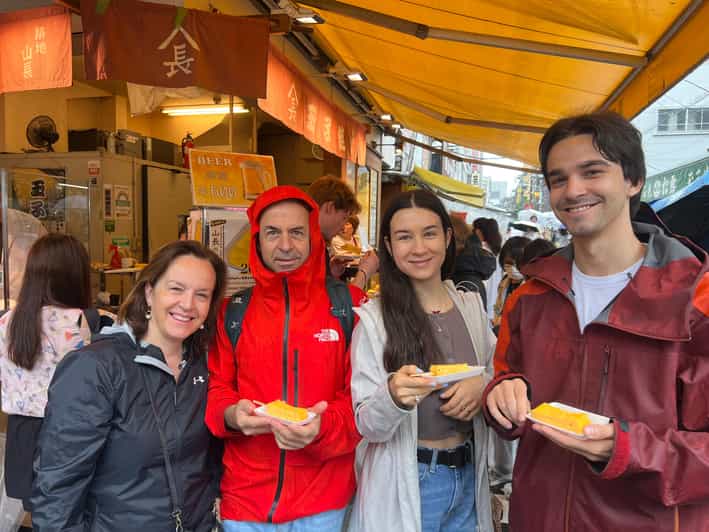
- Ninomaru Garden koi ponds: tranquil water inside the palace grounds, with fish you can actually see as you pause.
- Stone walls and defensive design: the palace perimeter reads like architecture and strategy, not just scenery.
- Ote-Mon Gate and guardhouse views: you get the feel of how the Tokugawa world controlled access.
- Edo Castle remains in the East Gardens: you’ll spot what’s left and learn what it meant back then.
- Guides who connect past to present: Tony-style explanations tie shogunate power to today’s Tokyo layout.
Entering The Imperial Palace East Gardens Without Getting Lost

This is one of the easiest ways to understand Tokyo’s power history without needing a stack of guidebooks. You walk a compact route, but the guide’s job is bigger than facts: they help you read the space. Gates, foundations, moats, and gardens all become clues to how authority was organized.
What I like most is the tone. It’s not a lecture. You get stories about samurai and shoguns, then the guide points you toward the physical details that make those stories real. And because the pace is tight, you’re not stuck waiting around while everyone catches up.
A second big plus is the emotional switch. You’re in central Tokyo, yet the East Gardens and Ninomaru Garden feel like a pause button. The koi ponds add that soft, everyday quiet that makes the whole political history easier to digest.
You can also read our reviews of more tours and experiences in Tokyo.


Starbucks Kokyo Gaien: The Meeting Point That Gets You Oriented Fast
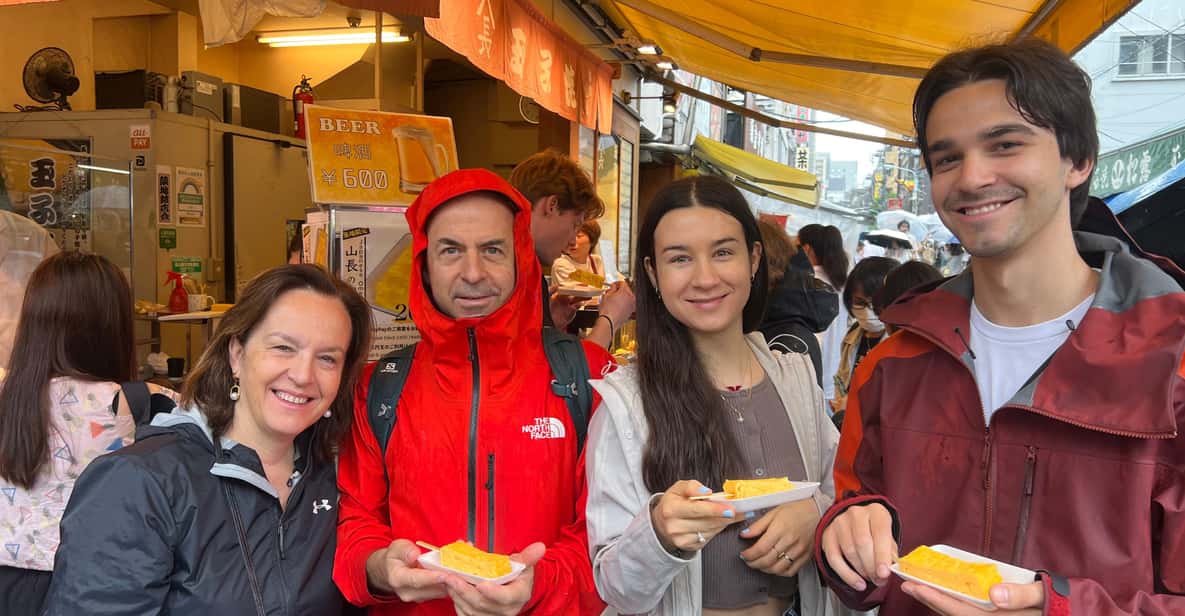
You start at Starbucks Coffee – Kokyo Gaien Wadakura Fountain Park (meeting point in front). The coordinates are 35.6830391, 139.7614181, which helps if you’re arriving by map app or want to confirm you’re in the right spot.
Why this start matters: you’re getting your bearings before you enter the palace complex. Tokyo is navigable, but the Imperial Palace area can feel confusing at first because it’s a mix of streets, walls, and controlled entry points. Starting outside a familiar landmark makes it easier to relax.
Also, you’re stepping into the tour when energy levels are still good. In a city where you can end up sprinting from one place to another, this two-hour format is a welcome reset.
Ote-Mon Gate: Where Big Power Starts to Feel Real

The route quickly brings you to Ote-Mon Gate, one of those dramatic entrances that makes you sit up and pay attention. You don’t just see a gate; you learn what it represented and why it mattered in the systems of Edo Castle.
This is where the guide helps you shift from tourist mode to observer mode. You start thinking like: Who could pass? Who couldn’t? Where were the choke points? What did the design do for control and visibility?
It’s a short stop, but the best guides use it to frame the rest of the walk. If your guide is Tony-style, you’ll probably hear explanations that connect the shogunate era to how modern Tokyo developed around these long-held power centers.
Tokyo Imperial Palace Stop: Not Just a View, a Timeline
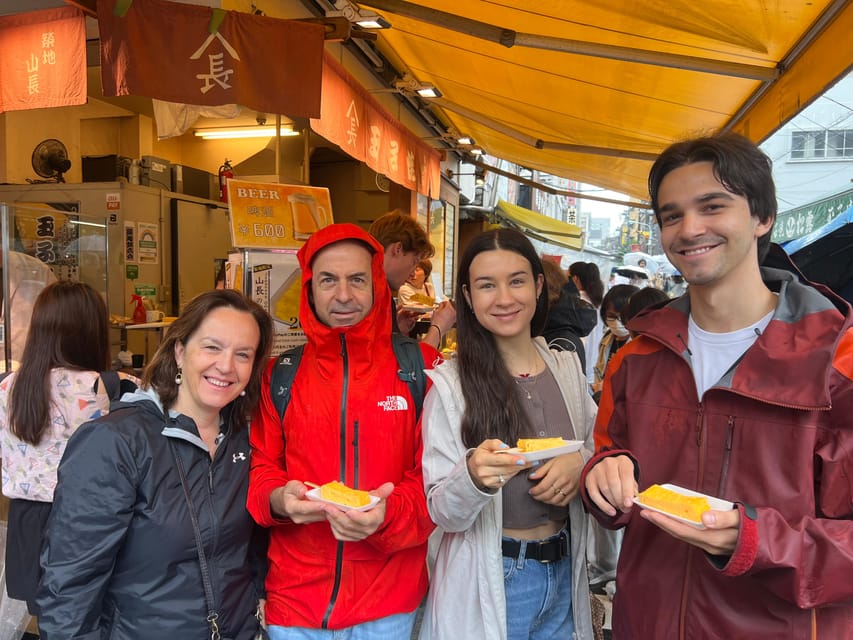
You’ll spend a focused chunk around the Tokyo Imperial Palace area as part of the walk. This is where the tour’s main theme shows up: how Edo-period rule relates to the modern Japan you see today.
The guide’s job here is translation. They turn the general idea of samurai history into something you can picture on the ground: feudal rule, the Tokugawa shogunate, and the shift toward the modern era. You end up with a timeline you can keep in your head while you continue walking.
One practical note: the palace grounds are not a theme park where you can wander anywhere you want. So you’ll get meaningful context and great visuals, but you’re still working within the boundaries of what’s accessible on foot during this kind of tour.
Hyakunin Bansho Guardhouse: Security Meets Daily Reality
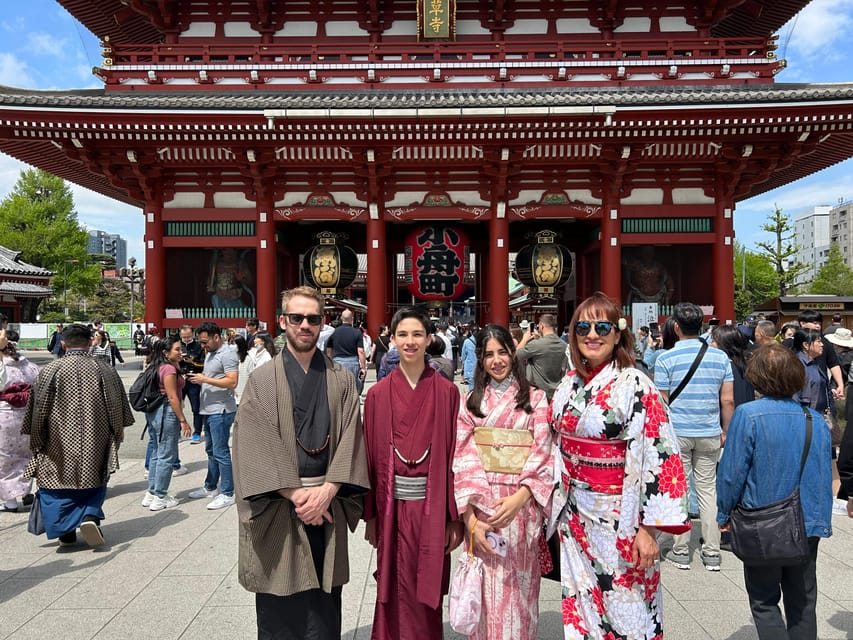
Next is Hyakunin Bansho Guardhouse. Even if you’re not a history person, guardhouses grab your attention because they point to daily operations: who stood watch, how access worked, and why order mattered.
This stop is about people and routine, not just rulers. The guide typically uses the details here to explain how power was maintained in practical terms, day after day, not only during grand ceremonies.
What I like about this part is the clarity. You learn to see the logic in the architecture. It stops feeling like random old stuff and starts feeling like systems—designed to protect authority and manage who gets through.





Fujimi-yagura: Reading the Walls Like a Map

Then you reach Fujimi-yagura. This is where the tour leans into the “decode the massive stone walls” idea in a way that’s actually useful.
Think of it like learning a second language. Once the guide points out what the walls, towers, and shapes were doing, you can look at the same structures and suddenly understand the message: defense, oversight, and controlled movement.
If you get a guide with a playful streak—Blake-style humor and interactive explanations show up in the feedback—this stop can feel more like a game than a history chore. Either way, it’s a strong mid-tour anchor because it brings you back from abstract stories to physical design.
East Gardens: Ruins, Moats, and the Calm Between Eras
The heart of the tour is the Imperial Palace East Gardens, where you walk through a mix of history and landscaping. This part is about seeing how the past survives in visible forms: ruins, stone foundations, and moats that once protected the seat of power.
Here’s what makes this section valuable for you: it’s not just pretty greenery. It’s a space with layers. The guide helps you notice the leftover structures—so you understand what you’re looking at instead of just photographing what happens to be there.
You also get the “serene escape” feeling that the palace grounds are known for. After gates and guard points, the gardens bring a slower rhythm. That calm matters because it lets the history land. You can actually think while you walk.
Ninomaru Garden: Koi Ponds and the Tokugawa Peace Mood
You finish with Ninomaru Garden, the part most people remember. This is where the tour’s highlight list really makes sense on the ground: tranquil ponds, koi swimming, and a sense of seasonal beauty.
This is not a loud attraction. It’s a viewing experience. You pause, you watch the water, and the guide gives context so you understand why this kind of garden design fits the political and cultural world of the era.
I also like that it’s built for more than history lovers. Even if you only catch part of the Edo-period details, the koi ponds do the job. They create that gentle contrast between political power and everyday quiet—a contrast Tokyo does well, but not in many places so directly.
And if your guide is Tony-style, you’ll likely hear extra practical suggestions after the tour—where to eat nearby, how to spend the rest of your weekend in Tokyo. That kind of local follow-up is real value when you want to keep momentum.
Price and Time: Is $16 Worth Two Hours?

For $16 per person and about two hours, this tour is priced like a smart “context add-on.” You’re not paying for tickets to a museum building. You’re paying for a guide to read the site with you—turning gates, walls, and gardens into a story.
Is it worth it? If you’re the type who enjoys understanding what you see, yes. The guide’s explanations are the product here. Without the narration, you’d still enjoy the grounds, but you’d likely miss the meaning behind many of the details.
It’s also a good time investment because two hours is long enough to feel connected, but short enough not to derail a full Tokyo day. On nights when you’re tired from transit and crowds, this can be the calm, high-impact move that keeps your trip balanced.
Who This Tour Fits Best (and Who Might Want to Skip)
This tour is a great fit if:
- You’re in first-time Tokyo mode and want an easy intro to shogunate-era context.
- You like history that connects to what’s physically in front of you—walls, gates, moats, garden design.
- You want a break from fast-paced sightseeing while still learning something important.
It might be less ideal if:
- You only care about large, iconic skyline shots or broad city panoramas.
- You’re expecting access to the entire palace complex. This walk focuses on the East Gardens and specifically highlights the Ninomaru Garden.
One more thought: the feedback highlights patient, friendly guides, people who answer questions and keep the pace right. If you’re traveling with teens or a group with mixed interests, that Q&A style can be a big win.
Quick Practical Tips Before You Go
- Wear comfortable shoes. You’ll be walking through a palace garden route for about two hours.
- Bring a basic water plan. There’s no drink info included, and one person noted grabbing a quick drink mid-tour, so don’t assume you’ll find it at every stop.
- Have questions ready. Guides in this format often spend time answering them, and that’s where the tour turns from sight-seeing into understanding.
- If weather is an issue, still plan like you might need an umbrella. One guide shared an umbrella in a prior tour context, which hints that conditions can get handled—but you shouldn’t rely on it.
Should You Book This Imperial Palace and Shogun Walking Tour?
I’d book it if you want a calm two-hour outing that helps you read Tokyo’s layers. The palace grounds can feel vague if you only look at scenery. With an English-speaking guide, the whole walk becomes a map of power: gates that controlled access, guard points that enforced order, stone walls that show defense thinking, and gardens that reflect how rulers shaped their world.
I’d skip it only if your priorities are purely photo-driven or you already know the core shogunate-to-modern story and want more off-the-beaten-path neighborhood time instead.
If you’re deciding between doing this or another single activity, this one is usually the better choice for learning. It gives you context you can carry into the rest of Tokyo.
FAQ
How long is the Imperial Palace East Gardens walking tour?
The tour lasts about 2 hours.
Where do we meet for the tour?
You meet in front of Starbucks Coffee – Kokyo Gaien Wadakura Fountain Park.
How much does it cost?
The price is $16 per person.
What’s included in the price?
You get an English-speaking guide and a guided walking tour of the East Gardens.
What language is the tour guide?
The tour guide is available in English.
Is it wheelchair accessible and can I cancel if plans change?
Yes, it’s wheelchair accessible. Free cancellation is available up to 24 hours in advance for a full refund.