REVIEW · TOKYO
Tokyo Private Day Trip – Enjoy Your First-Time Visit to Tokyo!
Book on Viator →Operated by OTOMO Travel Guide · Bookable on Viator
Tokyo in one day? This private walk helps you get oriented fast. You’ll move between ancient Shinto and temple Tokyo and the modern streets that define the city, with an English-speaking guide who keeps the day structured and readable even when Tokyo feels overwhelming. My favorite parts are the calm, green reset at Meiji Jingu and the sensory hit of Tsukiji’s historical fish-market area. The main drawback to plan for is simple: it is a walking day, and you’ll still pay for transport, lunch, and some entrances.
This is also the kind of tour that feels personal, not packaged. Many guides meet you on time with a sign and then help you understand how to use trains and walkways without stress. Still, the experience depends on your guide’s style—most are excellent, but you should expect to communicate what you want (history depth, shopping time, photo stops) so the day matches your pace.
In This Review
- Key Highlights You’ll Actually Feel on the Ground
- Why This Tokyo Private Day Trip Works for First-Timers
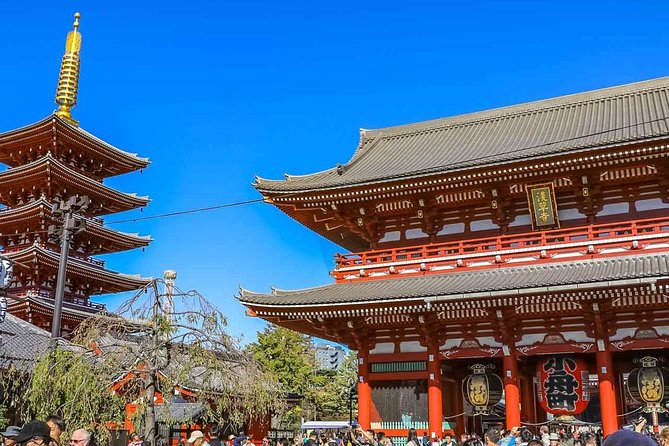
- Meiji Jingu: A Green Reset at the City’s Shrine Core
- Takeshita Street and Omotesando: Fashion Energy With a Street-Level Education
- Tsukiji Fish Market Area: The Meaning of a Famous Place After It Moved
- Tokyo Tower: A Classic Landmark Stop (and a Ticket Detail)
- Senso-ji Temple in Asakusa: Old Tokyo With Red Lantern Energy
- How the Public Transport Part Saves You Hours
- Food and Shopping Reality Check: What You Pay, What You Control
- What I’d Ask Your Guide Before You Start
- Who This Tour Fits Best (and Who Might Want Another Plan)
- Should You Book This Tokyo Private Day Trip?
- FAQ
- How long is the Tokyo Private Day Trip?
- What does the tour include, and is it private?
- Which main sights are covered?
- Are entrance fees included?
- Is lunch included?
- What should I bring for the day?
- Can the route change if the weather is bad?
Key Highlights You’ll Actually Feel on the Ground
- Meiji Jingu’s forested approach: quiet pathways and big-shrine atmosphere in about 50 minutes
- Takeshita Street + Omotesando contrast: youth fashion energy, then calmer designer-style streets
- Tsukiji’s old market legacy: you’ll learn the site’s history even though the wholesale market moved
- Tokyo Tower’s “Tokyo symbol” presence: classic landmark time with entry not included
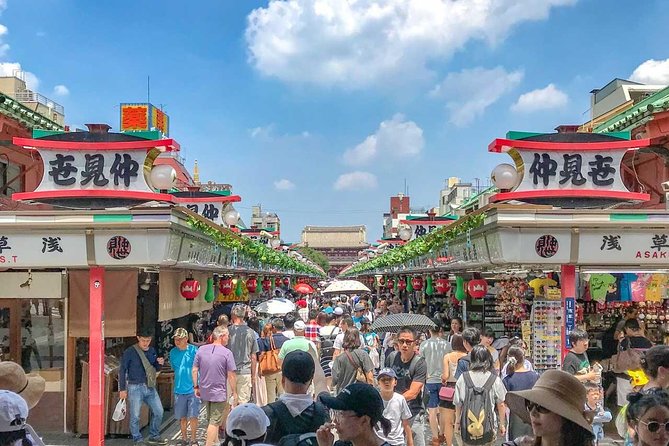
- Senso-ji in Asakusa: oldest temple vibes with lantern views and photo-ready streets
- Public-transport guidance: you’re not just shown places—you’re taught how to move between them
Why This Tokyo Private Day Trip Works for First-Timers
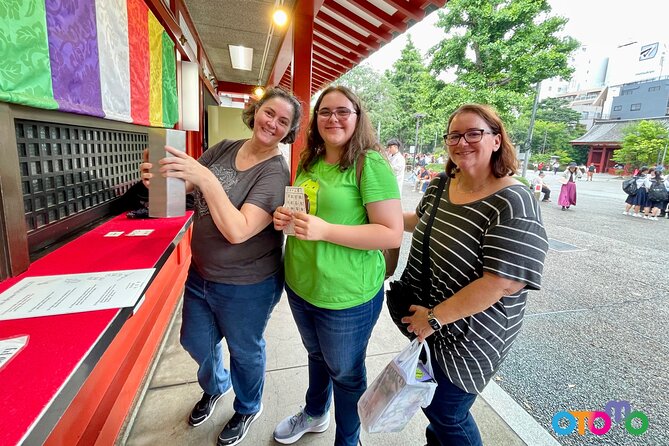
If it’s your first trip to Tokyo, the city can feel like a moving jigsaw. Neighborhoods overlap, stations are huge, and you can burn hours just figuring out which exit to use. This private day trip is designed to solve that problem the practical way: you get a guide who speaks English and uses public transport, so you’re not trapped in taxis or a slow shuffle of “tourist-only” shortcuts.
You also get a day that covers multiple Tokyo moods. You’re not just ticking off famous buildings. You’re going from shrine calm to fashion streets, from market-area history to a skyline landmark, and then into the temple streets of Asakusa. That mix is great value if you want a real overview and you’ll build the rest of your trip on top of what you like.
Price-wise, $99.49 per person for about 7 hours is a solid baseline for a private, English-led route. But here’s the budgeting truth: the tour price doesn’t cover your own spending. Entrance fees, transport, lunch, and personal expenses are on you, and the tour notes that Tokyo Tower admission is not included. Plan for extra costs so the day stays fun, not stressful.
You can also read our reviews of more tours and experiences in Tokyo.
Meiji Jingu: A Green Reset at the City’s Shrine Core
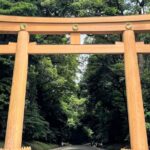
Your day starts at Meiji Jingu Shrine, one of Japan’s most worshipped shrines. The time you get here is about 50 minutes, and it’s an easy stop to appreciate right away because the setting does half the work for you. You’ll walk through a heavily green, calm environment that feels like a break from Tokyo’s speed.
This is a top choice for first-timers because it teaches a Tokyo lesson: modern Tokyo still treats nature and ritual as part of daily life. Even if you know little about Shinto, you’ll leave with a sense of why this place matters and how it functions as an emotional landmark for locals.
Admission is listed as free for this stop, so it’s also one of the easiest “bang for your time” moments. The only real consideration is footwear. This day includes lots of walking, so I’d treat sneakers as non-negotiable.
Takeshita Street and Omotesando: Fashion Energy With a Street-Level Education
Next you head to Takeshita Street and Omotesando, Tokyo’s fashion-focused contrast zones. Takeshita Street is known as the epicenter of youth culture, and you can expect crowds and colorful street life. Omotesando often feels more stylish and wide, like the same area personality but with a different vibe.
You get about 50 minutes here. That amount of time is short enough to keep you from getting stuck in a souvenir stall spiral, but long enough to do two things: people-watch and shop with intent. A guide matters here because Tokyo fashion shopping can be confusing if you don’t know where the lines are and what each street specializes in.
From the guide feedback, one big win is that many leaders focus on practical navigation and photo-friendly spots. If shopping is your main goal, this is the part of the day where you’ll feel the difference between a generic tour and a route planned around you. Several guides also talk shop—what to buy, where to find it, and how to avoid wasting time.
Tsukiji Fish Market Area: The Meaning of a Famous Place After It Moved
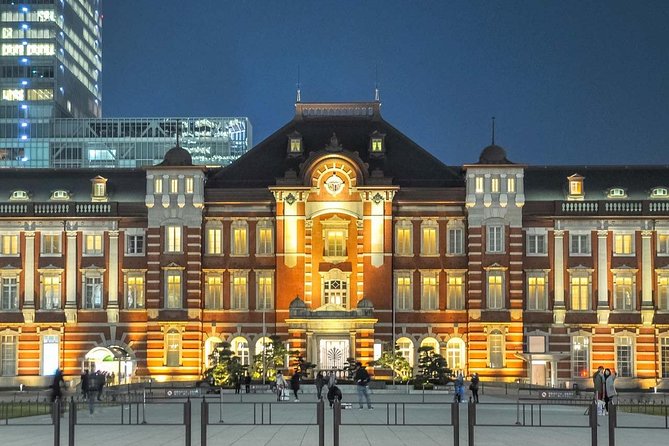
You’ll spend about 1 hour 30 minutes at Tsukiji Fish Market, and yes, this is one of the most interesting parts of the day because the market changed. The area used to be the biggest wholesale fish market until the market closed in 2018 and moved to Toyosu. Even after that shift, the historic Tsukiji location still matters to locals—and you’ll feel that in how the neighborhood continues to operate.
This stop is free to enter, but it’s not free in terms of your senses. Expect a busy food-scene atmosphere, lots to look at, and the chance to try something if you choose. The tour also recommends wearing a mask at Tsukiji Market and suggests bringing one if possible.
One practical heads-up that can really save your day: many stores around Tsukiji Market are closed on Wednesdays, Sundays, and public holidays. If your tour day lands on one of those, your guide will steer you to places that are open, or to nearby areas like Ginza or Tsukishima, which are close to Tsukiji. That’s especially helpful because lunch is not included, and you’ll want something easy to find without wandering in circles.
Also remember the note about payment methods: some spots may only accept cash. I’d keep some yen handy so you don’t miss an impulse snack.
Tokyo Tower: A Classic Landmark Stop (and a Ticket Detail)
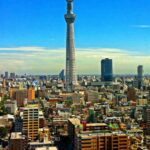
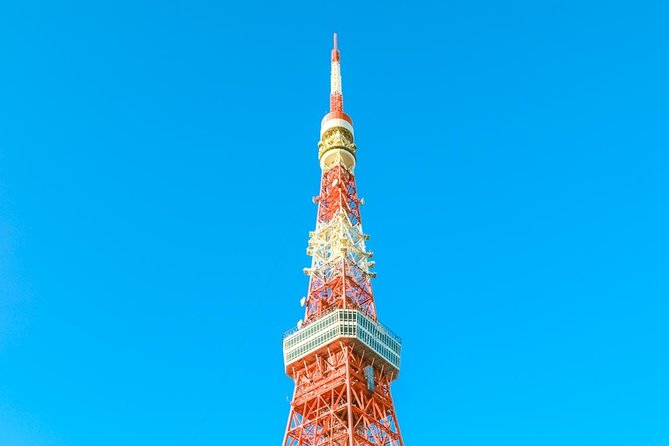
Tokyo Tower gets about 45 minutes, and it’s one of those places that works even if you don’t plan to go inside. Built in 1958, it’s often described as Tokyo’s symbol, and it sits in a way that still feels strong among dense city buildings.
Here’s the key planning detail: Tokyo Tower admission is not included. So you have two options:
- Treat it as a photo and landmark stop from the outside and surrounding viewpoints.
- Add an indoor observation experience if you want, but budget extra for the ticket.
This is a good stop to schedule in the middle of the day because it gives you a breather before Asakusa. Also, tower views are best when you have time to adjust your expectations—Tokyo doesn’t always offer perfect visibility, and that’s normal. Even without perfect views, you still get the feeling of Tokyo’s iconic skyline shape.


Senso-ji Temple in Asakusa: Old Tokyo With Red Lantern Energy
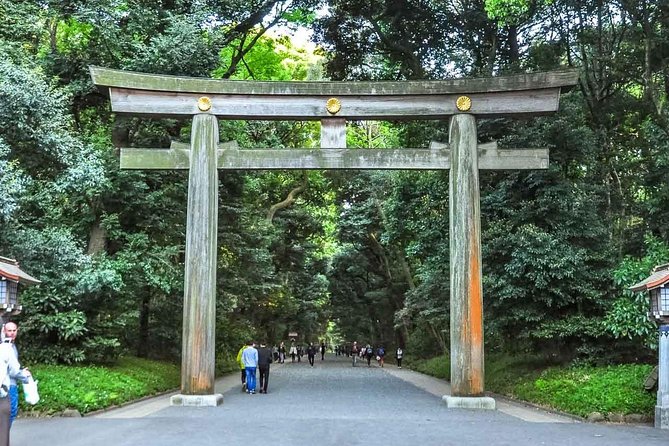
Your last major temple stop is Senso-ji Temple in Asakusa, about 45 minutes. Senso-ji is Tokyo’s oldest temple, and the big red lanterns are basically the poster image for this area. The surrounding buildings and street atmosphere make this one of the most memorable “walk into the scene” places on a Tokyo first trip.
Admission here is listed as free, which is great because it keeps your day flexible. You can spend more time looking around without worrying that each minute is costing you ticket fees.
Asakusa is also shopping territory, which pairs nicely with what you’ll learn earlier in the day from your guide: where to walk, what to avoid, and how to spot the good snack-and-souvenir areas. If you like photos, this is a stop where you can slow down. If you want a stronger cultural focus, you’ll also benefit from a guide who explains what you’re seeing and why people come here.
How the Public Transport Part Saves You Hours
A lot of “sightseeing in Tokyo” tours fail at one core skill: getting from place to place. Tokyo is navigable, but it’s not intuitive. This tour uses the public transport system, and the guide’s job is to keep you moving efficiently.
In guide feedback, one recurring theme is that the best leaders actually teach you how the transit works. That means you’re not just watching someone else walk; you’re learning how to repeat the route later in your own days. It’s a big deal because once you understand station logic, you stop feeling like Tokyo is a maze.
Also, you’ll start at Harajuku Station and finish at Asakusa Station, which sets you up for a natural flow across the city. If you’re staying in Shibuya/Harajuku or you want an easy landing into Asakusa after your guided portion, this routing can feel very convenient.
Two personal tips that will help on a public-transport walking day:
- Stay close when changing platforms. Tokyo station transfers can be quick and confusing if you spread out.
- Keep energy for the end of the day. The final temple and street areas are where you’ll want your eyes working, not just your feet.
Food and Shopping Reality Check: What You Pay, What You Control
This tour includes a great structure for food timing, but the costs are on you. The tour explicitly lists lunch and other personal expenses as not included, and it also notes that in many cases people pay entrance fees on their own.
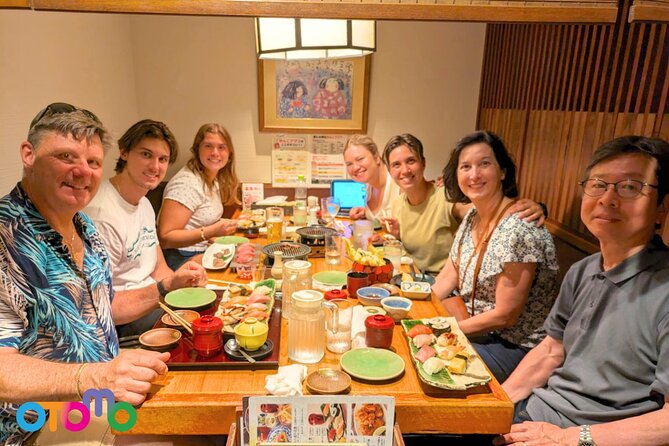
That said, the food plan is still useful. Tsukiji’s area is the standout food neighborhood on this route, and your guide can help you pick places that fit your preferences. From the guide feedback, some leaders take people to sushi spots and local-style lunch choices that would be hard to find on your own.
For lunch planning, remember:
- Tsukiji-area stores may be closed on specific days.
- Your guide may suggest options in Ginza or Tsukishima if that happens.
- Cash might be needed at some stops.
Shopping wise, this day is built for variety. Takeshita Street gets you quick, playful browsing. Omotesando can be more structured. Asakusa gives you the traditional-street souvenir feel. If you have a budget, tell the guide early so they don’t dump you into a 30-minute decision trap.
What I’d Ask Your Guide Before You Start
Because this is a private tour, you have leverage. Use it. A few questions help you get the right day fast:
- Do you want a more history-focused tour or a photo-and-shopping-focused tour?
- Are you comfortable with crowds at Takeshita Street?
- Do you want Tokyo Tower as a quick landmark stop or do you plan to go inside?
You’ll also get better value if you ask for practical wins. Some guides, like those who impressed people with transport explanations, can help you understand how to move afterward. Others, like guides known for great souvenir recommendations, can help you shop in a smarter order.
Finally, if you’re picky about pacing, say so. Most guides are flexible, but you don’t want a slow day by accident. Keep your goals front and center.
Who This Tour Fits Best (and Who Might Want Another Plan)
This tour is a strong fit if:
- You’re on a first Tokyo trip and want modern + traditional in one day.
- You want an English-speaking guide and private attention.
- You’re comfortable using public transportation with a guide helping you navigate.
- You like variety: a shrine stop, a fashion street, a market-area food experience, a landmark, and a temple neighborhood.
It may be a weaker fit if:
- You dislike long walking days. The tour itself recommends sneakers for this reason.
- You’re hoping for a totally ticket-free day. Tokyo Tower admission is not included, and lunch is not included.
- You need very slow, fully structured pacing all the time.
One more balanced note from the overall feedback pattern: most guide experiences are excellent, with people praising friendly professionalism and clear communication. But a small number of comments point to variation in the amount of on-site context and the level of structure. If history storytelling is a must, ask your guide to focus on it upfront.
Should You Book This Tokyo Private Day Trip?
I’d book it if you want a first-day orientation that actually includes the city’s personality—shrines, street fashion, market history, a skyline icon, and Asakusa temple energy—without you getting lost in train transfers. It’s good value for a private, English-guided route, especially when you compare the cost of doing all of this solo in a way that’s efficient and meaningful.
I’d skip or swap it if your priority is rest over movement, or if you want a day where nearly everything is paid-for already. This is a day you’ll earn by walking and making small choices with your guide, not a sit-and-watch ride.
If you do book, do one thing that improves the whole experience: decide your top goal for the day—history, shopping, photos, or food—and tell your guide immediately so the time goes where you care most.
FAQ
How long is the Tokyo Private Day Trip?
It runs for about 7 hours.
What does the tour include, and is it private?
It includes a tour guide and a private tour, meaning only your group participates.
Which main sights are covered?
The tour includes stops at Meiji Jingu Shrine, Takeshita Street / Omotesando, Tsukiji Fish Market area, Tokyo Tower, and Senso-ji Temple.
Are entrance fees included?
Entrance fees are not included in general. Meiji Jingu and Senso-ji are listed as free, but Tokyo Tower admission is not included. Some customizable situations mention additional necessary expenses for the guide.
Is lunch included?
Lunch is not included, and you’ll pay for it separately.
What should I bring for the day?
The tour recommends sneakers because there is a lot of walking. It also notes that some places may only accept cash, so have cash ready. A mask is recommended at Tsukiji Market.
Can the route change if the weather is bad?
Yes. If the weather is bad on the day, the means of transportation, destinations, and routes may change. The tour may also swap spots if there’s a temporary closure.