REVIEW · TOKYO
Tokyo Private Sightseeing Tour by Car- English speaking chauffeur
Book on Viator →Operated by Glocal Japan · Bookable on Viator
Tokyo hits different with a private car. This is an efficient way to see a lot of Tokyo without wrestling with trains, and I like the air-conditioned sedan/van comfort for long stretches of city driving. One consideration: it’s a ride-and-drop style day, so you still spend time figuring things out inside each area instead of getting a full, on-foot guided walkthrough.
I also really like the English-speaking chauffeur commentary as you travel between stops. When drivers like Lookman, John, or Adam are at the wheel, the explanations tend to be clear, practical, and timed to what you’re about to see—plus they’re usually happy to tweak the plan. The big catch is simple: some viewpoints have tickets you pay separately, so you’ll want to budget for Skytree and Tokyo Tower.
In This Review
- Key things to know before you go
- Why a private car makes first-day Tokyo feel manageable
- Price and value for a group up to 4
- Getting picked up at 9:00 am and shaping the day
- Stop 1: Tsukiji Outer Market for Tokyo food energy
- Stop 2: Senso-ji Temple and the old-meets-modern vibe
- Stop 3: Imperial Palace for a calmer reset
- Stop 4: Tokyo Skytree for skyline views (tickets not included)
- Stop 5: Tokyo Tower for a classic photo landmark
- Stop 6: Ginza shopping district without the guesswork
- Stop 7: Takeshita Street for pop culture and sweet cravings
- Stop 8: Odaiba District for water views and modern Tokyo
- Stop 9: Shibuya Crossing for the world-famous chaos
- Stop 10: Omotesando for cafe culture and design streets
- What you get from the chauffeur besides driving
- Pacing, crowds, and how to make this day feel right
- Should you book this Tokyo private car tour?
- FAQ
- How long is the Tokyo private sightseeing tour by car?
- What group size does the car support?
- Is pickup included, and is there an extra fee for airports?
- Are admission tickets included for all stops?
- Does the driver speak English and provide commentary?
- Can you add a walking guide?
- What is the meeting time and what happens before the tour?
Key things to know before you go
- Private car for up to 4 (sedan) or 5–9 (van), so your group stays together all day
- English chauffeur with in-car commentary, plus real-world tips for parking and routes
- A classic full-day Tokyo mix, from Tsukiji food lanes and Senso-ji to Shibuya and Odaiba
- Most stops are free, but Tokyo Skytree and Tokyo Tower admission are not included
- Pickup is offered, with extra cash charges if you’re starting from Haneda/Narita/Yokohama
- You’re not on a constant guided walk—you’re mostly dropped off to explore at your own pace
Why a private car makes first-day Tokyo feel manageable
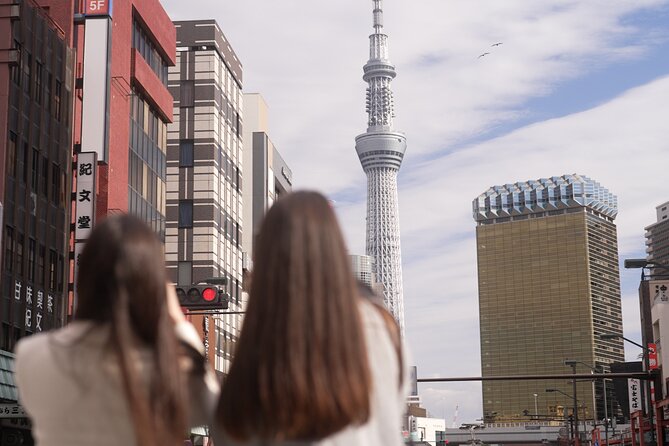
Tokyo is huge, and it can get confusing fast. With a private vehicle, you’re not spending your limited time reading subway maps or changing trains between distant neighborhoods.
This tour runs about 9 hours and uses a car that keeps the day comfortable. Even when the city traffic slows things down, the chauffeur’s job is to keep you moving and route you to convenient pickup and drop-off points.
You can also read our reviews of more tours and experiences in Tokyo.
Price and value for a group up to 4
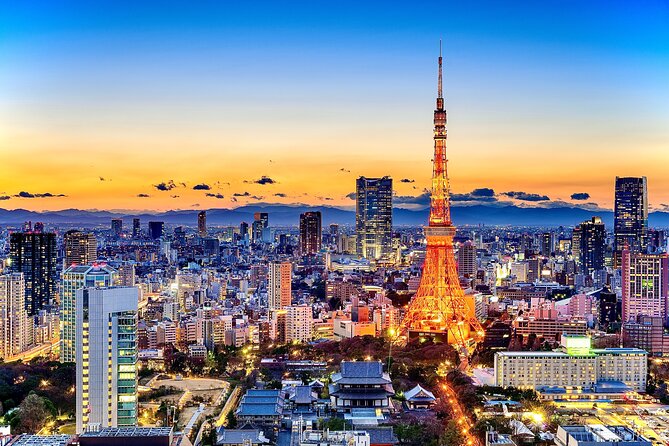
The price is listed as $268.61 per group (up to 4). That pricing matters because you’re not paying per person for the car—your group basically buys one flexible transport plan.
What you get for that money is a private, English-speaking chauffeur, plus fuel, parking, and toll fees. That often removes the surprise costs that pop up when you try to DIY with taxis all day.
Budget heads-up: admission fees aren’t included. Skytree (1 hour) and Tokyo Tower (30 minutes) are the main paid attractions in the plan, so your total cost can rise depending on what tickets you choose.
Getting picked up at 9:00 am and shaping the day
Meet time is 9:00 am, and the meeting point is near public transportation. The tour operator (Glocal Japan) contacts you one day before the tour, and you receive confirmation at booking.
This is a private tour, meaning only your group participates. In practice, that’s what makes the schedule feel workable: if you want more time shopping in Ginza or less time in a line at a viewpoint, you’re not negotiating with a big bus crowd.
You also get a mobile ticket, which helps keep the day simple once you’re moving from stop to stop.
Stop 1: Tsukiji Outer Market for Tokyo food energy
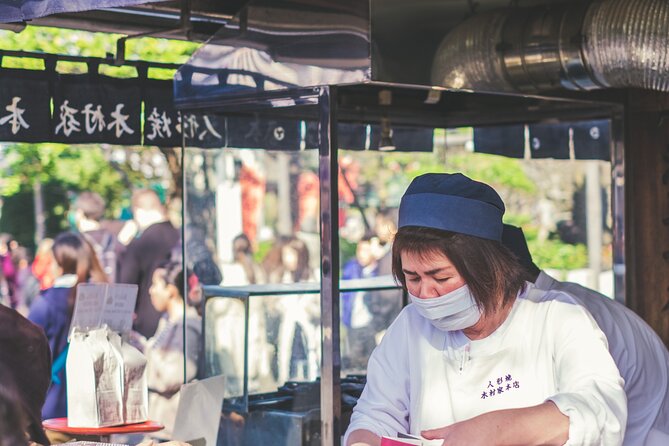
Tsukiji Outer Market is one of those places where Tokyo’s “food town” reputation makes sense immediately. The streets mix wholesale-style stalls with retail shops and lots of small eateries.
Plan for about 1 hour here, and keep it flexible. If you show up hungry, you’ll be tempted to snack constantly; if you show up with a shopping focus, you’ll have an easier time moving through.
Since admission is listed as free, your real cost is whatever you decide to sample or buy. The best approach is simple: pick 1–2 must-try snacks early, then use the rest of the time to browse.
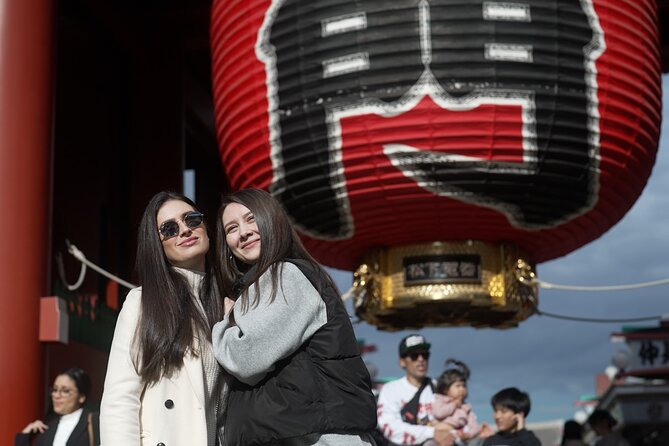
Stop 2: Senso-ji Temple and the old-meets-modern vibe
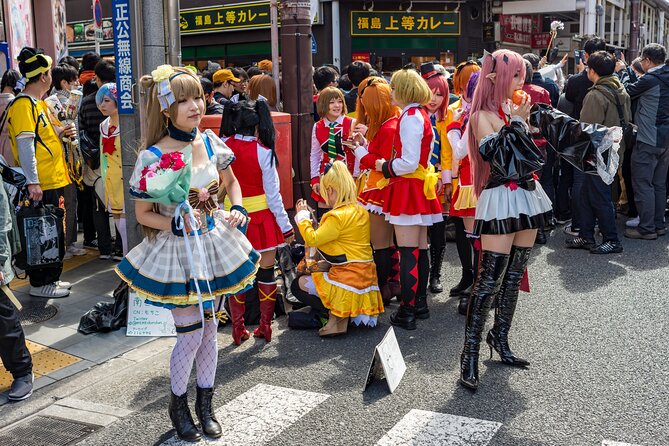
Senso-ji is the iconic Asakusa temple that almost every Tokyo list includes for a reason. It’s over 1,400 years old and one of Japan’s most visited temple sites.
You get about 1 hour and free admission. The good news is you don’t need deep planning to enjoy it, because the atmosphere is built for wandering—paper lanterns, incense-scented lanes, souvenir shops, and photo angles around every corner.
Practical tip: go in with an idea of what you want to capture—main gate view, temple hall frontage, and the lanes leading in. Since you’re dropped off rather than walked through step-by-step, a quick plan helps you avoid wasting time figuring out where to stand.


Stop 3: Imperial Palace for a calmer reset
The Imperial Palace is the long-running residential base of Japan’s emperors since 1868. Even when you don’t go into restricted areas, the grounds and ceremonial layout make it feel different from the surrounding neighborhoods.
This stop is about 1 hour, and admission is listed as free. It’s a nice rhythm change after crowded shopping streets and temple lanes.
Because this tour format doesn’t include a separate walking guide, you’ll want to use your chauffeur’s on-the-spot orientation. Ask where the best viewpoints are for your time window, then take photos and move on before you lose momentum.
Stop 4: Tokyo Skytree for skyline views (tickets not included)
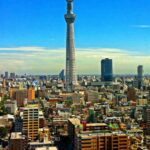
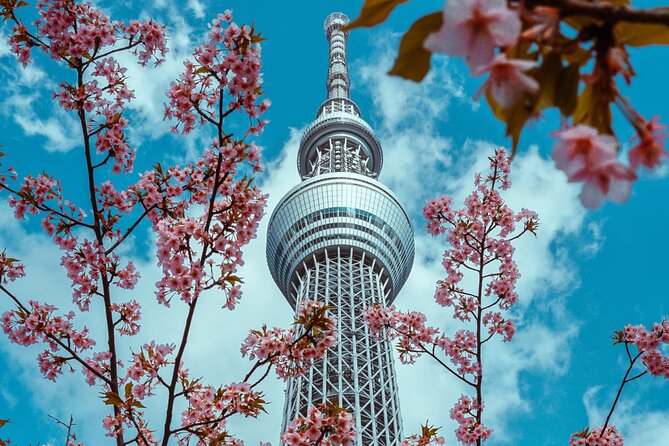
Tokyo Skytree is a major payoff stop. It’s 634 meters tall, with enclosed decks at 350 and 450 meters for wide city views.
The schedule gives about 1 hour, but admission isn’t included, so you’ll pay tickets separately. If you hate ticket lines, this is a good time to ask your chauffeur what to buy and what time slots make sense.
One smart move: check the weather before you commit. On clear days, Skytree can be breathtaking; on cloudy days, you’ll still get a sense of the city grid, but the view won’t have that sharp, postcard feel.
Stop 5: Tokyo Tower for a classic photo landmark
Tokyo Tower is another “big icon” stop, built in 1958 and standing at 333 meters. It’s often tied to Tokyo’s post–World War II era and the city’s modern image.
This portion is about 30 minutes, and admission is listed as not included. Since your time is short, focus on one or two photo angles rather than trying to do everything inside.
If your hotel is already near Tokyo Tower, you could potentially adjust how much time you spend here. The tour is private, so it’s easier to trade one stop for another that fits your group better.
Stop 6: Ginza shopping district without the guesswork
Ginza is upscale and polished—think luxury brands and fashionable streets rather than local side streets. It can feel a little like Tokyo’s fashion showroom, and it’s great if you want to browse without committing to a specific store.
The plan allows about 30 minutes, and admission is listed as free. Because the stop is short, you’ll get more out of Ginza if you walk with a purpose: pick one or two department stores or streets you want to hit, then wrap up before it turns into aimless wandering.
Stop 7: Takeshita Street for pop culture and sweet cravings
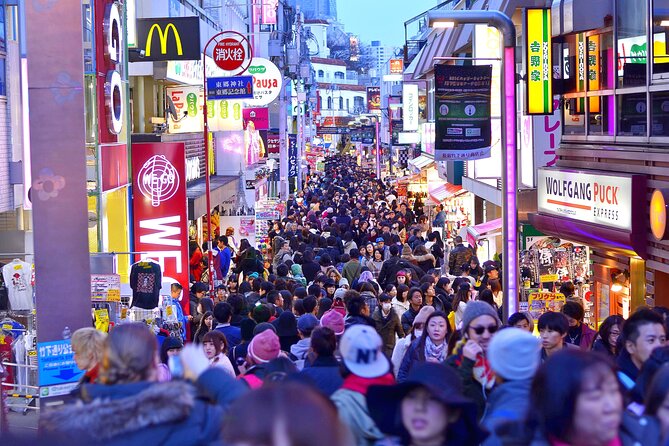
Takeshita Street is a youth-focused corridor known for colorful fashion and quirky, trend-driven shops. It’s also a strong stop if you like sweets—this is one of those areas where treats and snacks are part of the experience.
You have about 1 hour, and admission is listed as free. It’s crowded, so it helps to pick a “starting landmark” and take a slow loop rather than trying to cover every shop in one pass.
If your group includes different interests—shopping versus photos versus snacks—Takeshita Street is one of the rare stops where everyone can find their version of fun.
Stop 8: Odaiba District for water views and modern Tokyo
Odaiba is a man-made island area in Tokyo Bay. It mixes shopping and amusement options with parks and a coastline vibe.
This stop is about 1 hour, and admission is listed as free. The drive time into Odaiba is described as roughly 40 minutes, which is another reason the private-car approach shines: you can rest while you transit and not lose half your day to transportation logistics.
If you want one calmer break in the middle of the day, Odaiba works well. Even if you don’t shop, the bay setting gives a different feel than central Tokyo streets.
Stop 9: Shibuya Crossing for the world-famous chaos
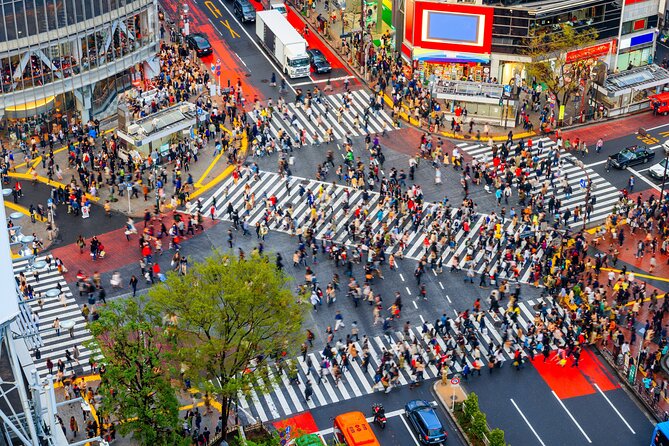
Shibuya Crossing is famous for a reason. It’s the busiest intersection in the world, surrounded by shops and restaurants that always seem to be moving.
You get about 30 minutes, and admission is listed as free. With limited time, your best strategy is to choose your photo spot early and commit to it—Shibuya is the kind of place where wandering can cost you the shot you came for.
If you’re thinking about timing, treat this like a mini photo mission. Arrive, frame, shoot, then walk a short distance to a second angle before your pickup time window.
Stop 10: Omotesando for cafe culture and design streets
Omotesando is known for cafe areas and stylish streets. It’s also described as a high-profile area for overseas coffee chains when they start opening in Japan, which fits its image as a trend-forward neighborhood.
This stop is about 30 minutes, and admission is listed as free. It’s short, but it gives you a final chance to pick up a drink, snack, or small souvenir without turning your last hour into a rush.
If you’re trying to end the day on a softer note than Shibuya, Omotesando is a good last stop type. You’re not forced into constant crowds the way you can be elsewhere.
What you get from the chauffeur besides driving
The chauffeur experience is the secret sauce here. Your driver provides English commentary in the vehicle, and their job includes finding practical routes and parking so you don’t waste time.
In several examples, drivers like Lookman and John were described as flexible and helpful with suggestions, while Adam was noted for handling parking and navigating traffic skillfully. That matters because Tokyo’s congestion can turn a “simple schedule” into a stressful day when you’re doing it yourself.
Also keep in mind: this isn’t a formal walking-guiding setup. A separate walking guide isn’t included, though the operator says it can be added at ¥15,000 per booking (with the walking guide who will drive the car). For most people, the in-car explanation plus your self-guided time at each stop is the right mix.
Pacing, crowds, and how to make this day feel right
This tour is intentionally packed. Even with a private car, Tokyo’s popular areas are crowded, and your time at each stop reflects that.
Here’s the trade: you get breadth and speed, but you don’t get a slow, deep museum-style experience at every location. One downside that can show up is if you want constant, detailed talk while you’re inside each site—this format mostly keeps the commentary in the car, then lets you explore on your own.
So, choose your priorities before you go. If your group cares more about viewpoints, lean into Skytree and Tokyo Tower. If you’re more into food and street culture, start strong at Tsukiji and takes in Takeshita early. If you want shopping variety, Ginza plus Omotesando is a nice pairing.
Weather can also matter. The experience notes good weather is required, and if it’s canceled due to poor weather you’re offered a different date or a full refund.
Should you book this Tokyo private car tour?
Book it if you’re the type who wants to see the big hits without turning your trip into a transportation puzzle. It’s especially strong for first-time Tokyo visitors, families, and groups of up to four who want comfort, speed, and an English-speaking guide in the car.
Skip it (or adjust expectations) if you want a fully guided, on-foot experience at each site. This is best when you’re happy to be dropped off and enjoy the place yourself, using your chauffeur’s explanations to point you in the right direction.
Finally, budget for the paid viewpoints and decide which paid stop(s) you truly want. Done with that mindset, this is a smart way to buy a smooth, iconic day of Tokyo for your group.
FAQ
How long is the Tokyo private sightseeing tour by car?
It runs for about 9 hours.
What group size does the car support?
A sedan fits up to 4 passengers, and a van fits 5–9 passengers.
Is pickup included, and is there an extra fee for airports?
Pickup is offered. If you need pickup or drop-off at Haneda, Narita, or Yokohama, there is an extra charge of ¥10,000 cash per booking.
Are admission tickets included for all stops?
No. Admission fees aren’t included. Some stops on the route are listed as free, while Tokyo Skytree and Tokyo Tower are listed as not included.
Does the driver speak English and provide commentary?
Yes. You’ll have an English-speaking chauffeur, and they provide commentary in the vehicle.
Can you add a walking guide?
A walking guide is excluded, but you can request one. The option listed is a walking guide who will drive the car, at ¥15,000 per booking.
What is the meeting time and what happens before the tour?
The start time is 9:00 am. The operator contacts you one day before the tour, and you receive confirmation at booking.