REVIEW · CHIANG MAI
Full Day Thai Cooking at Farm (Chiang Mai)
Book on Viator →Operated by Smile Organic Farm Cooking School · Bookable on Viator
Want Thai cooking you can repeat at home? That’s the real appeal here: a full day at Smile Organic Farm Cooking School with hotel pickup, a local market visit, and hands-on cooking in a calm farm setting near Chiang Mai. I like how the day is built like a food journey, not just a demo, and I also like that the class keeps you moving through multiple cooking styles. One drawback to consider: it’s an 8-hour, very hands-on schedule that starts at 8:00 am, so you’ll want a good breakfast and an empty stomach for the big tastings later.
What makes the day feel especially useful is the coaching focus and the way you can shape your own plate. People often highlight patient instruction and clear steps, including confidence with a wok and curry basics, and that matches what this format is designed to do. You also get choices—menu options by category, spice level from mild to spicy, and vegetarian or vegan versions—so the food you make is closer to what you actually want to eat.
In This Review
- Key Highlights Worth Your Attention
- From Your Hotel to a Local Market: How the Morning Starts
- Smile Organic Farm Cooking School: Choosing Your Menu and Your Pace
- The Organic Kitchen Garden: Where the Flavor Lessons Start
- 8 Thai Cooking Categories: What You’ll Actually Learn to Make
- Curry Paste and Curry: The Flavor Engine
- Stir-Fried Dishes and Soup: Technique with Speed
- Spring Rolls and Thai Salad: Classic Texture and Balance
- Dessert and Herbal Drink: The Thai Finish
- Eating What You Cook: The Part Most Classes Skip
- Vegetarian and Vegan Options, Plus Spice Control
- Price and Value: Why This Feels Like a Good Deal
- Who Should Book This Thai Cooking Day (and Who Might Prefer Something Else)
- Should You Book Full Day Thai Cooking at Farm (Chiang Mai)?
- FAQ
- Is pickup and drop-off included?
- What time does the tour start?
- How long is the cooking experience?
- Do you visit a market before cooking?
- What will you cook during the class?
- Can the menu be vegetarian or vegan?
- Can you choose how spicy the food is?
- What’s included in the price?
- Are there special rules for children?
Key Highlights Worth Your Attention
- Hotel pickup and drop-off from Chiang Mai city, so you don’t spend the day fighting traffic
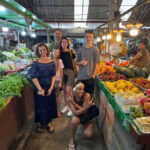
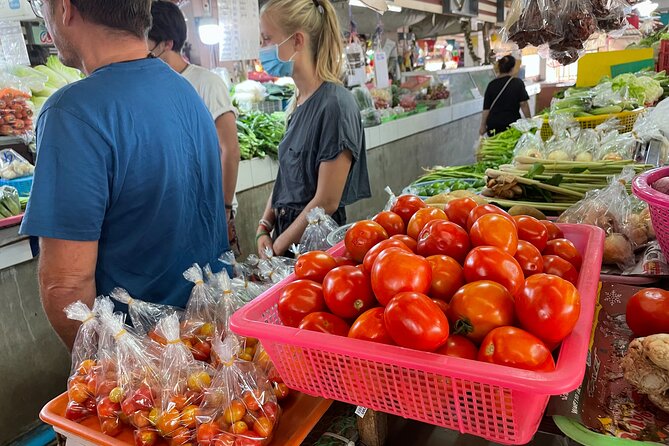
- Market stop before class to connect ingredients to what you’ll cook
- Small group size (max 12), which usually means you’re not waiting around for help
- 8 cooking categories covering everything from curry paste to spring rolls and dessert
- Vegetarian or vegan menus, with options you can translate to your own kitchen later
- Take-home recipe book and photo album so you can cook again without guessing
From Your Hotel to a Local Market: How the Morning Starts
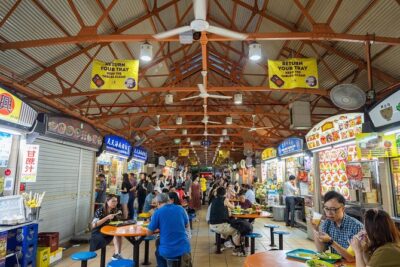
The day begins at 8:00 am, with pickup from your hotel or accommodation inside Chiang Mai city. The ride takes you out to the farm area, but first you get a short stop at a local market.
That market visit matters more than it sounds. It helps you connect the herbs, vegetables, and flavor bases you’ll use later to their real shapes, names, and textures. You’ll also get oriented to what Thai cooking is actually built on—fresh produce and aromatics, not complicated gadgets.
The other advantage is pacing. By the time you arrive at the cooking school, you’re not arriving “cold,” you’re already thinking about ingredients and how they work together.
You can also read our reviews of more tours and experiences in Chiang Mai.


Smile Organic Farm Cooking School: Choosing Your Menu and Your Pace
Once you reach the Smile Organic Farm Cooking School, you’ll go over the menu structure and choose what you want to cook in each category. This is the part I like most about this style of class: it doesn’t feel like you’re locked into one rigid script.
Instead, you’re guided through a menu where you can decide what goes into your meal plan. In practice, that means you can build a set of dishes that matches your spice tolerance and dietary preferences without losing the core Thai techniques.
The school also gives you a menu that works for different diets. Every menu can be made vegetarian or vegan, so you can keep it plant-based without feeling like you’re doing a “substitute version” of Thai food.
Then the group moves from planning into the garden and kitchen side of things, which is where the day becomes more memorable than a standard cooking class.
The Organic Kitchen Garden: Where the Flavor Lessons Start
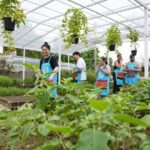
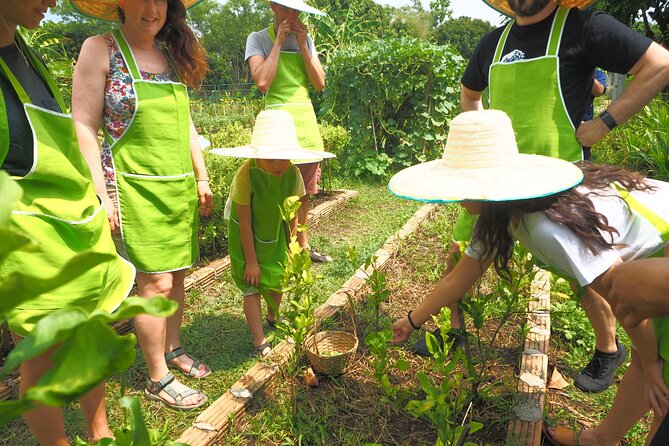
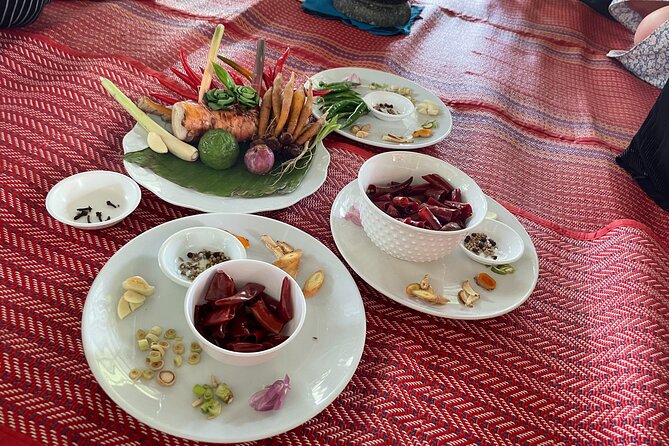
After the menu choice, you’ll learn about Thai herbs and vegetables in the organic kitchen garden. It’s not just “look at plants” sightseeing. You’re learning what grows, what’s used for Thai flavor, and why certain ingredients show up again and again in Thai dishes.
This is where you start picking up practical cooking sense. When you understand the role of herbs and the texture of vegetables, you can make better decisions later at home—like what to substitute and what not to.
If you’ve ever cooked a Thai dish and wondered why it didn’t taste right, a big part of the answer is usually ingredient identity and timing. Garden time is one way this class tries to shorten that gap.
8 Thai Cooking Categories: What You’ll Actually Learn to Make
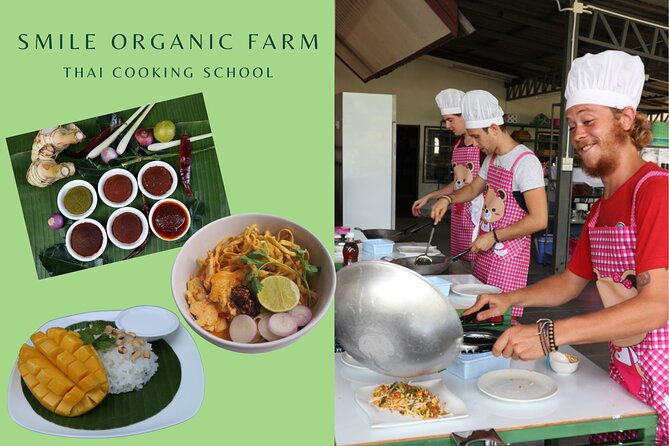
This course is organized around 8 cooking categories, and that structure helps you build real kitchen confidence instead of only learning one dish. You go through core Thai techniques across curry, stir-fry, soups, and classic snacks, plus a dessert and a herbal drink.
Here’s what you can expect to cook:
- Curry Paste
- Curry
- Stir-Fried dish
- Soup
- Spring Roll
- Thai Salad
- Dessert
- Herbal Drink
One of the most useful parts is that you can decide how spicy you want your food. Mild or spicy, you’re still learning the technique and the flavor building blocks, which means you’re not training yourself to cook only one extreme.
Also, because the menus can be vegetarian or vegan, you’ll learn how Thai cooking’s core taste patterns translate to plant-based versions. That’s a huge plus if you want to cook for friends and family who avoid meat, or if you simply want lighter meals.
Curry Paste and Curry: The Flavor Engine
Curry paste is where Thai cooking’s “why it tastes right” magic starts. Even if you’ve eaten curries for years, making paste gives you a new level of understanding about aroma, balance, and how spices are combined.
Then you move into curry itself, which is where paste becomes sauce and depth. The goal isn’t just a bowl of food—it’s learning how curry behaves during cooking.




Stir-Fried Dishes and Soup: Technique with Speed
Stir-frying teaches you how Thai cooking handles heat, timing, and texture. Soup adds another angle—how flavors open up and change as they simmer.
Together, these two categories help you cover two common Thai eating moments: quick hot dishes and comforting liquids. You’ll also learn how to avoid the common home-kitchen issues like overcooking vegetables or losing aromatics.
Spring Rolls and Thai Salad: Classic Texture and Balance
Spring rolls are all about structure. You’ll get hands-on with the assembly side and how to keep that crunch and filling balance.
Thai salad, on the other hand, is about harmony—sour, salty, sweet, and fresh elements coming together. If you like Thai salads in restaurants, this is one of the best ways to stop guessing and start recreating.
Dessert and Herbal Drink: The Thai Finish
Dessert and herbal drinks round out the day so you don’t just end with savory satisfaction. Desserts in Thai cooking often follow a different logic than what you might expect if you’re thinking only in Western categories.
The herbal drink also fits the bigger Thai pattern: food plus something cooling or soothing to finish the meal.
Eating What You Cook: The Part Most Classes Skip
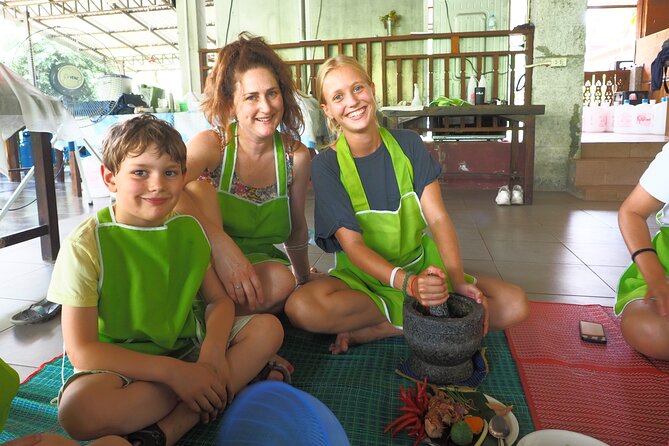
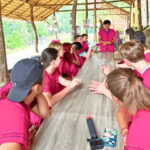
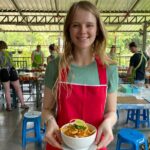
After all the cooking, you eat the Thai food you prepared with your group in a relaxing atmosphere. This is not a tiny snack moment. You’re tasting meals you built across multiple categories, which makes the final sitting feel like the “proof” of what you learned.
This part is surprisingly valuable for learning. When you taste your own curry, salad, and stir-fry back-to-back, you quickly understand which flavors are louder and which ones need adjustment. It’s the moment where “technique” turns into “memory.”
Also, small-group setup helps. With up to 12 travelers, the meal feels like a shared experience instead of a factory line.
Vegetarian and Vegan Options, Plus Spice Control
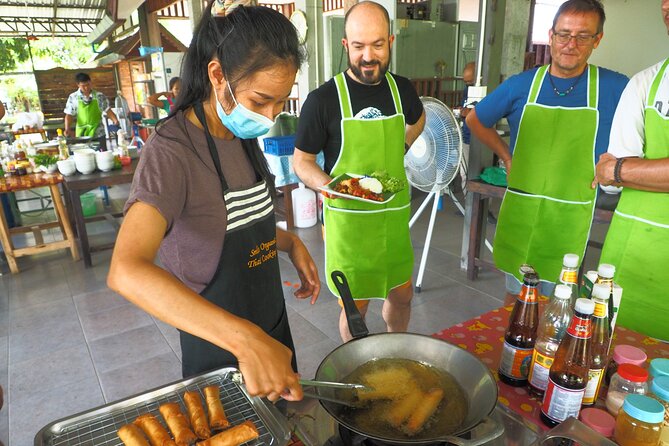
The class is built so that every menu can be vegetarian or vegan. That means you can keep the experience true to Thai food patterns without forcing yourself into a basic “no meat” version.
Spice control is another big deal. You can choose spicy or mild, and that flexibility is practical. If you’re traveling with mixed spice preferences, this structure helps everyone enjoy the meal you cook instead of forcing the group into one heat level.
This is also one of the easiest ways to turn this class into a repeatable skill at home. If you learned the process in a way you actually like to eat, you’ll be more willing to cook again.
Price and Value: Why This Feels Like a Good Deal
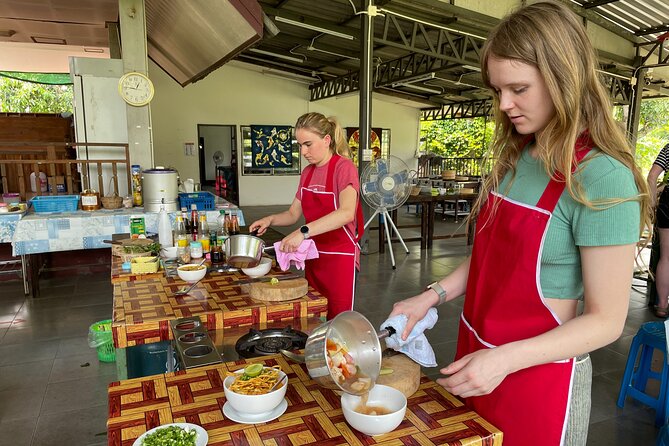
At $39.13 per person for an approx 8-hour experience, this class prices itself like good value—especially because it’s a full day and not a short workshop. What pushes it into “worth it” territory is what’s included and how structured the day is.
You get:
- all the ingredients
- a recipe book
- a photo album
- and the guided cooking across 8 categories
Add in the hotel pickup and drop-off from Chiang Mai city, and you’re paying for something more than instruction. You’re paying for the whole workflow: market context, farm-kitchen atmosphere, guided steps, and food at the end.
The small group size (max 12) also supports the value angle. When classes are larger, you often get stuck waiting for help. Here, the structure suggests you’ll spend more time cooking and less time watching.
One practical note: with a start time of 8:00 am, budget your day accordingly. You’ll likely want nothing scheduled right after pickup on the return day, because you’ll be fed and tired in a good way.
Who Should Book This Thai Cooking Day (and Who Might Prefer Something Else)
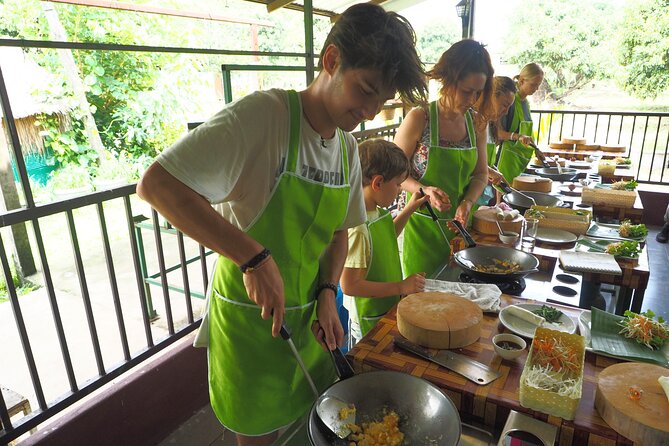
I think this is a strong fit if you want:
- a hands-on Thai cooking day, not a lecture
- multiple dish categories in one outing
- plant-based flexibility (vegetarian or vegan)
- and coaching that helps you build confidence with core Thai techniques
It’s also ideal if you want an organized way to learn the building blocks of curry, stir-fry, salads, and snacks. After a day like this, you’re not just thinking about recipes—you’re thinking about flavor roles and texture goals.
If you hate early mornings or you prefer very casual, low-structure activities, this one might feel like too much. The day is active, and you’ll be working through steps across several categories.
Should You Book Full Day Thai Cooking at Farm (Chiang Mai)?
Book it if you want a full day of cooking that ends with a real meal you made, plus take-home materials you can use right away. The market stop, the garden learning, and the 8-category structure make it feel like a complete Thai cooking crash course instead of a single-dish class.
I’d pass or look for alternatives if you’re short on time, dislike cooking at all costs, or want a purely “watch and taste” experience. Also, if you’re very sensitive to spice, plan to choose mild early so your dishes stay enjoyable from start to finish.
FAQ
Is pickup and drop-off included?
Yes. The tour includes pickup and drop-off from your hotel or accommodation in Chiang Mai city.
What time does the tour start?
The start time is 8:00 am.
How long is the cooking experience?
It’s listed as about 8 hours.
Do you visit a market before cooking?
Yes. You’ll visit a local market briefly before heading to the farm cooking school.
What will you cook during the class?
You learn basic Thai cooking in 8 categories: curry paste, curry, stir-fried, soup, spring roll, Thai salad, dessert, and herbal drink.
Can the menu be vegetarian or vegan?
Yes. Every menu option can be made vegetarian or vegan.
Can you choose how spicy the food is?
Yes. You can decide to make your food spicy or mild.
What’s included in the price?
The tour includes all ingredients, a recipe book, and a photo album.
Are there special rules for children?
Yes. Children 0–3 years old are free. Children between 4–8 years old have a visitor price. Children above 9 years old can participate and cook at their own station.