REVIEW · TOKYO
Tokyo: Hakone Fuji Day Tour w/ Cruise, Cable Car, Volcano
Book on GetYourGuide →Operated by GORYO TRAVEL CO. LTD. · Bookable on GetYourGuide
Fuji day trips can be fickle, and this one plays smart. You’ll ride a pirate boat on Lake Ashi, then take the Hakone Ropeway for high-up views, with Owakudani’s volcanic action thrown in.
I especially like two parts. First, the Lake Ashi cruise feels fun and a bit theatrical, and it’s one of the quickest ways to set your eyes on Mount Fuji from a different angle. Second, Owakudani’s Great Boiling Valley is real-deal geothermal weirdness, capped off with the legendary Kuro Tamago black boiled egg.
My main caution is weather. Visibility changes fast around Hakone, and if high winds close the ropeway or cruise, you’ll still do the day, but the Fuji moment may shrink or shift.
In This Review
- Key highlights you’ll care about
- Why Hakone feels like a whole different day from Shinjuku
- The Lake Ashi pirate cruise: the Fuji test drive
- Hakone Ropeway up Mt Hakone: swapping water views for sky views
- Owakudani’s Great Boiling Valley: steam, sulfur, and Kuro Tamago
- The rest of the day: Gotemba outlets and the Fuji-view onsen choice
- Timing, comfort, and what the “10 hours” really means
- Guides matter: what English level you should expect
- Food, costs, and how to judge the $98 value
- Who this tour suits best (and who should skip it)
- Should you book this Hakone Fuji day tour?
- FAQ
- How long is the Hakone Fuji day tour?
- What’s included in the tour price?
- Are meals included?
- Is the hot spring included?
- Where do I meet the tour and where can I be dropped off?
- What languages does the guide speak?
- What if the weather is bad or the ropeway/cruise closes?
Key highlights you’ll care about
- Pirate-boat cruise on Lake Ashi: a short ride with big payoff for Fuji views
- Hakone Ropeway up Mt Hakone: quick altitude gain for fresh perspectives
- Owakudani Great Boiling Valley: sulfur, steam, and a chance to try Kuro Tamago
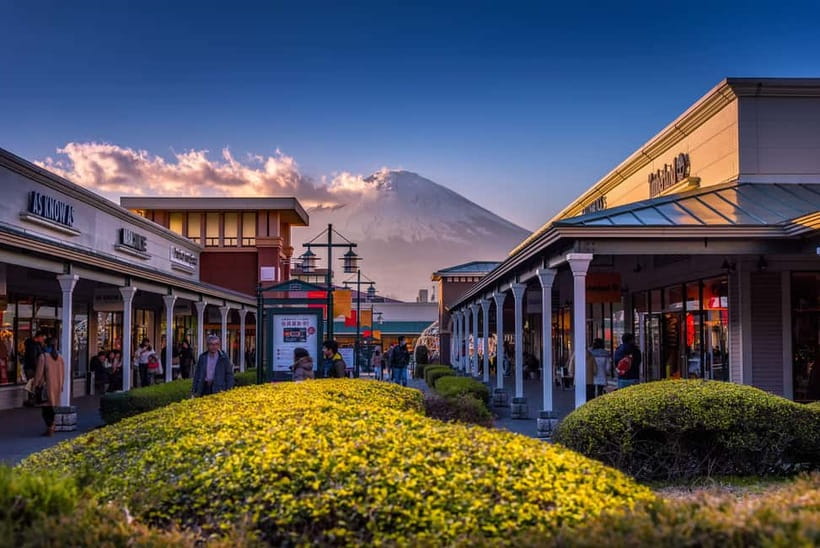
- Gotemba Premium Outlets with Fuji views: two hours of shopping time and good scenery
- Gotemba Onsen Kaikan: a chance to soak with Fuji in the background when the sky cooperates
- Air-conditioned bus: a long day made easier, and some coaches even have phone charging ports
Why Hakone feels like a whole different day from Shinjuku
This tour is built for people who want Tokyo convenience without staying inside Tokyo. You leave Shinjuku on an air-conditioned bus and spend the day working your way around Mount Fuji’s neighborhood: lake, mountain cable car, active volcano zone, then either hot springs or outlet mall time.
The day’s rhythm matters. You’re not trying to do everything on your own rail pass and bus transfers. Instead, you get guided pacing so you can spend mental energy on the sights, not on figuring out the next stop.
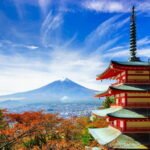
And yes, Fuji is the star. But the smarter goal is to see how many different ways Hakone frames the mountain—water level, then above the clouds, then from the onsen/outlet area depending on the day.
You can also read our reviews of more tours and experiences in Tokyo.

The Lake Ashi pirate cruise: the Fuji test drive
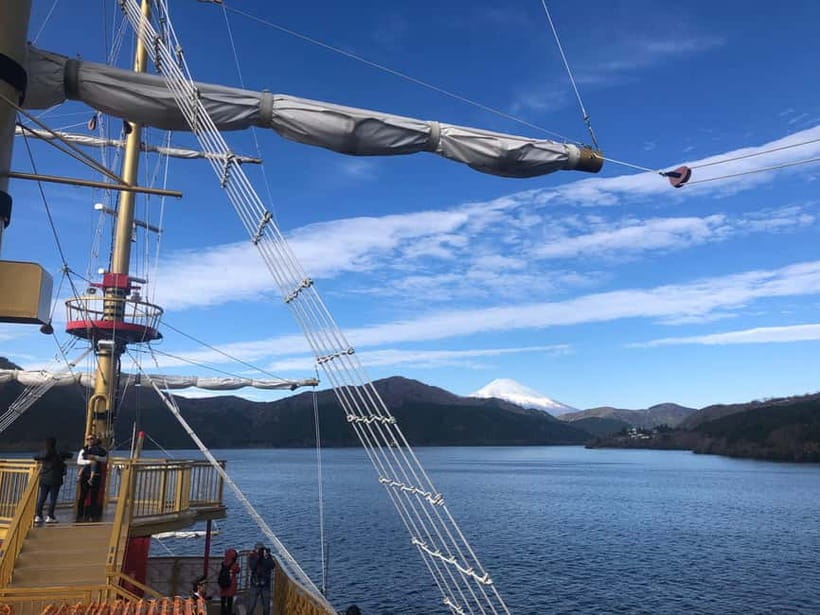
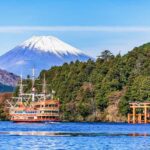
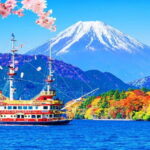
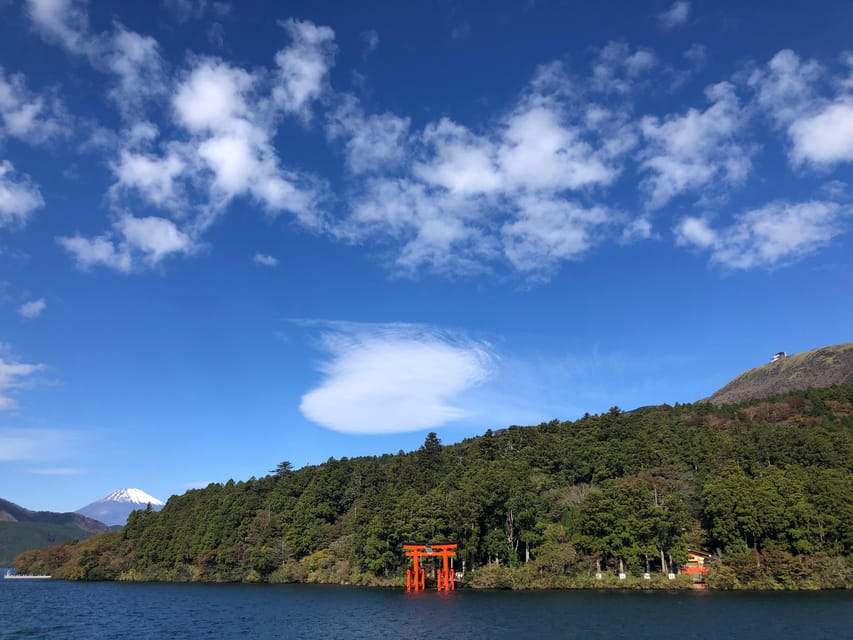
Lake Ashi (Ashinoko) is the calm stage for the whole operation. You board a decorated “pirate” style boat and take a cruise that’s about 30 minutes—long enough to settle in, but short enough to keep the rest of the day flexible.
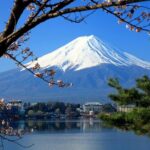
This is where you’ll usually get your first serious Fuji attempt. On clear days, the lake can give you that classic “Fuji peeking out” feeling, and even when the mountain is partial, the steam-and-water atmosphere still feels special.
Practical tip: for a boat ride in Japan, dress for comfort more than style. Wind can cut across the lake even when Tokyo feels warm, and you’ll want layers you can move in.
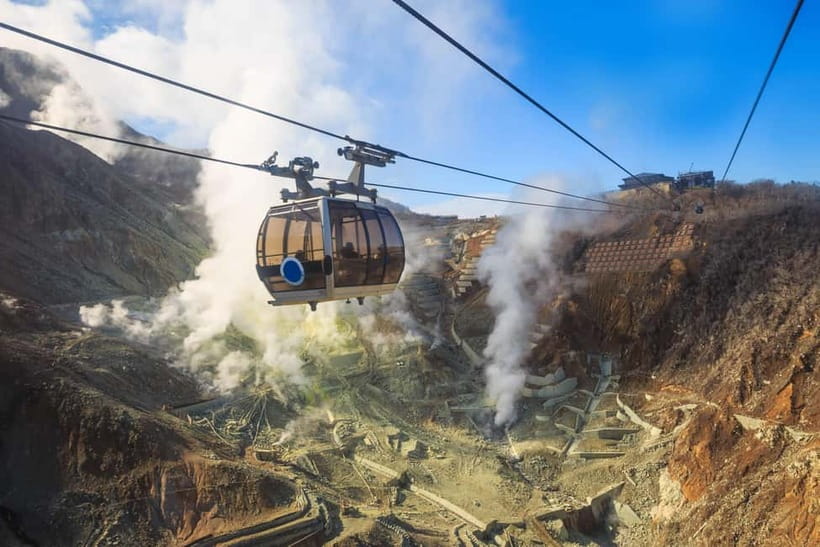
Hakone Ropeway up Mt Hakone: swapping water views for sky views
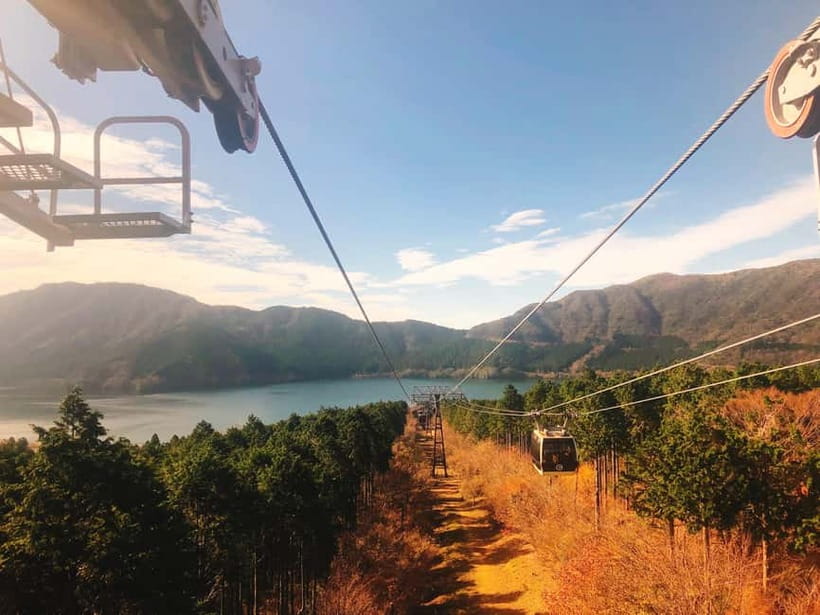
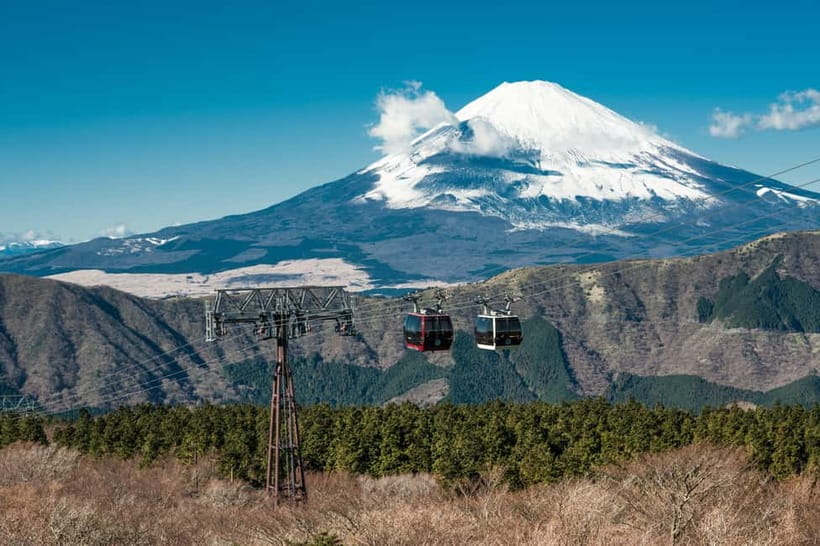
After the lake, you head into the air with the Hakone Ropeway. The ride is short—about 20 minutes—but it changes the game because you’re gaining elevation quickly and moving the Fuji conversation to a different plane.
The ropeway stop gives you a second chance at clearer mountain views. Even if you didn’t get a perfect Fuji moment on the water, you may get a better look once you’re up where clouds and haze don’t sit the same way.
One more reality check: visibility depends on the weather. The tour info is clear that ropeway and cruise operations can be affected by wind, and that can change how the day unfolds. The upside is the itinerary still keeps moving.
Owakudani’s Great Boiling Valley: steam, sulfur, and Kuro Tamago
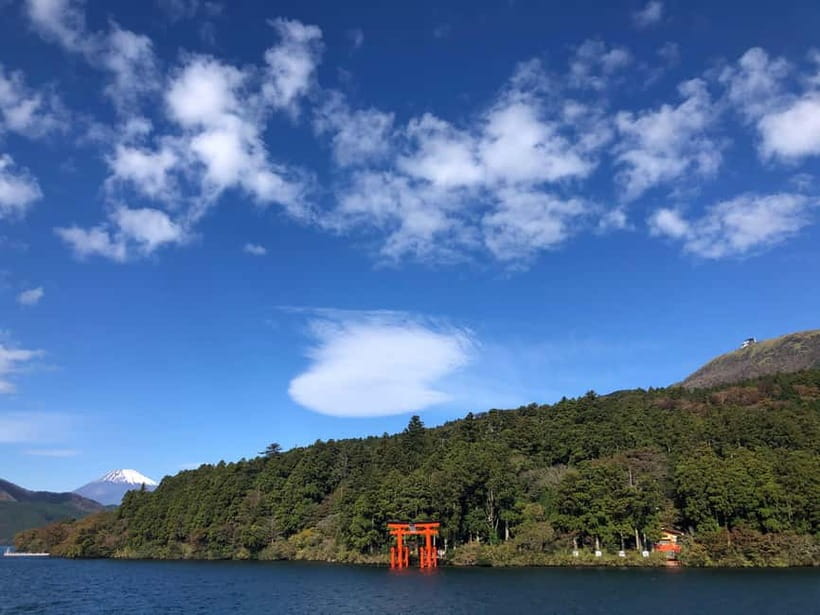
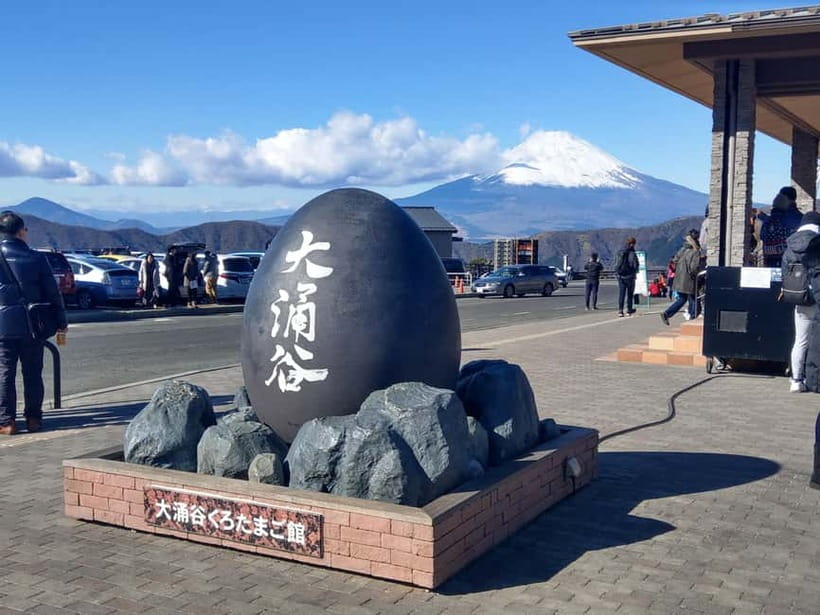
Then you hit the volcano zone—Owakudani, the Great Boiling Valley. This is the part that feels most alive. You’re around geothermal activity where you’ll notice sulfur and the kind of intense volcanic atmosphere that’s hard to fake anywhere else.
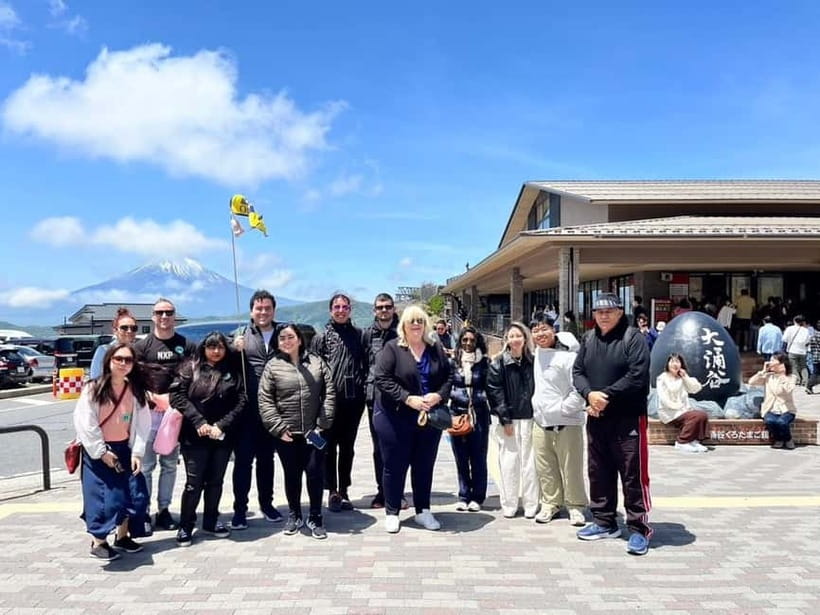
You’ll get about 75 minutes here, with time for photos, exploring, and grabbing lunch. This stop is also where the tour leans into local legend: the black boiled egg, Kuro Tamago.
The egg comes with a story—people say it adds seven years to your life. Whether you buy the legend or not, trying the egg is one of the easiest ways to interact with the culture of the place, not just watch it from a distance.
Two practical considerations:
- Comfortable shoes matter here because you’ll likely walk more than you expect in a volcanic area.
- Bring warm layers. Geothermal places can feel colder once you’re standing around steam and wind.
The rest of the day: Gotemba outlets and the Fuji-view onsen choice
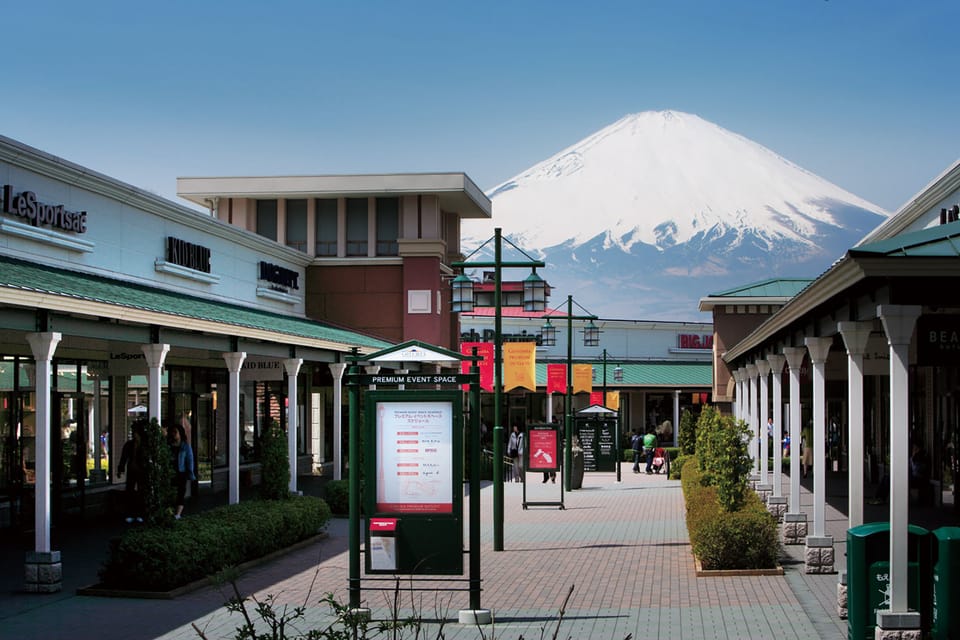
After Hakone, the tour shifts gears from nature to city pleasures. You have about two hours at Gotemba Premium Outlets, a large outlet mall where you can even catch views of Mount Fuji from inside the shopping complex.
This part is pure convenience if you like practical shopping. It’s one of those stops where you can find deals fast, and it’s also a good “weather backup.” If Fuji is hidden outside, you still get a fun break with lots of options.
Then there’s the hot spring option: Gotemba Onsen Kaikan for about an hour. The onsen is a classic Japan experience, and the big draw for this tour is that it can come with Fuji views when conditions allow.
Important detail: hot spring entry (and towel) is not included. Some people treat the onsen as their main recovery time after walking. Others prefer to shop first and soak later, or split the day so they don’t feel rushed.
From the tour feedback I saw, people tend to love the onsen because it turns a long day into something more restorative. If you’re choosing between shopping and soaking, decide based on what your body needs more—feet relief or time for deals.
Timing, comfort, and what the “10 hours” really means
On paper it’s a 10-hour day with a return to Shinjuku around 6:00 PM. In real life, the schedule moves based on road conditions and weather. The tour info also notes that serious traffic jams can shift timing, and that closures due to wind can adjust the ropeway/cruise plan.
Comfort is a real part of the value here. You’re on an air-conditioned coach all day, and at least some departures have charging ports for your phone. That sounds minor until you’re sitting through long stretches of bus time with maps, photos, and battery anxiety.
Itinerary pacing also affects how your afternoon feels. Some days run the Hakone portion smoothly and early, meaning you can get a bit more time back where you want it—often outlets. Other days slow down, and you’ll feel the day compress into fewer experiences rather than adding new ones.
Guides matter: what English level you should expect
This tour is guided, and the guide languages are Chinese and English. The names that show up in feedback include Tina, Jeff/Jeffry, Vicky, Jax, and Ivan, and the tone is mostly very positive about clarity and organization.
Still, one practical caution: English clarity can vary by guide. I saw both strong praise for guides who explain each step clearly and a note that one leader’s English was hard to understand. If you’re traveling with others who rely heavily on English, it can help to keep your expectations flexible and ask quick questions when you’re unsure.
A good guide also helps you avoid small stress points, like where to eat near drop-off areas or how to time your own breaks. Even if the guide can’t change the entire schedule, they can often help you make the most of the time you do have.
Food, costs, and how to judge the $98 value
At $98 per person, this is a day tour price, not a “cheap bus ride to some rocks” price. What you’re paying for is transportation plus entry to key transport experiences: the Lake Ashi cruise ticket, the Hakone Ropeway ticket, the air-conditioned bus, and a guide.
That’s why it can feel like good value versus trying to string together everything independently from Tokyo in a single day. You’re not just buying tickets—you’re buying reduced friction.
What’s not included:
- Food or drink (you’ll handle meals yourself)
- Personal expenses
- Hot spring ticket and towel
So if you know you’ll want an onsen, budget extra for it. If you skip onsen and focus on outlets, your extra costs will be mostly lunch and shopping.
Also plan for this: the day includes a lot of “short stops.” You’ll want to eat before you get starving, not after you feel annoyed. Pack a snack if you’re the type who gets cranky when food gets late.
Who this tour suits best (and who should skip it)
This tour fits best if you want a structured day trip with iconic Hakone highlights and you don’t want to manage transfers. It’s also great for people who love views that change by the minute: water to mountain air to volcanic steam to a Fuji backdrop at an onsen or outlet mall.
It’s not a match if you have heart problems or respiratory issues. That’s explicitly listed as a restriction, and it makes sense given you’ll be moving through elevation and walking during multiple stops.
If your top goal is Mount Fuji itself, know that you’re dealing with real mountain weather. One piece of advice echoed in feedback is that if Fuji is your only priority, you might want an alternative area with better odds, because Hakone often gets cloud cover.
But if you want the whole package—boat, cable car, volcano, and the Japan day-experience feel—this tour is a strong choice.
Should you book this Hakone Fuji day tour?
I’d book it if you want an efficient, guided day that mixes big icons with enough variety to keep the day from feeling repetitive. The combo of Lake Ashi pirate cruise + Hakone Ropeway + Owakudani is exactly the kind of “one-day greatest hits” route that works well from Tokyo.
I’d hesitate if your plan is fragile around Fuji visibility. Weather matters here, and the schedule can adjust if the ropeway or cruise can’t run. If you’re the type who can only enjoy the day if Fuji is crystal-clear, you’ll feel the risk.
If you go anyway, go with the right mindset: you’re not only chasing a perfect photo. You’re seeing how Hakone and Fuji interact—on water, in the air, and in the steam of an active volcano region. That’s the kind of day that still lands, even when the mountain plays hard to get.
FAQ
How long is the Hakone Fuji day tour?
It runs for about 10 hours, with return to Shinjuku by around 6:00 PM. The exact timing can shift depending on road conditions and traffic.
What’s included in the tour price?
The price includes the sightseeing cruise ticket, the Hakone Ropeway ticket, transportation in an air-conditioned bus, and a guide.
Are meals included?
No. Food and drink are not included, so you’ll need to budget for lunch and snacks during the day.
Is the hot spring included?
No. Gotemba Onsen Kaikan hot spring time is part of the schedule, but the hot spring ticket and towel are not included.
Where do I meet the tour and where can I be dropped off?
The meeting point can vary depending on the option booked. The tour departs from Shinjuku area (with options listed), and you can be dropped off at the hot springs in Hakone depending on the plan.
What languages does the guide speak?
The guide speaks Chinese and English.
What if the weather is bad or the ropeway/cruise closes?
Visibility for Fuji depends on weather. If the weather is too bad or the ropeway and cruise are closed due to strong wind, the itinerary may change. If cancellation is needed, customers are informed on or before 2:00 PM the day before.