REVIEW · TOKYO
Tokyo: Mount Fuji Day Tour with Optional Buddha & Lake Ashi
Book on GetYourGuide →Operated by AMIGO TOURS JAPAN GK · Bookable on GetYourGuide
Fuji in one long day from Tokyo. This Mount Fuji day tour strings together iconic viewpoints and traditional stops around the mountain, with options that can add a Lake Ashi cruise and even a Great Buddha visit. It’s a lot of ground for one day, but that’s the point.
I especially like the bilingual English/Spanish guide setup and the way guides keep the day understandable and fun. In the feedback, guides such as Raoul, Jorge (George), Eric, and Manu keep things moving, answer questions patiently, and help you time your photos. I also like that you get multiple “Fuji framing” chances, including the famous Arakurayama Sengen Park area and the Chureito Pagoda view, plus Oshino Hakkai ponds if your route includes it.
The main consideration is that weather controls Mount Fuji visibility, and the day can feel packed because you’re riding a bus for long stretches and timing can slip during heavy traffic. You’re still visiting great places either way, but your views may vary.
In This Review
- Key points to know before you go
- How the Fuji day tour fits into your Tokyo trip
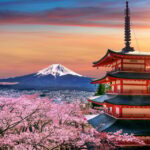
- Classic Mt. Fuji views at Arakurayama Sengen Park and Chureito Pagoda
- Oshino Hakkai’s spring ponds: clear water at Fuji’s foot
- Lake Ashi and the Hakone Pirate Ship: the cruise option’s payoff
- Optional Buddha add-ons: Kotoku-in’s 13-meter bronze statue
- Timing, traffic, and how to keep the day fun
- Food, cash, and what to pack for the road
- Price and value: what $50 gets you
- Who should book this Fuji day tour
- Should you book this Mount Fuji day tour?
- FAQ
- What languages are the guides?
- What’s included, and is food provided?
- Do I get the Lake Ashi cruise and the Hakone Pirate Ship?
- Which Great Buddha can I visit, and how big is it?
- What should I bring, and do I need cash?
- Is the tour wheelchair friendly, and what’s the cancellation window?
Key points to know before you go
- Classic Mt. Fuji photo stop at Chureito Pagoda: One of the most recognizable views of the mountain in Japan.
- Oshino Hakkai’s spring ponds: Crystal-clear water at the mountain’s foot, with a calm, village-style feel.
- Lake Ashi cruise option: If you choose it, you’ll see Lake Ashi with strong Fuji views when skies cooperate.
- Hakone Pirate Ship experience: A memorable way to move across Lake Ashi rather than just sitting on land.
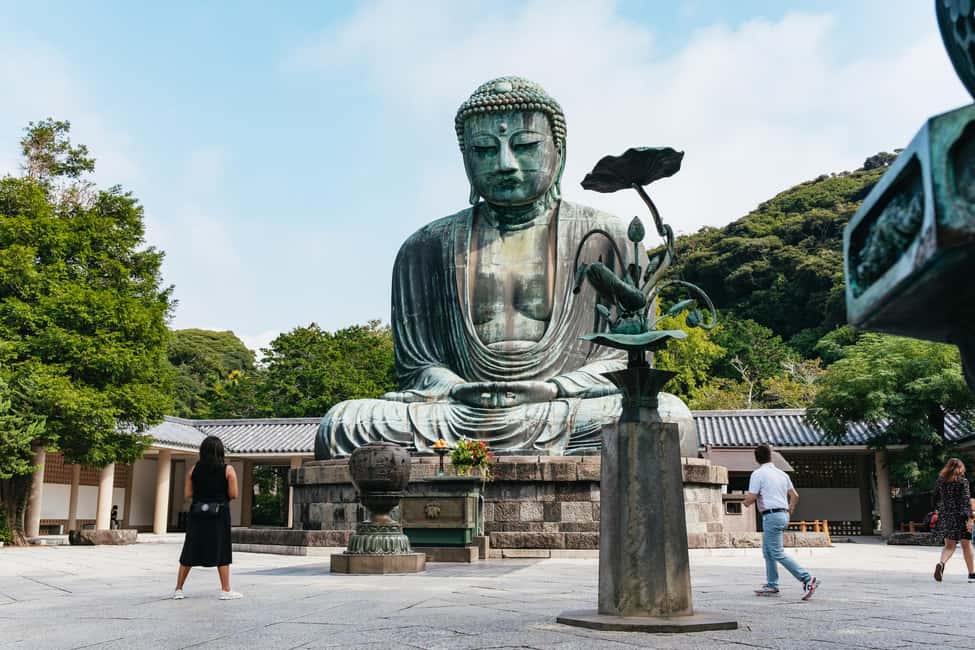
- Optional Great Buddha add-ons: Kotoku-in (13-meter bronze) and, on some routes, Kamakura’s Great Buddha.
- A day that runs on timing: Expect long bus segments and photo windows that are short but well planned.
How the Fuji day tour fits into your Tokyo trip
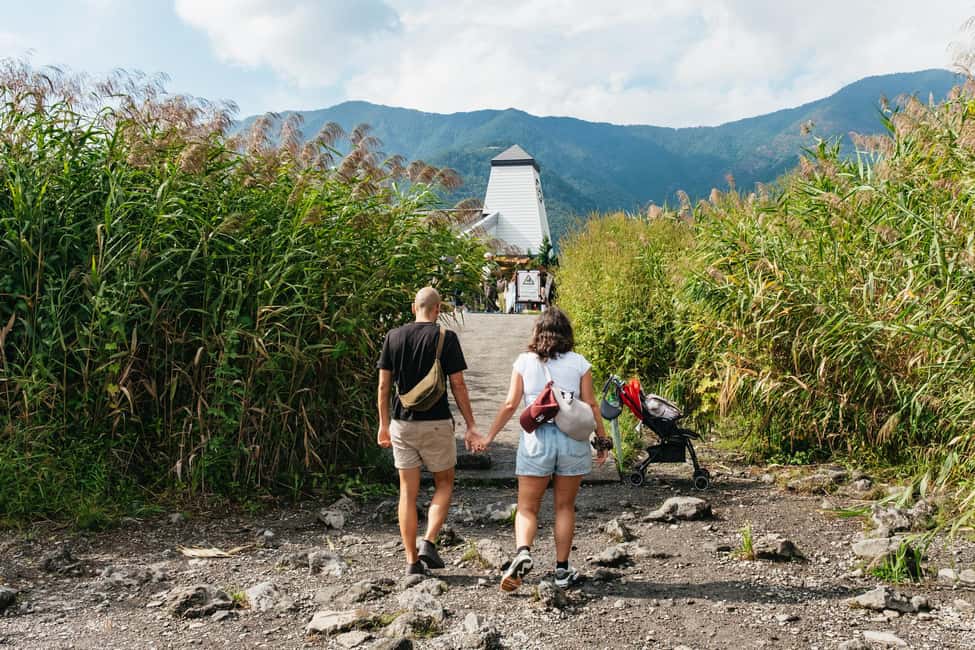
This is a full-day outing based in Honshu with round-trip logistics built around one goal: seeing Mount Fuji and the surrounding highlights. You start at a meeting point that can vary by option, and you end back where you started. The promise is not just one viewpoint. It’s a chain of stops designed to raise your odds of seeing Mount Fuji clearly.
At $50 per person, the value comes from how the day is packaged: a bilingual guide, transportation, and key admissions where applicable. And the way options work means you can tailor the day toward scenery (Lake Ashi) or culture (Buddha stops), instead of being locked into one fixed script.
One practical note: the itinerary varies by option, so you may not see every cultural landmark and every shopping stop on every route. That flexibility is great, but it also means you should choose your add-ons based on what you want most.
You can also read our reviews of more tours and experiences in Tokyo.
Classic Mt. Fuji views at Arakurayama Sengen Park and Chureito Pagoda

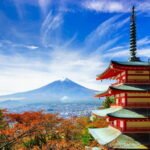
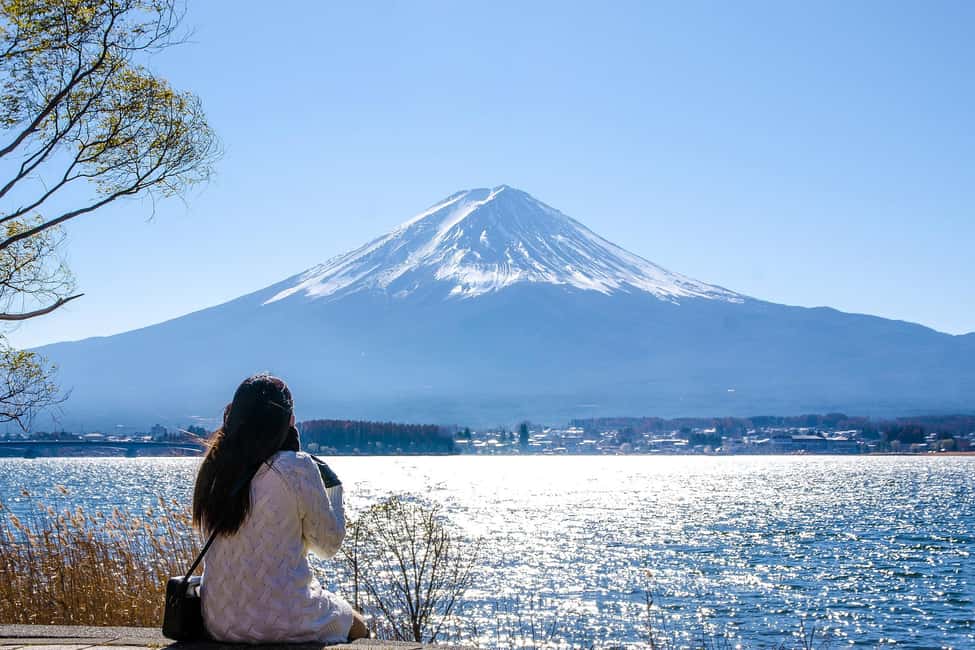
One of the best parts of this tour is how it attacks Mount Fuji sightings from a classic angle. Many routes include Arakurayama Sengen Park and the Chureito Pagoda, a famously photogenic spot where you’re positioned to get that layered “pagoda with Fuji behind” look.
Why it matters: this kind of viewpoint is hard to replicate on your own if you’re short on time or you’re trying to juggle train transfers. Here, your guide handles the timing and you’re guided to the spots that have the right sightlines.
The drawback is also simple: viewpoints are weather-dependent. When clouds roll in, you might get partial views or a quick clearing rather than a guaranteed full reveal. The smart move is to treat this as a photo attempt window. Bring your camera, stand where the guide directs, and don’t overthink it.
Oshino Hakkai’s spring ponds: clear water at Fuji’s foot
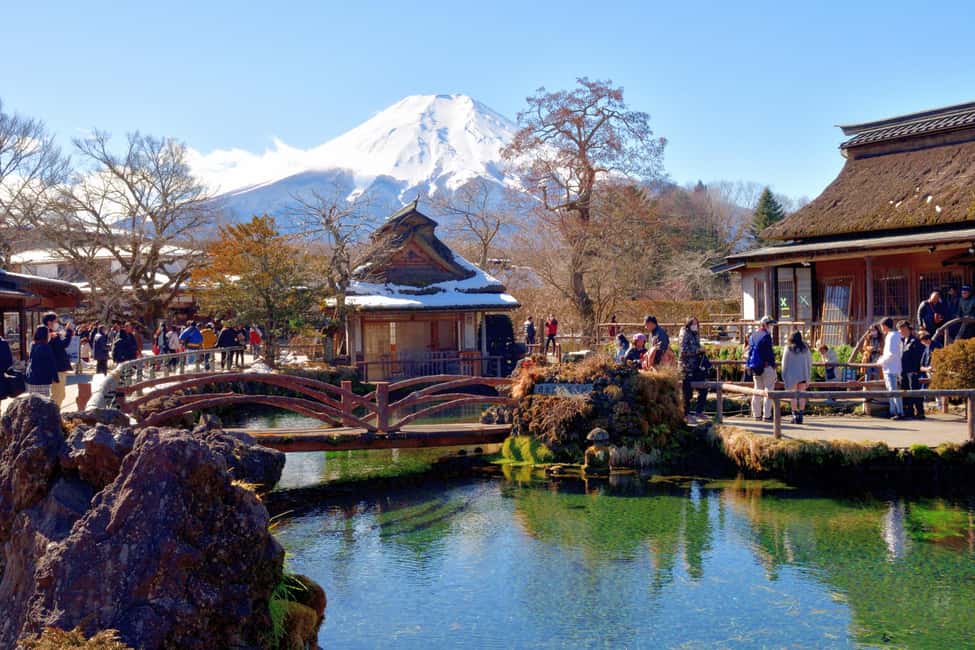
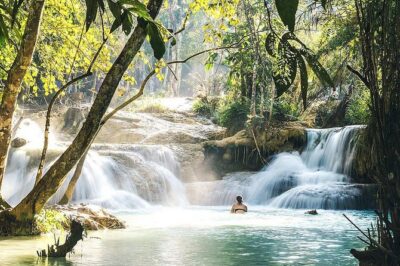
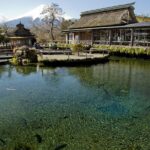
If your route includes it, Oshino Hakkai is one of the calmer, more scenic contrasts to the big photo moments. This small village is known for its crystal-clear spring ponds, fed by mountain water sources tied to the Mount Fuji region.
What makes it special on a guided day: you can walk the ponds and small lanes without worrying about how to get there. Plus, guides often help you understand what you’re seeing, which makes the stop feel less like a quick photo stop and more like you’re learning how the area works.
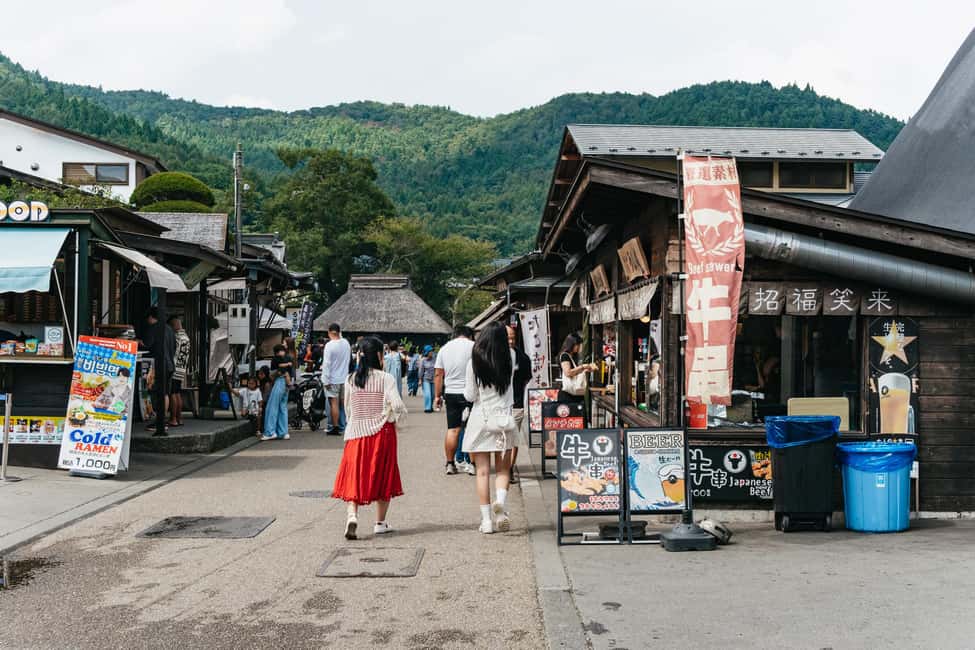
A practical consideration: the ponds and village layout can be very pleasant, but the stop duration is part of a packed schedule. So don’t plan this as a long wander unless your option explicitly leaves breathing room. Aim to enjoy the water views first, then shop or snack if time allows.
Lake Ashi and the Hakone Pirate Ship: the cruise option’s payoff
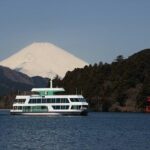
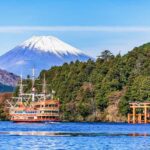
For many people, the highlight add-on is the Lake Ashi experience. With the selected option, you get a cruise on Lake Ashi, and the tour description also points to the Hakone Pirate Ship as the signature way to cross the water. Some routes give you multiple angles on the lake, which helps if visibility changes during the day.
Why it’s worth paying attention to: a cruise turns a “look at a view” day into a “feel like you’re part of the scenery” day. Lake Ashi also tends to offer different Fuji perspectives than the mountain viewpoints, so you get variety, not just repeats.
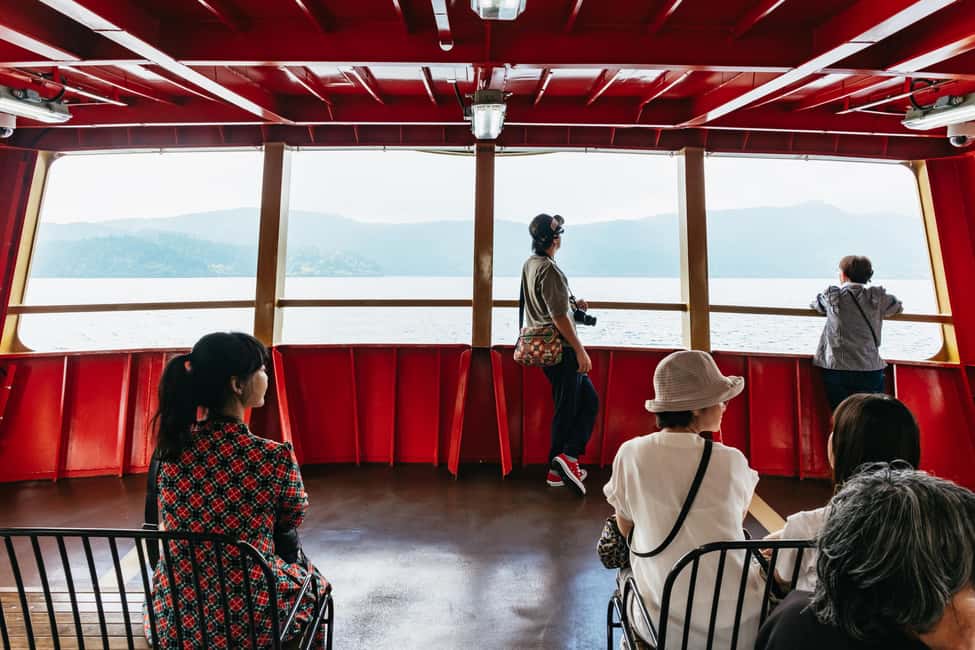
One useful heads-up from the experience details: pictures online can make it look like you’re on a more characterful ship, but the actual boat experience can feel more straightforward once you’re onboard. That doesn’t ruin it, but it helps to set the right expectations.
If you’re choosing between options, think like this:
- If you want more scenery time and stronger lake photography, pick the Lake Ashi cruise option.
- If you want more temple and historic emphasis, prioritize the Buddha add-on and treat the lake as a supporting character.
Optional Buddha add-ons: Kotoku-in’s 13-meter bronze statue
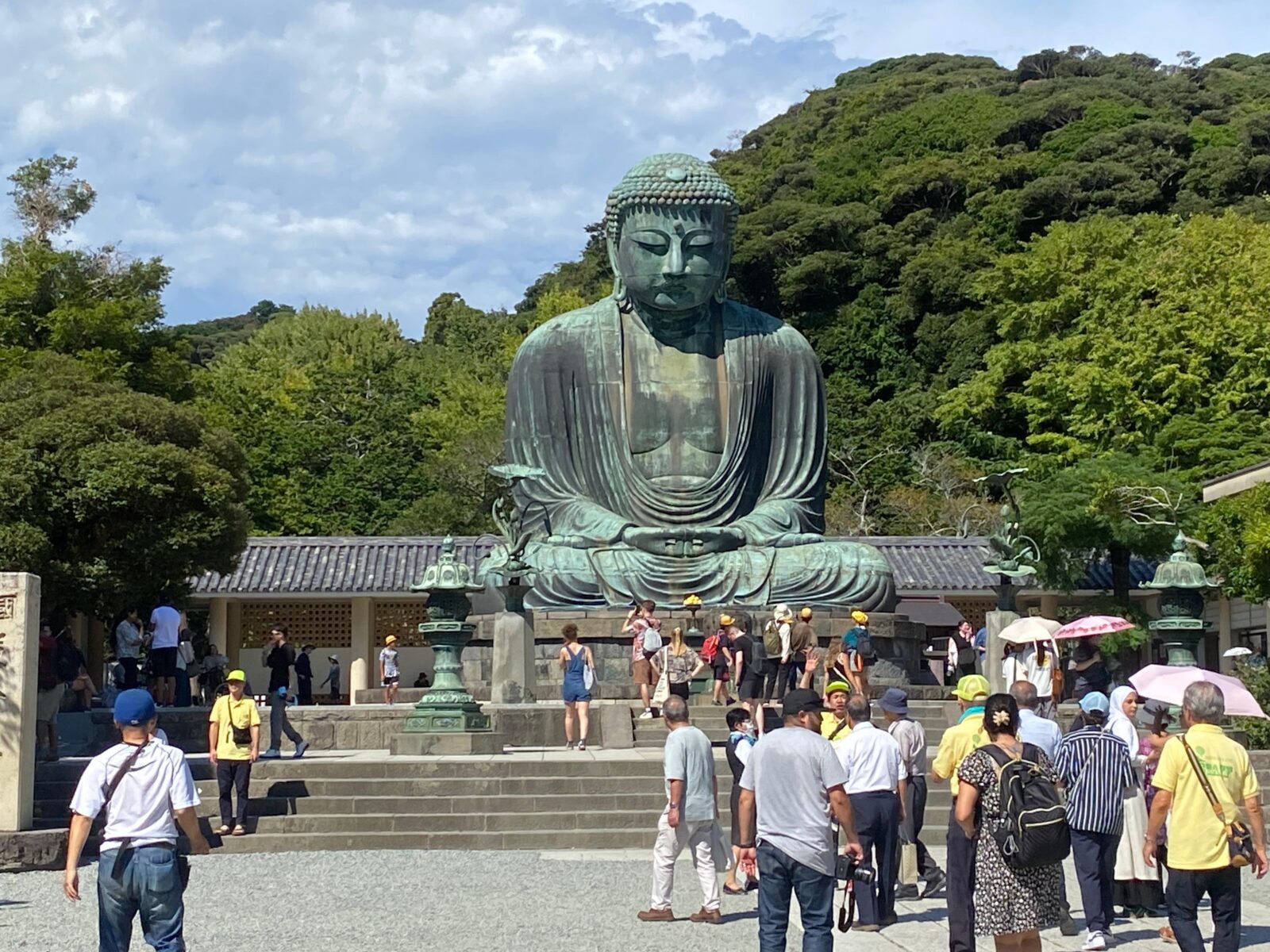
Some versions of the day include a Great Buddha visit, and the details matter. With the corresponding option, you can get the Great Buddha of Kotoku-in, a 13-meter bronze statue. It’s a huge presence, the kind that makes scale feel real fast, even if you’ve seen plenty of statues before.
On certain routes, the tour also references a Great Buddha of Kamakura option. That gives you another historical framing for the day, and it can be a great opener because it sets a cultural tone before the afternoon Fuji scenery.
What you should know about trade-offs: adding a Buddha stop can shift other parts of the day, because the itinerary changes by option. If Fuji is your top priority, choose the add-on that complements your timing, not the one that steals too much “Fuji energy” time.

Timing, traffic, and how to keep the day fun
This is a long day by design. You’re riding the bus to multiple regions and managing several short windows at viewpoints. One review note even called out how the bus time around the mount can feel like a solid chunk of the day. If you hate sitting and waiting, this might test you.
Traffic can also matter. Some people reported delays because of traffic jams, including during busier travel periods. The good news is that the guide and driver teams are repeatedly praised for keeping things organized and helping the schedule stay as smooth as possible.
How I’d plan for it:
- Bring a flexible mindset. Think in windows, not guarantees.
- Keep your camera ready at every stop. Even in cloudy weather, you can get partial views, atmospheric shots, and quick breaks in the clouds.
- Pack warm layers. Cold wind at viewpoints and on the way to Lake Ashi is common-sense planning, and the tour instructions explicitly call for warm clothing, a hat, and comfortable shoes.
Also, you can reduce stress by thinking like a local commuter: eat when the schedule allows. Don’t rely on a sit-down plan for every leg.
Food, cash, and what to pack for the road
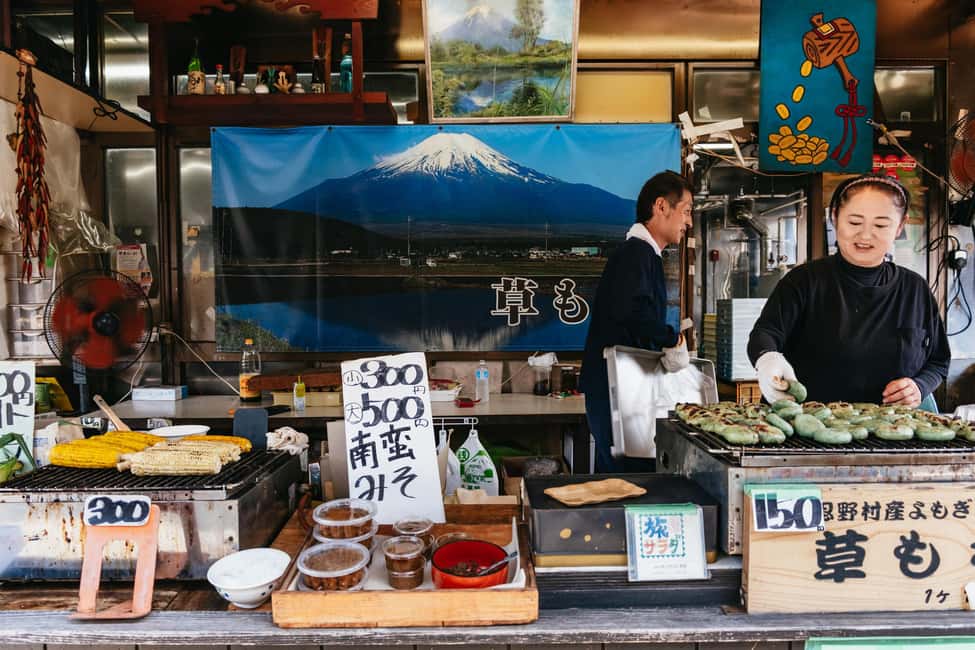
Food and drinks are not included. So you should plan snacks or a lunch stop that fits your day. One helpful detail: a guide-led tip from the experience notes suggests you can bring food and eat on the bus, which can help if you want to control your own timing.
Cash is another real-world item. The tour guidance says to bring cash, since some areas or shops may not accept card payments. That matters if you want to buy snacks, small souvenirs, or a drink during a short free-exploration window.
What to bring is clearly spelled out:
- Comfortable shoes
- Warm clothing
- Hat
- Camera
- Sunscreen
If you’re the type who gets sunburned easily, sunscreen is not optional here. Even with mountains involved, daylight is still daylight.
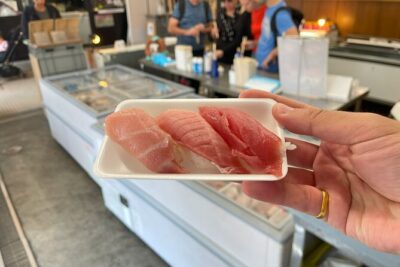
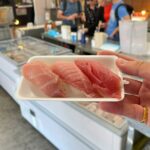
About lunch: one experience detail mentioned that the lunch venue can be busy and that it may focus on Japanese food options that aren’t always for everyone, including fish choices. If you’re picky or you need a specific diet, it’s worth planning backup snacks.
Price and value: what $50 gets you
At $50 per person, the value is strongest when you compare what’s included versus what you’d pay and organize yourself. You’re getting:
- a bilingual English/Spanish guide
- transportation from the meeting point
- a Lake Ashi cruise if you select that option
- a Kotoku-in ticket if you select that Buddha option
What you do not get is food and drinks, so you still need spending room for lunch and snacks. But you’re not paying separately for major transport and guided logistics, and you’re getting access to at least one ticketed attraction depending on your chosen option.
The other value piece is the “day management” element. Multiple feedback points highlight smooth communication, guides who help with picture timing, and drivers who keep things on track even when traffic gets messy. For a day this long, that reliability is not fluff. It’s what keeps the schedule from collapsing into chaos.
Who should book this Fuji day tour
This is a great match if you:
- want a guided, one-day route with classic Mount Fuji viewpoints
- prefer bilingual help to navigate details and photo timing
- want either a Lake Ashi cruise experience or a Great Buddha cultural add-on
- don’t want to piece together transit and admissions on your own
It’s less ideal if you:
- need wheelchair accessibility (the tour is not suitable for wheelchair users)
- hate long bus days and short stop windows
- are expecting Mount Fuji to be guaranteed in every weather pattern
Also consider your photography style. If you love quick, repeatable photo attempts with different angles, this format works well. If you want long, slow roaming, you might find it a bit scheduled.
Should you book this Mount Fuji day tour?
I’d book it if your priority is maximizing your chances of seeing Mount Fuji while still ticking off the surrounding must-sees. The combination of Chureito Pagoda, Oshino Hakkai, and (if you choose it) Lake Ashi cruise with Hakone Pirate Ship is a strong menu for one long day, especially with a guide who helps you stay oriented.
Skip it or at least reconsider your option choices if weather anxiety is going to ruin your trip. Mount Fuji visibility depends on conditions, and the day is only partly in your control. But even with clouds, you’re still going to visit places that make sense on foot and by bus, and the guidance is built to keep you from feeling lost.
If you’re choosing between add-ons, I’d decide like this: want more water views? pick the Lake Ashi cruise. Want more temple-scale culture? pick the Kotoku-in Great Buddha option. You’ll get the day you’re aiming for, and you’ll spend it efficiently.
FAQ
What languages are the guides?
The tour provides a bilingual English/Spanish guide.
What’s included, and is food provided?
Included items are transportation from the meeting point, a Lake Ashi cruise if your option includes it, and a Kotoku-in ticket if you choose that option. Food and drinks are not included.
Do I get the Lake Ashi cruise and the Hakone Pirate Ship?
If you select the matching option, you’ll include a cruise on Lake Ashi. The experience highlights also mention the Hakone Pirate Ship as part of how you view Lake Ashi.
Which Great Buddha can I visit, and how big is it?
With the appropriate option, you can visit the Great Buddha of Kotoku-in, which is a 13-meter bronze statue. Some itinerary variations also mention the Great Buddha of Kamakura.
What should I bring, and do I need cash?
Bring comfortable shoes, warm clothing, a hat, a camera, and sunscreen. It also says to bring cash, since some areas or shops may not accept card payments. You’ll also want to plan your own snacks or lunch because meals aren’t included.
Is the tour wheelchair friendly, and what’s the cancellation window?
The tour is not suitable for wheelchair users. Cancellation is allowed up to 24 hours in advance for a full refund. Mount Fuji visibility depends on weather conditions, so cloud cover can affect what you see.