REVIEW · TOKYO
Tokyo: Shinjuku Food Tour (15 Dishes and 4 Eateries)
Book on GetYourGuide →Operated by Traveling Tokyo · Bookable on GetYourGuide
Shinjuku tastes like a late-night story. This small-group, 3-hour walk through Golden Gai, Omoide Yokocho, and Kabukicho turns the chaos of the station area into a simple plan, with up to 13 distinct dishes and drinks along the way. What I like is how it pairs nightlife energy with real food culture. One heads-up: what you eat can shift with season and restaurant availability, and you’ll be on your feet most of the evening.
I also appreciate the guide-first approach. You’ll be eating across a stall, an izakaya, a traditional spot, and a gastrobar, so you’re not just sampling flavors—you’re seeing how locals actually graze and order. On several bookings, the experience has been led by guides such as Daichi and Fu, who focus on explaining what you’re eating and how to handle the order like a pro.
In This Review
- Key reasons this Shinjuku night-food route works
- Where you meet in Shinjuku: α 107 Building and the blue AOKI clue
- The Shinjuku “3-zone” format: Golden Gai, Omoide Yokocho, Kabukicho
- Golden Gai: how to read a micro-bar district without feeling lost
- Omoide Yokocho: alley food that’s about timing, heat, and texture
- Kabukicho: the neon finish with food-energy momentum
- The food math: is $85 actually good value?
- What 1 stall, 1 izakaya, 1 traditional eatery, and 1 gastrobar teach you
- Guide power in Shinjuku: what to expect from the English host
- Pace and practical tips: how to enjoy the walk (and not hate it)
- Who should book this Shinjuku Food Tour?
- Should you book it? My straightforward take
- FAQ
- How long is the Tokyo Shinjuku Food Tour?
- Where is the meeting point for the tour?
- How many dishes and eateries do you visit?
- Are drinks included?
- Is the tour led by an English-speaking guide?
- Do I need WhatsApp before the tour?
- Can the dishes change during the tour?
- Is the tour suitable if I have food restrictions?
- Is there free cancellation?
- Is there a reserve now and pay later option?
Key reasons this Shinjuku night-food route works
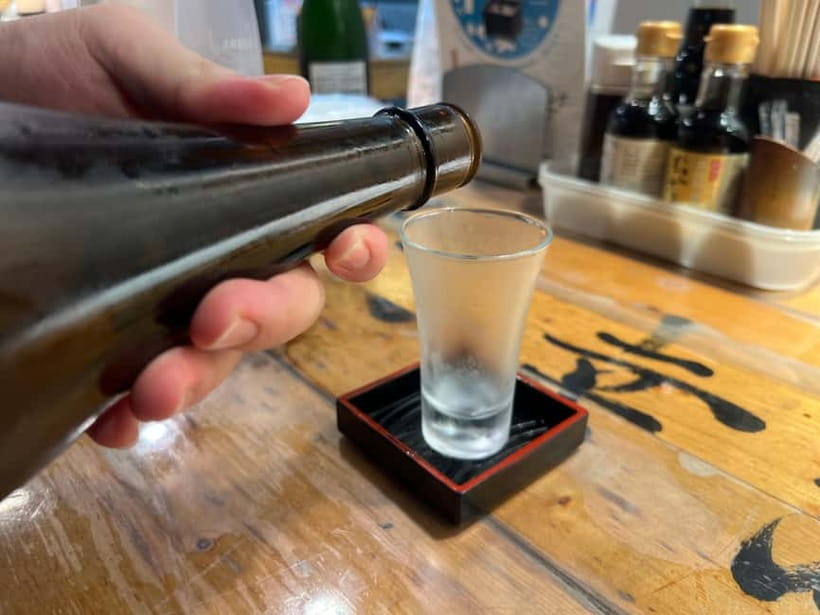
- 13 dishes across 4 eateries (up to 13 distinct items), plus 2 complimentary drinks
- Golden Gai orientation that helps you understand Shinjuku’s bar-hopping style
- Omoide Yokocho alley cooking where grilling and crowd energy do the storytelling
- Kabukicho guided time so you experience the neon zone with less wandering
- English-speaking local guide with ordering and area tips
- Food availability varies by season and the restaurants that can take your group that night
Where you meet in Shinjuku: α 107 Building and the blue AOKI clue
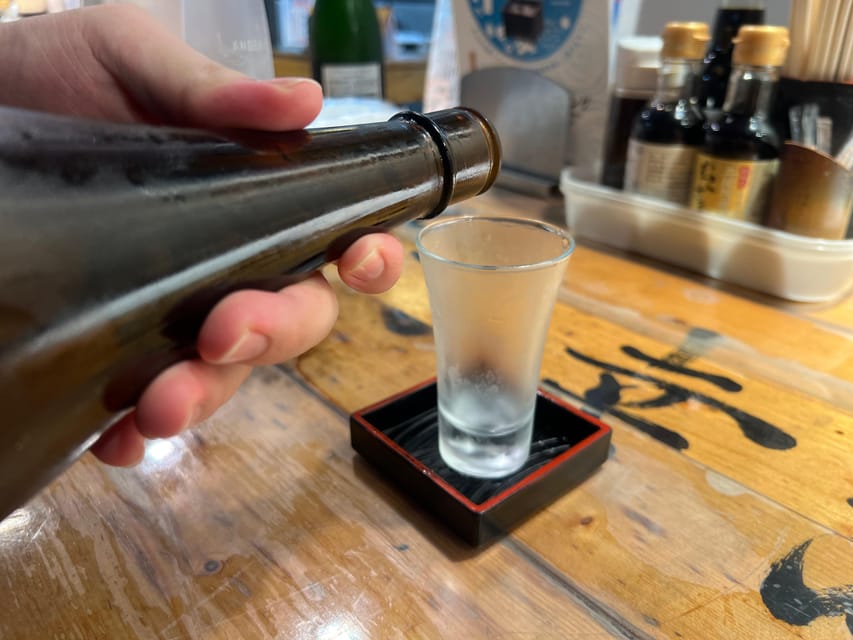
Shinjuku can swallow a plan whole. This tour starts at α 107 Building, and the meeting point is outside by the blue AOKI sign—right by Starbucks Nishiguchi, on the west side of Shinjuku Station. If you like arriving early (you should), use that map check before you step out into the stair maze.
Bring a dead-simple strategy: get to the meeting landmark, then wait with your phone ready. The guide will contact you through WhatsApp, so it’s worth downloading it before the tour.
This matters because it keeps the night smooth. Instead of everyone hunting each other, you’ll spend your time walking toward food, not trying to find the group.
You can also read our reviews of more tours and experiences in Tokyo.

The Shinjuku “3-zone” format: Golden Gai, Omoide Yokocho, Kabukicho
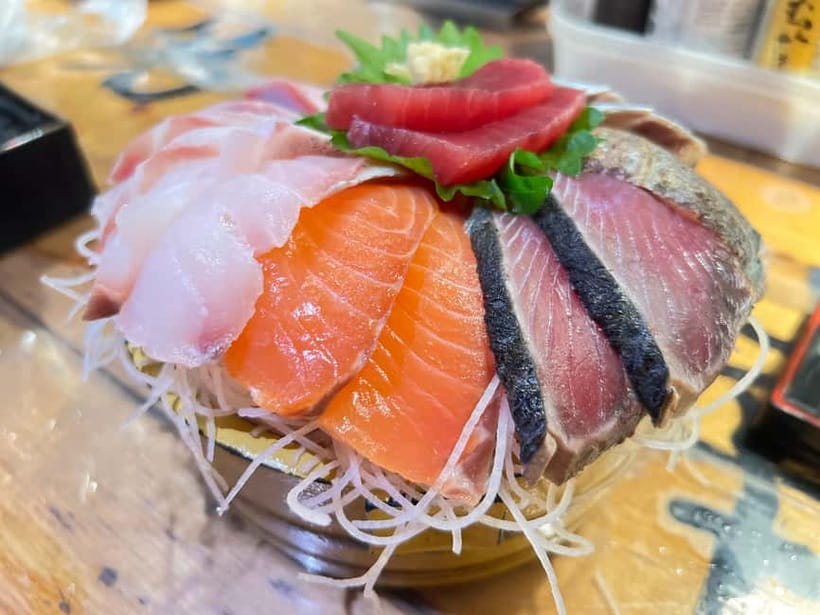
The route is built like a night out, not a museum tour. You’ll get three guided blocks—each about one hour—plus time at the start and end near the meeting point.
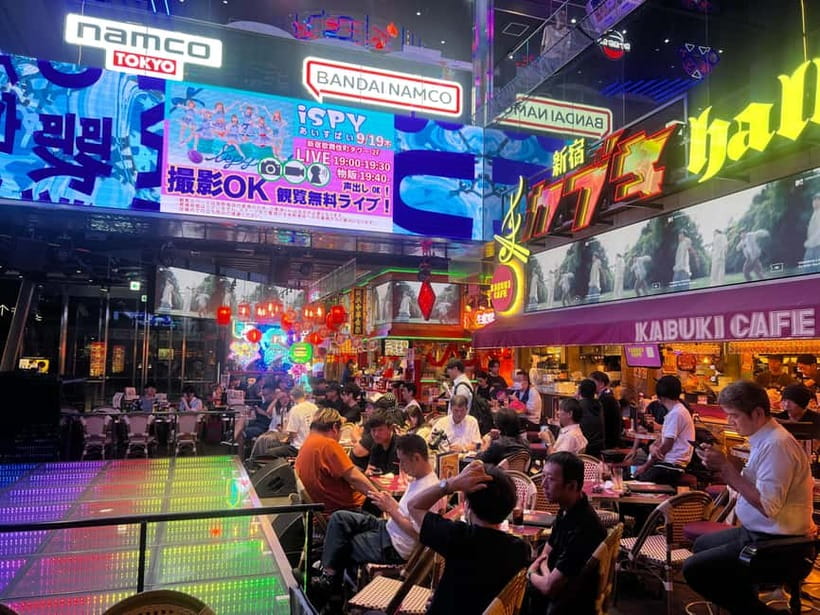
Golden Gai is where Shinjuku’s nightlife gets small-scale and human-sized: lots of tiny bar entrances, dense energy, and the feeling that you’re seeing a different side of the city than the train platforms. Omoide Yokocho is the contrast: a narrow alley of food spots where you can smell grilling and hear conversations bouncing off the walls. Kabukicho is the big neon moment—the place people picture when they think of Shinjuku—handled here with a guide so you’re not just drifting through it.
That structure is the real value. Tokyo can be confusing at night, especially around Shinjuku Station. This tour gives you a clean sequence you can follow.
Golden Gai: how to read a micro-bar district without feeling lost
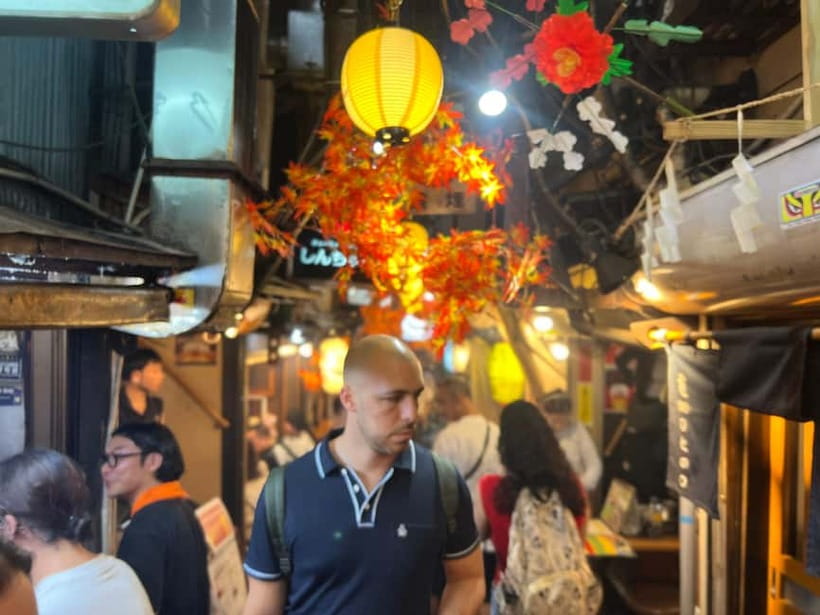
Golden Gai can look intimidating from the outside. The entrances feel hidden, and the vibe changes from one doorway to the next. During the guided hour, the point isn’t to force you into one exact bar—it’s to show you what makes the area work and how to move through it.
Here’s what you’ll likely notice quickly:
- Tiny spaces where ordering and pacing matter
- A neighborhood feel, where the bar culture is the attraction
- The chance to understand why sake and small plates fit this setting
Even if you’re not a “bar person,” Golden Gai is useful. It teaches you the rhythm of drinking and snacking that makes Japanese nightlife make sense. You’re also more likely to try drinks you’d skip alone, since the tour includes two complimentary drinks (alcoholic and non-alcoholic options).
A drawback to keep in mind: it’s nightlife. If you’re sensitive to loud rooms or standing close, Golden Gai may feel intense in a way that surprises you. The guide helps, but it’s still a busy district.
Omoide Yokocho: alley food that’s about timing, heat, and texture
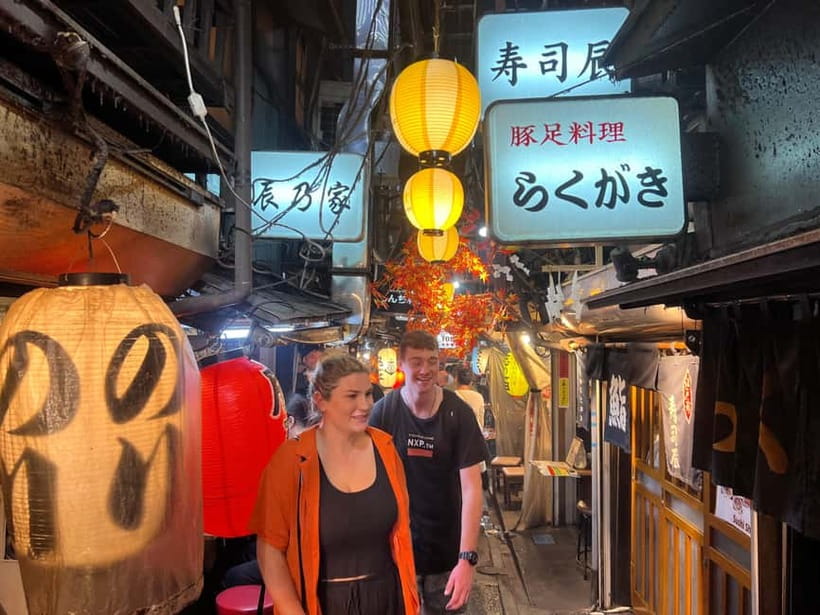
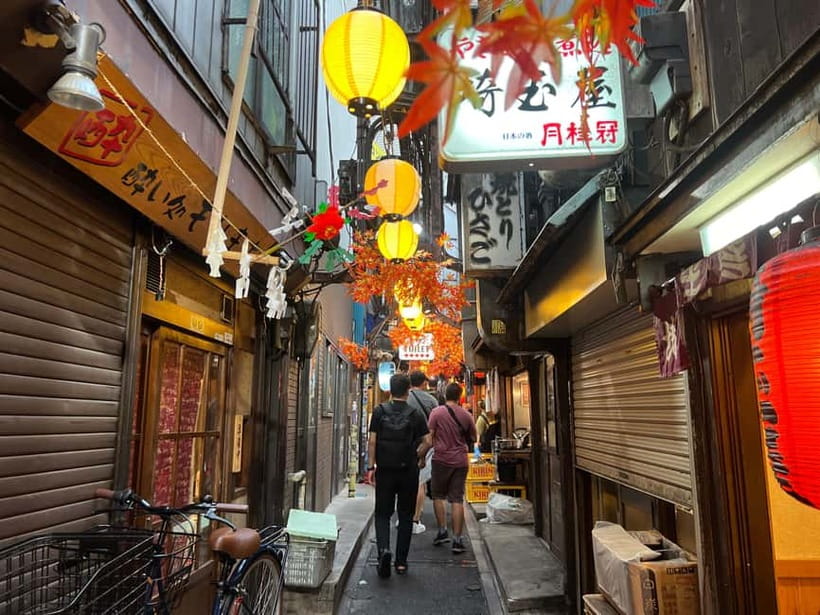
If Golden Gai is about small bars, Omoide Yokocho is about alley eating. This is the kind of place where you feel the kitchen before you see it. The guided hour helps you understand why these lanes matter: the food is fast, hot, and built for sharing in the middle of a street scene.
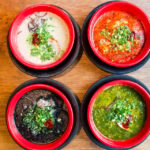
From the dishes list and the stop types, this is where you can expect classic comfort-food moves. Think along the lines of yakitori (grilled chicken skewers) and other savory bites that pair naturally with drinks. You may also see plates that feel simple until you taste them—like tonkatsu-style pork cutlet or sides that show up in Japanese meals for a reason.
What I like about this stop is the “learning by eating” method. You don’t just taste; you learn what to order and how it fits the culture of the area. That’s when a food tour stops being random sampling and starts becoming a useful map you can carry into the rest of your trip.
One practical consideration: alley lanes can be tight. Wear shoes you can walk in for hours, not your prettiest ones.
Kabukicho: the neon finish with food-energy momentum
Kabukicho is the district that never seems to stop advertising itself. It’s bright, loud, and packed, and it can be a lot if you’re doing it on your own. The tour’s third guided hour gives you a controlled way to experience the neighborhood while still keeping the food focus.
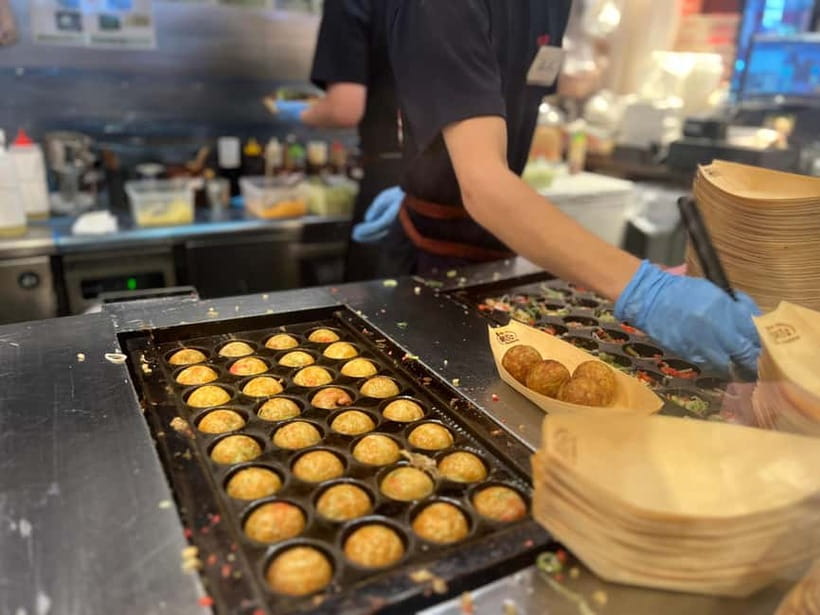
By the time you reach Kabukicho, you’ll be primed. You’ve already tasted multiple styles—something like sashimi, sake, grilled skewers, and fried or batter-friendly foods like takoyaki can show up across the tour overall. So Kabukicho doesn’t feel like a random walk at the end. It feels like the grand finale of the evening’s flavor arc.
What makes Kabukicho valuable on this tour is the pacing. A guide can steer you toward places that match the group and help you stay oriented even as the street scene gets wilder.
Potential drawback: Kabukicho can feel overwhelming for people who dislike crowds or constant stimulation. If that’s you, treat the tour’s guided structure as a feature, not a limitation. Staying with the group is the whole point here.




The food math: is $85 actually good value?
At $85 per person for about 3 hours, you’re paying for something that Tokyo food tours can do well: consolidation.
You get:
- Up to 13 distinct dishes
- Food at 4 eateries, including a stall, an izakaya, a traditional eatery, and a gastrobar
- 2 complimentary drinks (alcoholic and non-alcoholic)
- A local guide who can help with what to do next in your stay
In a city where even casual meals add up fast, the value is in removing decision fatigue. If you tried to recreate this yourself, you’d be choosing between places, translating menus, figuring out how to order the right quantities, and managing queues. Here, you get a pre-planned flow.
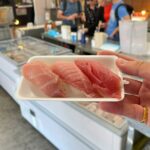
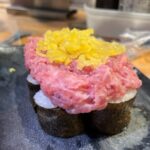
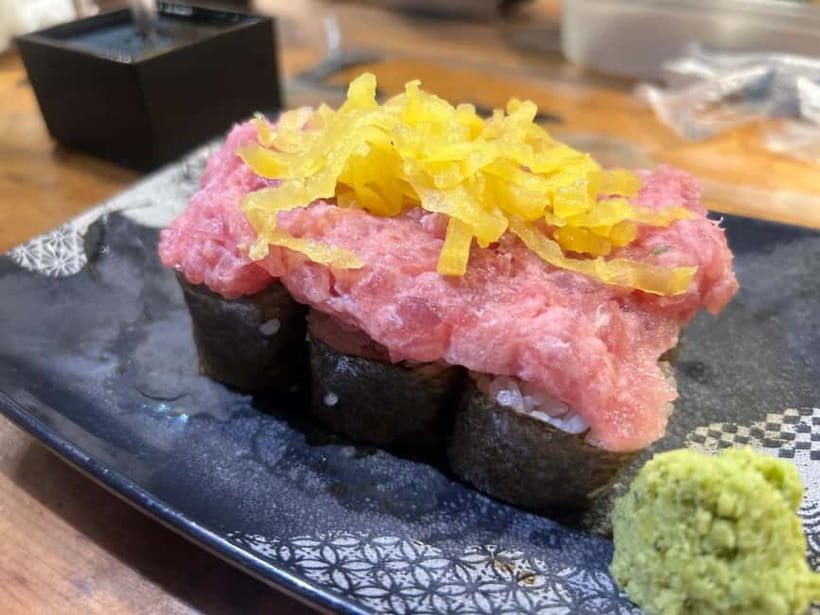
Also, the dish list matters. The tour is described with examples like sashimi, Japanese sake, tonkatsu, yakitori, and takoyaki. Those aren’t just random “tour food” items; they represent different Japanese comfort-food categories—raw, grilled, fried, and snack-sized—so you leave with a better sense of what you actually like.
One more value point: dishes can vary by availability. That can be frustrating if you’re chasing one specific item, but it also keeps the tour flexible and grounded in what the restaurants can serve that night.
What 1 stall, 1 izakaya, 1 traditional eatery, and 1 gastrobar teach you
This isn’t just a list of bites. The stop types are the curriculum.
A stall is quick and casual. You learn how Japanese street-food portions work and how people snack without turning it into a full meal.
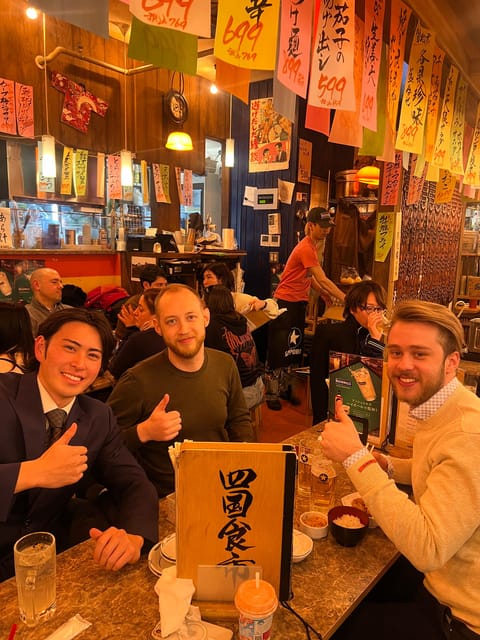
An izakaya is where the evening mood clicks into place. Izakaya ordering is a social skill: you don’t just pick one plate and call it done. You mix and match, and drinks become part of the meal.
A traditional eatery is about food technique and familiarity. Even when it’s busy, it feels practiced—like the kitchen knows what locals want and how to deliver it.
A gastrobar adds a modern twist to the night. You get the feeling of Tokyo’s restaurant evolution without losing the comfort-food core.
When a tour spreads food across formats like this, you can replicate the learning later. After the tour, you’ll know what kind of place fits what you want: grilled skewers on the move, fried cutlets as a comfort anchor, or snack rounds with drinks.
Guide power in Shinjuku: what to expect from the English host
This tour is led by an expert English-speaking guide. That sounds standard until you’re in Shinjuku at night, where the smallest mis-step can send you walking the wrong way for ages.
A good guide does three things:
- Prevents you from wasting time on confusion
- Helps you order without second-guessing
- Explains the cultural logic behind what’s on the table
The booking notes attached to this experience often highlight exactly that kind of guide impact. Names like Daichi, Fu, Elena, and Igor show up with praise for being friendly, energetic, and able to connect food to local customs. Even if your guide is different, the format is built around the same idea: you’re not meant to just eat—you’re meant to understand what you ate.
Also, you’ll get advice on plans for your stay. That can be as simple as pointing you toward what neighborhoods to revisit or when to head back to avoid peak crowds.
Pace and practical tips: how to enjoy the walk (and not hate it)
This is a walking tour. It’s also three guided segments through crowded areas at night. That means comfort matters.
Plan for:
- Sturdy shoes (lots of walking between food spots)
- A light layer (Tokyo nights can feel cooler than you expect)
- An empty stomach attitude, because the food adds up fast
One more practical tip: tell your guide about any food restrictions ahead of time. The tour data clearly asks you to advise restrictions, and you’ll get a better experience if your guide can plan accordingly.
If you’re not much of a drinker, the tour still includes non-alcoholic options. You won’t be forced into alcohol.
Who should book this Shinjuku Food Tour?
This tour fits best if you want a guided way to experience Shinjuku’s food and nightlife without turning the night into a navigation problem.
I’d especially recommend it if:
- You’re new to Tokyo and want a fast orientation
- You like variety and want to taste different Japanese comfort-food styles in one evening
- You want nightlife context along with the food, not just a list of dishes
- You’re traveling with friends and want a plan that keeps everyone moving together
It might not be ideal if:
- You hate crowds and noise, since Kabukicho and Golden Gai are active districts
- You need a fully predictable menu, since dishes can vary by availability
- You’re expecting sit-down meals at every stop; there’s at least one stall-style stop in the mix
Should you book it? My straightforward take
Book this Shinjuku Food Tour if you want a simple, high-impact evening: up to 13 dishes, 4 eateries, and a guide who helps you move through Golden Gai, Omoide Yokocho, and Kabukicho with confidence. For $85 over about 3 hours, the value comes from the combination of food, drinks, and guided navigation in areas that are easy to get turned around in.
If you’re the type who wants total control over every meal and hates any variability, you might find the menu adjustments frustrating. But if you’re open to a Tokyo-style plan shaped by what restaurants can serve that night, this is a very solid use of time in Shinjuku.
FAQ
How long is the Tokyo Shinjuku Food Tour?
The tour lasts about 3 hours.
Where is the meeting point for the tour?
Meet outside α 107 Building by the blue AOKI sign, next to Starbucks Nishiguchi on the west side of Shinjuku Station.
How many dishes and eateries do you visit?
You’ll visit 4 eateries and enjoy up to 13 Japanese dishes.
Are drinks included?
Yes. The tour includes 2 complimentary drinks, with both alcoholic and non-alcoholic options.
Is the tour led by an English-speaking guide?
Yes, the tour includes an English-speaking live guide.
Do I need WhatsApp before the tour?
The guide contacts you through WhatsApp, so you should download WhatsApp prior to the tour.
Can the dishes change during the tour?
Yes. Dishes are subject to availability, season, and restaurant availability.
Is the tour suitable if I have food restrictions?
You should advise the provider of any food restrictions so the guide can plan for you.
Is there free cancellation?
Yes. You can cancel up to 24 hours in advance for a full refund.
Is there a reserve now and pay later option?
Yes. You can reserve now and pay later, with no payment required today.