REVIEW · CHIANG MAI
From Chiang Mai: Elephant Care Program and Nursery Tour
Book on GetYourGuide →Operated by Elephant Retirement Park Chiang Mai · Bookable on GetYourGuide
Mud, elephants, and real rescue work. This Chiang Mai program gives you close contact with rescued elephants in a sanctuary setting, with mud-pool play that feels more like animal care than a performance. You’ll see elephants at ease, learn their behavior, and get hands-on moments that stay centered on welfare.
I love the hands-on care activities: preparing food and healthy treats, feeding the elephants, and even helping make elephant “medicine balls” during the day. I also like the strong human side of the experience—guides such as Francesco, Tin, Disney, Tim, and Aom are repeatedly praised for being friendly, informative, and genuinely focused on how these animals are cared for.
One big consideration: pack properly. If you forget the change of clothes, you may end up sitting out parts of the mud-and-bath fun, since the program includes getting muddy and washing up afterward.
In This Review
- Key highlights that make this program worth your time
- Why the Elephant Retirement Park program feels different in Chiang Mai
- Getting there from Chiang Mai: the ride to Mae Tang sets the tone
- Changing into local clothes and learning elephant behavior before you feed
- Feeding rescued elephants and making care-style treats the right way
- The mud and sand spa: watching, joining, and getting splashed
- Thai buffet lunch and the shower break you’ll really appreciate
- Price and value: what your $53 buys (and what to plan for)
- Group vibe, guide personalities, and photo moments
- Who this tour suits best (and who should think twice)
- Should you book this Elephant Retirement Park Chiang Mai program?
- FAQ
- How long is the Elephant Care Program and Nursery Tour?
- Is lunch included, and is it vegetarian?
- What does the tour include besides elephant activities?
- Will the elephants be forced to do activities?
- What should I bring?
- Can I cancel or change my plans?
Key highlights that make this program worth your time
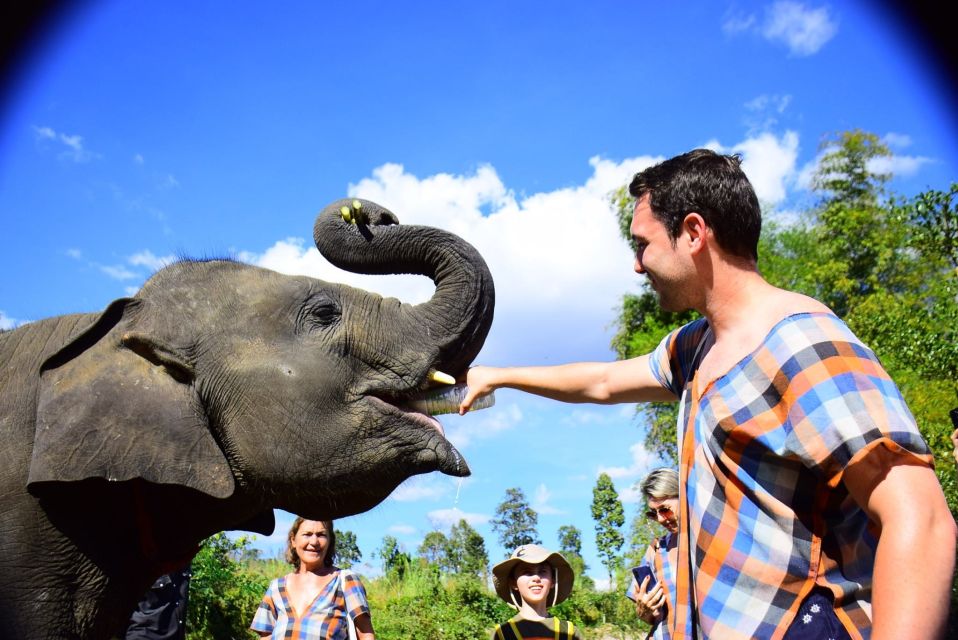
- Rescued elephants, not forced tricks: the activities are done only if the elephants want to participate.
- Feeding plus care tasks: you prepare food/treats and join routine-style interactions like medicine ball making.
- Mud pool and bathing time: you can watch up close and join in while staying respectful and safe.
- Baby-elephant moments and photos: you’ll have time to meet smaller elephants and get camera-worthy interaction.
- Support that’s part of the day: your visit helps support future elephant rescues.
- Clean facilities and shower access: you’ll have a place to wash off after you get muddy.
Why the Elephant Retirement Park program feels different in Chiang Mai
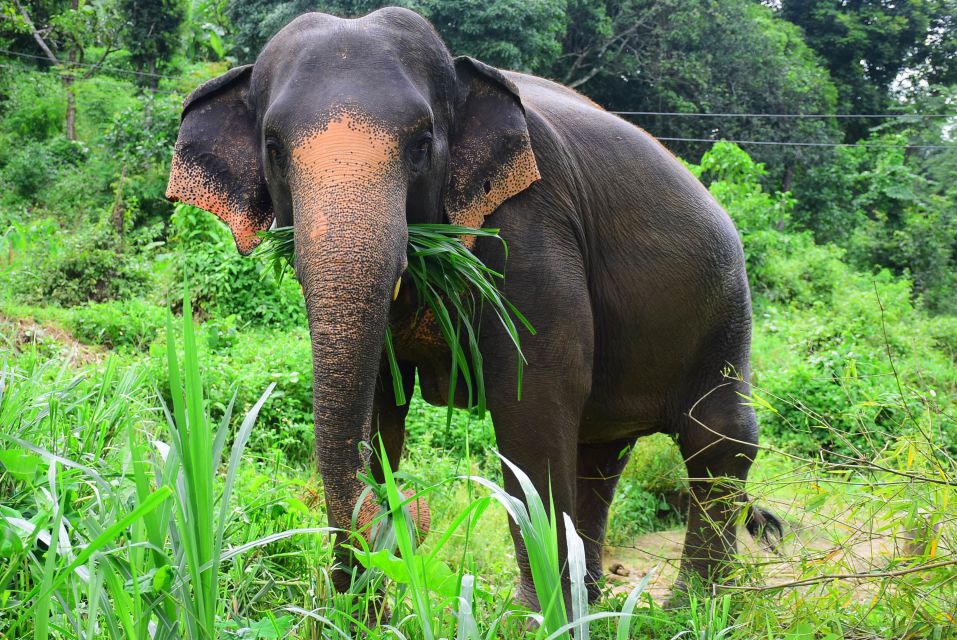
This is the kind of elephant day that makes you think. Not because it’s dramatic, but because it’s practical: you’re learning how caretakers work, what elephant behavior looks like, and why the whole “on their terms” approach matters.
In this park, you aren’t meant to push elephants into actions. The program is built around observing behavior, then doing gentle interactions only when the elephants choose to engage. That changes your whole mindset. Instead of treating elephants like an attraction, you treat them like living animals with preferences and boundaries.
And yes, the mud pool and bath are the headline moments. But the best part for me is the rhythm of the day: short teaching moments, time to feed and care, then time for the elephants to play, wallow, and cool down naturally.
If you’re coming to Chiang Mai specifically for an ethical elephant experience, this program is designed for that goal—plus it’s only about half a day, so you don’t lose your whole trip schedule.
You can also read our reviews of more tours and experiences in Chiang Mai.


Getting there from Chiang Mai: the ride to Mae Tang sets the tone
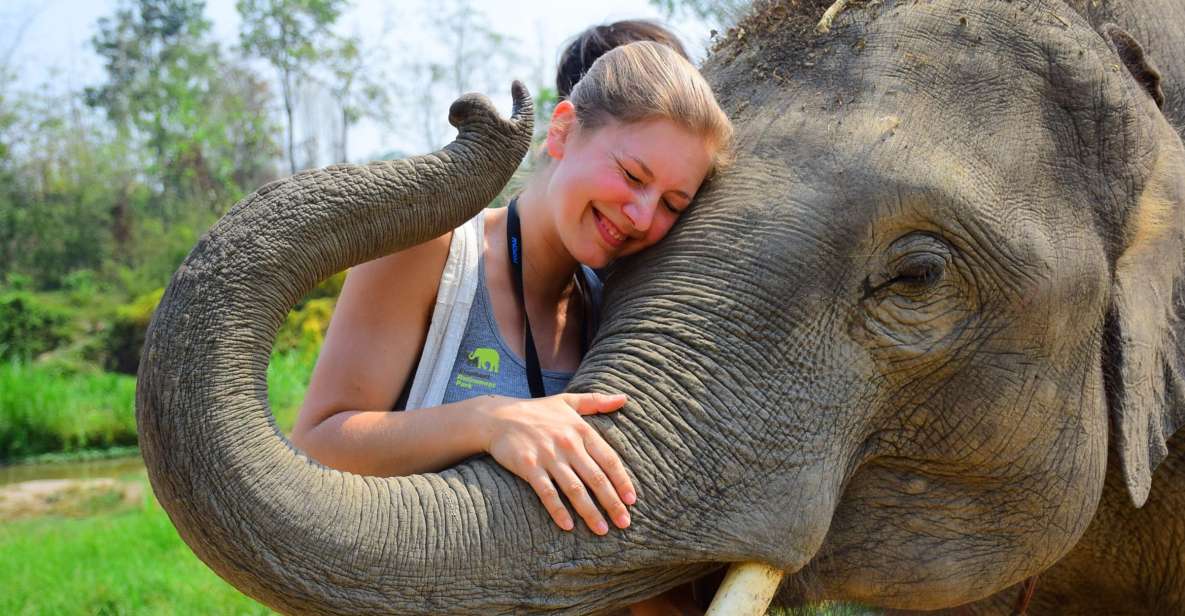
You’ll start with a hotel pickup from Chiang Mai city center (the transfer is listed for hotels within about 5 kilometers of the Old Town). Then you drive roughly an hour to the countryside in Mae Tang district.
That travel time is not just “getting there.” It’s a buffer that helps the day feel relaxed instead of rushed. You’ll have time to settle in, get oriented, and get ready to change clothes and start the activities without feeling like you’re sprinting between stops.
The group experience tends to be efficient. Many reviews describe smooth transfers and a well-paced day, with staff keeping things organized so you don’t spend your time waiting around.
One practical thing to keep in mind: you’re going to be moving around outdoor surfaces, then getting wet and muddy. Wear flip-flops and plan on wet socks or no socks, because that part of the day is real.
Changing into local clothes and learning elephant behavior before you feed
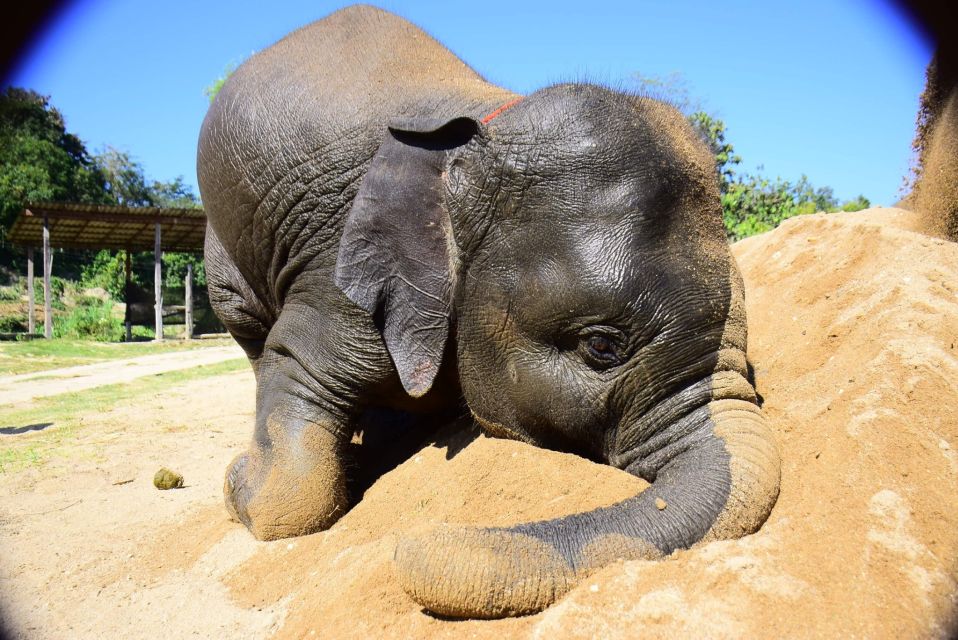
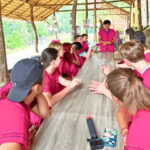
After pickup and the drive, you change into local clothes. This isn’t a random dress-up moment. It helps you get comfortable for the handling-style portion of the day, then transition into feeding and mud activities.
Before you start feeding, your guide explains elephant behavior and how to provide proper care. People really notice this part. Guides like Francesco and Tin are praised for explaining what you’re seeing and why it matters, not just narrating facts.
Then comes the core preparation: you make and prepare food and healthy treats for the elephants. This is the moment that turns your day from watching into participating.
You’re also told an important mindset: elephants are not forced. If they want to interact, you join. If they don’t, you shift to observation and follow the caretakers’ guidance.
That rule makes the day feel more respectful—and, honestly, more interesting. You’re paying attention to cues instead of expecting a checklist.
Feeding rescued elephants and making care-style treats the right way
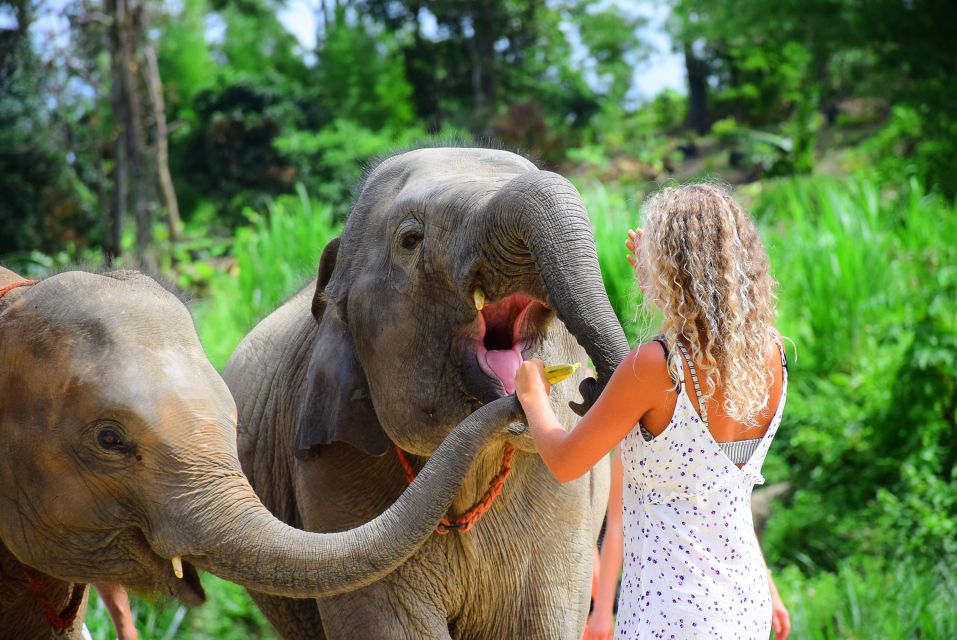
Feeding is the main “wow” activity, but it’s more than handing over bananas. You’ll be preparing the food and treats first, then feeding afterward under staff guidance.
One standout detail from the experience descriptions and reviews: you may help make medicine balls for the elephants. That’s a care task, not a gimmick. It gives you a clearer idea of how nutrition and health support fit into everyday elephant care.
Reviews also point out that you often get more than one type of interaction during the day: feeding, preparing treats, and hands-on time with caretakers’ routines. That variety helps you feel like you did something meaningful, not just completed a single photo moment.
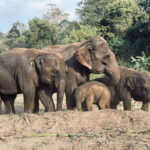
There’s also the baby-elephant factor. You’ll have a chance to play with baby elephants and take photos with them. The key is that this happens in a supervised, sanctuary-style flow, where interaction is guided and safety matters.
If you’re traveling with kids, this part usually lands well because it’s active but still structured. If you’re coming as a solo adult, it still feels rewarding because you get a deeper look at daily care.
The mud and sand spa: watching, joining, and getting splashed
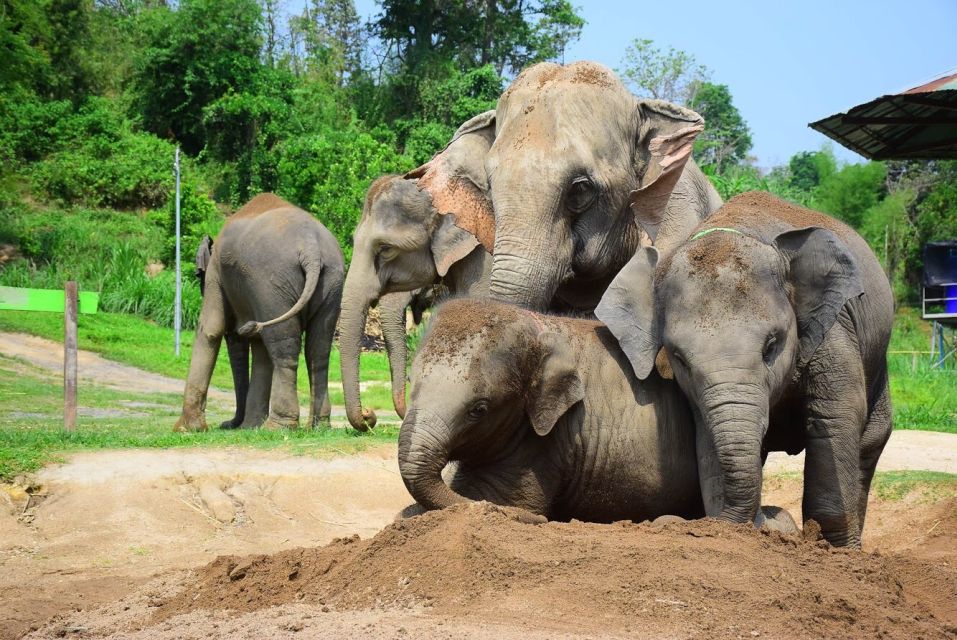
This is where the day becomes unforgettable for most people, and it’s also where your planning pays off.
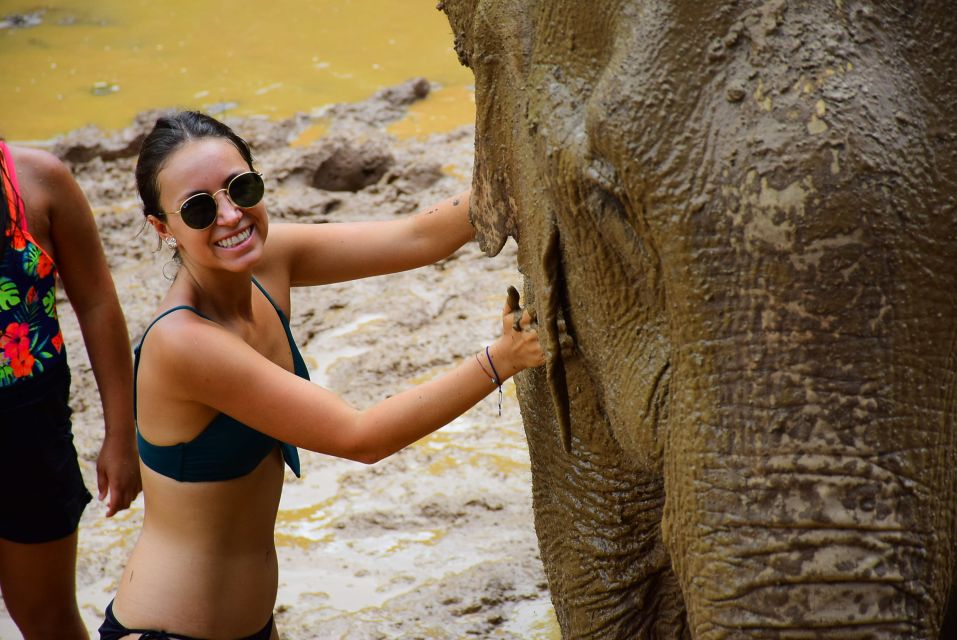
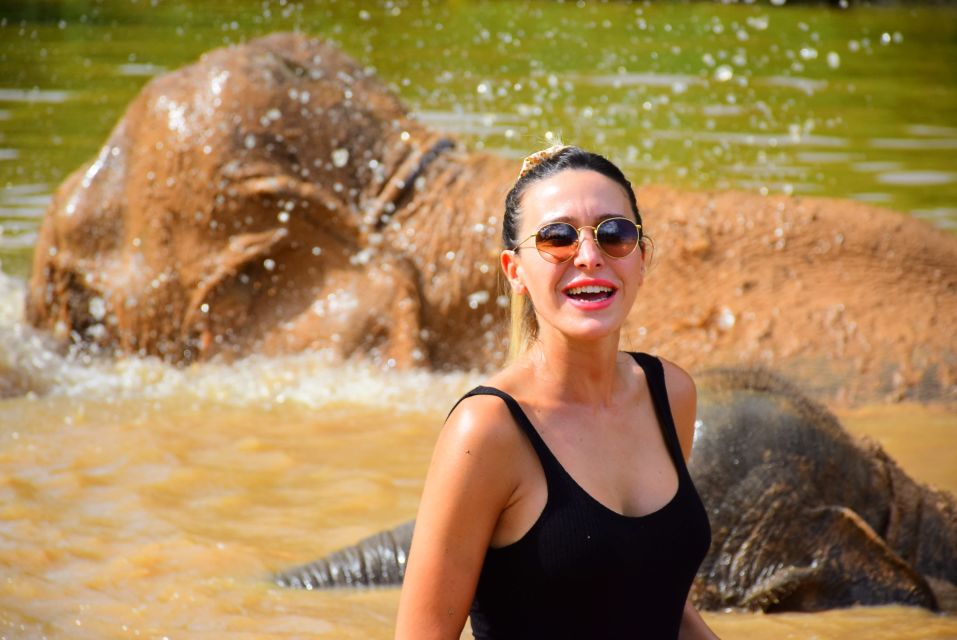
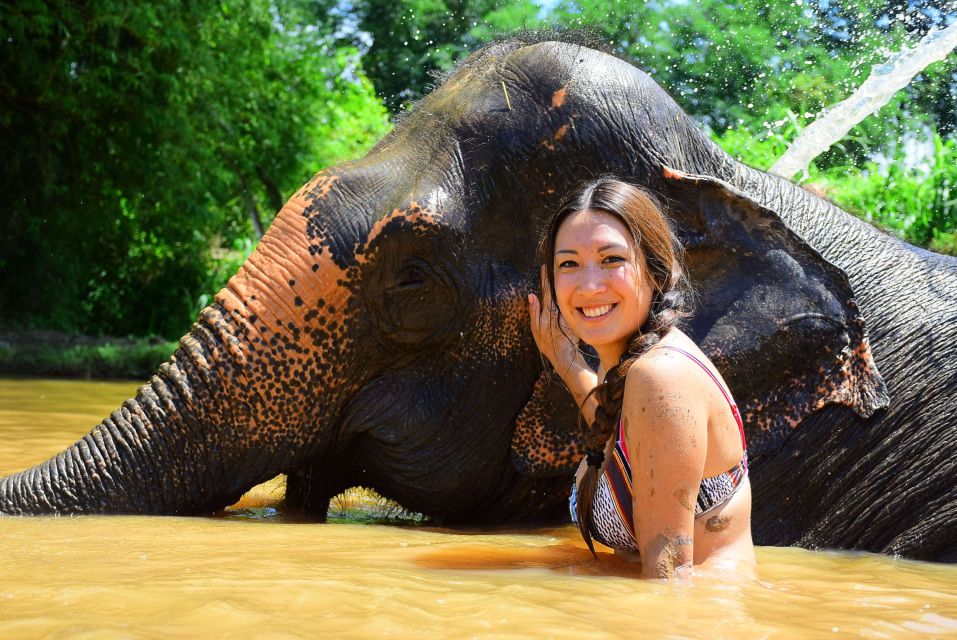
You’ll walk to the mud and sand spa area and then join the fun as elephants play in the mud pool and bath. You’ll have time to observe behavior in a natural setting, then participate in the mud-scrub style part if the elephants are engaging.
The tone here is gentle and respectful. You’re not forcing elephants into water or tricks. You’re working with the flow of the animals. Reviews mention that elephants roam freely in the area and you follow them rather than the other way around—exactly the kind of “less staged” experience that ethical programs aim for.
Now for the practical reality: this is a water-and-mud moment. Pack swimwear plus a change of clothes. Flip-flops help because the ground can be slick, and you want something easy to remove or rinse.
Also consider insect repellent and your personal medication. The day includes outdoor time in nature and some direct contact with wet areas, so you want to be prepared for a more “countryside” feel than an indoor attraction.
If you’re unsure about bathing, you can choose lighter participation, but the whole point is that you get a first-hand sense of how elephants cool down and enjoy enrichment. And yes, splashes happen.


Thai buffet lunch and the shower break you’ll really appreciate
After the mud and bath time, you change back into your clothes and shower. The tour includes transportation back to your hotel, and the day is capped with a traditional Thai buffet lunch.
Lunch is vegetarian-friendly (so you have options that don’t revolve around just one side dish). Expect a Thai buffet style meal that reviews describe as tasty and satisfying after a wet, active morning.
You’ll also be given drinking water and coffee/tea during the tour, which is genuinely useful in Chiang Mai’s heat—especially when you’ve been outside and then splashing around.
This is the part I’d call “the reset.” Your body feels the day in your clothes and hair, and the shower changes how you experience the rest of the return ride. It turns the experience from “I survived the mess” into “I actually enjoyed myself.”
Price and value: what your $53 buys (and what to plan for)
At about $53 per person for a 5–6 hour experience, this can feel like a deal—or it can feel like a premium day—depending on what you compare it to. Here’s what you get for your money, based on what’s included:
- Round-trip hotel transfers (within the supported pickup distance)
- An English live guide
- Drinking water, coffee, and tea
- Food for feeding the elephants
- Vegetarian lunch
The value isn’t just the “activities.” It’s the structure: you’re paying for a guided ethical program where feeding and care tasks are supervised, plus a full day flow (change clothes, enrichment time, lunch, wash-up, transport).
There are sometimes extra costs on-site for optional photos. Reviews describe on-site photography and selling photo packages. Pricing can vary depending on the package, so if photos matter to you, be ready to decide after you see the results.
If you want the best value experience, treat the photos as optional add-ons, not a requirement. Your main memories will come from the care interactions and mud-bath time.
Also, your visit supports future elephant rescues. That’s a core part of the price equation here. You’re not paying just to watch. You’re contributing to ongoing work.
Group vibe, guide personalities, and photo moments
This program often feels intimate. Many reviews describe a good ratio of visitors to elephants and a not-too-crowded feel, though crowd size can vary by day.
Some people do mention busier groups on certain dates, so if you’re sensitive to crowd energy, you might prefer a less popular time slot. The upside is that even in busier moments, the activities are interactive enough that you don’t spend the whole day stuck at the back.
Guide personality shows up strongly in reviews. People call out guides such as Francesco, Tin, and Tim, plus assistants like Aom, for making the day clearer and more personal. When the guide explains what you’re seeing, you notice elephant behavior more quickly—and you understand why staff guide interactions the way they do.
Photography also matters here. There’s often a photographer taking pictures during the experience, and staff may take photos with your camera as well. Reviews say the photo quality is strong and that you can usually view images before buying.
My practical take: if you want to be in the moment, let them take the photos. If you’re a “hands-only” type, keep your own camera packed for short bursts and don’t stress the rest.
Who this tour suits best (and who should think twice)
This is a strong match for you if:
- You want an ethical elephant sanctuary-style encounter rather than animal performance
- You like hands-on activities like feeding and care tasks
- You’re comfortable getting wet and muddy for a real-enrichment mud bath
- You want a guided day with context, not just a picture line
Think twice if:
- You hate being in wet environments or you forgot to pack proper clothing
- You’re expecting a hands-off viewing only experience (this program includes interaction)
- You get motion-sick or dislike outdoor country roads, since there’s a drive to Mae Tang district and you’ll move around during the day
If you’re traveling with family, this tends to work well because the day is active but guided and staff are there to keep things safe and respectful. If you’re traveling solo, the guide and structure help you feel oriented even if you’re not used to elephant-focused days.
Should you book this Elephant Retirement Park Chiang Mai program?
If your goal is a humane, close-up elephant day in Chiang Mai that mixes learning with meaningful interaction, I think this is a very solid booking. The biggest reason is the way it’s framed: elephants are not forced into actions, and you spend the day doing care-style activities—feeding, enrichment play in the mud, and shower time afterward—rather than watching staged behavior.
Book it if you want the full experience: changing clothes, feeding rescued elephants, joining the mud and bath portion, and meeting baby elephants. Also book it if you like having a guide explain what matters, and you want your visit to support future rescues.
But do prep. Bring swimwear, flip-flops, insect repellent, and—most importantly—a change of clothes you can actually put on after you get muddy. That one item determines whether the day feels magical or just messy.
FAQ
How long is the Elephant Care Program and Nursery Tour?
It runs about 5 to 6 hours, including pickup and drop-off from your accommodation and time at the sanctuary.
Is lunch included, and is it vegetarian?
Yes. The tour includes a Thai buffet lunch, and it’s listed as suitable for vegetarians.
What does the tour include besides elephant activities?
It includes round-trip hotel transfers (for hotels within the supported pickup distance), a live English guide, drinking water plus coffee and tea, and food for feeding the elephants.
Will the elephants be forced to do activities?
No. The program notes that the elephants are not forced to do any activity they don’t want to do.
What should I bring?
Bring swimwear, a change of clothes, flip-flops, insect repellent, and any personal medication.
Can I cancel or change my plans?
You can cancel up to 24 hours in advance for a full refund. The tour also offers reserve now and pay later, so you can book without paying immediately.