REVIEW · TOKYO
Tokyo: Sumo Morning Practice Viewing Tour
Book on GetYourGuide →Operated by Japan Wonder Travel · Bookable on GetYourGuide
Morning sumo training feels like backstage Japan.
This tour brings you into a working sumo stable in Ryogoku, where the rikishi train in the quiet rhythm of early mornings. You’ll watch practice up close, then get context for what you’re seeing—so it’s not just spectacle.
What I love most is the access. You’re allowed into places that normally stay closed to the public, and you see how a stable actually runs day-to-day. I also love the real training atmosphere: power drills, grappling practice, and the strict etiquette that makes sumo feel like a job, not a performance.
One thing to consider is how demanding the rules can be. You’ll need to stay seated and still, follow strict no-hat/no-sunglasses and no flash/video rules, and you have to remain until the end of practice (around 09:00 to 10:00). If you hate waiting quietly, this may feel long.
In This Review
- Key things to know before you go
- Entering a Tokyo Sumo Stable in Ryogoku: Why this place matters
- Meeting up and getting to the stable without losing time
- Your first look inside: watching sumo from a true workplace
- What morning training looks like: technique, power, and repetition
- The quiet rules: why you must sit still to truly get it
- Your English guide’s job: making sumo readable without ruining the mood
- Photo chances with wrestlers: what to expect
- After the tour: what to do next in Ryogoku
- Price and value: is $81 worth a morning of rules and silence?
- Who should book this Sumo Morning Practice Tour
- Should you book? My straight answer
- FAQ
- What is the duration of the Tokyo Sumo Morning Practice Viewing Tour?
- Where does the tour take place?
- Do I need to stay for the whole training session?
- Is there an English guide?
- Are hats, sunglasses, or flash photography allowed?
- Can I record video during the training?
- Is food and drink allowed during the tour?
- Is this tour suitable for children?
Key things to know before you go
- Real stable access in Ryogoku: you’re entering where wrestlers live and train, not a staged venue
- Up-close morning practice: you see drills and bouts from very near the ring area
- English guide with hands-on explanations: your guide helps you understand the moves and customs
- Strict etiquette during training: silence and stillness are part of the experience
- Photos may happen: you might get a photo with wrestlers, but it depends on the day
Entering a Tokyo Sumo Stable in Ryogoku: Why this place matters
Ryogoku is the sumo heart of Tokyo. It’s where the big arena lives, and it’s also where the sport’s everyday world shows up on the streets. That matters, because this tour is built around process, not pageantry.
The best part is that you’re going into a stable that’s typically not open. One reason this feels special is simple: stables are places of work. They don’t usually function like tourist attractions, and access has historically been limited to sponsors. So when you get a seat on practice day, you’re getting a rare window into a living routine.
You’ll also start thinking like a sumo fan quickly. The morning practice isn’t about one dramatic moment. It’s about repetition, control, and preparation for tournaments—six times a year. Watching it in the stable helps the sport click into place.
You can also read our reviews of more tours and experiences in Tokyo.

Meeting up and getting to the stable without losing time
Your meeting point can vary depending on the option you book, so you’ll want to confirm the exact location before you head out. After meeting your licensed English guide, you may take a train to the stable. That’s normal here—Ryogoku is walkable for sightseeing, but the stable itself isn’t always right at your first street corner.
Timing is also part of the deal. The practice window is early, and you must stay until the end of the session (around 09:00 to 10:00). If you’ve got another plan afterward, I’d treat this like a real appointment, not a casual drop-in.
Before you go, plan your outfit around modest clothing. Hats and sunglasses aren’t allowed, and you’ll want your phone on silent the whole time. Also, remember the rules are not just suggestions. The stable is a workplace, and you’ll need to act like a guest who understands the difference.
Your first look inside: watching sumo from a true workplace
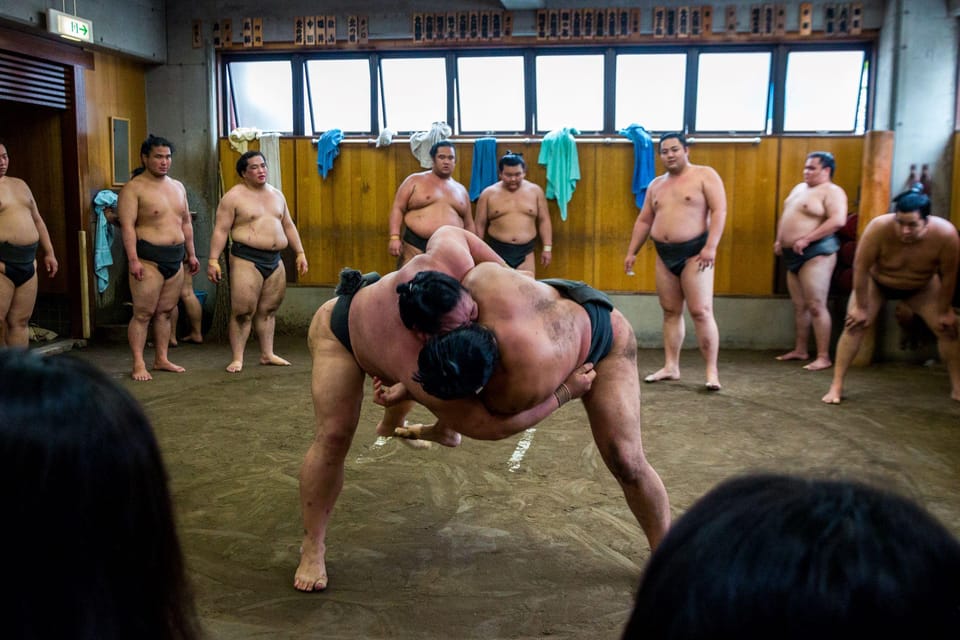
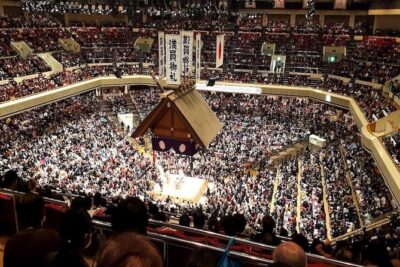
One of the biggest reasons this tour lands for people is the shift in perspective. At an arena, you’re one of thousands. In the stable, you’re much closer to the rhythm of training and the people doing it.
After you enter, your guide usually sets the tone fast: where to sit, how to behave during practice, and what to watch for. You might even get some written help—English explanation notes and guidance that point out what’s happening, so you can follow the sport without blurting questions during the training.
And yes, you’ll likely feel the energy difference immediately. Sumo training is physical, intense, and repetitive. The wrestlers are there to get better, not to entertain.
Depending on the day, you may have a chance to talk with wrestlers (through your guide). That’s where the experience becomes more than watching. You’re learning how they approach practice and what the tournaments mean in their calendar.
What morning training looks like: technique, power, and repetition
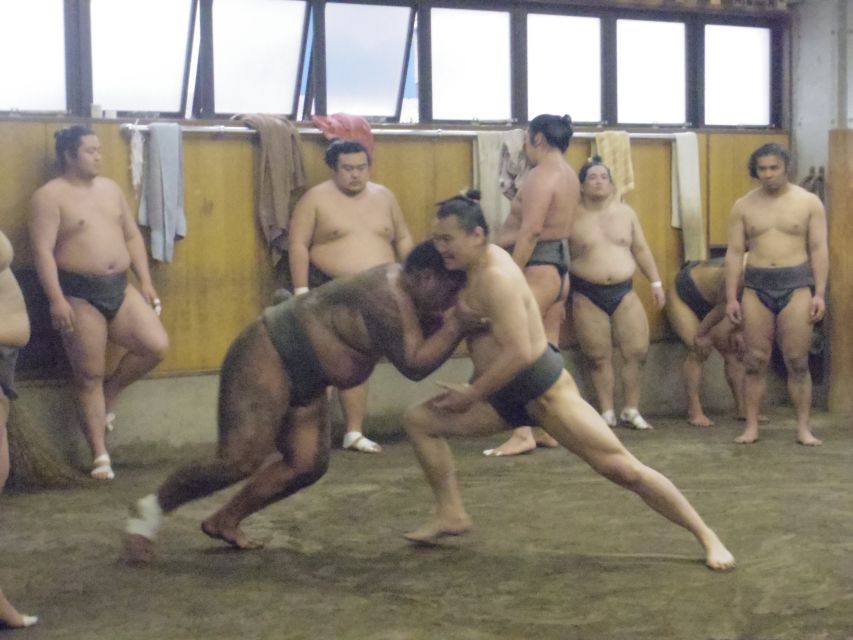
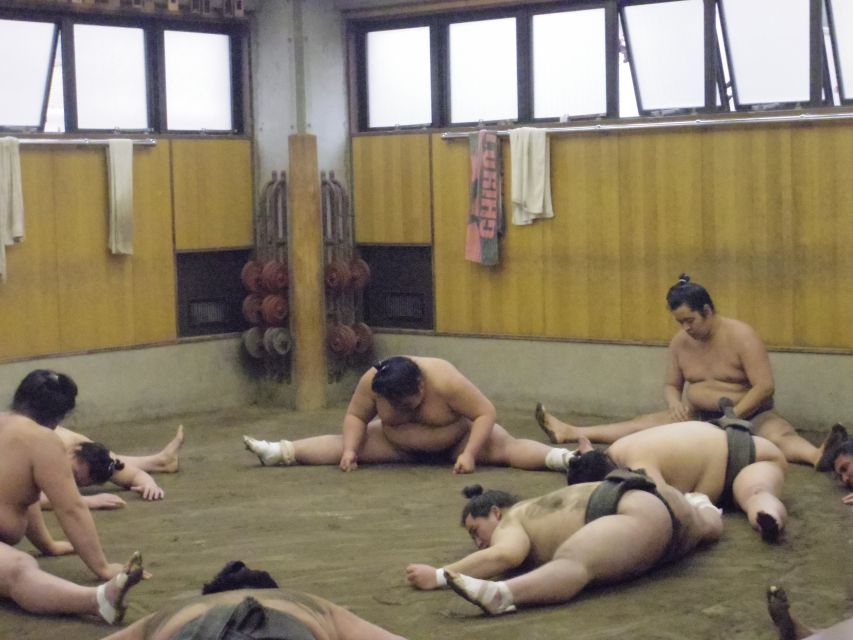
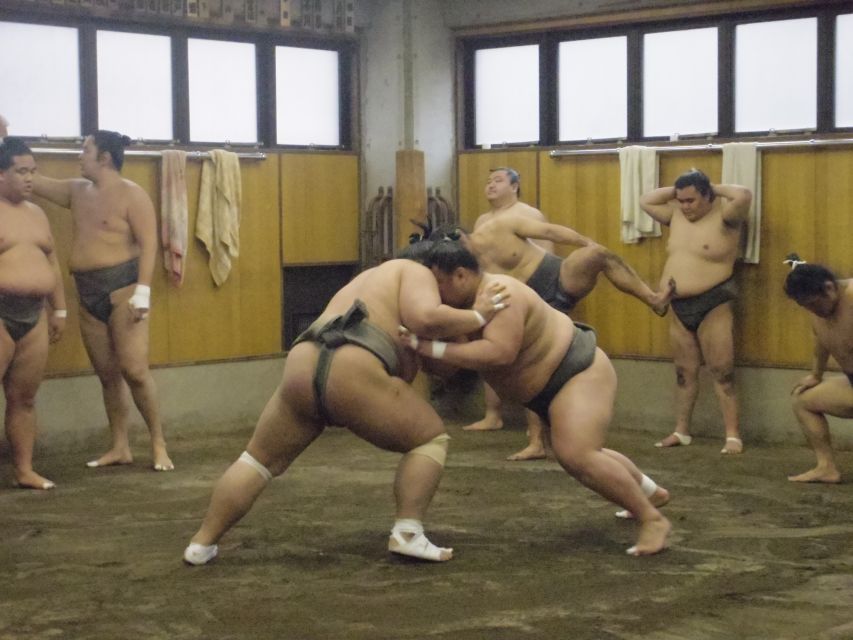
During the main training stretch (about 60 to 90 minutes, depending on the day), you’ll watch wrestlers train in a progression. The exact drills can vary, but the core idea is consistent: sumo is about leverage, timing, and control.
The basics are still the basics, even when you’re seeing it up close:
- Wrestlers try to force the opponent out of the ring.
- Or they try to make any part of the body touch the ground.
- Training includes grappling work and technique practice meant to build that instant control.
You’ll also see how disciplined the routine is. Young wrestlers live together and chase ranks in a world with clear standards. That’s one of the subtler lessons of this tour: sumo is not only strength. It’s structure, hierarchy, and daily training that starts early and keeps moving almost every day.
If you’re the type who likes martial arts because it’s complicated, you’re going to enjoy the level of detail. Fast exchanges happen, and the bouts can end quickly when technique lands cleanly. What’s impressive is how often the wrestlers repeat drills that look simple until you watch them long enough to notice the precision.
The quiet rules: why you must sit still to truly get it
This is where a lot of people either love it or bounce off it. During practice, you’re expected not to stand up or move around. You’ll also keep silence during the training itself. Flash photography and video recording are not allowed, and food and drinks are also off the list.
It can feel strict at first. But that strictness is part of why this feels authentic. You’re watching the wrestlers work without turning their space into a sound stage.
A helpful way to think about it: you’re there for the atmosphere as much as the moves. The stable is small compared with an arena. If everyone stands up, talks, and films, it destroys the conditions the wrestlers need to train. So the rules protect the experience for everyone—especially the athletes.
My practical advice: bring patience. You don’t need to stare at the ring nonstop. You can watch from your seat, read the explanation notes if provided, and let the training build your understanding.




Your English guide’s job: making sumo readable without ruining the mood
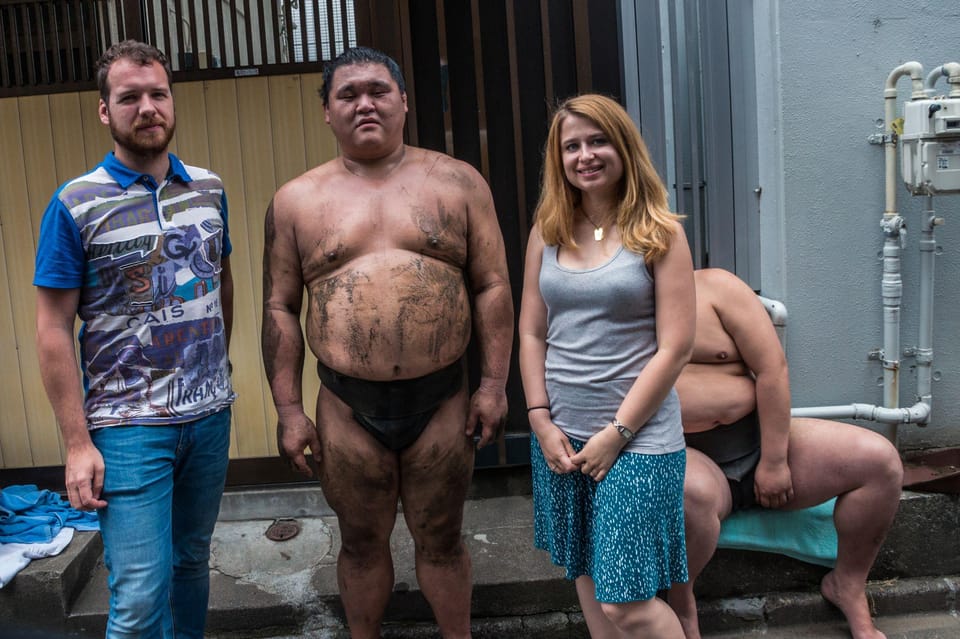
A good guide can turn a close view into real understanding. This tour is led by a professional licensed English guide, and the best part is how they balance information with respect for the stable.
Many guests highlight that guides keep the group safe and together on the way to the stable, and they’re clear about what’s allowed and what isn’t. Guides also explain the history and the art of sumo wrestling, including its traditional roots and the Shinto beliefs linked with the sport.
If your guide is the fun, energetic type, you may also get the added bonus of humor and atmosphere. People have specifically praised guides such as Oku San and Yuko for being both informative and good at managing the group during the quiet parts.
You’ll also see the difference between generic explanations and targeted ones. Some guides hand out help sheets or cards that explain what’s happening during practice. Others quietly pass notes to point out which wrestlers you’re seeing. That kind of attention makes a huge difference when you’re trying to follow action without the freedom to talk.
And because you’re learning while you watch, sumo stops being mysterious. You start noticing grips, setups, and how wrestlers reset after each exchange.
Photo chances with wrestlers: what to expect
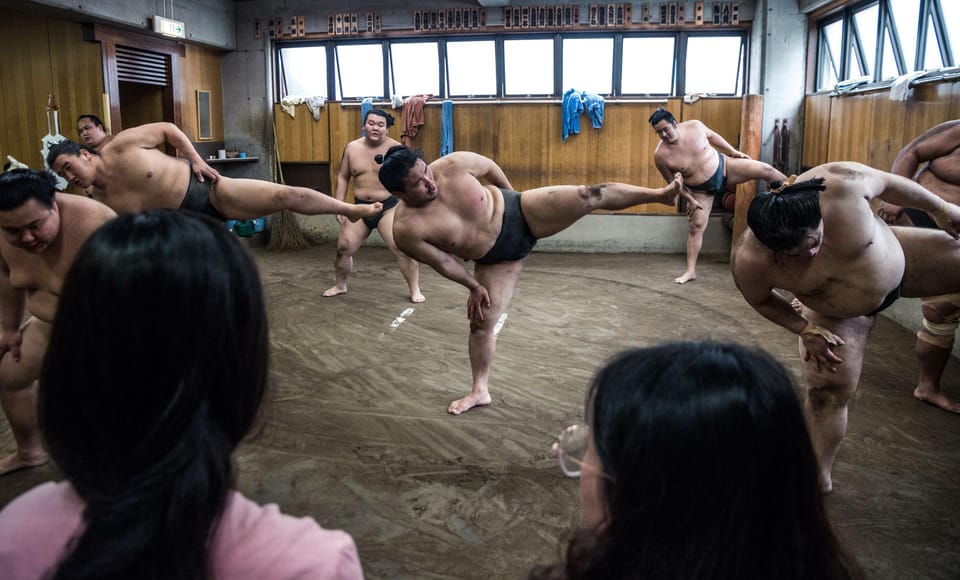
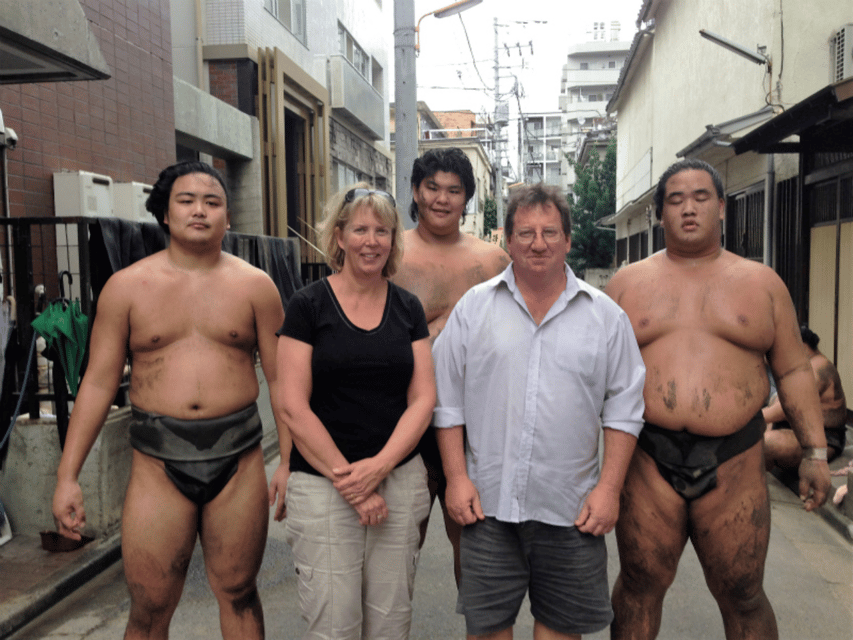
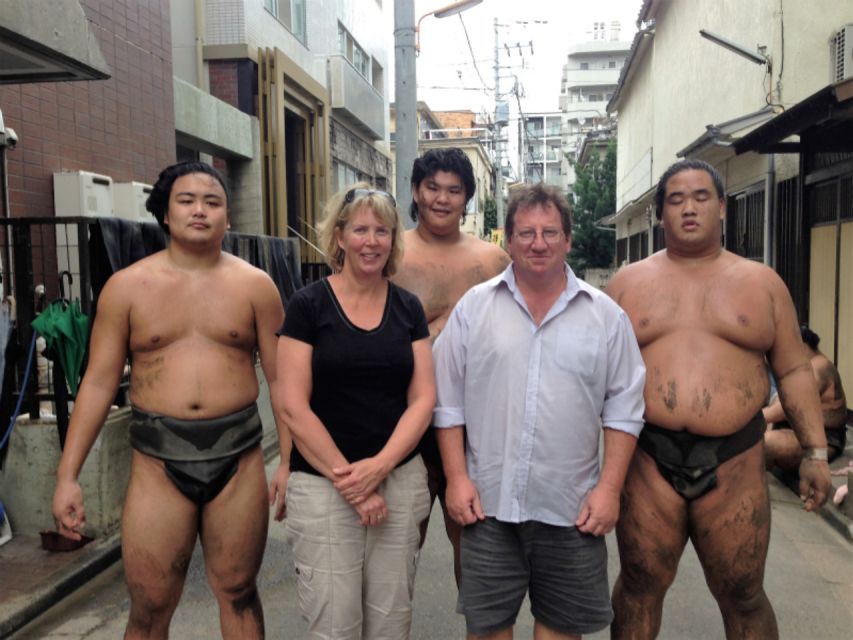
Photography rules during practice are strict: no flash photography, and no video recording. But the tour may include photos with the wrestlers afterward, and that depends on the day.
This is worth managing mentally. Don’t assume the photo is guaranteed. If it happens, treat it like a respectful moment. The stable is still a workplace, and you’ll likely be guided on when and how.
Even without a photo, you’ll get something more valuable: proximity to training that most visitors only ever see from far away or in heavily staged formats.
After the tour: what to do next in Ryogoku
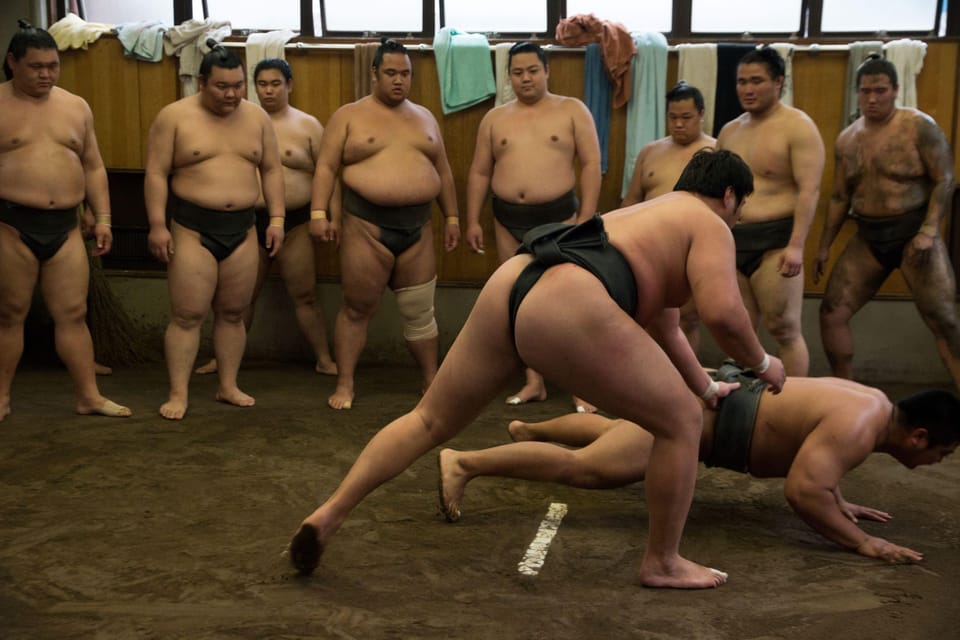
When the practice ends, you finish the tour. The ending location may differ from where you met. You’ll want to be ready for that and keep an eye on what your guide tells you at the end.
Good news: Ryogoku has sumo meal restaurants nearby, so it’s easy to keep the theme going right away. This is a fun moment to process what you saw. You’ll understand more of what you’re ordering and you’ll recognize the cultural thread tying everything together.
Also, if you’re planning to catch a sumo tournament during your trip, this morning practice experience helps you watch with better context later. Even if you don’t have tournament tickets, it gives you the “behind the scenes” version of sumo that many people can’t find elsewhere in Tokyo.
Price and value: is $81 worth a morning of rules and silence?
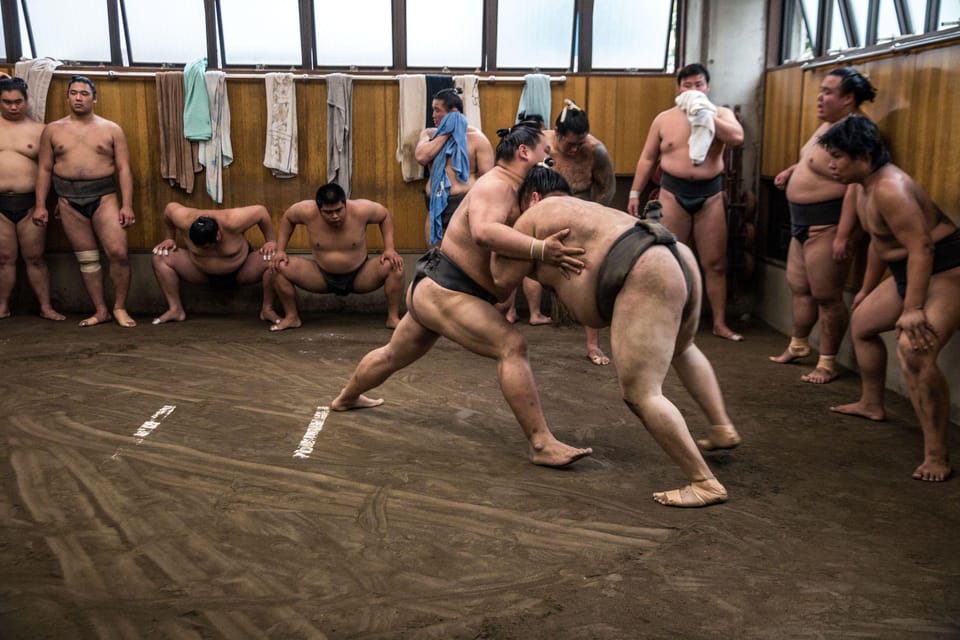
At $81 per person for 90 minutes to 2 hours, this isn’t a cheap add-on. But it’s not overpriced in the normal tourist sense either.
Here’s why it can feel like good value:
- You’re getting access to a real stable that typically isn’t open for casual visitors.
- You’re watching training up close rather than from the back row of an arena.
- The price includes an English-speaking licensed guide who explains history, rules, and what’s happening during practice.
- You may also get photo access depending on the day.
The main “cost” you pay isn’t money. It’s time and attention. You have to be quiet, seated, and respectful until the end of practice. If that’s hard for you, then the value drops, because you won’t enjoy the experience as fully.
Who should book this Sumo Morning Practice Tour
You’ll likely be happy if you:
- Want a serious look at sumo as sport and culture, not a souvenir stop
- Like hands-on explanations while you watch (especially if you’ve never studied sumo rules)
- Can handle sitting still and following etiquette without needing constant stimulation
- Enjoy Japan when it’s local, early, and a bit off the main sightseeing track
It’s not a fit if you:
- Need lots of movement during a visit
- Are under 11
- Have mobility impairments (it isn’t suitable for that)
- Prefer filming and lots of visible action on demand (you can’t record video, and flash is banned)
If you’re a martial arts fan, you may also enjoy the intensity. Sumo training isn’t relaxed downtime. It’s hard work, and you see the athletes building for competition.
Should you book? My straight answer
If you care about authenticity and you’re okay with strict etiquette, I’d book this. The biggest payoff is the stable access. The second payoff is understanding: after the morning, you won’t just think sumo looks strong. You’ll see why the technique, ritual, and discipline matter.
If you hate rules, don’t like early mornings, or can’t stay seated and quiet for the full session, then consider other sumo experiences with less restraint. This one is for people who want the real rhythm of training, even when it’s not loud and flashy.
FAQ
What is the duration of the Tokyo Sumo Morning Practice Viewing Tour?
The tour lasts about 90 minutes to 2 hours, depending on the day and the practice schedule.
Where does the tour take place?
The stable is in Ryogoku, Tokyo, in the sumo area near the Ryogoku Sumo district.
Do I need to stay for the whole training session?
Yes. You must stay until the end of the practice, around 09:00 to 10:00 AM. Once you leave the stable, there is no re-entry.
Is there an English guide?
Yes. The tour includes a live English-speaking guide.
Are hats, sunglasses, or flash photography allowed?
No. Hats and sunglasses are not allowed, and flash photography is not allowed.
Can I record video during the training?
No. Video recording is not allowed.
Is food and drink allowed during the tour?
No. Food and drinks are not allowed.
Is this tour suitable for children?
It is not suitable for children under 11 years old. It also is not suitable for people with mobility impairments.