REVIEW · OSAKA
Osaka: Deep Backstreets Walking Tour with Dinner Option
Book on GetYourGuide →Operated by Osaka Food Tours, Inc. · Bookable on GetYourGuide
Osaka has a darker side worth seeing. This tour brings you through retro Osaka at night and then into lanes most visitors never even notice, with stories that connect everyday street life to Osaka’s more complicated past. You’ll see how locals entertain themselves in game halls, markets, and late-night spots, then you’ll get historical context in gritty neighborhoods that feel unreal in the middle of a modern city.
I love the mix of street atmosphere plus real food. The tour includes two side-dish tastings from back-alley stalls, and the guides make the small scenes feel meaningful instead of random.
One big consideration: this is not a soft, polite walk. Expect taboo topics and adult themes, and it’s not suitable for kids under 16 or for people who need a low-stress, fully accessible route.
In This Review
- Key takeaways before you step into the alleys
- Retro Osaka After Dark: Game Halls, Old Markets, and Local Night Life
- Back-Alley Bites: Two Side-Dish Tastings at Character Stalls
- The Abandoned-Buildings Area: History, Shock Value, and Why It Matters
- Taisho-Era Red Light District: UNESCO-Level Streets and a Choose-Your-Route Moment
- Taboo Topics on the Walk: Yakuza, Sex Work, Gambling, War, and Pachinko
- Dinner After Dark: How the Sit-Down Meal Finishes the Story
- Price and Pacing: What $40 Buys You in Real Osaka Time
- Who This Tour Fits Best—and Who Should Skip
- Should You Book This Osaka Deep Backstreets Night Tour?
- FAQ
- How long is the Osaka Deep Backstreets Walking Tour?
- What food is included in the tour price?
- Is dinner included?
- What kinds of topics does the tour cover, and does it include the homeless district?
- Who is this tour not suitable for?
- What should I wear?
- Is drinks included?
Key takeaways before you step into the alleys
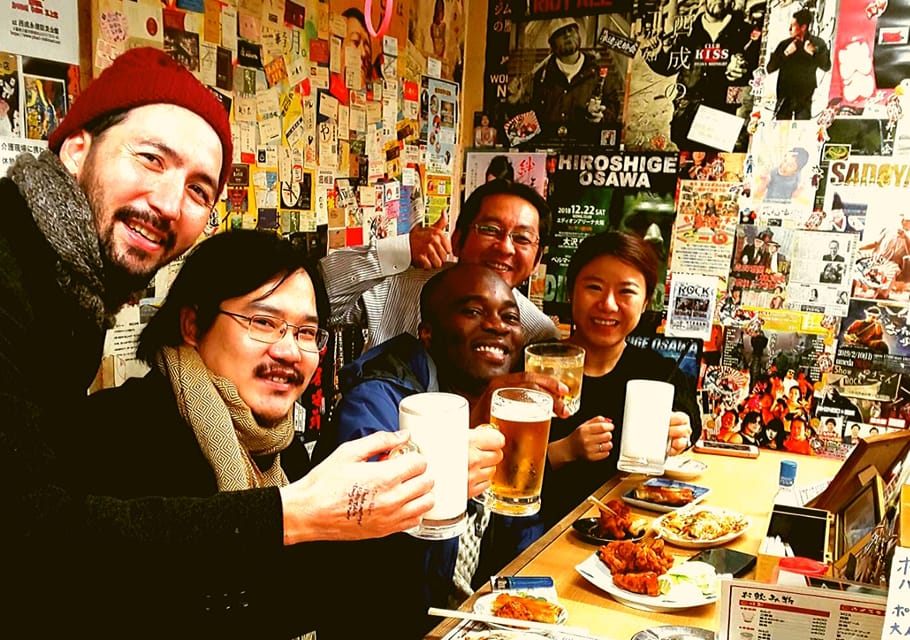
- Retro night Osaka: game parlors, old-school markets, and local ways of spending an evening
- Two stall tastings: you’ll eat at back-alley stalls instead of grazing around tourist strips
- Abandoned properties area: a surreal walk that comes with frank historical context
- Taisho-Era red light district option: you can choose to enter or skip, with UNESCO-level preservation
- Hard topics, handled with respect: yakuza, gambling, sex work, war, and more, without going into the homeless district
- Dinner add-on: if you choose it, you’ll keep the stories rolling over a sit-down meal afterward
Retro Osaka After Dark: Game Halls, Old Markets, and Local Night Life
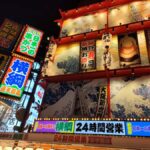
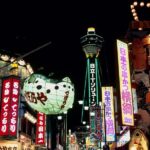
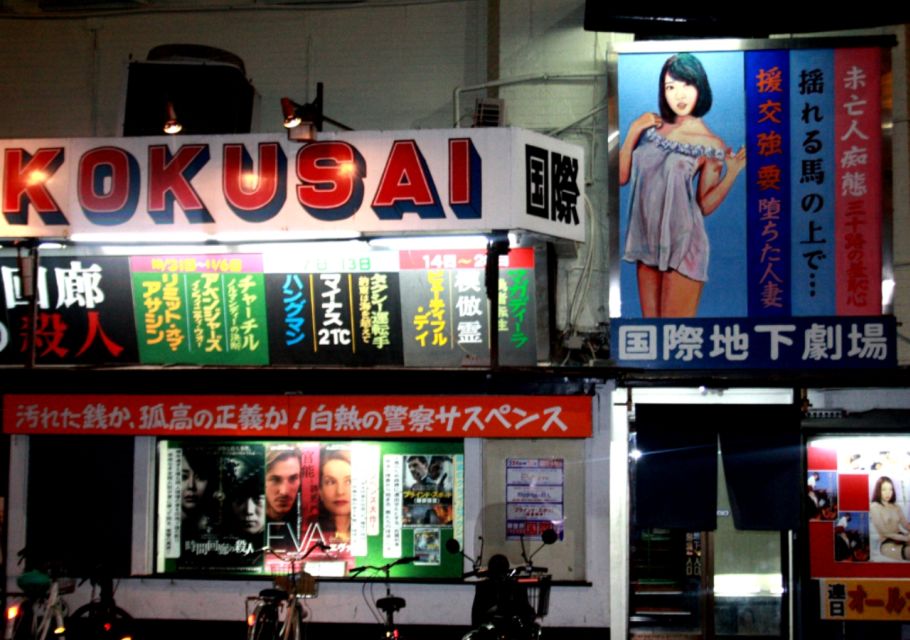
The best part of starting this tour is the tone shift. You begin by getting a feel for Osaka that’s not built for selfies. It’s retro, a little worn at the edges, and very human—like the city is showing you what it looks like when no one’s trying to impress.
Along the way, you’re likely to pass through old-fashioned markets and retro video game parlors, plus other late-night hangouts where people do things that feel uniquely Japanese. One guide-style touch that keeps popping up is storytelling that makes the area understandable. You don’t just get a list of sights. You get the why behind them: what people do for fun here, how those spaces fit into daily life, and what Osaka’s night rhythm is really like.
Practically, this start matters. If you’ve only seen Osaka in daylight, it can feel like a clean, modern city. This tour corrects that. You’ll walk with the sense that Osaka is layered—entertainment, commerce, and culture all stacked on top of each other.
The other practical note is simple and strict: be on time. In Japan’s narrow lanes, you can’t just catch up later. You’re walking where groups can get strung out inside winding alleys, and there’s no realistic “meet at the corner” plan.
You can also read our reviews of more tours and experiences in Osaka.


Back-Alley Bites: Two Side-Dish Tastings at Character Stalls
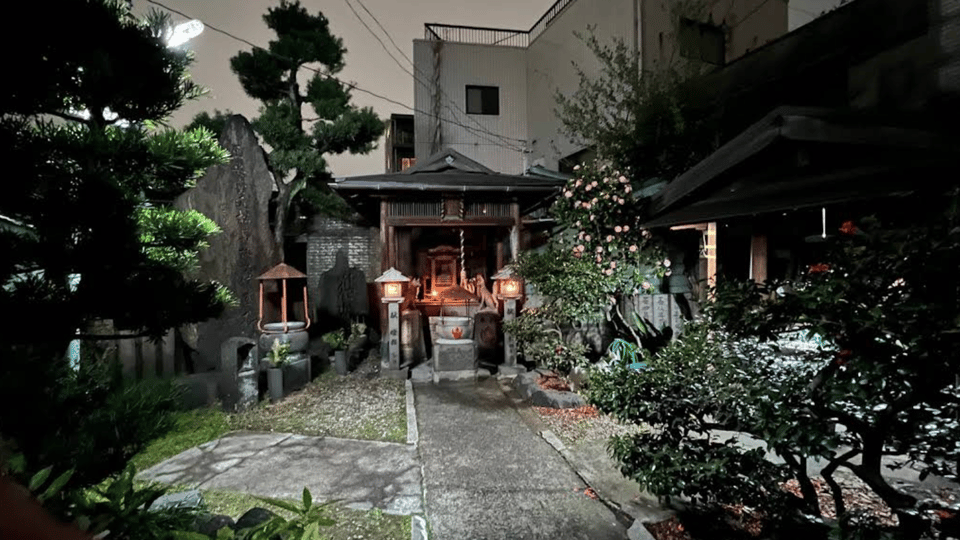
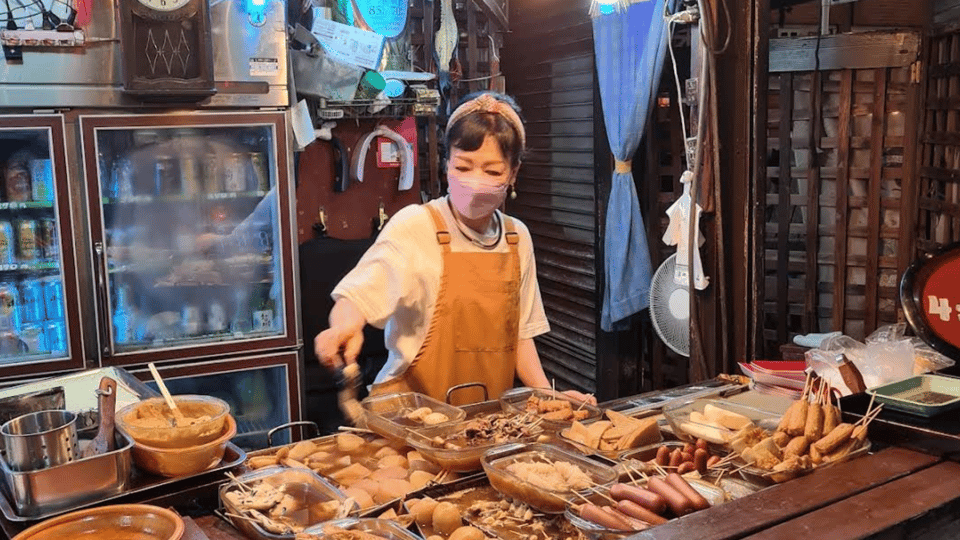
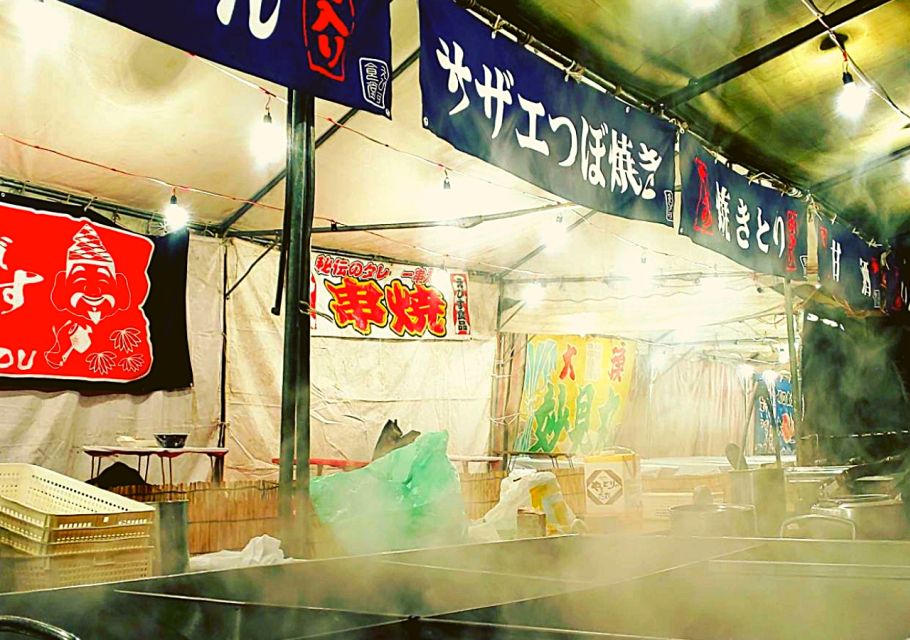
Food on this tour isn’t a souvenir snack. It’s part of the point. The route is built around eating, specifically two side dishes from two different stalls, tucked into the back-street style of Osaka.
What you should expect is small-portion, fast, locally flavored bites that help you read the city the way locals do. These aren’t dishes meant to be photographed in a clean white bowl. They’re the kinds of foods people grab because they’re good, close, and easy to pair with standing around, chatting, and walking.
This is also where the guide earns their keep. A great guide doesn’t just point. They explain what you’re eating and how those foods fit the neighborhood. If you’re curious about how Osaka handles everyday pleasures—especially at night—this part is your shortcut.
If you have dietary restrictions, the data you provided doesn’t spell out options. I’d plan on ordering what’s offered at the stalls unless your guide confirms alternatives.
The Abandoned-Buildings Area: History, Shock Value, and Why It Matters
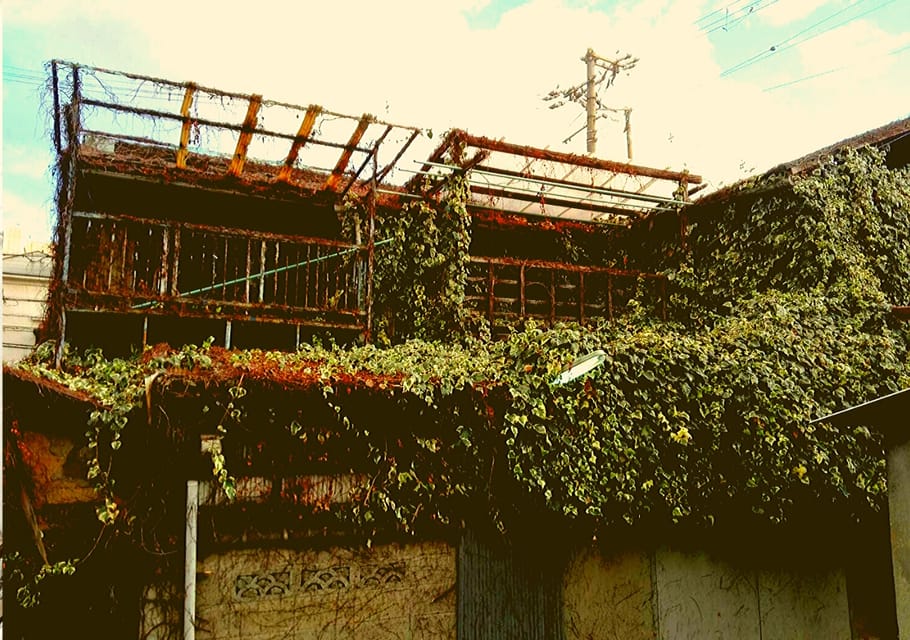
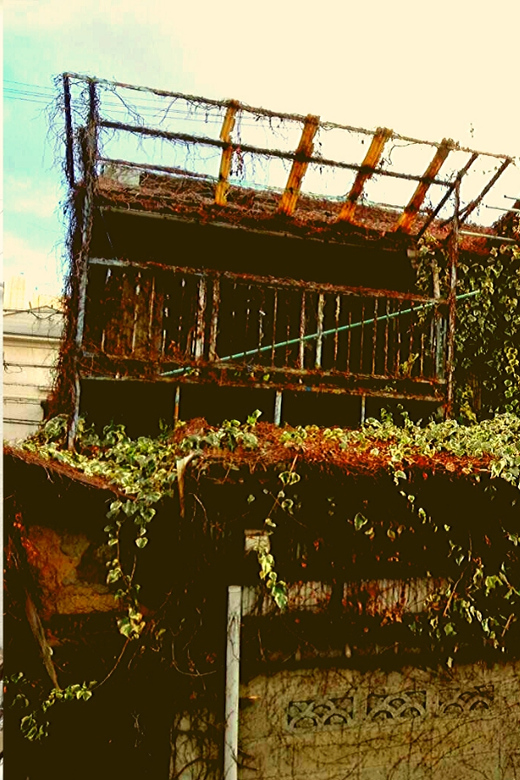
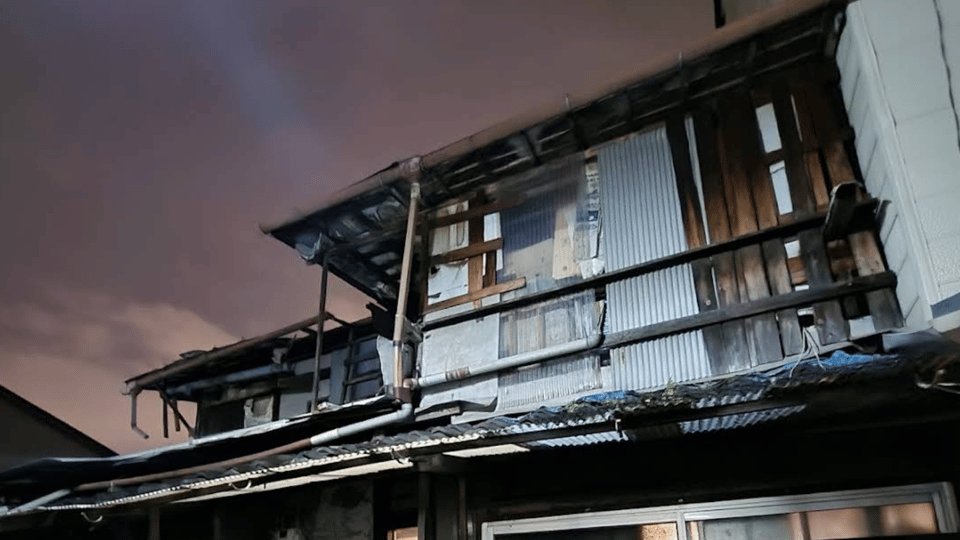
Then you hit the part that feels almost dreamlike: a cluster of abandoned buildings and properties that sit inside the city like a crack in the sidewalk. The tour frames it as a surreal window into places with a controversial past, not as shock theater.
You’ll get historic facts and on-the-ground anecdotes about the area—how it changed, what was there before, and what those spaces can teach you about Osaka’s growth. The “why” is important here. Derelict streets aren’t just grim scenery. In a place like this, they become a lesson in what gets erased, what gets replaced, and what stays stubbornly visible.
One drawback is emotional. If you’re the type who likes a polished, always-happy travel narrative, this stretch may hit hard. But if you want Osaka without rose-colored filters, this is the tour’s backbone.
And you’re not left alone in the dark. The tour stays guided and explanatory, so you’re not just staring at empty lots and guessing. You’ll understand what the city is choosing to remember—and what it prefers to forget.
Taisho-Era Red Light District: UNESCO-Level Streets and a Choose-Your-Route Moment
After the abandoned zone, you reach a fork in the road. You’ll have an option to walk through the Taisho-Era red light district or skip it and take a separate path.
That choice is smart. It respects different comfort levels while still keeping the tour honest. If you do enter, you’re walking a section described as incredibly preserved from the Taisho period, including UNESCO-listed buildings that matter to Osaka’s culture.
Here’s what makes this area more than a thrill-seeking detour: the guide uses it to explain systems—how these neighborhoods operated, how business and social norms collided, and how attitudes shaped people’s lives. You’ll also hear taboo topics discussed in context, not as gossip.
If you skip this portion, you still get the core value of the tour: the backstreet Osaka perspective and the way the guide connects gritty places to real social history. In other words, you can tailor the intensity without losing the plot.
Taboo Topics on the Walk: Yakuza, Sex Work, Gambling, War, and Pachinko
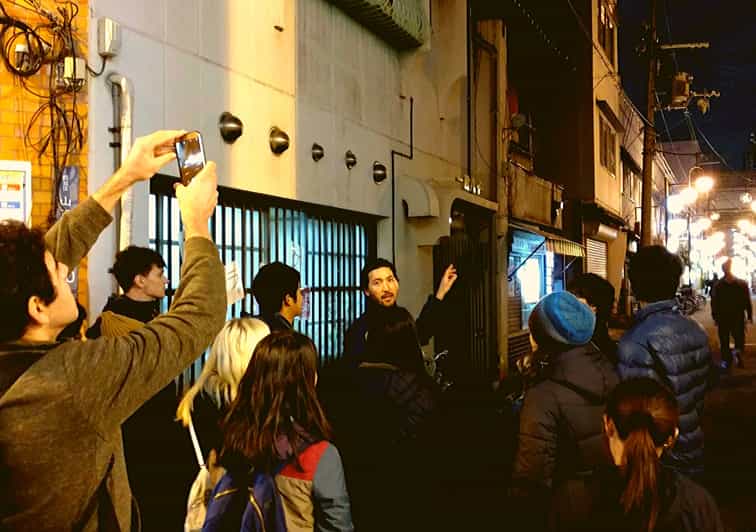
Let’s be clear: this tour does not sugarcoat. The topics are adult and uncomfortable, and they’re presented as part of understanding how Osaka has worked—socially, economically, and politically.
Based on the information provided, expect discussion of taboo subjects like yakuza, sexism, war, illegal gambling, sex work, illicit businesses, pachinko, homelessness, welfare, and more. The point isn’t shock. The point is context. You’ll start connecting dots between nightlife, underground economies, and the everyday choices people make to survive or thrive.
A key balance note: the tour does not go through the homeless district. At the same time, homelessness and welfare come up as part of the broader conversation, and the guides are described as respectful if people who are homeless happen to be on the same route.
That respect matters. In this kind of neighborhood, you’re always one street away from someone else’s reality. A responsible guide keeps the focus on understanding, not on staring.
If you’re the sort of person who asks questions, this tour can be great for you. If you hate uncomfortable topics, skip. There’s no soft landing here.




Dinner After Dark: How the Sit-Down Meal Finishes the Story
The tour includes an optional dinner after the walking portion ends. If you choose the dinner option, you’ll head to a traditional restaurant for a full meal, and it’s included after the tour wraps.
This part feels like the release valve. You’ve just walked through intense neighborhoods and hard questions, and then you sit down to eat. It’s also practical value. If you’ve spent the evening trying to figure out where to eat in areas you otherwise wouldn’t explore, the dinner option saves you from that decision fatigue.
One caution: drinks are not included. You can plan accordingly so you’re not surprised when you want a beer or a soda with dinner.
Guides like Knox, Rudy, Maria, Joseph, and Bennet are repeatedly described as strong hosts who keep the group at ease while still being candid. That matters at dinner too, because the meal isn’t just food. It’s continuation—less walking, more conversation.
Price and Pacing: What $40 Buys You in Real Osaka Time
At $40 per person for about 210 minutes (3 hours and change), this tour is priced like an experience that leans on expertise and access rather than just distance walked.
Here’s what you’re really paying for:
- A professional guide who can explain places most people never find on their own
- Time spent in backstreets where self-navigation is slow and confusing
- Two side-dish tastings from stalls you’d likely miss
- Optional dinner, which can turn the whole thing into a full evening plan
Is it worth it? For me, it’s worth it if you want Osaka with fewer filters and more context. If you want only the famous sights, you’ll likely feel the cost more clearly because you’ll compare it to doing things on your own in safer, more obvious areas.
Pacing is built for walking in alleys, not for long breaks. That means you need comfortable shoes and you should treat the tour like an event: show up ready, pay attention, and let the guide set the rhythm.
Who This Tour Fits Best—and Who Should Skip
This is best for intrepid adults, solo travelers, and couples who want Osaka beyond the standard highlights. The tone is low-key in delivery but serious in content. Many people love it because it feels more like a guided conversation through neighborhoods than a rigid checklist.
It can be a great fit if you like:
- learning through street-level detail
- asking awkward questions and getting straight answers
- eating small local bites while walking
- history that includes the uncomfortable parts, not just the pretty ones
But you should skip if you want a family-friendly walk. It’s not suitable for children under 16, and it’s also not suitable for pregnant women and people with mobility impairments (even though it’s listed as wheelchair accessible). That contradiction is worth flagging: alleys and uneven street conditions can still make the experience hard, so check with the operator if mobility is part of your planning.
Should You Book This Osaka Deep Backstreets Night Tour?
If your goal is an Osaka evening that feels real—messy, human, and complicated—book it. The combination of retro night scenes, back-alley food, abandoned-property history, and the Taisho-Era red light district option gives you a layered picture you can’t easily recreate on your own.
If you’re sensitive to adult themes, or you hate taboo topics, consider skipping. This tour doesn’t avoid the hard stuff, and it won’t slow down to protect your comfort level. For the right traveler, though, that honesty is the whole point.
If you do book, the two best decisions you can make are simple: wear comfortable shoes, and be on time so you never miss the start of those winding lanes.
FAQ
How long is the Osaka Deep Backstreets Walking Tour?
It runs for about 3 hours, listed as 210 minutes.
What food is included in the tour price?
The tour includes visits to two stalls for two side dishes.
Is dinner included?
Dinner is optional. If you select the dinner option, you’ll get a full dinner after the tour ends.
What kinds of topics does the tour cover, and does it include the homeless district?
The tour includes taboo topics such as yakuza, sexism, war, illegal gambling, sex work, illicit businesses, pachinko, homelessness, welfare, and more. The information provided also states the tour will not go through the homeless district, and guides are described as respectful if homeless people are on the same route.
Who is this tour not suitable for?
It’s not suitable for children under 16, pregnant women, and people with mobility impairments.
What should I wear?
Bring comfortable shoes and avoid high-heeled shoes.
Is drinks included?
No. Drinks are not included.