REVIEW · TOKYO
Private Tour to Mt. Fuji and Hakone (Fully Licenced Operator)
Book on Viator →Operated by Live Nippon · Bookable on Viator
Fuji day trips should feel effortless. This one is built for a smooth, private experience with a customizable route and hotel pickup, so you can chase the best views without wrestling transit. I also love how the day is paced around real photo stops like Lake Kawaguchiko and Arakurayama Sengen Park, with guides such as Maz, Israr, Petteri, and Bajwa often highlighted for timing and helpful context. One key consideration: the Mt. Fuji 5th Station is not guaranteed, since it can close due to bad weather or maintenance.
Your ride is an air-conditioned charter with an English-speaking driver-cum-guide and the operator runs with green number plates (the licensed, commercial plates). You get a mobile ticket for the experience, but you should budget for add-on tickets (ropeways, cruises, and some site fees) and lunch, which are not included.
In This Review
- Key Highlights at a Glance
- A Private Charter Is the Fastest Way to Beat Tokyo-to-Fuji Friction
- Price and Value: What $497.43 Per Group Really Covers
- Licensed Green-Plated Vehicles and the Comfort Factor
- Choosing Your Day: Mt. Fuji and Hakone vs Fuji Surroundings
- Stop-by-Stop: The Fuji Views Worth Your Time
- Mount Fuji (base area stop)
- Mt. Fuji 5th Station (final car/shuttle reach; not guaranteed)
- Lake Kawaguchiko (for Fuji framed by water)
- Oshino Hakkai (the pond village with Fuji reflections)
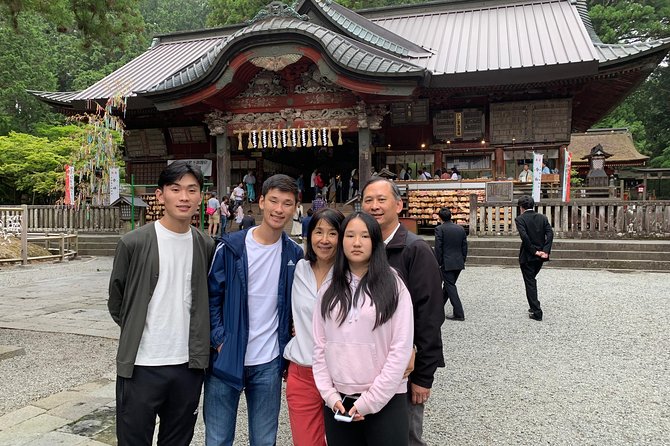
- Shrines and steps: Kitaguchi Hongu Fuji Sengen Jinja + Arakurayama Sengen Park
- Chureito Pagoda (iconic hilltop photo)
- Saiko Iyashi no Sato Nemba (time-permitting traditional village vibe)
- Hakone Highlights: Lake Ashi Cruise and Owaku-dani’s Black-Egg Valley
- Lake Ashinoko (Hakone lake + pirate-ship cruise)
- Owaku-dani Valley (the black-egg valley stop)
- Optional Hakone Shrine
- Timing, Weather, and How Guides Protect Your Photo Chances
- Pacing on a 10-Hour Private Day: Comfort Without the Rush
- Who This Tour Fits Best (and Who Should Rethink It)
- Should You Book This Private Mt. Fuji and Hakone Day?
- FAQ
- Is the Mt. Fuji 5th Station included?
- What’s included in the tour price?
- Do I get hotel pickup and drop-off?
- How long is the tour?
- Do I have to pay for entry and activities?
- What if the weather is bad?
Key Highlights at a Glance
- Private group up to 5 with hotel pickup and drop-off, so you control the pace
- Flexible itinerary: choose Mt. Fuji + Hakone or Mt. Fuji surroundings
- Multi-view Fuji strategy from Lake Kawaguchiko to shrine-hill viewpoints
- Hakone add-on options like Lake Ashi pirate cruise and Owaku-dani black-egg valley
- Weather-aware planning, with Mt. Fuji 5th Station explicitly not guaranteed
A Private Charter Is the Fastest Way to Beat Tokyo-to-Fuji Friction
Mt. Fuji looks close on a map, but the day gets messy fast once you factor in getting out of Tokyo, timing trains, and hoping you’re in the right place at the right moment. This tour solves that with a private, air-conditioned vehicle and hotel pickup in Tokyo, then a full return drop-off at the end.
That matters because a good Fuji day is half sightseeing and half logistics. The driver-guide can steer you toward the best plan for the day you actually get—clear skies versus haze, crowds versus quiet corners. And because it’s private, you’re not stuck waiting for other people to finish photos or shop for souvenirs at the wrong pace.
You can also read our reviews of more tours and experiences in Tokyo.

Price and Value: What $497.43 Per Group Really Covers
The headline price is $497.43 per group (up to 5), for about 10 hours of private transportation and an English-speaking driver-cum-guide. To me, the value is strongest when you split the cost across a small group who wants comfort and time efficiency, not a rigid schedule.
The catch is that some of the most fun pieces are ticket-based. Lunch is not included. Activity tickets like the ropeway or cruises are not included. Also, the Mt. Fuji entrance fee is listed as 2800¥ per group (not included). You’ll want to treat this as a charter day where your main variable costs are attractions you choose to do on the ground.
Licensed Green-Plated Vehicles and the Comfort Factor
This operator emphasizes fully licensed commercial driving setup, including commercial insurance, commercial driving permit holder drivers, and the green number plates (as a safety and legitimacy signal). The ride itself is air-conditioned, which is not a small deal on a long day when you’re bouncing between lakes, hills, and open-air viewpoints.
Comfort shows up in the little things: bathroom breaks, time to walk without feeling rushed, and the simple fact that you’re not navigating in transfers mid-day. In the guide experiences people mention—like Sam being patient with photo stops, or Zia keeping the pace smooth—there’s a consistent theme: you spend your energy enjoying the views, not managing the transport.
Choosing Your Day: Mt. Fuji and Hakone vs Fuji Surroundings
You pick one of two route styles with your guide:
- Mt. Fuji and Hakone itinerary
- Mt. Fuji surroundings area itinerary
Why this matters: Hakone and Fuji-area towns are different vibes. Hakone leans scenic lakes and volcanic drama. Fuji surroundings lean shrines, historic-looking streets, and classic viewpoints like the pagoda-on-a-hill feel. If you love boats, ropeways, and that lake atmosphere, the Hakone choice makes more sense. If you want the Fuji shrine stops, Oshino Hakkai ponds, and iconic postcard spots, the surroundings loop is likely a better match.
Either way, you’ll start with southbound travel from Tokyo, then spend the day hopping between vantage points designed to show Fuji from multiple angles.
Stop-by-Stop: The Fuji Views Worth Your Time
The schedule is designed around classic “see it from here” points. Even when conditions aren’t perfect, you’re set up to maximize your odds of a clean view.

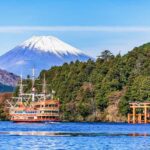


Mount Fuji (base area stop)
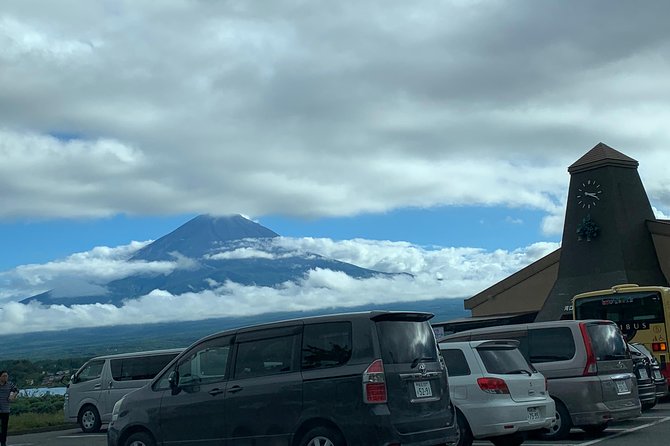
The first stop gives you time near Mt. Fuji itself (about 1 hour). This is the moment to orient yourself visually: you’ll get a sense for what the mountain looks like today and which vantage points will be most rewarding.
Drawback: the best views are weather-dependent. If clouds roll in, this part of the day can shift from photo-happy to more “scenic walks” than “clear summit” photography.
Mt. Fuji 5th Station (final car/shuttle reach; not guaranteed)
The 5th Station is about 30 minutes and is presented as the last point you can reach by car or shuttle bus. But it’s explicitly not guaranteed, because it may close from weather or maintenance.
Practical takeaway: if you’re booking for the 5th Station specifically, keep expectations flexible. If it’s closed, your guide will still have other viewpoints lined up, but your plan may shift toward lakes and shrine areas instead.
Lake Kawaguchiko (for Fuji framed by water)
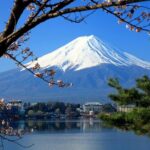
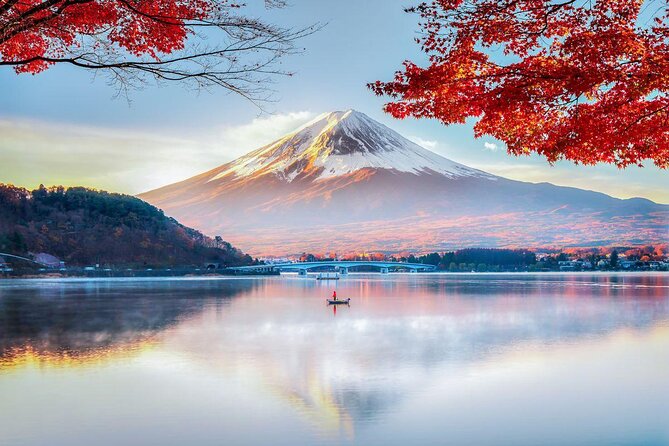
Lake Kawaguchiko is one of the major Fuji-area lakes (about 1 hour here). The big idea is simple: Fuji + water makes for strong views, especially when you pair the lake with a viewpoint.
Two optional add-ons are highlighted:
- a ropeway ride up Mt. Kachi Kachi for panoramic scenes
- a cruise on Lake Kawaguchiko for a different angle
If you care about photography, this is where you’ll feel the day’s “wow” potential.
Oshino Hakkai (the pond village with Fuji reflections)
Oshino Hakkai is known for its small pond complex and the laid-back village feel around it (about 1 hour). It’s also described as having hot springs in the area and traditional food and souvenir stalls.
What I like about this stop style: it slows you down. You’re not just chasing a summit view—you get Fuji as a backdrop to a lived-in place.
Shrines and steps: Kitaguchi Hongu Fuji Sengen Jinja + Arakurayama Sengen Park
You can visit:
- Kitaguchi Hongu Fuji Sengen Jinja Shrine (about 1 hour)
- Arakurayama Sengen Park (about 1 hour) with an iconic pagoda viewpoint reached via 398 steps
This is the “walk up for the payoff” part of the Fuji day. The steps can be a stretch after a long drive, so go at your pace, take breaks, and bring water. The upside is that the pagoda-hill view style tends to be a major photo magnet when the weather cooperates.
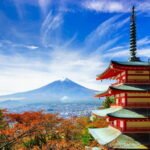
Chureito Pagoda (iconic hilltop photo)
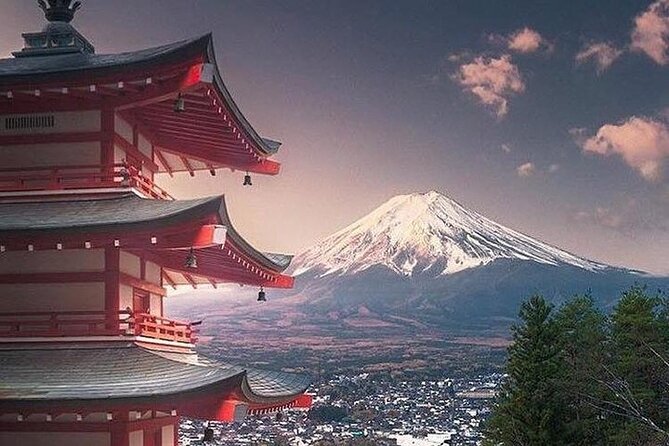
Chureito Pagoda is a five-storied pagoda with a famous view facing Mt. Fuji in the distance. It’s listed as included admission for this stop (about 10 minutes).
Consideration: this kind of iconic spot can be impacted by closures. Your guide should handle route changes, but if the pagoda area is unavailable, expect your timing to flex.
Saiko Iyashi no Sato Nemba (time-permitting traditional village vibe)
Saiko Iyashi no Sato Nemba is included if the schedule allows (about 1 hour). It’s a traditional Japanese village experience.
If your group is more history-and-culture curious than viewpoint focused, this can be a great balance. If your whole mission is pure Fuji photos, treat it as a bonus rather than the centerpiece.
Hakone Highlights: Lake Ashi Cruise and Owaku-dani’s Black-Egg Valley
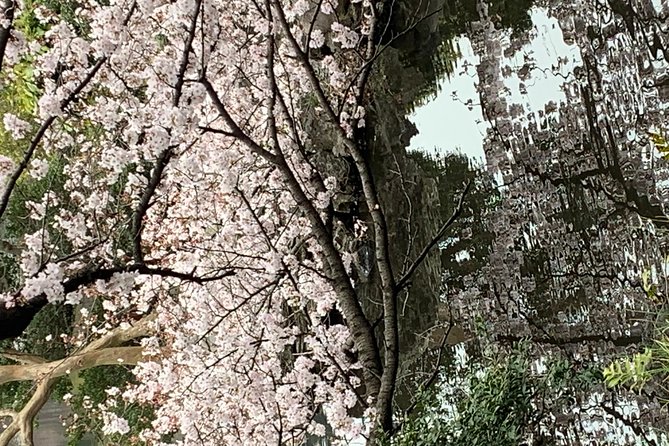
If you choose the Mt. Fuji + Hakone style, expect the day to add lake atmosphere and volcanic sights.
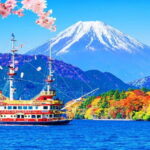
Lake Ashinoko (Hakone lake + pirate-ship cruise)
Lake Ashinoko (Lake Ashi) is about 1 hour, and the tour mentions a pirate cruise option. This is where Fuji shifts from “mountain hero” to “background for scenic water travel.”
What works well here: you get time to sit, look, and reset from walking. For groups that split between shutterbugs and those who just want a pretty ride, this tends to land well.
Owaku-dani Valley (the black-egg valley stop)
Owaku-dani Valley is described as the black-egg valley (about 1 hour), with admission listed as included.
This is the volcanic contrast stop. If Fuji feels serene, Owakudani feels more dramatic. It’s also a great place to get a quick “volcano reality check” after lakes and shrines.
Optional Hakone Shrine
There’s also an optional Hakone Shrine stop (5 minutes, admission free). It’s short and works as a finishing flavor if your schedule has room.
Timing, Weather, and How Guides Protect Your Photo Chances
Good weather is the big requirement here. The experience notes that it requires good weather, and if it’s canceled due to poor weather, you’ll be offered a different date or a full refund.
Even when weather isn’t perfect, the smarter part is timing. People who got guides like Israr, Hans, and Petteri often highlight that the guide could point you toward the best vantage points and handle the day’s flow. Your practical goal is to:
- shoot from multiple distances (lake + hillside + shrine viewpoints)
- avoid getting stuck on only one “make or break” spot
- build in cushion time for weather shifts
One more tip: pack layers. Even in Japan, mountain-area air can feel cooler than Tokyo, and you’ll be standing around while you wait for the view.
Pacing on a 10-Hour Private Day: Comfort Without the Rush
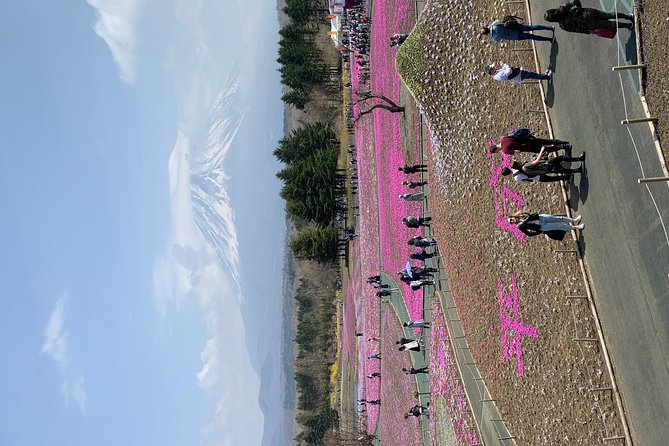
This is a long day—about 10 hours hotel to hotel—but it’s structured to feel manageable. The private vehicle and the fact you’re not changing trains are the big reasons it doesn’t feel like a 10-hour slog.
You’ll likely move between stops with:
- short site times (like 10 minutes for Chureito-style viewpoints)
- medium exploration windows (about 1 hour at several key places)
- flexible adjustments depending on what’s open and what the sky does
The overtime note also tells you how seriously they manage timing: there’s an overtime charge of 5000¥ per extra hour after 10 hours. So the best strategy is to decide in advance which 2–4 stops are must-dos, then let the guide fill in the rest.
Who This Tour Fits Best (and Who Should Rethink It)
This tour is a strong fit for:
- small groups of up to 5 who want real private comfort from Tokyo
- people who want to see Fuji from multiple angles without DIY stress
- first-timers who like structured stops but still want the day tailored
It’s less ideal for:
- travelers who refuse any extra costs for ropeways, cruises, or other entry fees
- anyone who needs the Mt. Fuji 5th Station for their one and only “must” experience, since it’s not guaranteed
Should You Book This Private Mt. Fuji and Hakone Day?
If your goal is a smooth, guided Fuji day with pickup, a comfortable charter, and multiple high-impact viewpoints, I’d say yes—especially if you’re traveling as a couple, small family, or friends group. The pricing makes sense when you count the value of door-to-door transport, guided stop timing, and the ability to choose between the Hakone + Fuji mix and the Fuji surroundings loop.
Book it with realistic expectations: Mt. Fuji visibility depends on the sky, and the 5th Station can close. But that’s exactly why having a flexible, private guide matters.
FAQ
Is the Mt. Fuji 5th Station included?
It’s listed as a stop, but visiting the 5th Station is not guaranteed because it can be closed due to bad weather or maintenance.
What’s included in the tour price?
Included features are private transportation, an English-speaking driver cum guide, commercial insurance, and the licensed commercial driving setup. Lunch and attraction tickets are not included.
Do I get hotel pickup and drop-off?
Yes. The day starts with pickup from your Tokyo hotel and ends with drop-off back at your hotel/meeting point.
How long is the tour?
The tour is about 10 hours.
Do I have to pay for entry and activities?
Yes for many parts. Activity tickets (like ropeway and cruises) are not included, and there is also a Mt. Fuji entrance fee of 2800¥ per group. Some listed stops have free admission.
What if the weather is bad?
This experience requires good weather. If it’s canceled due to poor weather, you’ll be offered a different date or a full refund.