REVIEW · SEOUL
From Seoul: DMZ The 3rd Tunnel and Suspension Bridge Tour
Book on GetYourGuide →Operated by I LOVE SEOUL TOUR Co., Ltd. · Bookable on GetYourGuide
The DMZ feels closer than you expect. This tour strings together Imjingak Park, the 3rd Infiltration Tunnel, Dora Observatory, and a Gamak-area suspension bridge so the Korean War and the uneasy truce don’t stay stuck in textbooks. You’ll also get a guided approach that lots of people rave about, with guides such as Kenny, Winnie, or Stella mixing stories, pacing, and lots of Q&A.
I like that you get both sides of the story: memorials that explain the human stakes, plus viewpoints that show how North Korea is watched from the South at Dora Observatory. One practical drawback: the DMZ is run by the military and some spots enforce strict rules, including limits on photos/phone use, so plan to experience more with your eyes than your camera.
In This Review
- Key highlights worth your attention
- Entering the DMZ from Seoul: the 9-hour rhythm and why it works
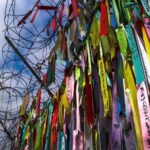
- Imjingak Park and the Bridge of Freedom: where the war still has places to stand
- Freedom Bridge to the Korean Demilitarized Zone: what you’re really walking toward
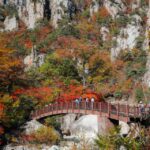
- Gamak Mountain Suspension Bridge (Solma-ri): history you can see and feel
- The 3rd Infiltration Tunnel: where the DMZ turns from story into body mechanics
- Dora Observatory: panoramic North Korea views with real limitations
- Back through Imjingak and onward: the pacing, the breaks, and the value
- Price and logistics: what to plan for so the day feels easy
- Who should book this DMZ tour (and who should think twice)
- Should you book the DMZ The 3rd Tunnel and Suspension Bridge Tour?
- FAQ
- Do I need a passport for this DMZ tour?
- Is the Joint Security Area (JSA/Panmunjom) included?
- How long is the tour from Seoul?
- What are the main stops on the itinerary?
- Is there an add-on option for a shooting range?
- What should I wear or bring for the tunnel and suspension bridge?
- Is this tour suitable for wheelchair users or people with heart problems?
- Are meals included?
Key highlights worth your attention
- Imjingak Park + Freedom Bridge: see reunification-era landmarks tied to the Korean War
- 3rd Infiltration Tunnel: 1,635 meters long, with a narrow 2-meter height/width that shapes how you walk
- Dora Observatory views: panoramic North Korea lookouts on clear days
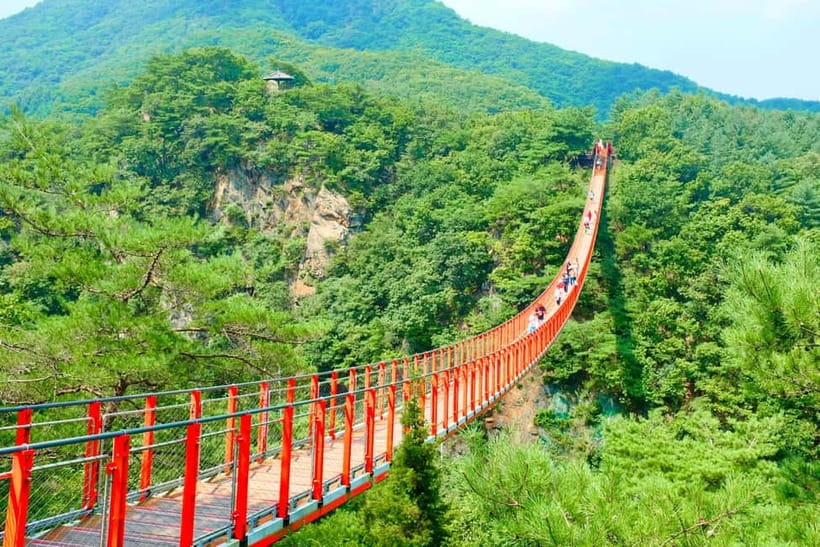
- Gamak Suspension Bridge (Solma-ri): a real battle location connected to British troop actions
- Guides who run the day well: people mention Kenny, Winnie, and Stella for keeping the history clear and the schedule tight
- Value math for ~$33: entrance fees, licensed DMZ guide, and roundtrip shared transfer are included
Entering the DMZ from Seoul: the 9-hour rhythm and why it works
This is a full-day DMZ trip out of Seoul, built around one goal: help you understand why the Korean Peninsula stays tense even after the fighting stopped. You’ll start with pickup options around central Seoul areas, then settle into the bus time.
Here’s the trick that makes the day feel smoother than you might expect: the guide typically uses the ride to set context. That matters because the DMZ stops can feel random if you arrive cold. With the right framing, each location becomes a piece of the same puzzle—war memories, border control, and surveillance.
The full tour takes about 9 hours, and it moves at a steady pace. You’re not spending all day in one spot; you’re collecting key sites and learning how they connect.
You can also read our reviews of more tours and experiences in Seoul.
Imjingak Park and the Bridge of Freedom: where the war still has places to stand
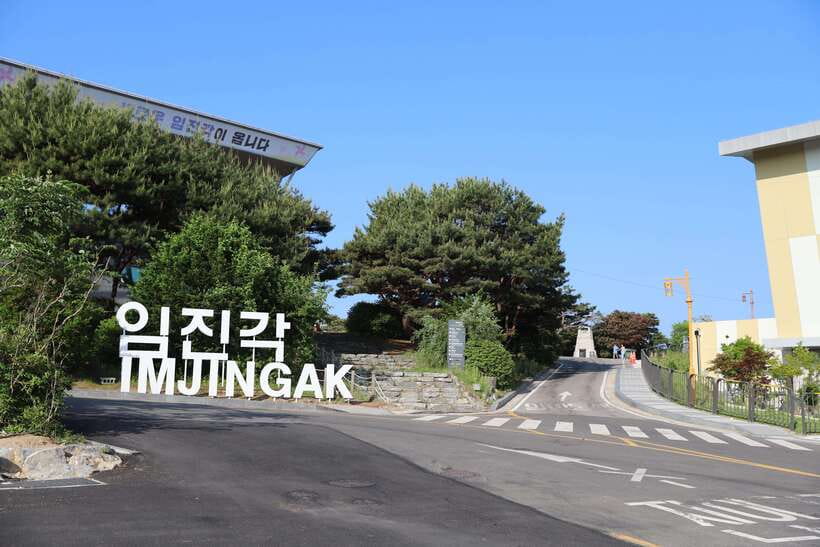
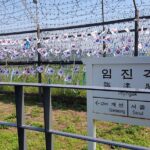
Imjingak Park is your first meaningful stop, set roughly 7 kilometers from the Military Demarcation Line. This place is designed around remembrance and the idea of return, so it hits differently than a typical museum. You’ll see landmarks such as the Mangbaedan Altar and the Bridge of Freedom.
The Mangbaedan Altar ties into the long-running story of divided families and the aftermath of the Korean War. The Bridge of Freedom is one of those sites that makes the concept of crossing feel painfully specific, not abstract.
You’ll also have a guided look at Dokgae Bridge, which was destroyed during the Korean War and later reconstructed. Even if you don’t know all the background ahead of time, the guide can connect it to why the border stuck around and why so many people still care about reunification.
One practical note: the schedule gives you about an hour here, so you can’t wander forever. But it’s long enough to slow down, read the key points, and let the guide’s explanations land.
Freedom Bridge to the Korean Demilitarized Zone: what you’re really walking toward
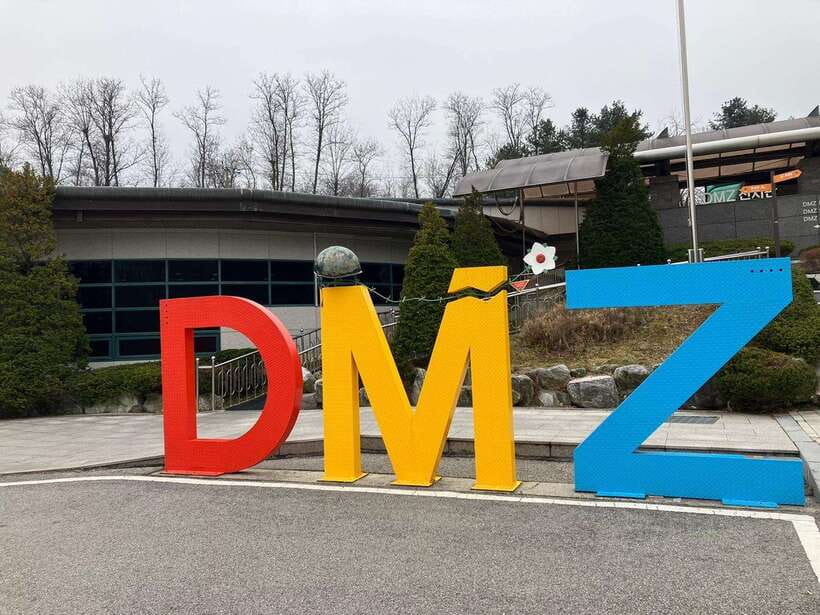
After Imjingak, the tour moves into the DMZ itself. This part is short by design—there’s guided time, then you’re off to the next controlled area.
What you should expect is not just dramatic scenery, but a controlled experience. The DMZ is operated by the military, and that means rules can change based on weather, military regulation, and government decisions. In the best case, you get the full planned route. If the DMZ portion can’t run, the day may shift to other sites such as Art Space BEAT 131, Odusan Unification Observatory, and the War Memorial of Korea instead.
So you’re not just buying a sightseeing ticket. You’re joining a schedule that depends on real-world operations. That’s part of the value—and part of the uncertainty.
Gamak Mountain Suspension Bridge (Solma-ri): history you can see and feel
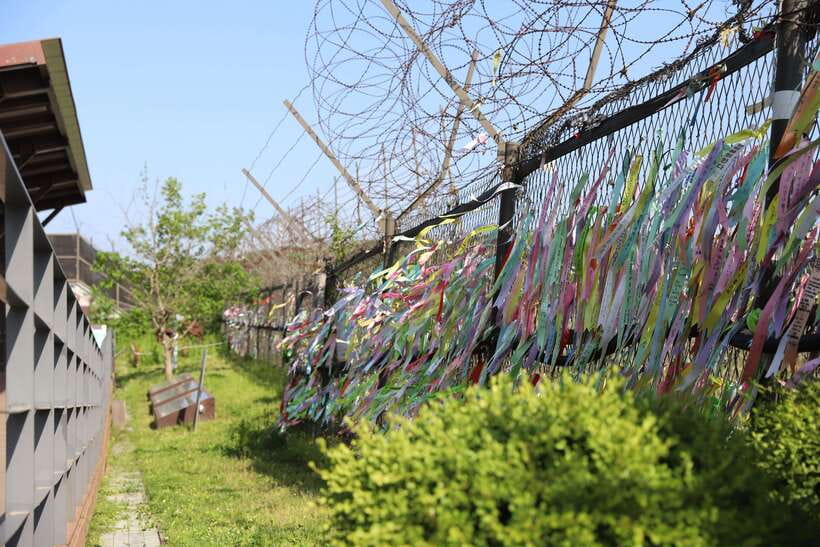
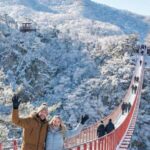
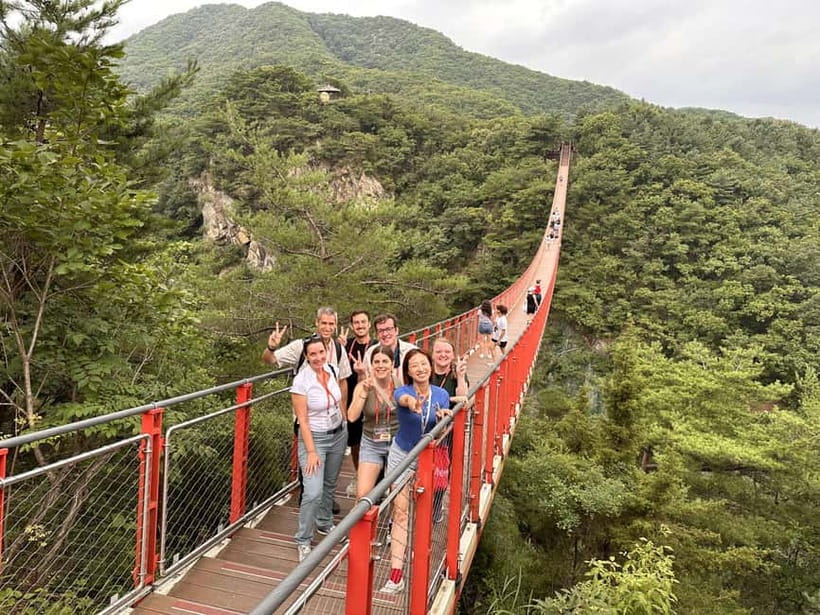
Before you get to the tunnel and observatory, you’ll visit the Gamaksan or Mt. Gamak suspension bridge area. This is also tied to the Battle of Solma-ri, including actions involving British troops during the Korean War.
The bridge isn’t just a photo stop. The walk to it matters because you’re on a slope and the route takes about 40 minutes, so comfortable shoes are a must. Once you’re there, the view context helps: you’re standing in a region shaped by conflict, not just scenery.
If you’re the type who likes to connect battles to geography—ridges, lines of sight, and movement—this stop can click quickly. The bridge becomes a vantage point for understanding why this area was strategically important.
Downside: it’s physical. If your day is already heavy from other walking, pace yourself and don’t treat the bridge hike like a casual stroll.
The 3rd Infiltration Tunnel: where the DMZ turns from story into body mechanics
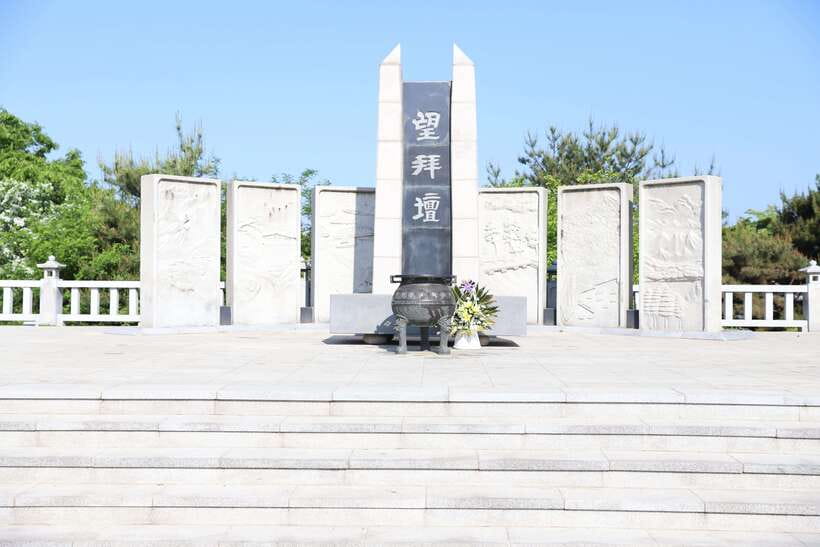
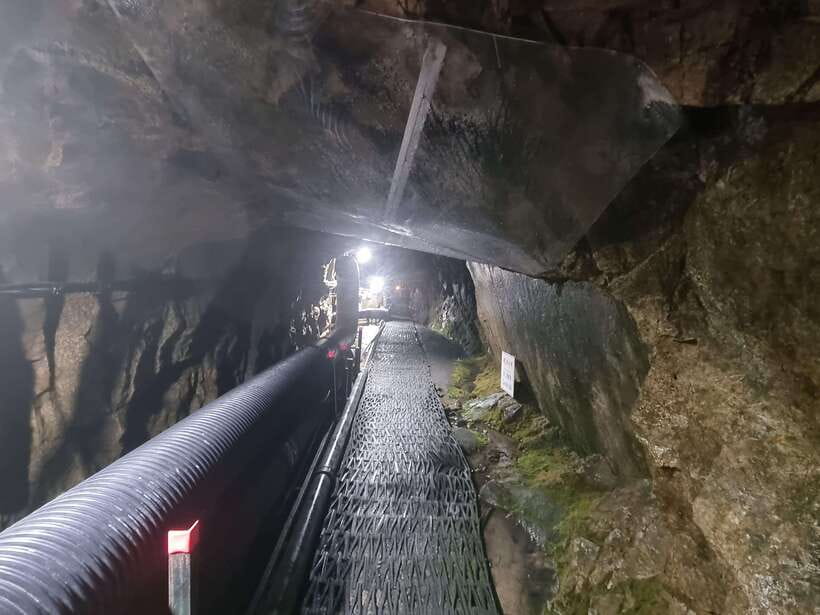
This is one of the main reasons people choose the tour, and it’s easy to see why. The 3rd Infiltration Tunnel is about 52 kilometers from Seoul, and it runs 1,635 meters long. The dimensions are extremely tight: roughly 2 meters wide and 2 meters high.
Translation for your body: you may feel cramped and you’ll need to keep your posture low. This isn’t a tunnel you casually stroll through. It’s narrow enough that the walking pace changes, and that’s the point—it makes the idea of infiltration feel real.
Expect guided time for about an hour total, but the walk itself is more like 30–40 minutes round trip on foot. There’s also a note that the slope is steep, which means it can be challenging for children and the elderly.
If you’re worried about the walk, there’s an option to wait in front of the tunnel. That’s a big help if your goal is understanding rather than pushing through discomfort.
For first-time DMZ visitors, the tunnel is also where the tour’s message becomes most emotional. It’s not just history; it’s engineering built for a plan that never played out the way it was intended.

Dora Observatory: panoramic North Korea views with real limitations
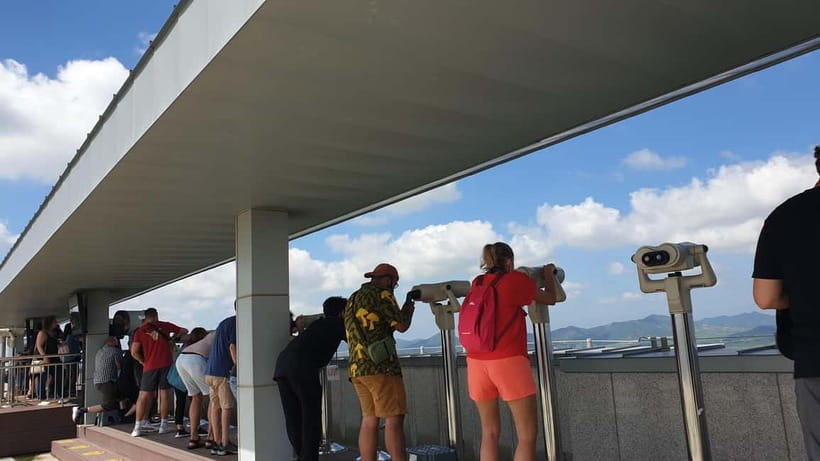
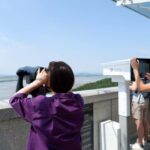
Dora Observatory is where you get the “wow” view many people came for: panoramic sights toward North Korea and key locations. On clear days, you may even spot North Koreans going about daily life.
This stop can feel oddly quiet because it’s the opposite of a tunnel. You’re standing in the open, looking across distance that feels enormous—yet close enough to be human.
Now, the reality check: rules matter here. Reviews mention strict regulations and limited ability to take pictures or use phones in some areas. That’s normal for military-run sites, and your guide will keep you within the rules.
If you care about photos, go in with the right mindset. Your best keepsake here won’t be a camera roll—it’ll be the specific view you remember, and the guide’s explanation of what you’re seeing.
A helpful detail from reviews: people mention binocular closures at times, and guides sometimes bring binoculars so the group can still get a better look. So if you want the best view, listen closely when your guide explains what’s available that day.
Back through Imjingak and onward: the pacing, the breaks, and the value
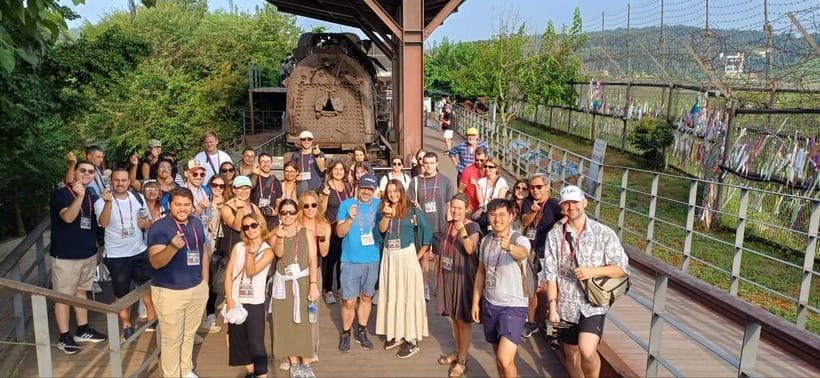
After the tunnel and observatory, you’ll return through stops that keep the tour from becoming nonstop stress. Imjingak has guided time earlier, then you’ll get another short break there on the way through. That gives you a chance to reset, regroup, and handle last-minute questions.
Transportation is by air-conditioned bus or minivan, and entrance fees are included. The roundtrip shared transfer from Seoul is also included in the price, which matters because getting to the DMZ on your own can be time-consuming.
When a tour includes transit, guide time, and entry costs, ~$33 starts to make sense. The DMZ isn’t a casual add-on—you’re paying for access, licensed guidance, and the logistics of getting everyone through controlled areas.
Drop-off is flexible, typically at City Hall Station or Myeongdong, depending on your preference. That’s useful if you’re planning a late dinner afterward.
Price and logistics: what to plan for so the day feels easy
Let’s talk about the stuff that can make or break your experience.
What you pay for
- Entrance fees
- Roundtrip shared transfer
- A licensed professional DMZ guide
- Air-conditioned transportation by bus or minivan
What you still need
- Food and drinks are not included. Bring a plan for snacks if you get hungry.
- You must bring a passport. This is non-negotiable for the DMZ access process.
Walking reality
- The 3rd tunnel involves a steep slope and a 30–40 minute round trip on foot.
- The suspension bridge approach includes a 40-minute hike. Comfortable shoes matter.
Rule reality
- Military-run sites enforce behavior rules. Intoxication is not allowed, and smoking in the vehicle isn’t allowed.
- Alcohol and drugs are prohibited.
- Some locations enforce limits on pictures and phones.
Add-on option
- If you choose the shooting range add-on, you’ll go to a Myeongdong shooting range after the main tour for pistol shooting.
If you’re planning around the day, build in buffer time for walking and rule checks. This kind of tour runs on timing, and the best experiences happen when you don’t rush.
Who should book this DMZ tour (and who should think twice)
This DMZ tour is a strong fit if you want a structured day with key sites, not a self-guided checklist. It also works well if you care about understanding the Korean Peninsula in plain language—because the guides (including Kenny, Winnie, and Stella, based on past experiences) are repeatedly praised for clear explanations and good pacing.
It’s especially a fit for history-minded travelers who like seeing how memorials, military sites, and geography connect.
It’s not a great fit if:
- You have heart problems. The tour isn’t suitable for that.
- You’re a wheelchair user. It’s not suitable for wheelchair users.
- You don’t want to walk. You’ll do meaningful walking at both the tunnel area and Gamak suspension bridge.
Also, unaccompanied minors aren’t allowed. That’s important if you’re traveling as a family.
Should you book the DMZ The 3rd Tunnel and Suspension Bridge Tour?
Book it if you want a high-structure DMZ day that hits the most talked-about stops: Imjingak Park, the 3rd Infiltration Tunnel, Dora Observatory, and the Gamak suspension bridge tied to Solma-ri. At around $33 with entrance fees and roundtrip transfer included, it’s one of the easier ways to get access without spending your whole day figuring out logistics.
Skip it or consider an alternate option if you’re hoping for Joint Security Area / Panmunjom. This tour explicitly does not include JSA. Also, if you’re very sensitive to strict rules around phones and photos, go in prepared—your experience will be more about viewing and listening than recording.
If you’re flexible and okay with walking, expect a sobering but memorable day—guided, organized, and built to connect the dots across a tense border that still shapes everyday life.
FAQ
Do I need a passport for this DMZ tour?
Yes. You must bring a passport for the tour.
Is the Joint Security Area (JSA/Panmunjom) included?
No. JSA/Panmunjom is not included on this tour.
How long is the tour from Seoul?
The duration is about 9 hours.
What are the main stops on the itinerary?
The tour includes Gamaksan or Mt. Gamak suspension bridge area, Imjingak Park, Freedom Bridge, the Korean Demilitarized Zone, the 3rd Infiltration Tunnel, and Dora Observatory.
Is there an add-on option for a shooting range?
Yes. If you select the shooting range add-on, you’ll visit a Myeongdong shooting range after the main tour for pistol shooting.
What should I wear or bring for the tunnel and suspension bridge?
Bring comfortable shoes. The 3rd tunnel involves a steep slope and a walk of about 30–40 minutes round trip, and the suspension bridge area involves a hike of about 40 minutes.
Is this tour suitable for wheelchair users or people with heart problems?
No. It’s not suitable for wheelchair users, and it’s also not suitable for people with heart problems.
Are meals included?
No. Food and drinks are not included.