REVIEW · SEOUL
Insightful DMZ Tour by Expert opt. Suspension Bridge with Pickup
Book on Viator →Operated by Here Korea Travel · Bookable on Viator
The DMZ becomes real, fast. This guided day trip turns a distant headline into a set of very physical stops: Imjingak Peace Park, the Third Tunnel, Dora Observatory, and the chance to see North Korea through binoculars—plus an optional suspension bridge detour at Mt. Gamaksan. I love the way the guide gives clear historical context at each viewpoint, and I love that you get free binoculars/monoculars so the “see North Korea” part actually works. The main consideration is the workload: the tunnel is tight and the walkways add up, so it’s not for anyone who hates steep ramps.
Most DMZ tours feel rigid. This one feels timed-but-human: you move between checkpoints, then pause long enough to take it in. It also uses a convenient Seoul pickup option, an air-conditioned vehicle, and a mobile ticket, which matters when your day is long and you’re coordinating with other people.
The price is also easier to swallow than many DMZ options: for $53, you’re getting the guide, DMZ entrance, and a transport plan plus optional pickup, not just a bus ride with vague directions. Still, it’s a 6–10 hour day, and the weather can affect the optional bridge stop.
In This Review
- Key points before you go
- Seoul pickup and a DMZ day that’s actually organized
- Imjingak Peace Park: where the war’s details become visible
- The DMZ main sites: Third Tunnel and Dora Observatory are the heart
- Dora Observatory: seeing North Korea with your own eyes
- The Third Tunnel: the physically demanding reality check
- Unification Village and the “divided families” theme
- Bridge of Freedom and walking under the DMZ: brief, but loaded
- Gamaksan Chulleong Bridge: optional scenery for people who like a workout
- Food market and Seoul drop-offs that end your day well
- Guide quality makes the difference (and you can feel it)
- What to pack and how to handle the tunnel challenge
- Price and value: why $53 can be a fair deal here
- Who should book, and who should skip
- Should you book this DMZ tour?
- FAQ
- How long is the DMZ tour?
- What’s included in the price?
- Do I need a passport?
- Is the suspension bridge stop included?
- How physically demanding is the tunnel visit?
- Where will I be dropped off after the tour?
Key points before you go
- Guides like Joo-ee, Vincent, Jung, Jake, and Jones get praised for clear English, solid pacing, and history you can follow.
- Binocular/monocular rental is free, which makes Dora Observatory viewing more than just a photo moment.
- The Third Tunnel visit is the hardest part: you go down, then you come back up—plus the tunnel height can force a low, bent-over stance.
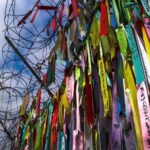
- Imjingak is more than a waiting room: you’ll see key memorials and the Bridge of No Return area where prisoners were exchanged.
- Gamaksan suspension bridge is optional and worth it if your legs are ready, but rain or wind can affect it.
- Drop-offs are built for convenience, with options near Hongdae, Myeongdong, Gwangjang Market, and Dongdaemun.
Seoul pickup and a DMZ day that’s actually organized
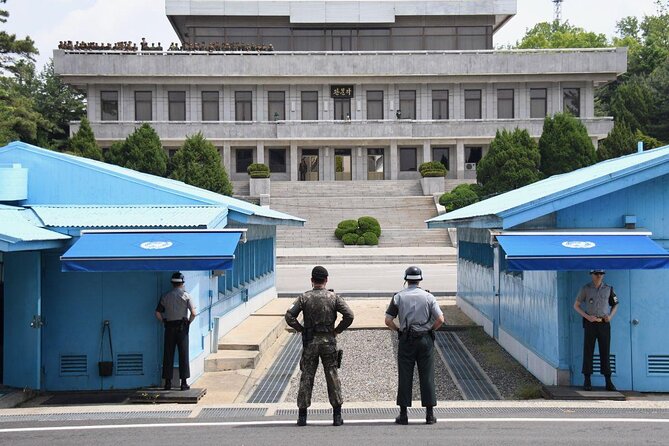
A DMZ tour stands or falls on logistics. You’re dealing with a security zone, scheduled entry, and a day where small delays can snowball. This is why I like that the day is structured around a guide-led flow and an air-conditioned vehicle, with pickup offered and a clear handoff at the first official stop.
You’ll head to the Imjingak area first, where you check in for DMZ tour tickets. From there, the plan is to keep you moving through the main sites without turning your day into a maze of buses and last-minute ticket chasing.
One more practical note: group size is capped at 40 travelers. That usually means you won’t be lost in a wall of people at every stop, and it helps you get moments where you can actually look, listen, and ask questions.
You can also read our reviews of more tours and experiences in Seoul.
Imjingak Peace Park: where the war’s details become visible
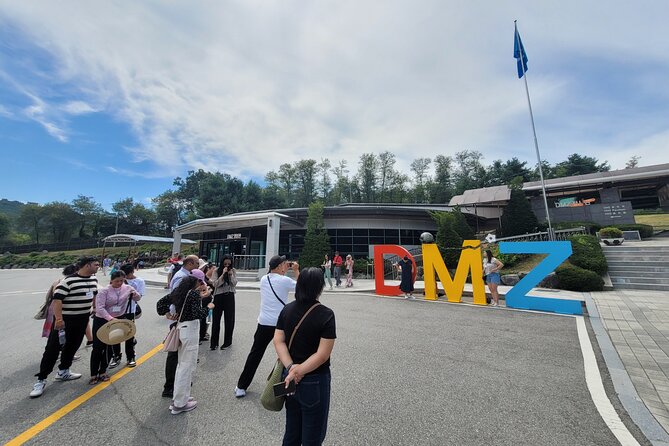
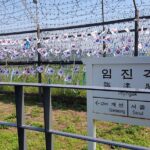
Imjingak Tourist Information Center is more than a formality. It’s where your tour truly begins, including the spot you need to stop for the DMZ ticket setup. You also get time to take in the area around it—time that helps the rest of the day make sense.
At Imjingak, expect to see:
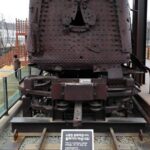
- A derailed locomotive connected to the Korean War period.
- The Bridge of No Return, tied to prisoner exchange history.
- Additional memorial points and viewpoints explained by your guide.
This is the place where the day shifts from TV-level history into lived details. The guide’s job here is important: they connect what you’re seeing to what’s next, especially before you head toward the places that feel like a different world.
If you have a little extra curiosity time, there are shops and small exhibits in the area you can browse while your group is regrouping. For example, one guide-led day included a stop for the North Korea Experience shop, and there’s also mention of a small shop near the Truman memorial area selling North Korean currency and stamps. If your timing allows, these are the kinds of add-ons that help your brain stick to the facts.
The DMZ main sites: Third Tunnel and Dora Observatory are the heart
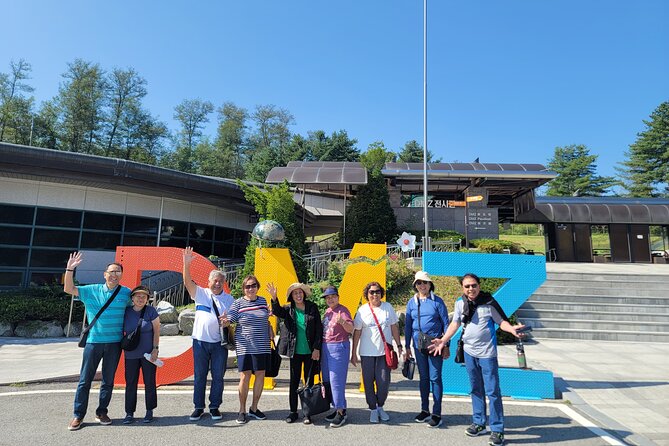
Once you’re through the early check-in and walk-throughs, the day moves into the part most people came for: the DMZ sites.
Dora Observatory: seeing North Korea with your own eyes
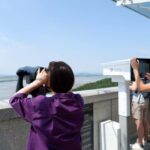
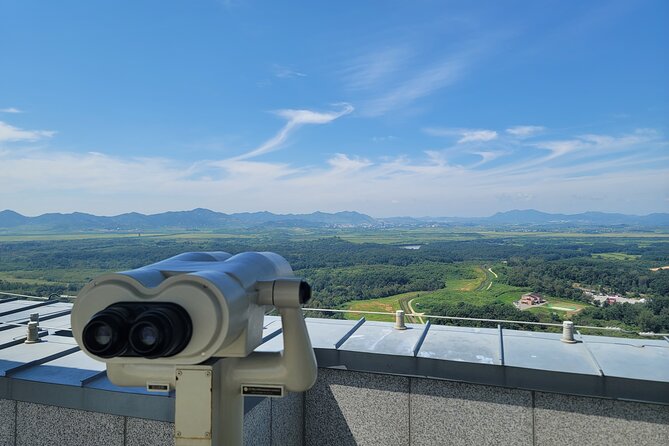
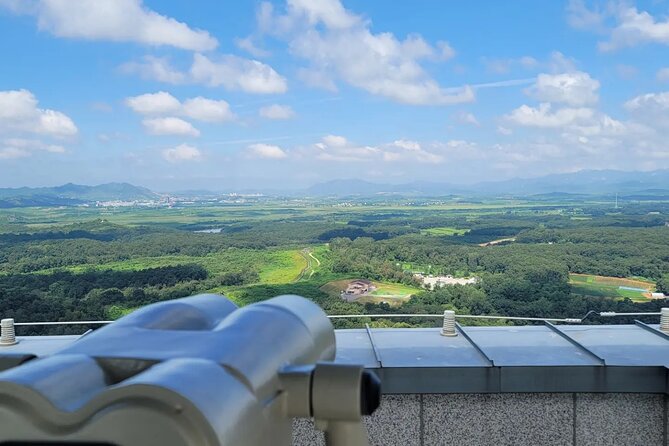
Dora Observatory is built for looking. You’re positioned to view North Korea through binoculars, and you’ll likely get a short explanation of what you’re seeing and how to interpret the view.
A big advantage here is that the tour provides free monocular/binocular rental. Without that, you’d be stuck squinting for silhouettes. With it, Dora Observatory becomes a real observing experience—not just a scenic stop.
You also get a sense of scale by learning about key places visible from this area, including Gaeseong (described as the 3rd biggest city in North Korea in the tour materials). The guide’s commentary is the difference between seeing “a far-off place” and understanding why that place matters.
The Third Tunnel: the physically demanding reality check
Then comes the famous part: the Third Tunnel. This infiltration tunnel was dug by North Korea after the Korean War, and you actually get to go inside.
Here’s the honest part for your body:
- Going down and up is a ramp-and-stairs workout.
- The tunnel is physically tight; one commonly reported detail is that the tunnel height can be around 5 feet, which means you may need to squat or walk bent over to move through.
- If you’re not used to cramped spaces, it can feel like more effort than the sightseeing version of a tunnel.
Your payoff is that you’re not just looking at a story. You’re walking through a piece of military planning. The guide’s job is to keep it understandable while you’re doing the hard physical bit.


Unification Village and the “divided families” theme
In the broader DMZ viewing block, you’ll also be guided through the Unification Village area, which ties into the theme of division after the war. This is where the story gets emotional fast, because the tour doesn’t treat the DMZ as geography only. It frames it as separation—especially between families.
The tour includes time at Mangbaedan, where separated families can visit and where the hope for return is part of the emotional reason Imjingak exists. Expect short time here, but it’s the kind of stop that tends to linger in your memory because it turns policy into people.
Bridge of Freedom and walking under the DMZ: brief, but loaded
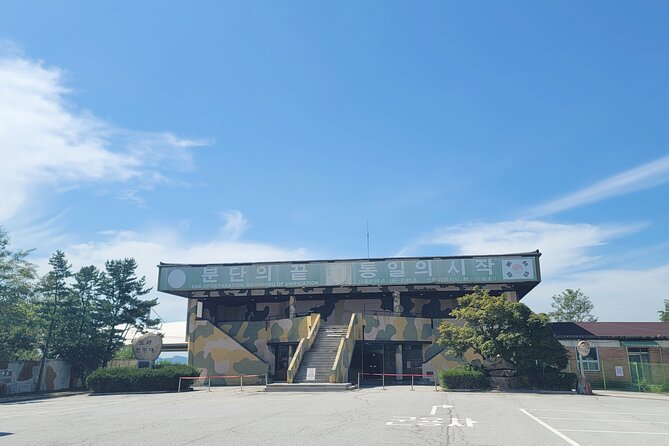
Before you go inside the DMZ viewing flow, you’ll spend a short moment at Bridge of Freedom. The wording in the day’s plan matters here. This stop is brief—think minutes rather than an extended hike—but your guide uses the moment to connect the bridge area and surrounding memorial points to what came after the war.
Then there’s the experience of walking under the demilitarized zone area. It’s a small physical movement compared to the tunnel, but it lands differently. It helps you understand the DMZ as a lived boundary, not just a line on a map.
One thing to keep in mind: DMZ rules can affect what you’re allowed to do on-site. At least one participant noted that photography wasn’t possible in some parts of the visit. So don’t plan your day around getting the perfect shot. Plan it around hearing, seeing what you can see, and letting the guide explain what you’re looking at.
Gamaksan Chulleong Bridge: optional scenery for people who like a workout
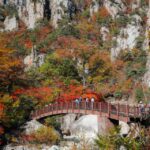
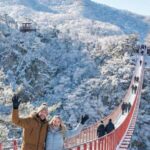
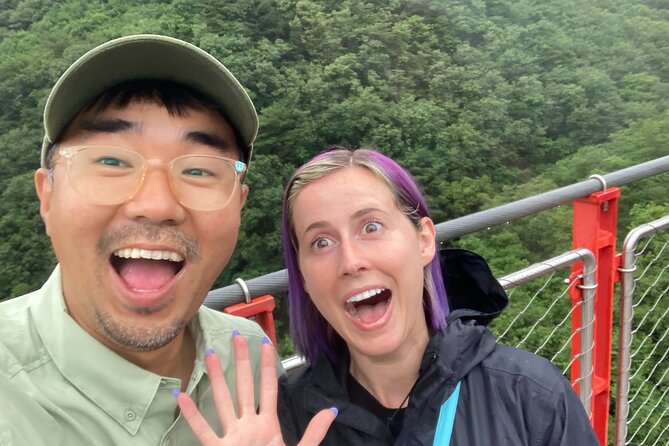
The tour offers an optional stop at Gamaksan Suspension Bridge (also called Chulleong Bridge in the tour description). This is at Mt. Gamaksan and tied to Korean War history, with the bonus of views over forested surroundings.
The key detail: it’s optional. If you have the energy, it’s a strong contrast to the DMZ checkpoints. You get fresh air and scenery time, and the walk out to the bridge can feel like a release valve after the tunnel.
But be realistic. The same reviews that praise the bridge also warn you to be a “Billy goat” to climb to it. If your knees hate steep grades or if you’re already feeling cooked from the tunnel, treat the suspension bridge as a choice—not a must.
Food market and Seoul drop-offs that end your day well
At the end of the day, the tour doesn’t just dump you back at your hotel. It gives you a more useful finish.
You may stop near a major street-food market with 120+ street food choices (Gwangjang Market is specifically referenced in the drop-off list), which is a nice way to turn the long DMZ day into an enjoyable food crawl while you still have energy.
There’s also a stop at Tongilchon-gil, described as an actual village in the Civilian Control Zone where locals live. The tour frames this as a rest stop before heading back toward Imjingak. Even if your time here is short, it reinforces that this area isn’t only about soldiers and tunnels—it’s about civilian life under tight constraints.
Finally, drop-offs can include Hongdae, Myeongdong, Gwangjang Market, and Dongdaemun. That’s practical because those are places where you can eat, shop, or simply wander until your feet stop buzzing.
Guide quality makes the difference (and you can feel it)
For a DMZ tour, the guide is the whole product. You’re dealing with history, current political context, and physical sites that are hard to interpret on your own.
This is why the repeated mentions of guide performance matter. Guides such as Joo-ee and Vincent are specifically praised for:
- Very strong English
- Keeping the group on schedule
- Explaining history in a way that stays clear even with nonstop movement
- Offering helpful tips on what to expect
Some guides also add small meaningful touches, like pointing out learning opportunities or recommending where to eat after the DMZ day. One guide-led day included mention of K-drama shooting locations as a bonus detail, which won’t change your understanding of the DMZ—but it can make the long return ride feel less like a commute.
If you care about getting the facts without getting lost in politics, choose a day with a guide who has a reputation for clear explanations and good pacing.
What to pack and how to handle the tunnel challenge
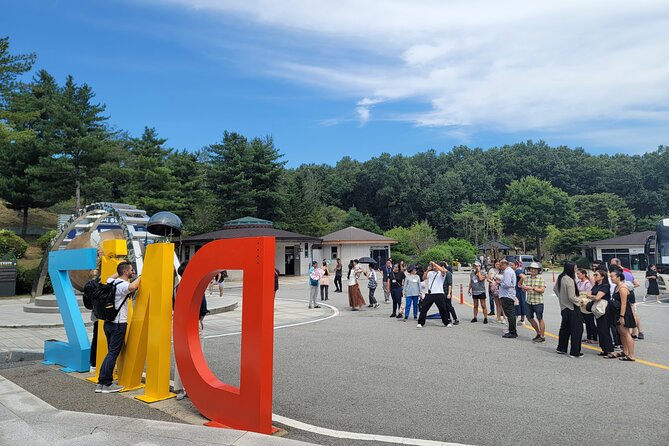
This is not a sit-and-look tour. It’s a walking day with a physically demanding tunnel component.
Here’s what I’d plan for:
- Comfortable, grippy shoes. The tunnel and ramps require footing confidence.
- Layers. Weather can shift fast around outdoor viewpoints.
- Water and a simple snack plan. Some people specifically suggest bringing convenience store food so you’re not hungry during longer stretches.
- If you have mobility concerns, note that there’s guidance that going down to the tunnel and climbing back up can be challenging for seniors.
Also, bring a passport that’s current. A valid passport is required on the day of travel. The day is governed by security rules, so missing documents isn’t a “small hiccup.” It can stop the tour.
Finally, have a mindset shift: this day is about context and first-hand experience, not a photo marathon. Some areas may restrict photography.
Price and value: why $53 can be a fair deal here
At $53 per person, you’re not paying only for transport. The value includes:
- An experienced tour guide
- DMZ entrance fee
- Air-conditioned vehicle
- Free binocular/monocular rental
- Optional hotel pickup
- Planned drop-offs in central Seoul
In other words, you’re paying for the hard parts: permissioned access, guided interpretation, and scheduling across multiple checkpoints. The biggest “cost” isn’t money. It’s energy. But if you show up prepared for the walking and tunnel, this is a cost-effective way to get a structured DMZ day without juggling logistics yourself.
Who should book, and who should skip
I’d book this DMZ tour if:
- You want the classic DMZ highlights in one day: Imjingak, the Third Tunnel, and Dora Observatory
- You like guided explanations and want to ask questions
- You’re okay with walking and you want a serious historical experience that isn’t vague
I’d think twice if:
- You’re uncomfortable with tight spaces and low tunnel ceilings
- You have limited mobility or you know your stamina is low on steep ramps
- You’re hoping the day will be mostly easy strolling and viewpoints
If the optional Gamaksan suspension bridge appeals to you, only add it if your legs are feeling strong after the tunnel segment.
Should you book this DMZ tour?
If you’re doing one DMZ day from Seoul, this is a sensible choice. The structure is clear, the guide role is front and center, and the included binoculars make your viewing practical. Yes, the Third Tunnel can be a tough physical stop, and the optional bridge is not for everyone—but the payoff is a DMZ experience that feels guided, specific, and real.
Book it if you’re prepared for walking and you want more than “we visited the DMZ.” Don’t book it if you want an easy day with minimal physical strain.
FAQ
How long is the DMZ tour?
The duration is about 6 to 10 hours (approx.). Plan a full day in your schedule.
What’s included in the price?
The tour includes an experienced guide, DMZ entrance fees, air-conditioned vehicle transport, free rental of monocular or binoculars, and select drop-offs in Seoul. Hotel pickup is optional.
Do I need a passport?
Yes. A current valid passport is required on the day of travel.
Is the suspension bridge stop included?
The Gamaksan suspension bridge is an optional stop. You can add it when you choose the DMZ + Suspension Bridge option.
How physically demanding is the tunnel visit?
It requires moderate physical fitness. The tunnel portion can be challenging, with down-and-up ramps and a tight tunnel area where many people may need to move low or bent over.
Where will I be dropped off after the tour?
Drop-offs include areas such as Hongdae, Myeongdong, Gwangjang Market, and Dongdaemun.