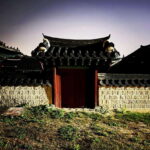
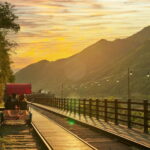
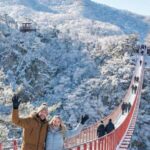
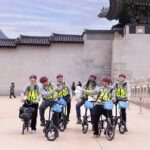
Seoul at night looks different from the wall. This Hanyang City Wall walk turns the city into a moving slideshow, and the Seoul National University stop adds real context about student life and how young Koreans think and study. One consideration: this is an uphill night walk with stairs, so you need decent walking ability and comfortable footing.
I like that you’re not just “seeing sights.” You’re getting story-driven stops in the places locals actually move through, plus photo-friendly streets that change as the lights click on. Starting from Hyehwa Station Exit 2, you’ll also get winter hot packs (when it’s cold), which makes the pace feel kinder.
The route is planned with breaks, and the guides keep things conversational, so it doesn’t feel like a lecture. Still, it’s not the right match if you’re using for mobility support, and high-heeled shoes are a no-go.
In This Review
- Key tour highlights that matter
- Hanyang City Wall is the reason to come at night
- Starting in Hyehwa: where Seoul’s night energy begins
- Seoul National University: student culture in real human terms
- Naksan Park and the dragon artwork that explains Seoul’s position
- Ehwa Mural Village and Maronie Park: art, photos, and hilltop calm
- Climbing the city wall: how the view grows as you go
- Learning how Korea works, not just what to see
- Pace, group size, and what to wear for comfort
- Is $33 good value for a Seoul night tour?
- Who should book this tour (and who should skip it)
- Should you book the SeoulDude Nighttime Hidden Gems walk?
- FAQ
- How long is the tour?
- Where do I meet the guide?
- What walking level is this?
- Is the tour available in English?
- Are hot packs included?
- What shoes should I wear?
- Who should not join?
Key tour highlights that matter
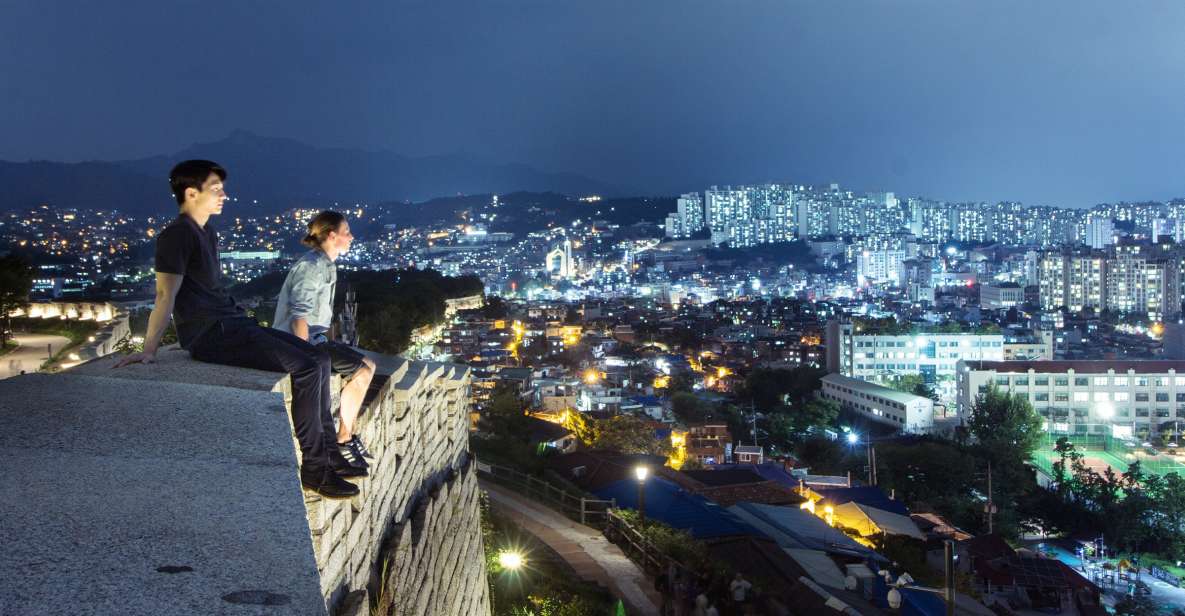
- Hanyang City Wall at night: twilight lighting that builds into full city glow
- Seoul National University focus: why student culture feels the way it does in Korea
- Naksan dragon story: a quick, memorable myth-style explanation tied to Seoul’s layout
- Ehwa mural streets + Maronie Park: art walls plus hilltop photo angles
- Guides who talk to you: English narration with mic/receivers mentioned by guests
Hanyang City Wall is the reason to come at night
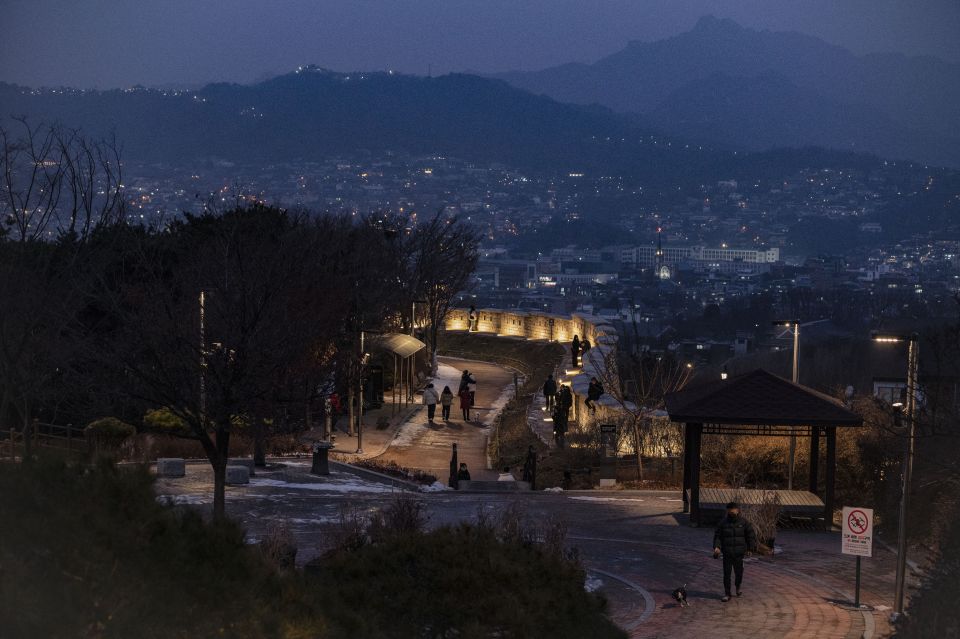
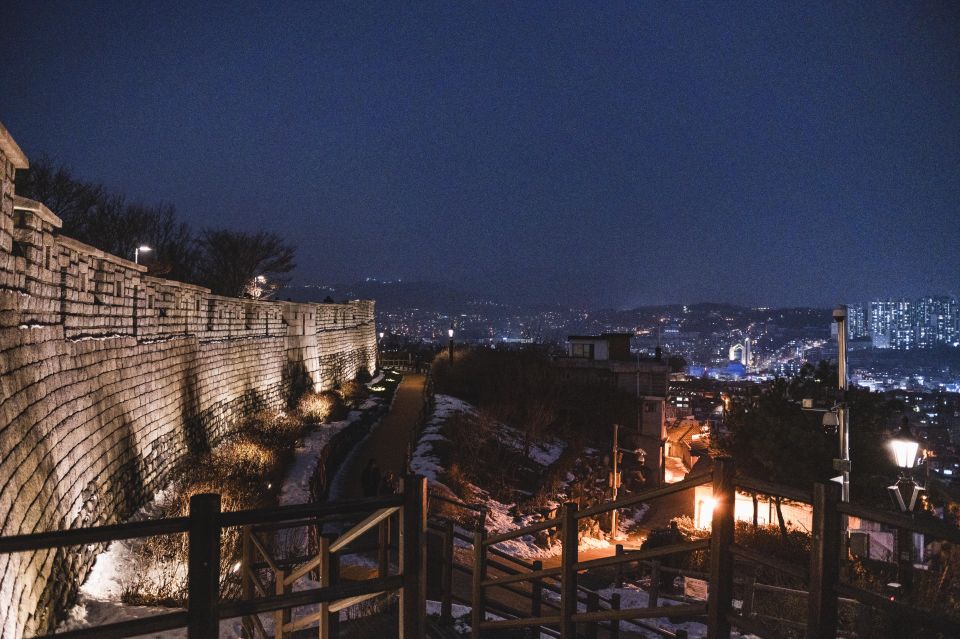
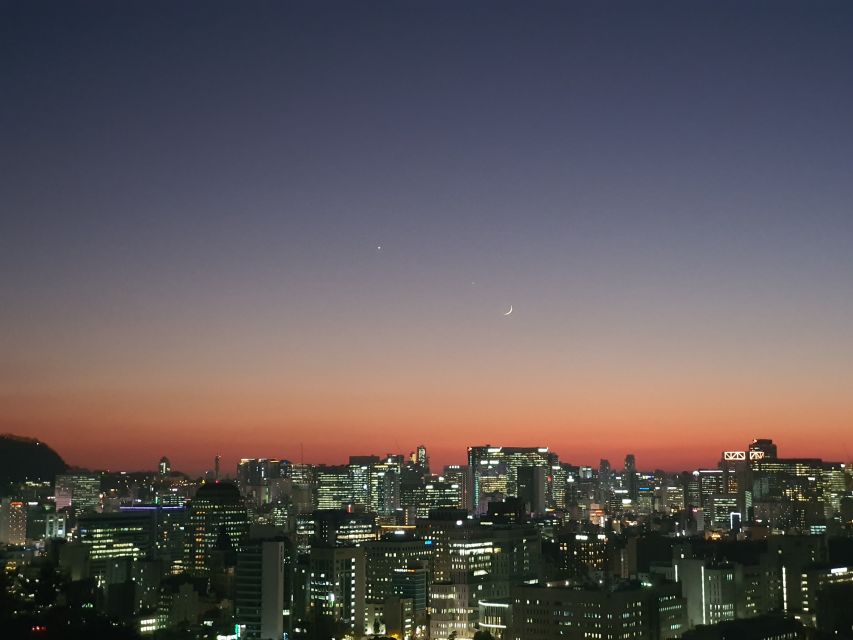
If you only have a couple hours in Seoul, this tour hits a smart timing window. As you move up through the evening, the city shifts from dusk tones to bright signage and window light. The payoff is the view from the top of the hill and the long lines of Seoul stretching out below.
Hanyang City Wall is the big moment. It’s not just a pretty backdrop. The wall helps you understand the “why” behind Seoul’s geography—how the city grew around ridges and vantage points, not just flat streets and high-rises. If you like cities that reveal themselves slowly, this is your kind of evening.
The walk itself is paced with stops, so it doesn’t feel like a nonstop slog. But you should still treat this like a real walk with stairs. One guest even noted that a 58-year-old with a fake knee could do it, which suggests the pacing is thoughtful—but the tour also clearly warns that people with walking issues can’t join. Plan accordingly.
You can also read our reviews of more tours and experiences in Seoul.
Starting in Hyehwa: where Seoul’s night energy begins
Meeting at Hyehwa Station Exit 2 puts you in one of Seoul’s most “lived-in” zones. It’s close enough to central Seoul to feel connected, but it’s also distinct from the postcard areas most first-timers rush through. That matters because the tour isn’t only about monuments—it’s about how neighborhoods feel once the sun goes down.
Hyehwa also lines up well with the student-culture angle of the route. Multiple guides are described as sharing stories about education and youth life, including realities like housing stress and how students navigate work and expectations. Even if you don’t remember every detail, the bigger effect sticks: you start to see Seoul’s rhythm as something shaped by people with routines, not only by crowds and attractions.
This is also where the night atmosphere turns into something you can talk about. You’ll notice street life, the mix of locals out walking, and the contrast between calmer historic areas and louder nightlife zones nearby.
Seoul National University: student culture in real human terms
The Seoul National University stop is one of the tour’s strongest anchors. You’re not going there to admire a building for ten seconds. You’re going to understand student culture in Korea—how daily life feels, and what social pressure and opportunity look like from the inside.
A recurring theme in guest comments is that guides connected the university area to wider points: education systems, work culture, and what life can look like for young adults. One guide’s tone is described as funny and conversational, but still grounded in real societal context. That blend is the trick: you’ll laugh, then you’ll realize you actually learned something useful about how Korea functions.
This stop also helps the rest of the walk “make sense.” When you later reach hilltop viewpoints and mural alleys, you’re doing it with a better mental map of who lives around these places and why the streets feel the way they do.
Practical tip: wear shoes you can tighten and walk in for stairs. You’ll want stability more than fashion here.
Naksan Park and the dragon artwork that explains Seoul’s position
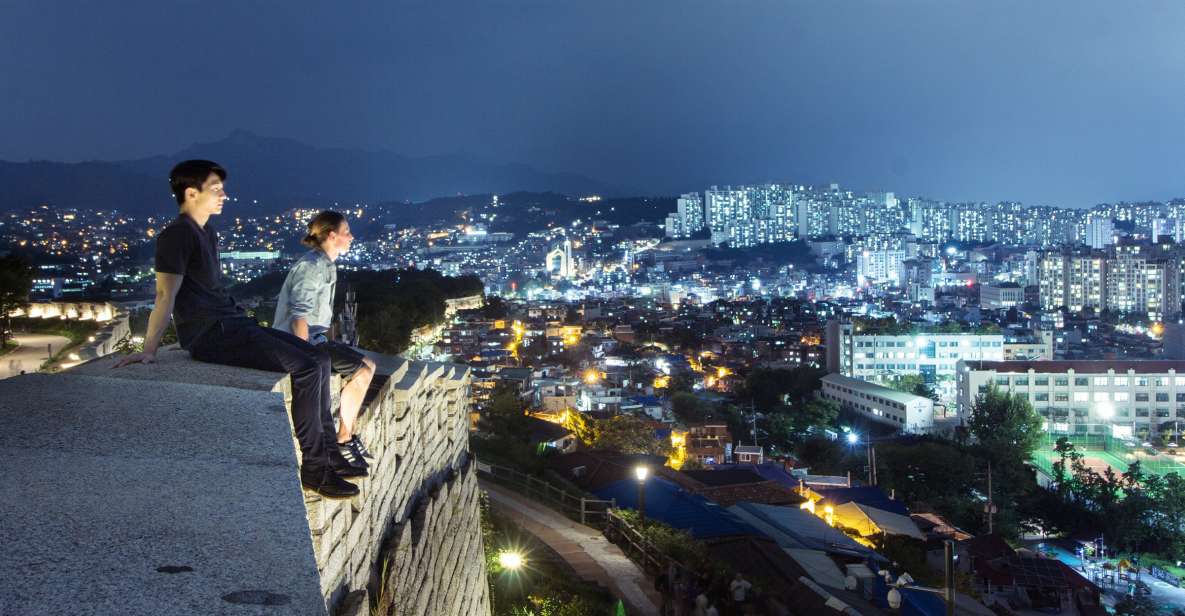
Next comes Naksan Park and the Naksan dragon artwork story. This part works because it connects Seoul’s physical setting to meaning. Instead of treating the hillside as scenery, the guide reframes it as a clue—how Seoul’s capital area relates to the land around it.
Dragon symbolism shows up in Korean cultural storytelling again and again, and this stop uses that vibe to make the city easier to understand. It’s short, visual, and memorable: you look, you hear the story, and suddenly the view and the geography click together.
What I like about this stop is the pacing. You’re not stuck in one spot. You’re moving through the night with narration that changes as the scene changes. That keeps the walk lively, even when you’re taking breaks to catch your breath.
Ehwa Mural Village and Maronie Park: art, photos, and hilltop calm
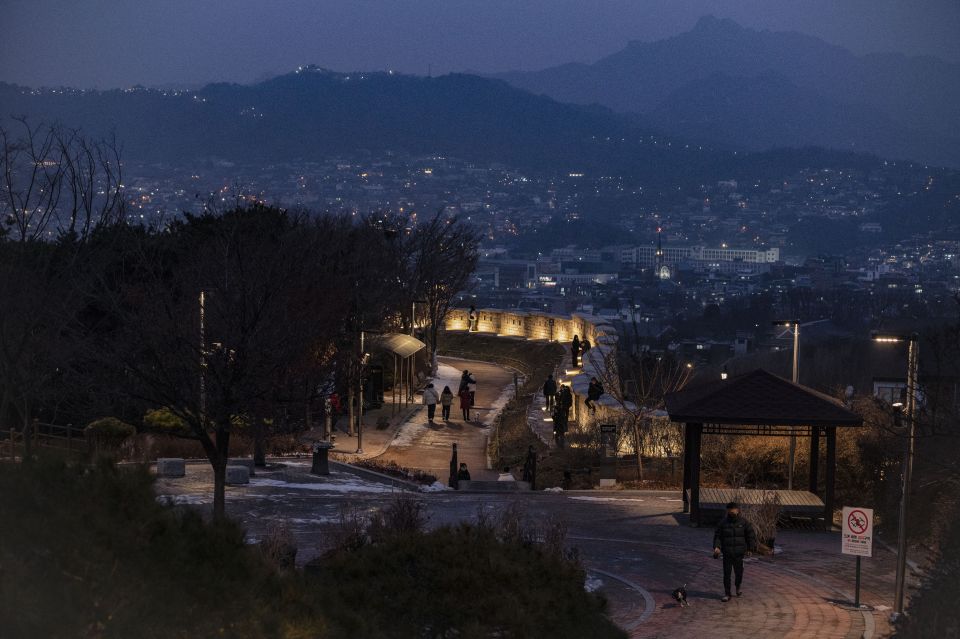
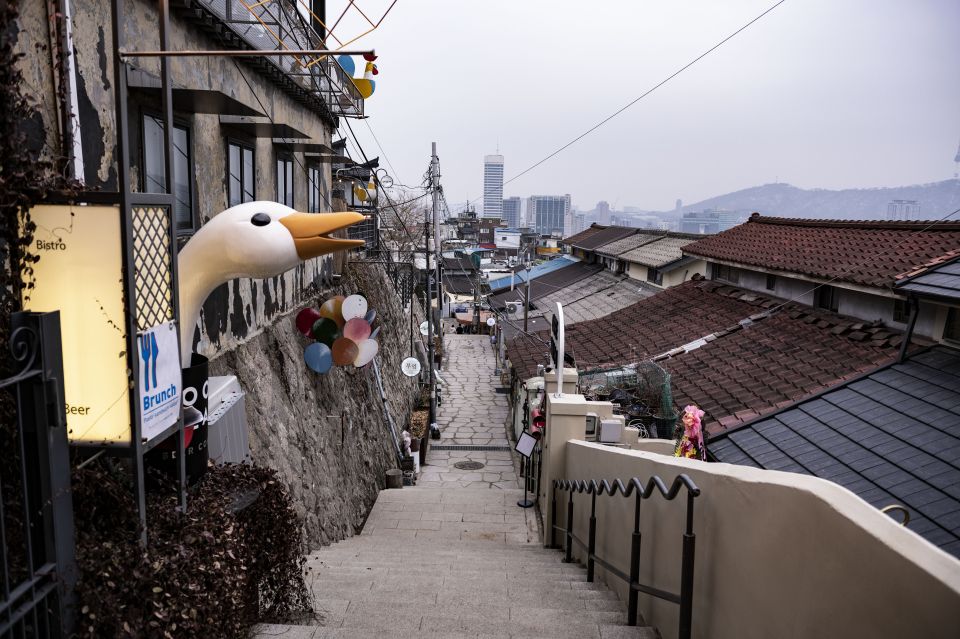
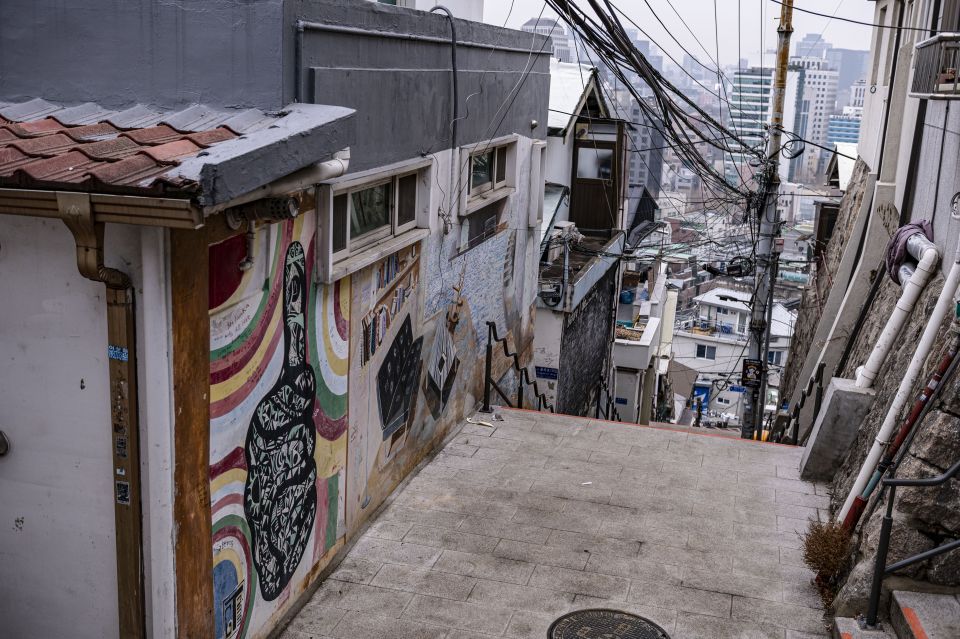
If you love streets that feel like open-air galleries, this is the section you’ll linger in. Ehwa mural village is described as an old village on a hill, packed with art walls and photo-friendly corners. At night, those walls turn into a softer, more atmospheric kind of “busy.” The colors show up differently under street lighting, and the alleys feel less like a checklist stop.
Maronie Park is another supportive stop in this middle section. It helps break up the uphill stretch with a change of pace—more “pause and look” than “keep climbing.” You’re still walking, but you’re also getting those short moments that make the whole tour feel human-sized.
A key advantage here: guides don’t just point. They explain. Some guests highlight how guides shared cultural anecdotes that fit the surroundings, not generic facts. When the story matches the place, the photos don’t feel like tourist snapshots—they feel like proof you understood what you saw.
Also, the tour is designed for night photography. Even if you’re not a camera person, you’ll likely appreciate the timing and the photo suggestions. One guest specifically mentioned help with taking better photos even during rain.



Climbing the city wall: how the view grows as you go
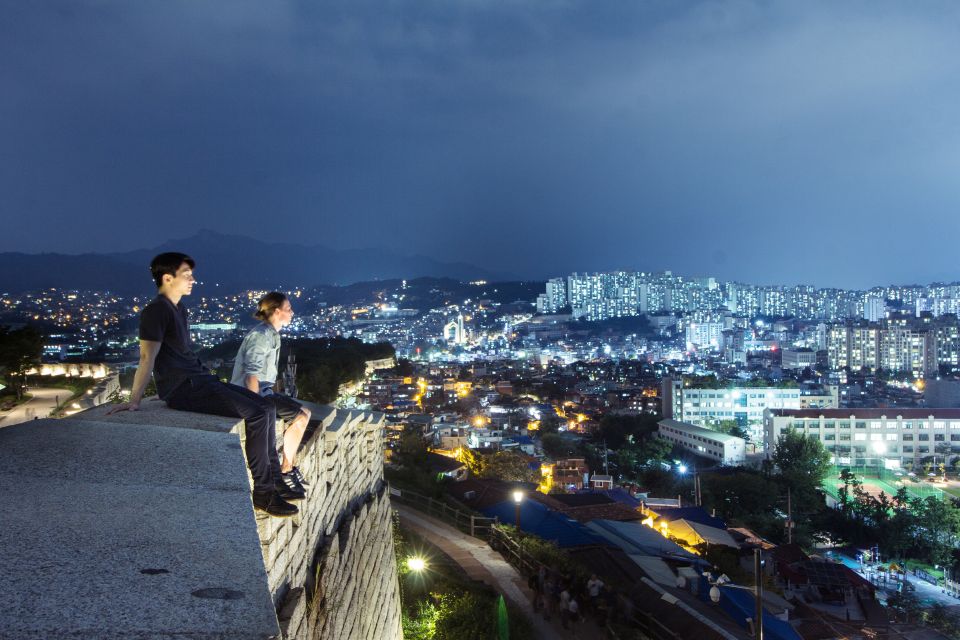
This is the section where the tour’s title really earns its keep. As you move up toward the Hanyang City Wall viewpoint, the city keeps changing. First you see the forms—ridges, building blocks, street lines. Then the lighting takes over.
It’s also a good lesson in “night navigation.” Seoul at night can look overwhelming from street level, but from a higher angle, it turns into a pattern. The wall gives you that pattern. You’ll see why people love getting up high here: it’s not just about pretty lights. It’s about understanding the city’s structure.
The walk includes stairs and steep bits, but the guidance is paced. Guests describe breaks happening naturally at stops, not forced at random. One person even said the walk felt leisurely, and another said the climbing wasn’t too difficult—though those same comments still stress careful footing.
One more practical note: the tour says hot packs are included in winter, and that matters more here than on a flat route. Cold makes steps feel harder. Having something warm to hold between climbs makes the difference between “I’m okay” and “I’m miserable.”
Learning how Korea works, not just what to see
The best tours don’t only show places; they help you interpret them. This one aims for that. The experience is built around stories about society—especially youth and education—and how those pressures shape daily choices.
From the details you’ll likely hear, the themes tend to include:
- how students experience education and expectations
- what work culture can feel like as you grow into adulthood
- how neighborhoods like Hyehwa connect students to city life
- how historical context connects to modern Seoul
Even the “fun” parts seem to carry a purpose. Multiple guides are described as humorous and patient with questions, including answering lots of different curiosity. That matters because Seoul is complicated—history, rapid change, old neighborhoods beside new systems—and one good explanation can make the entire trip feel clearer.
If you’re a first-time visitor, this cultural layer is especially valuable. You’ll be looking at Seoul less like a theme park and more like a real place with real systems.
Pace, group size, and what to wear for comfort
This is where I’ll be very straight with you.
The tour is about 2 hours, but it includes uphill walking and stairs. The tour calls it an easy walk with breaks, yet it also clearly limits who can join: people with mobility impairments can’t join, and people with walking issues should text in advance due to the hill and stair sections. People over 70 are also listed as not suitable.
So think of it like this: if you can walk 20–30 minutes with hills and stop for short breaks, you’re probably a fit. If you need frequent assistance or struggle with stairs, don’t assume you can power through.
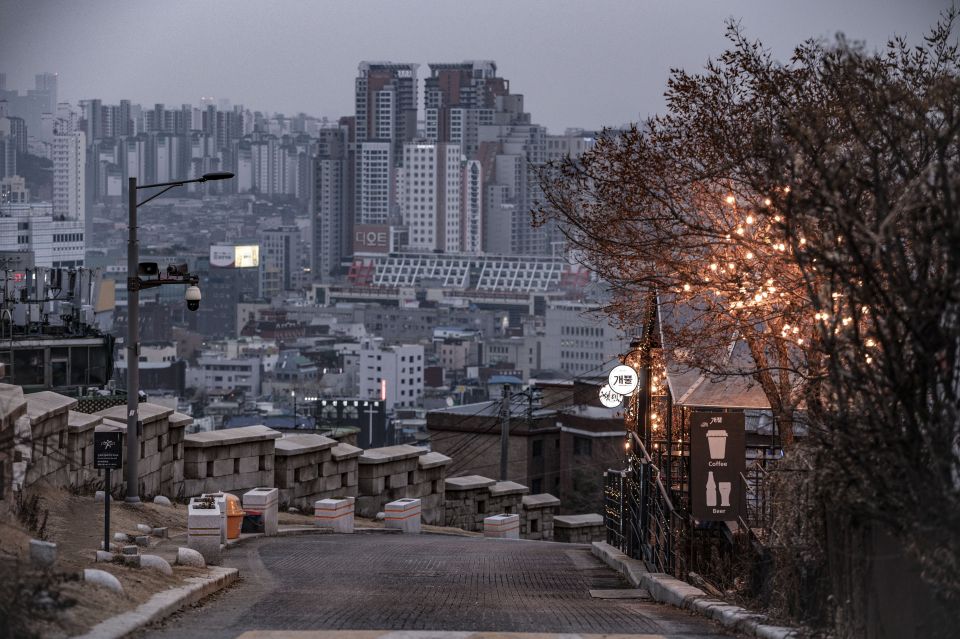
Footwear is part of the design. High heels are explicitly not allowed. Wear closed-toe shoes with grip, and bring something that won’t slip if it’s wet. One guest mentioned heavy rain and praised the guide for keeping the group okay and enjoying the night anyway—still, you want your feet to do their job.
On group dynamics, one guest described a group size around 16 people, which is large enough to meet others but small enough that questions still get answered. Also, at least some guides use microphones with personal receivers, which helps a lot if you’re standing in a crowd or on uneven ground.
Is $33 good value for a Seoul night tour?
For $33 per person and 2 hours, the value comes from how much you get in a short time: several distinct areas, night views, and guide-led cultural explanations.
Here’s what you’re paying for:
- A guided route that strings together neighborhoods you might not connect on your own
- Entry-by-walking into multiple photo/story stops
- Night timing that makes viewpoints worth the climb
- Winter comfort via hot packs
- English live narration (and audio help with mic/receivers for some departures)
The biggest “value” isn’t the price tag—it’s the reduction of guesswork. Seoul can be confusing at night if you only rely on maps. This tour gives you a path and a reason to care about what you see. If you like structure but still want wandering time at each stop, it’s a strong deal.
Who should book this tour (and who should skip it)
You’ll love this if:
- you want a short, story-heavy night activity
- you’re curious about Korean student life and social culture
- you want hilltop views without planning multiple separate rides
- you enjoy photo moments in places locals actually walk through
You should skip it if:
- stairs and uphill walking are a problem for you
- you have mobility impairments or significant walking limitations
- you’re in the not-suitable age range listed for the tour
If you’re traveling with friends who love views and explanations, this tour also works because it gives you both: scenic “look here” moments and conversation “ask me” moments.
Should you book the SeoulDude Nighttime Hidden Gems walk?
If you want a two-hour night plan that feels grounded in culture (not just quick snapshots) and you’re comfortable with uphill walking, I’d book it. This tour’s strongest strength is the combination of night viewpoints with student-and-society storytelling, plus the practical comforts like hot packs in winter.
If stairs are your limiting factor, or you know you struggle on uneven ground, don’t treat the description’s “easy walk” as a guarantee. The tour itself flags walking issues as a barrier, so save the disappointment and pick something flatter that still gives you Seoul at night.
FAQ
How long is the tour?
The tour lasts 2 hours.
Where do I meet the guide?
Meet at Hyehwa Station, Exit 2. A guide will be waiting outside of Exit 2.
What walking level is this?
You’ll be walking up a hill, and there are stairs. The tour includes breaks, but people with walking issues may not be able to join.
Is the tour available in English?
Yes, the tour has a live English-speaking guide.
Are hot packs included?
Yes. Hot packs are included in winter season.
What shoes should I wear?
High-heeled shoes are not allowed. Wear shoes suitable for walking and stairs.
Who should not join?
The tour is not suitable for people with mobility impairments, and it is also listed as not suitable for people over 70.