REVIEW · KYOTO
Kyoto: Insider Sake Brewery Tour with Sake and Food Pairing
Book on GetYourGuide →Operated by Add Stories Co., Ltd · Bookable on GetYourGuide
Sake can taste like a whole menu. In Kyoto’s Fushimi Sake District, this tour mixes a museum visit with a guided tasting so you can finally pick the right bottle without guessing. You start at the Gekkeikan Okura Sake Museum, then move into a dedicated tasting space for structured side-by-side comparisons.
I love how the experience builds sake confidence, from learning the basics to practicing how to read labels and order in Japan. I also love the food pairing portion, where you taste sake with classic otsumami and actually notice how the pairing shifts aroma and flavor.
One possible drawback: the first half is walking and standing for about 1.5 hours, so if you prefer to sit more, you may want a different seated option.
In This Review
- Key takeaways before you go
- Getting oriented at Gekkeikan Okura Sake Museum in Fushimi
- How the museum visit sets you up for better tasting
- The label-reading skill that makes this tour travel-useful
- The tasting session: 10+ sakes compared side by side
- Otsumami pairing: the moment you start tasting smarter
- Hot or cold sake and the sushi-question you’ll stop asking
- Price and value: $87 for confidence you can reuse
- Timing, standing, and how to make the 3 hours feel easy
- Who should book this sake tour (and who might not)
- Should you book this Kyoto insider sake tour?
- FAQ
- What is the duration of the Kyoto insider sake brewery tour?
- Where do I meet the guide?
- How many sake will I taste?
- Is this tour only for people who drink alcohol?
- Are vegetarian or vegan options available for the food pairing?
- What if the Gekkeikan Okura Sake Museum is closed?
- Is there walking and standing during the tour?
Key takeaways before you go

- Fushimi Sake District start: You’re not sampling random bottles first; you’re learning the setting that made Kyoto famous for sake.
- Museum-to-tasting flow: You see the brewing basics at the Gekkeikan Okura Sake Museum before you start drinking and comparing.
- 10+ tasting styles: Expect a range from dry and crisp to fruity and rich, tasted side by side.
- Label-reading cheat sheet: You leave with practical tools for choosing bottles and navigating menus.
- Otsumami pairing practice: You taste the same concept twice, with food changing what you perceive.
- Guides with real energy: People mention guides like Kyoko, Momo, and Miyuki as especially passionate and fun while teaching.
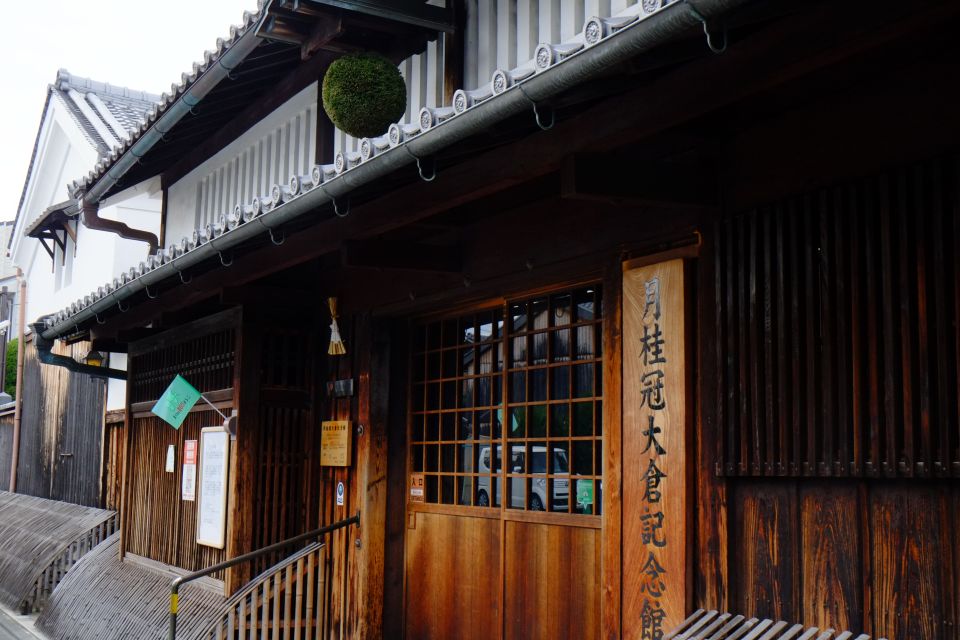
Getting oriented at Gekkeikan Okura Sake Museum in Fushimi
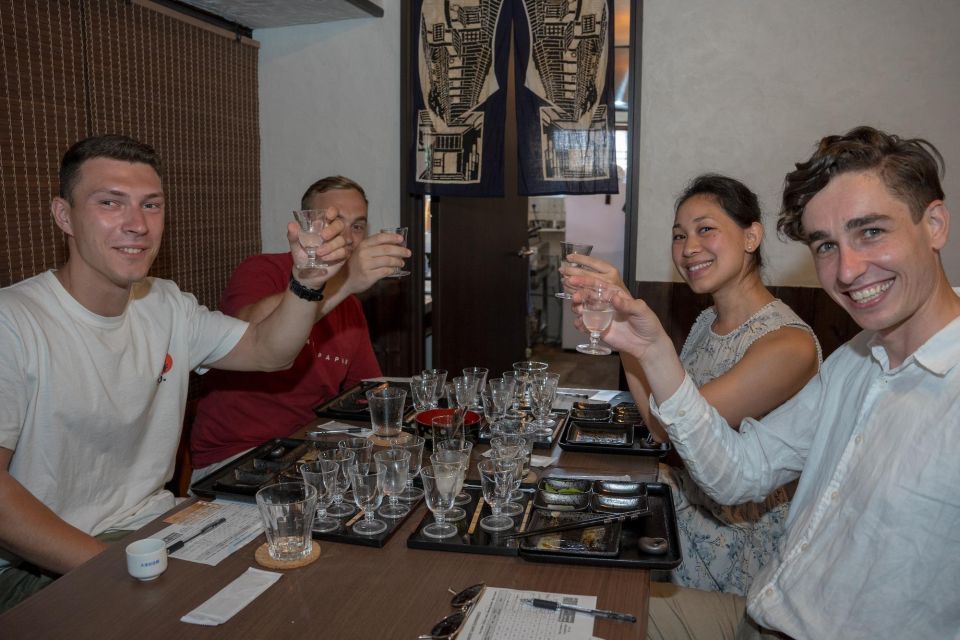
This is the kind of tour where the first 10 minutes matter. You meet inside the Gekkeikan Okura Sake Museum entrance, so you avoid the usual start-of-tour wandering. If you’re plugging it into your map app, use 697 Motozaimokuchō, Fushimi Ward, Kyoto, 612-8043, Japan.
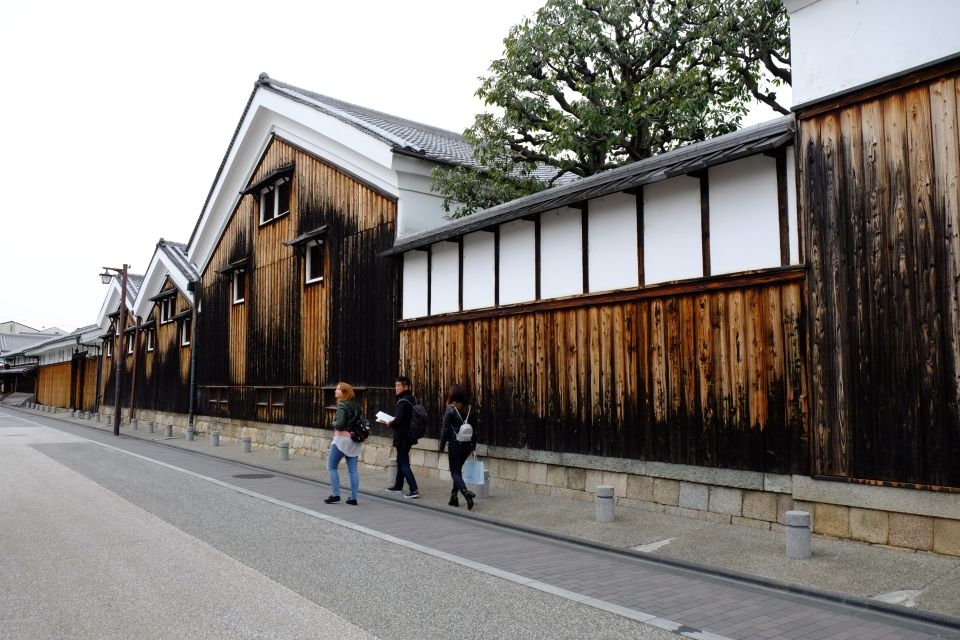
Once you’re there, the experience is set up for momentum. You’re in one of the most famous sake areas in Japan, and that matters because sake doesn’t feel like a random drink when you understand where it comes from. Fushimi has the reputation, and the tour leans into that right away with a guided look at the brewing story at Gekkeikan Okura.
This also means the tour is a good fit for you if you’re not trying to become a sake academic. You’re trying to become the person who can walk into a restaurant in Kyoto and order without hesitation. That goal shows up again later when you get tasting notes and a cheat sheet you can take with you.
You can also read our reviews of more tours and experiences in Kyoto.
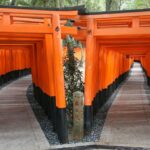
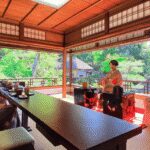
How the museum visit sets you up for better tasting
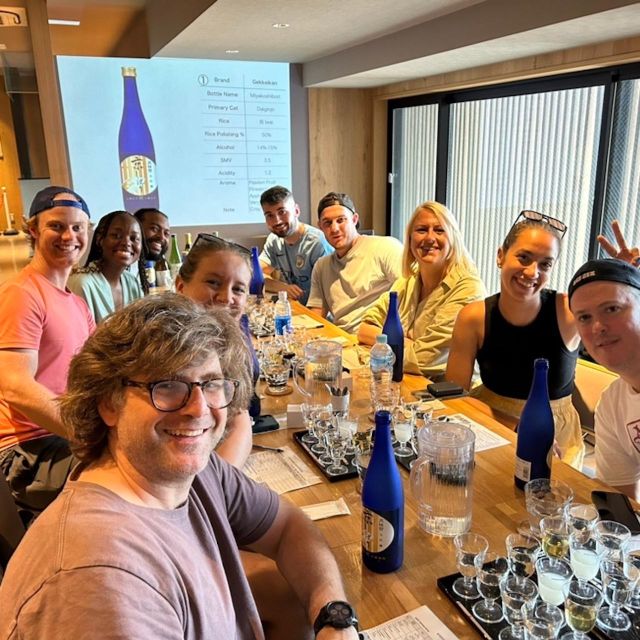
Before you start tasting, you tour the Gekkeikan Okura Sake Museum with a local expert. The point isn’t to overwhelm you with technical jargon. It’s to give you a framework for what you’re about to notice in the glass.
You’ll learn the essentials of sake brewing and what actually shapes flavor and style. The museum part is also where the tour makes sense of the variety you’ll taste later. When you know the factors that influence taste—like polishing levels (which come up in the learning)—you stop seeing sake as one category and start seeing it as a range of styles.
There’s also a practical benefit: your tasting improves because you’re listening differently. Instead of only asking Is this good?, you can start comparing how a sake feels—dry or crisp versus fruity or rich—and you get better at describing what you like. That’s a skill you’ll use again long after Kyoto, especially if you’ve ever stood in front of a Japanese sake menu thinking, I’m not sure what any of this means.
If the Gekkeikan Okura Sake Museum is unexpectedly closed, the tour may pivot to another historic brewery in Fushimi, so the learning theme stays intact.
The label-reading skill that makes this tour travel-useful

One of the most repeatable takeaways is the ability to read sake bottles and menus. That’s not just a party trick. It’s what helps you translate a good tasting experience into confident ordering back at street level.
In the museum and briefing, you learn how to make sense of what you’re seeing—so the next time you spot terms on a label, you don’t stare blankly. You’ll also get practical tips on enjoying sake in Japan, including when to drink it hot or cold. That matters because sake can taste different depending on temperature, and temperature is one of the simplest ways to match a bottle to your meal or your mood.
The tour also teaches how to enjoy sake with food, not only as a stand-alone drink. That’s key in Kyoto, where food is part of the experience and you’ll be ordering dinner anyway. If you’ve ever ordered sake with sushi and wondered why some pairings felt perfect while others didn’t, this tour sets you up to make those choices with less guessing.
And yes, guides make the difference. People repeatedly mention guides like Kyoko and Momo for teaching with clear structure and lots of patience, which is exactly what you need when you’re learning a new world fast.
The tasting session: 10+ sakes compared side by side
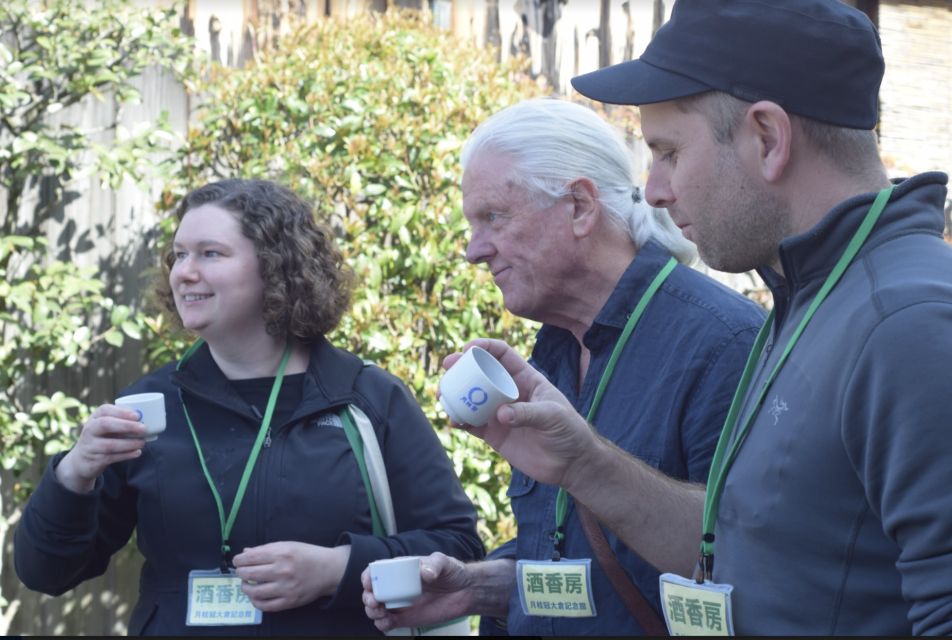
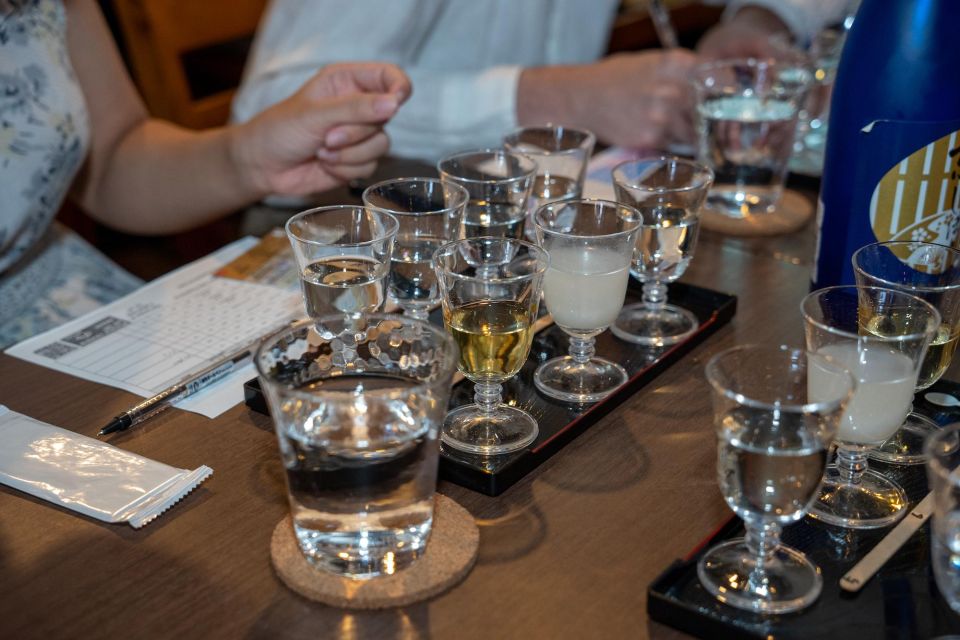
After the museum, you move into the tasting portion in a dedicated tasting room. This is where the tour earns its value. You don’t taste one random sample. You taste 10+ types selected for you, and you compare them in a way that actually trains your palate.
The variety is part of the design: you’ll taste styles that range from dry and crisp to fruity and rich. Side-by-side tasting is the best way to notice differences because your brain stays calibrated. You’re not remembering flavors from an hour ago while your stomach is doing its own thing.
You also get tasting guidance from the certified sake expert/sommelier behind the experience. The point isn’t to tell you what to like. It’s to help you taste with intention—so by the end, you can sort out what fits your preferences. That is exactly what people highlight in their feedback: not only that the sake is good, but that they leave understanding why they reacted the way they did.
You’ll also get a sake cheat sheet and a tasting note. I like this format because it turns the whole experience into something you can reuse. You can take your notes and then shop smarter later in Kyoto—either for a bottle you’ll drink at home or a bottle you’ll bring back for a friend who thinks sake is just one thing.
Otsumami pairing: the moment you start tasting smarter
Then comes the part that often surprises people: the food. The tour includes otsumami—traditional Japanese appetizers—paired with sake. This is not a token snack. It’s a lesson in how pairing changes what you notice.
A well-run pairing makes the same sake taste different. You might experience more aroma, a cleaner finish, or a changed sweetness or dryness once food enters the equation. The guides explain the why behind the pairing, so you don’t just repeat the process by luck.
In practical terms, this helps you when you sit down for dinner later in Kyoto. You’ll understand how to think about pairings instead of only chasing matching flavors. And you’ll get a sense of what kinds of sake work well with different foods, including the tour’s specific mention of guidance for sushi pairing.
What I appreciate is that the pairing doesn’t require you to already be a foodie. Otsumami is approachable, and the tasting structure keeps it clear. You taste, you compare, you learn, and you go from uncertain to confident pretty fast.

Hot or cold sake and the sushi-question you’ll stop asking
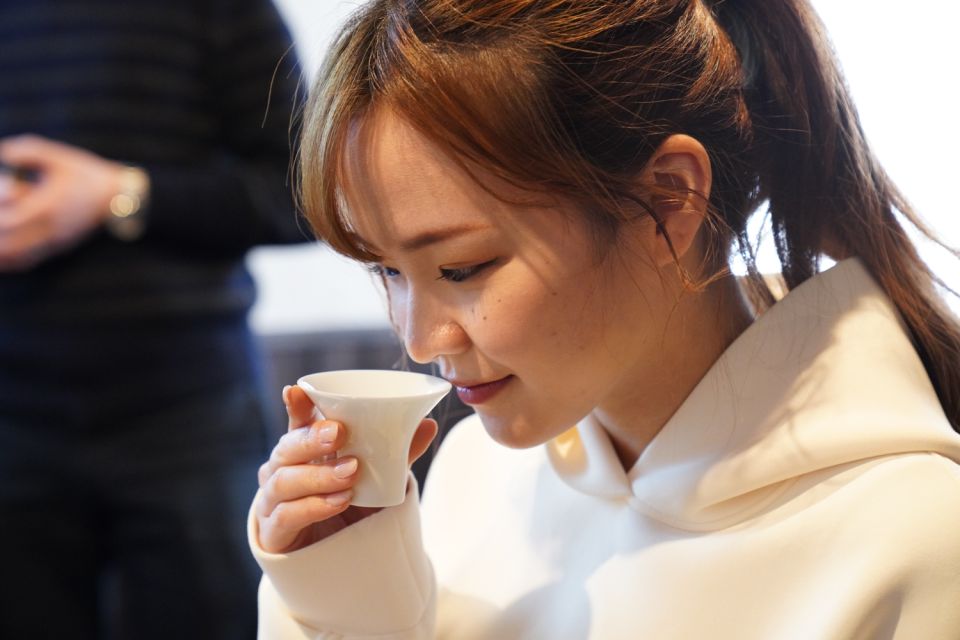
Sake is one of those drinks where temperature can be the difference between boring and delicious. The tour gives you practical instruction on enjoying sake either hot or cold, so you can choose based on the bottle and the moment.
This is also where the tour tries to make you street-smart. If you’re traveling in Japan, you’re going to see sake options listed in different ways and offered in different styles. Knowing temperature preferences and how those preferences affect taste means you can order without overthinking.
The experience also includes advice on which types of sake pair best with sushi. Even if you already know sushi is a safe bet, the tour helps you level up: you learn what to look for in the bottle and how to connect that to what you’re eating. That is the kind of knowledge that sticks, because you’ll run into it naturally during your trip.
If you’re the type who likes to learn a few high-impact rules and then enjoy the meal, this is built for you.
Price and value: $87 for confidence you can reuse
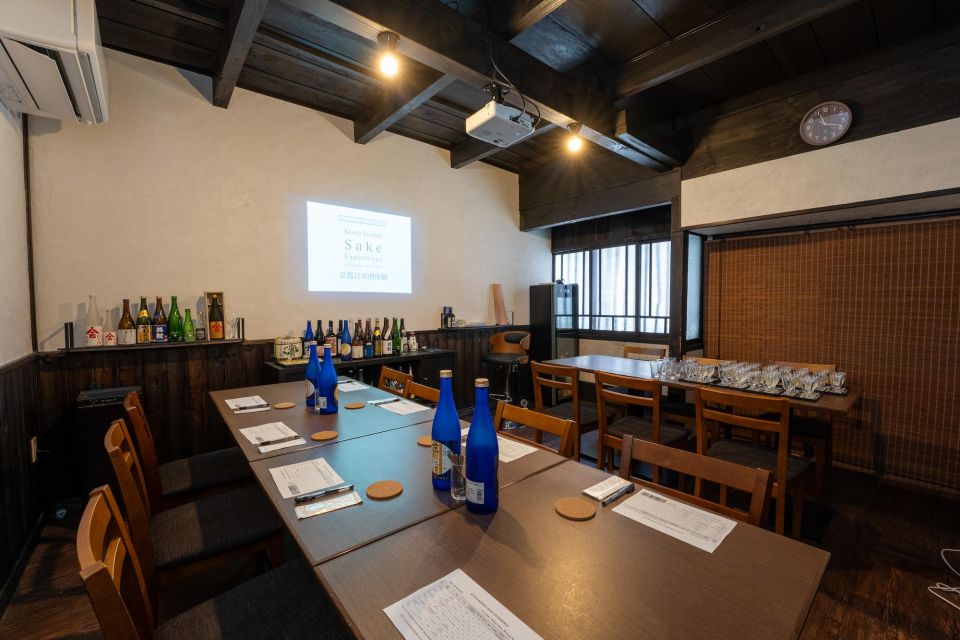
At $87 per person for about 3 hours, you should judge this tour on what it replaces. It’s not just a tasting flight. You’re paying for structured learning, a museum introduction, and the ability to order and pair sake in the future.
Here’s the value logic I think works best:
- You get entry and guided time at the Gekkeikan Okura Sake Museum, which sets the context.
- You get 10+ sake tastings selected by a certified expert, plus tasting notes to remember what worked.
- You get pairing with otsumami, which is the fastest way to learn how taste shifts.
- You get tools for real life in Japan: reading bottles/menus and choosing hot or cold options.
If you love sake already and want to find your exact favorites, this tour saves time. If you’re new to sake, it saves embarrassment. Instead of picking random bottles based on vibes, you learn how to choose with reason.
It’s also worth noting what’s not included: transportation to and from the attractions. So if you’re traveling around Kyoto, plan to arrive under your own steam and not rely on hotel pickup.
Timing, standing, and how to make the 3 hours feel easy
The experience is about 3 hours, but the pace isn’t sitting-and-snacking. The first half involves walking and standing for roughly 1.5 hours. That’s a big deal if you’re planning a packed day with lots of temple steps.
If you’re comfortable on your feet, you’ll probably fly through it. A good guide and a clear structure keep the time moving. But if you know you tire quickly, build your schedule accordingly. Don’t stack a second major activity immediately afterward unless you’re sure you’ll bounce back.
Also, alcohol service has rules. For safety and legal reasons, alcohol won’t be served to guests who arrive by car or bicycle. Non-alcoholic drinks are available. And alcohol service follows Japan’s legal drinking age: guests under 20 will only get non-alcoholic drinks.
Those rules aren’t meant to spoil your fun. They’re part of keeping the tour compliant, and they’re easy to plan for if you arrive on time and understand what you’ll receive.
Who should book this sake tour (and who might not)
This tour fits best if you want more than a casual tasting. It’s made for you if you:
- like learning through doing (taste + pairing + notes)
- feel intimidated by Japanese sake labels and menus
- want a simple plan for choosing hot or cold sake and matching it to food
It also makes sense if you’re the type who enjoys Kyoto’s food culture and wants to connect drinks to meals. You’ll walk away with skills you can use again on your next sushi or izakaya night.
On the other hand, it’s not recommended for children, wheelchair users, pregnant women, people with low level of fitness, and anyone under 19. If walking/standing is hard for you, look for a more seated alternative rather than trying to muscle through the schedule.
Should you book this Kyoto insider sake tour?
I’d book it if your goal is confidence. Not just more drinks, but clearer choices: which bottles to buy, what to order, how to think about temperature, and how food changes what you taste.
It’s also a strong pick if you want a tour with real teaching energy. People repeatedly praise guides such as Kyoko, Momo, Miyuki, and Chika for being passionate, interactive, and good at making the tasting feel organized instead of random.
Just be honest with yourself about the standing part. If you can handle an hour and a half of walking and standing, this is an efficient use of time in Kyoto. If that’s a deal-breaker, pick a seated alternative and save your energy for the rest of the city.
FAQ
What is the duration of the Kyoto insider sake brewery tour?
The tour lasts about 3 hours.
Where do I meet the guide?
Meet inside the entrance of the Gekkeikan Okura Sake Museum in Fushimi.
How many sake will I taste?
You’ll taste sake styles numbering 10+ types selected for the tasting session.
Is this tour only for people who drink alcohol?
The tour requires a reservation, and alcohol service follows Japan’s legal drinking age. Guests under 20 are served non-alcoholic drinks, and non-alcoholic drinks are available in cases where alcohol isn’t served due to arrival rules.
Are vegetarian or vegan options available for the food pairing?
Yes. Vegetarian and vegan options are available. Let the guide know at the site about your preferences or allergies.
What if the Gekkeikan Okura Sake Museum is closed?
If the museum is unexpectedly closed, the visit may take place at another historic brewery in Fushimi.
Is there walking and standing during the tour?
Yes. The first half includes walking and standing for about 1.5 hours, so plan accordingly.
If you tell me your travel dates and whether you want a more seated option, I can suggest the smartest time slot to fit the tour into a Kyoto day.