REVIEW · KYOTO
Skip the lines Basic Ticket at SAMURAI NINJA MUSEUM KYOTO
Book on Viator →Operated by Maikoya · Bookable on Viator
Kyoto’s swords and star throwing move fast. This guided visit to the Samurai Ninja Museum is built for hands-on fun and clear context on samurai and ninja life, with standout moments like trying armor and throwing shuriken-style stars while your guide explains the feudal backdrop.
I also love the setup for photo-friendly weapon moments—traditional swords, costumes, and simple backdrops that make it easy to capture the day without needing to be a selfie pro. The main drawback is the pace: it’s about 1 hour, and the museum experience is small enough that you may feel rushed if you expected a big, artifact-heavy museum day.
In This Review
- Key highlights at a glance
- What this 1-hour Samurai and Ninja experience really feels like
- Price and inclusions: is $28.52 a good deal?
- Finding the museum and meeting your guide in Kyoto
- Inside the museum: feudal context, swords, and a samurai-house recreation
- Samurai armor trial and sword moments: the part you’ll remember
- Ninja star throw competition: a short game with real satisfaction
- Crowd size, pacing, and why the experience can vary
- Who should book this Basic Ticket at Samurai Ninja Museum Kyoto
- Should you book this tour or skip it?
- FAQ
- How long does the Samurai Ninja Museum Kyoto skip-the-line basic ticket take?
- What’s included in the $28.52 price?
- Do I need transportation to get there?
- How many people are in the group?
- Is it suitable for children?
- Do I need good weather?
- Is the elevator always available?
- What’s the cancellation policy?
Key highlights at a glance
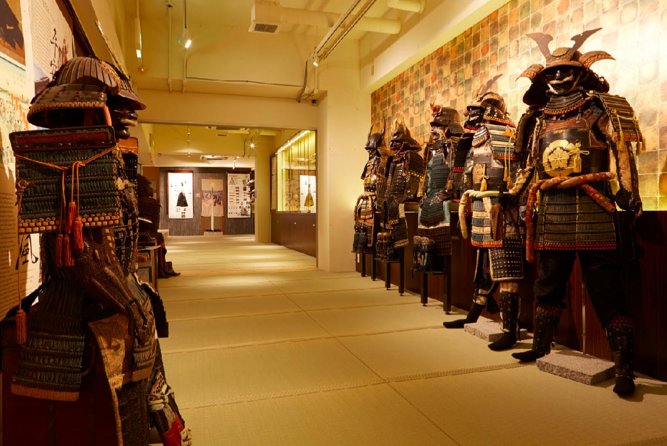
- Guided hour with real storytelling about Japan’s feudal system and the roles of samurai and ninjas
- Samurai armor and costume trial (plus optional sword/katana handling depending on what’s available that day)
- Ninja star throw competition using shuriken-style throwing games
- Photo ops with replica swords and traditional weapon displays
- Small-group feel with a listed cap that may vary by session (details below)
- Multiple time slots so you can plug it into a tight Kyoto itinerary
What this 1-hour Samurai and Ninja experience really feels like
This is a short, guided stop—ideal when you want Kyoto culture without turning your day into a museum marathon. You’ll head to the Samurai Ninja Museum on your own, then meet your guide and group for a focused walkthrough. Think classroom energy with props. There’s time for explanations, but the real hook is that you can handle gear and join the throwing game.
The tour is designed around quick comprehension. Your guide connects what you’re seeing—swords, weapons, a reconstructed samurai house vibe, and general feudal context—to what life would have meant for samurai and ninjas. That helps if you’re a first-timer. It also keeps things moving if you’re short on time.
And yes, the photos are a big part of the payoff. People come out with costume shots, sword-holding poses, and shuriken-throw results. Even if you’re not obsessed with Japanese arms history, the structure makes the experience feel like something you did, not just something you watched.
You can also read our reviews of more tours and experiences in Kyoto.


Price and inclusions: is $28.52 a good deal?
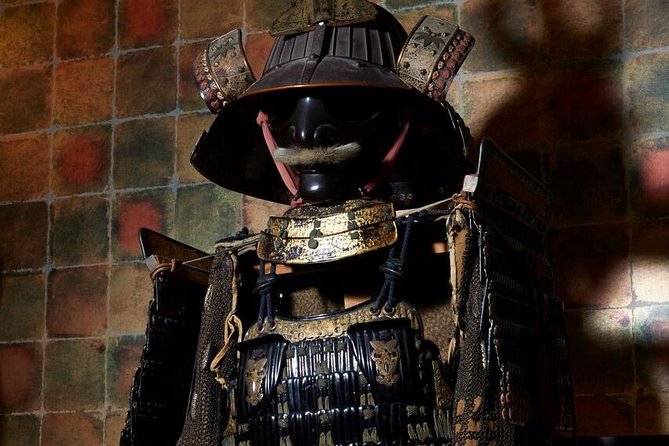
At $28.52 per person, this ticket is more than a plain museum entry. The price covers the professional guide, your samurai costume, and the ninja star throw competition. It also includes admission ticket access as part of the experience.
That matters because a lot of Kyoto “history” stops are either:
- Mostly passive exhibits, or
- Mostly performance without much historical framing.
Here you get both: you get commentary from the guide and then a hands-on activity that makes the weapons and roles feel more real. A short visit like this can be great value when you’re trying to sample a theme without spending half a day.
Two small notes that affect value:
- Transportation isn’t included, so plan how you’ll get there on your own.
- The experience length is limited (about an hour), so if you want lots of quiet time to study objects at length, you might want a different museum.
Finding the museum and meeting your guide in Kyoto
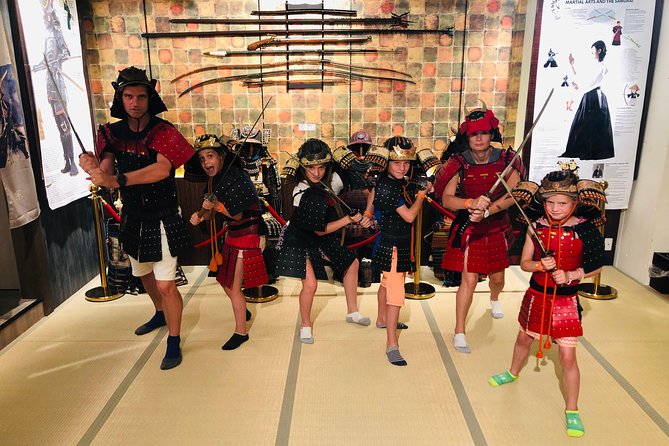
You’ll make your own way to the Samurai Ninja Museum Kyoto. It’s in the heart of the city and listed as near public transportation, so you’re not stuck with a taxi-only situation.
One practical tip: the museum can be a little tricky to locate on first attempt. The good news is that people have mentioned that in-app directions help a lot. So before you go, open your map app and save the pin. You don’t want to waste your hour in Kyoto searching for one door.
Also note the venue layout: some visitors describe it as a small space spread over two levels and sitting in a shopping-arcade style area. That setup fits this tour format—quick tour, quick activities, quick photos. It’s not built for lingering.
If you’re coming in winter, there’s one accessibility-related detail you should keep in mind: an elevator out-of-service period is listed for January 24, 2026 to February 19, 2026. If you rely on the elevator, check your timing before booking.
Inside the museum: feudal context, swords, and a samurai-house recreation
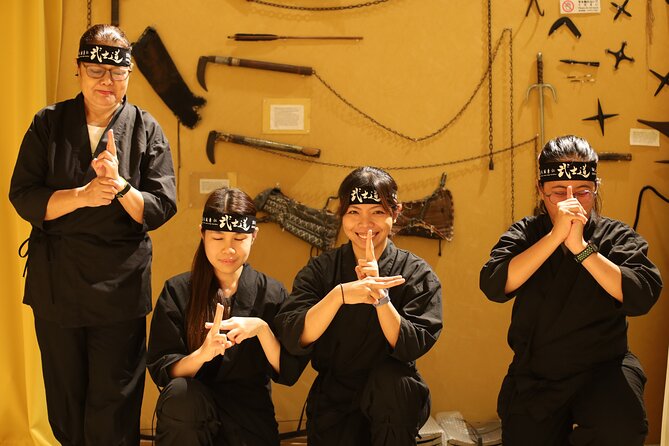
The tour walkthrough centers on the story of samurai and ninjas, framed by the Japan feudal system. Your guide explains how these figures fit into society, and you’ll see displays that connect to those roles: swords and weapons, plus a recreation space that gives you a sense of how a samurai household might have looked.
This is where the tour earns its keep for history-curious folks. The museum doesn’t try to be an academic lecture. Instead, it gives you enough context to understand what you’re looking at—and then it uses the activities to reinforce the theme.
Expect a compact format. People describe it as not huge. That’s not automatically bad. If you’re the type who gets museum fatigue, a smaller stop can feel friendly and fast.
But if you were expecting a big collection of rare artifacts to study for a long time, this could disappoint you. Some visitors felt the “museum” side is light compared with what they imagined.
Samurai armor trial and sword moments: the part you’ll remember
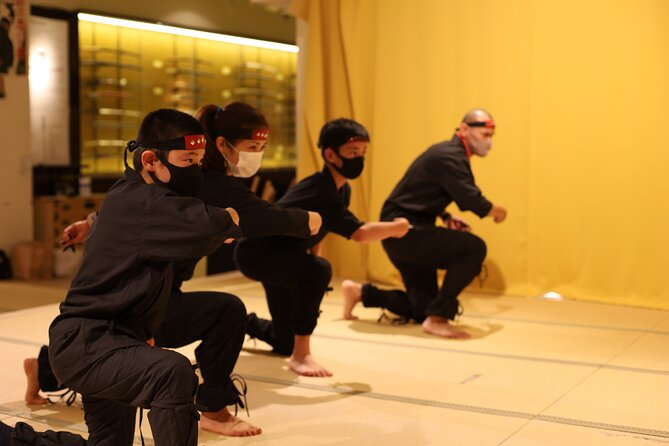
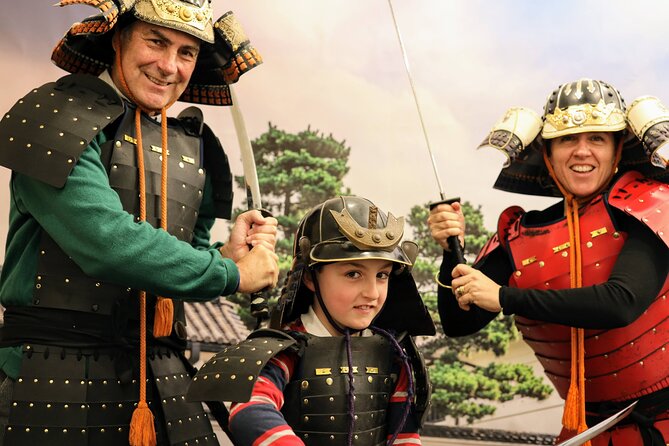
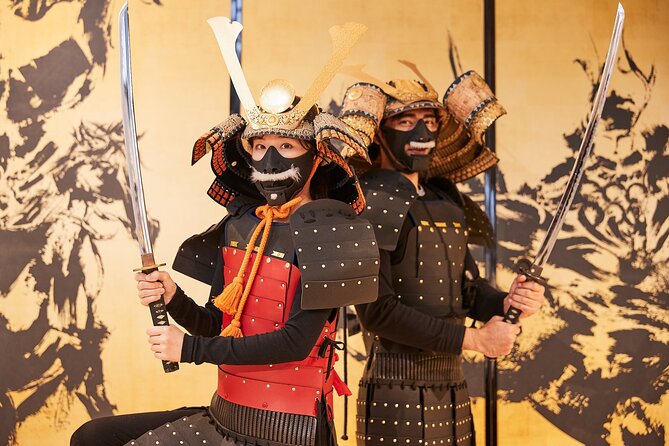
This is the signature hands-on piece. During the tour you’ll have a chance to try samurai armor and do some sword/katana interaction. Depending on what’s available that day, it may be described as a costume trial with a katana or samurai sword handling as an optional element.
A couple of details from visitor feedback matter here:
- Costumes are part of the experience, and some people love the chance to dress up for photos.
- Others have noted that the gear can feel worn or basic, especially in crowded moments.
So I’d go in with the right expectations. You’re not going to a costume shop with pristine replicas. You’re going to a fun, guided, limited-time experience where the priority is giving you that “I’m in it” feeling.
The upside is the photo value. You’ll likely see plenty of traditional sword visuals and you’ll get a chance for sword/pose-style shots. If you like collecting “theme photos” for your travel album, this is built for you.
Guide names you may run into include Naromi, Raito, Saku, Jasmine, and Nobu, and multiple people highlighted the energy and clarity of the guiding. That means the quality of the talk can feel like a major part of what you take home.





Ninja star throw competition: a short game with real satisfaction

The throwing portion is usually the crowd favorite. You’ll participate in a ninja star throw competition (often described as shuriken throwing with replica or plastic stars). This is the “everyone gets involved” moment, and it gives the tour a playful edge.
What makes it work is that it’s not just spectacle. You get a guided intro, then you get time to try. Some people even mentioned winning their own shuriken during the activity, which tells you the experience is set up to be fun even if you’re not a “sports person.”
This part also makes the history feel more tangible. Instead of just hearing about ninja stereotypes, you’re doing a small action that resembles the theme. Is it historically rigorous? You might treat it as recreation. But as an entertaining learning reinforcement, it fits.
One practical note: this activity can feel busier during peak crowd times. If you’re sensitive to noise and line pressure, pick a time slot that’s less likely to be packed.
Crowd size, pacing, and why the experience can vary
The tour is designed for small-group interaction, but the cap information in the details isn’t perfectly consistent. One part lists a maximum of 30 travelers, while another note says a maximum of 15 travelers. Either way, it’s meant to be a small group, but the actual level of crowding can change by time slot and day.
That variation shows up in real feedback:
- Many people say the pace feels right and the guide keeps it engaging.
- Others report that in crowded conditions, the experience can feel rushed and less personal.
Also, because the tour is about an hour, it doesn’t leave much room for slow museum studying. You’ll move from storytelling to demonstrations to the hands-on parts. If you’re the type who likes to stand with one display and read everything, you might want a longer, stand-alone museum option after this.
There’s also one comfort consideration mentioned: some visitors reported issues like lack of air-conditioning in the space. If you’re visiting during the hottest weeks of the year, it’s smart to plan a cooler part of the day.
Finally, the museum experience can have changes noted for health situations, with activities subject to change if conditions require it. So keep a flexible mindset, and treat the hands-on activities as the main event rather than fixed “every single step guaranteed” checkpoints.
Who should book this Basic Ticket at Samurai Ninja Museum Kyoto
Book this if you want:
- A quick, guided introduction to samurai and ninja culture in Kyoto
- A place where you can actually participate—armor, costume, and shuriken throwing
- Fun photos and a short activity you can fit between bigger Kyoto sights
- Something family-friendly, since the experience is set up for people of different ages and children must be accompanied by an adult
You might also like it if you’re a “history, but make it interactive” person. This tour gives context without turning into an academic lecture.
Consider skipping (or pairing it with a larger museum) if:
- You expected a large collection of artifacts and lots of time for quiet reading
- You strongly dislike crowded, fast-paced group experiences
- You want the experience to feel like a traditional museum visit rather than a guided, activity-centered hour
- You’re looking for high-end costume gear; some feedback suggests the gear can feel basic depending on the session
Should you book this tour or skip it?
If your Kyoto plan needs a fun, hands-on stop, I’d say yes—this ticket is good value for the hour of guided context plus the armor and ninja star activity. The biggest reason to book is simple: you leave with more than photos. You leave with an idea of what samurai and ninja life meant in a feudal Japan setting, reinforced by doing the theme activities.
If you’re the type who wants a deep, quiet, object-studying museum day, don’t treat this as your main history stop. Use it as a fast, interactive sampler—and then spend more time at a museum built for longer viewing.
FAQ
How long does the Samurai Ninja Museum Kyoto skip-the-line basic ticket take?
It’s listed as about 1 hour (approx.).
What’s included in the $28.52 price?
The experience includes a professional guide, a samurai costume, the ninja star throw competition, and admission ticket access.
Do I need transportation to get there?
Transportation to and from the museum is not included. You’ll make your own way to the location.
How many people are in the group?
The details list a maximum of 30 travelers in one place, and another note says a maximum of 15 travelers. Check the specific session you book.
Is it suitable for children?
Children must be accompanied by an adult. Most people can participate.
Do I need good weather?
Yes. The experience requires good weather, and if it’s canceled due to poor weather, you’ll be offered a different date or a full refund.
Is the elevator always available?
No. An elevator out-of-service period is listed for January 24, 2026 to February 19, 2026.
What’s the cancellation policy?
You can cancel up to 24 hours in advance for a full refund.
If you want, tell me your travel month and whether you’re going with kids. I can suggest the best time-of-day approach based on the small-space and pacing factors.