REVIEW · KYOTO
Kyoto Gion Night Walk & Geisha District Guided Tour
Book on Viator →Operated by TripGuru · Bookable on Viator
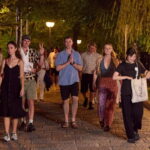
Lantern-lit Gion changes the whole pace of Kyoto. This 3-hour night walk keeps small groups (up to 9) so you get real conversation, and I like the way your guide steers you from the obvious streets to quieter temples and shrines. One catch: the start at Kyoto Kawaramachi Garden can be a bit confusing with other groups on a busy curb.
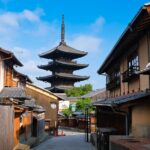
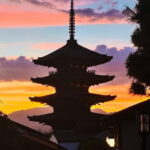
You’ll start the tour in Gion right as lights come on, when the lanes feel more intimate than daytime Kyoto. Expect a slow wander past illuminated restaurants, teahouses, and atmospheric corners where Kyoto’s old traditions show up in everyday life.
If you want extra flexibility, you can upgrade to a private tour in multiple languages. Many guides are praised for clear English and a friendly, patient style, from people like Zied and Shingo to Jasmine and Naoki. Just plan for steady walking, since this is a real night stroll through Gion’s narrow streets.
In This Review
- Key highlights you’ll feel fast
- Why Gion at night feels different than daytime
- Small-group guiding (up to 9) is the real value
- Gion’s lantern streets: what you’ll see in the first 2 hours
- Hanamikoji Street in 30 minutes: best-preserved Kyoto vibes
- Yasaka Shrine (Gion Shrine) and what the architecture is telling you
- Price and tickets: why about $18 can work
- Comfort tips: dinner timing, cold nights, and meeting-point sanity
- Private upgrade vs small-group: when it’s worth paying more
- Who should book this Gion night walk—and who might skip it
- Should you book the Kyoto Gion Night Walk?
- FAQ
- FAQ
- How long is the Kyoto Gion Night Walk tour?
- How big is the group for this Gion night walk?
- Where do I meet, and where does the tour end?
- What’s included in the tour price?
- Is a snack and water included?
- Are entry fees included for Hanamikoji Street and Yasaka Shrine?
- What if the weather is poor?
- Can I cancel and get a refund?
Key highlights you’ll feel fast
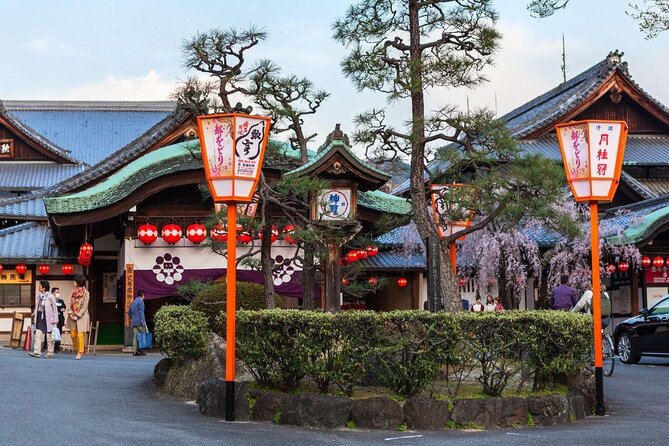
- Small group size (up to 9 per outing) for easier questions and better pacing
- Gion at night with lantern-lit streets, restaurants, teahouses, and photo stops
- Hanamikoji Street in 30 minutes on one of the best-preserved historic lanes
- Yasaka Shrine (Gion Shrine) with context on architecture and local customs
- Snack and water on Premium/Private options to keep you comfortable on the walk
- English-speaking guides who make the area easier to understand and enjoy (examples include Zied, Jasmine, Shingo, and Naoki)
Why Gion at night feels different than daytime
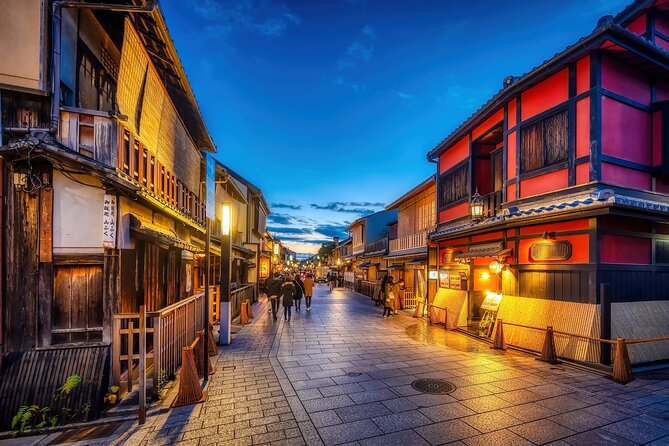
Gion is famous in Kyoto for a reason, but nighttime is where it turns from famous to personal. When the lanterns glow, the streets look softer and more layered. That matters, because Gion isn’t just one landmark—it’s a whole neighborhood of narrow lanes, restaurants, and traditional buildings where details are easy to miss if you’re rushing.
This walk is built for that evening shift. You spend the first stretch in Gion itself (about 2 hours), which is enough time to notice patterns—where locals tend to linger, how the side streets branch off, and how shrines and small temple spaces fit into the street grid. You also get the chance to see maiko or geisha if you’re lucky, but even without that, the mood still delivers.
One small practical note: night in Gion can also mean fewer “open” scenes. Some guides keep the focus on streets and cultural context, not just restaurants on display, so you’ll still feel like you’re doing something meaningful even if businesses are closed for the evening.
You can also read our reviews of more tours and experiences in Kyoto.
Small-group guiding (up to 9) is the real value
At $18, the tour’s value isn’t only about the route—it’s about how the guide manages it. Your biggest upgrade is that the outing is kept to no more than 9 people, which makes it easier to hear answers and ask follow-ups.
That’s where guide style really shows. People have praised guides like Zied for being a wealth of information and genuinely easy to talk to, and Shingo for strong English and a friendly personality. Others (like Eloise and Raphael) are highlighted for engaging explanations and clear answers, which matters because Gion can feel like a maze if you’re doing it alone.
You’ll also notice that guides don’t treat this like a “walk and point” experience. The praise is consistent for guides who guide at a comfortable pace, include everyone, and steer you toward things you’d likely miss on your own—especially offbeat shrines and temples tucked just off the main lanes.
If you hate group logistics—waiting for stragglers, noisy chatter, and stopping every 20 seconds—this format is a good match. And if you’re the type who likes stories as much as photos, you’ll get more out of the walk.
Gion’s lantern streets: what you’ll see in the first 2 hours
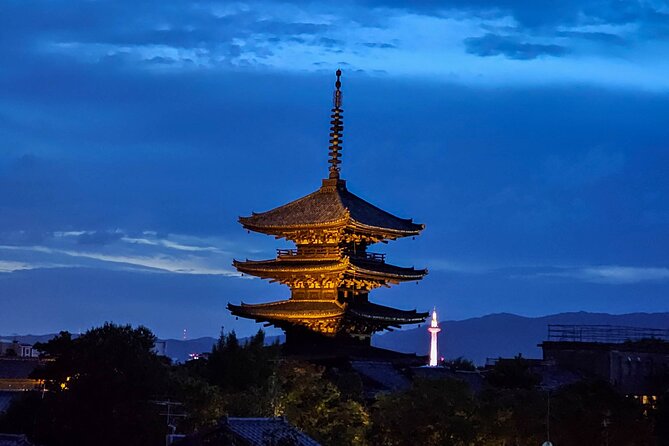
Stop 1 is the heart of the experience: Gion, with about 2 hours on the ground. This is where the tour earns its name. You’ll move through Kyoto’s historic geisha district as the evening lights come up, which changes how buildings look and how the street feels underfoot.
Here’s what tends to make this part work:
- Illuminated streets and traditional venues: lanterns, restaurant facades, and the glow around teahouses set the mood fast.
- Guided navigation through side streets: you’re not just following a single parade route.
- Cultural context that turns sightseeing into understanding: you get explanations tied to what you’re seeing right then, not a random lecture.
There’s also a realism check. Some nights are quieter than others, and restaurants may be closed depending on the day or holiday rhythm. That can actually be a benefit for photography and atmosphere, but it does mean you shouldn’t expect every storefront to be “active” like it might be in peak tourist hours.
At the end of this first stretch, you’ll be ready for a more focused street visit next, when the tour tightens its route around a specific historic lane.
Hanamikoji Street in 30 minutes: best-preserved Kyoto vibes
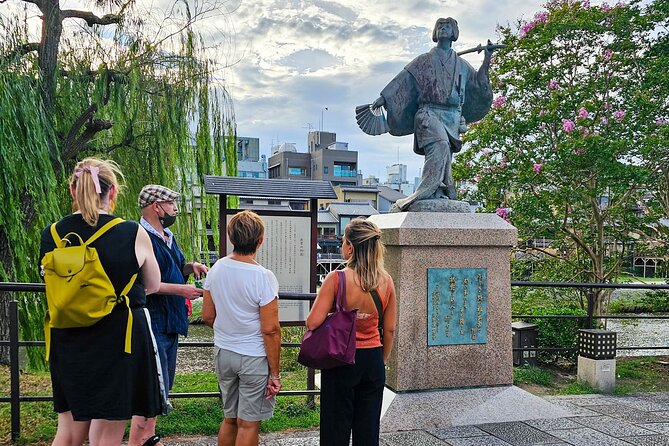
Stop 2 is Hanamikoji Street for about 30 minutes. This is one of those Kyoto streets that feels like it was made for evening wandering. The buildings along the lane look especially right under lantern light, and the street layout makes it easy to slow down and take photos without constantly turning corners.
This stop also gives you something practical: it’s a concentrated dose of “this is what people mean when they talk about old Kyoto.” The tour format helps because you’ll have already gotten oriented in Gion during the first phase, so Hanamikoji feels like a destination instead of just another lane.
If you’re sensitive to crowds, pay attention to timing. One helpful tip from experience in the area is that going when it’s not a major national holiday can make the whole neighborhood feel calmer and more enjoyable. Same street, different energy.
Also, don’t expect this to be a long shop-stroll. This portion is paced like a guided walking stop—watch, listen, look for details, and then move on.
Yasaka Shrine (Gion Shrine) and what the architecture is telling you
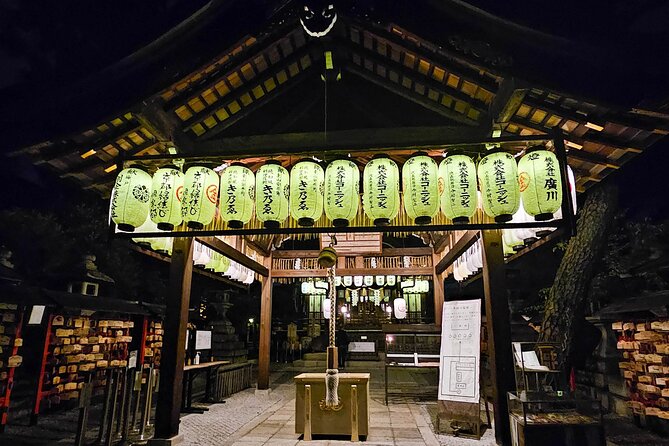
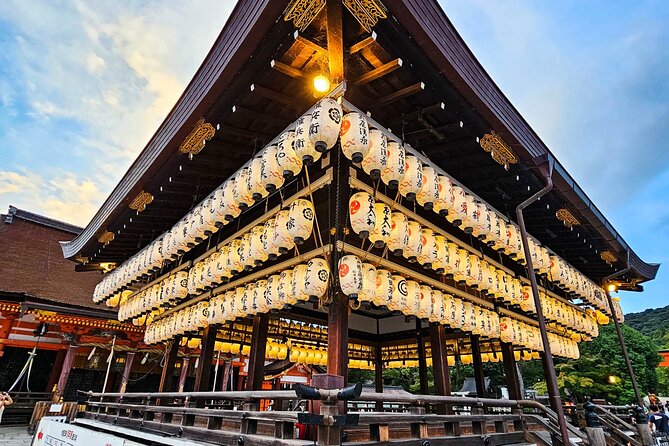
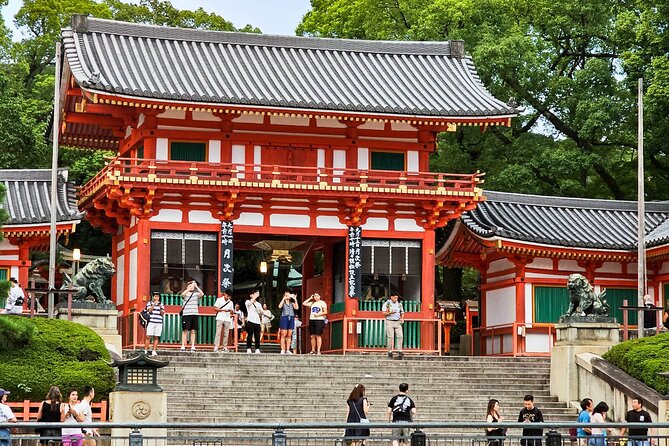
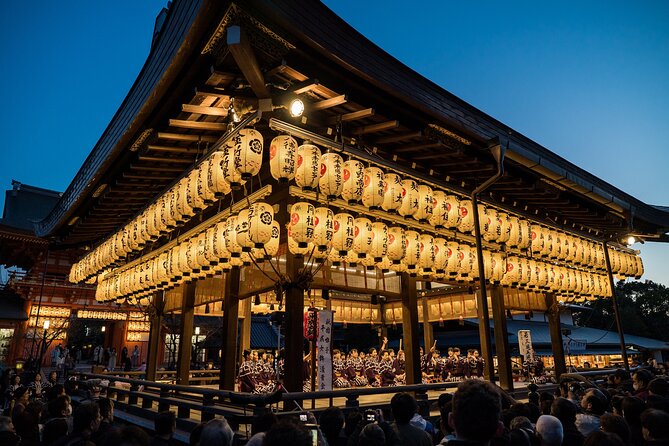
Stop 3 is Yasaka Shrine, also known as Gion Shrine, for about 30 minutes. This is where your walk shifts from “pretty streets” to “why this place matters.”
You’ll get guidance on:
- History and cultural meaning tied to the shrine
- Architecture and layout—what to notice beyond the main buildings
- Customs and traditions connected to how people experience the shrine area
Even if you’ve seen shrines before, this stop tends to land well because it’s still inside the Gion neighborhood context. You’re not traveling far away; you’re learning why the shrine fits the cultural map of the district you’ve been walking through.
As with all shrine visits, be mindful of respectful behavior: move aside when others need space, and keep your voice low near worship areas. A good guide usually helps you navigate what’s appropriate, and this tour’s guide style is consistently praised for clear explanations.
By the time you finish here, you’re not just seeing an attraction—you’re understanding how the neighborhood’s traditions connect street life, festivals, and sacred spaces.
Price and tickets: why about $18 can work
Let’s talk value, because this tour is priced like a budget-friendly add-on, but it’s not “cheap experience” in disguise.
You’re paying for:
- An English-speaking guide
- A guided walking route across the most atmospheric part of Kyoto’s Gion area
- Ticket coverage at key points (Gion’s admission is listed as free, while admission for Hanamikoji Street and Yasaka Shrine is included)
That ticket coverage is part of the math. It means you’re not scrambling for small entries while your group is already walking. And the timing—night hours in Gion—can be harder to plan well on your own, since you want the street glow and the context, not just a random stroll.
One more value lever: the tour uses a mobile ticket, and the small-group setup makes it easier to ask questions without the guide rushing to the next stop.
If you’re choosing between doing Gion alone versus booking this, I’d treat this like a “get oriented quickly” night. You’ll still be able to wander afterward on your own—but you’ll start with a map in your head.
Comfort tips: dinner timing, cold nights, and meeting-point sanity
This is a night walk, so your comfort depends on two things: weather and your stomach schedule.
A very real heads-up from experiences in winter: Gion at night can get cold, and the walking is steady. If you’re visiting during colder months, dress like it’s outdoors for a while, because it is. Layers beat one big coat.
Timing can also clash with dinner. Some people found the tour runs right around dinner hours, which can leave you hungry by the end, especially if you planned an early meal. If that’s you, either eat a lighter pre-walk snack or line up dinner for after you finish near Sanjō Ōhashi Bridge.
Then there’s the meeting point. The start area on a busy street can be crowded with other groups and guides, so arrive a few minutes early. If you see multiple tour groups, don’t panic—stand still, check with staff if needed, and look for your group’s guide signage.
Finally, bring comfy shoes. You’ll be walking through narrow streets and up and down lanes for the full 3 hours.
Private upgrade vs small-group: when it’s worth paying more
The tour offers an upgrade to a private Kyoto walking tour of Gion, available in multiple languages. If you’re traveling with a party that wants control—your own pacing, fewer questions answered in a crowd, and more flexibility—that private option can feel like the smart move.
Private tours also help if you have:
- A group with mixed ages (kids and adults moving at different speeds)
- Someone who wants deeper explanation without feeling rushed
- A language preference that fits better with the private format
On the private side, the snack and water inclusion is listed for Premium Group and Private tours, which is a real comfort benefit for night walking.
If you’re a solo traveler or a couple, the standard small-group format is usually the sweet spot because the outing is already capped at up to 9 people. You still get the guided structure without paying a private premium.
Who should book this Gion night walk—and who might skip it
This tour is a great fit if you want:
- A guided way to understand Gion without getting lost in the details
- Lantern-lit streets plus cultural context at a comfortable pace
- A small-group setup where you can actually talk to the guide
It can be especially good as a first Kyoto experience because it gives you a Gion “mental map” fast.
I’d be more cautious if you:
- Want lots of long sitting breaks (this is a walking format)
- Are extremely time-sensitive at dinner hour
- Struggle with steady walking for about 3 hours (even with occasional pauses)
That said, people have brought kids in the 12–16 range and still found it fun and engaging. The difference maker is how comfortable your group is with evening walking and “learning as you go.”
Should you book the Kyoto Gion Night Walk?
Yes—if you want Gion’s nighttime atmosphere with context, and you like the idea of small-group guiding instead of a crowded stampede. The price makes sense when you factor in guide time plus included admissions, and the up-to-9 outing size is the part that most affects your actual experience.
Book it if you’re the kind of traveler who enjoys street-level details: how neighborhoods work, why shrines matter, and what makes Hanamikoji special after dark. Skip it if you’re looking for a short, low-walking stroll or you’re hoping for a guaranteed geisha sighting. You might catch a maiko or geisha—if you’re lucky—but the tour’s bigger win is the education and the atmosphere.
FAQ
FAQ
How long is the Kyoto Gion Night Walk tour?
The tour lasts about 3 hours.
How big is the group for this Gion night walk?
The experience is capped at a maximum of 25 travelers, but it’s designed so that each outing has no more than 9 people.
Where do I meet, and where does the tour end?
You start at Kyoto Kawaramachi Garden, 68 Shinchō, Shimogyo Ward, Kyoto, 600-8001. You end at Sanjō Ōhashi Bridge, Ohashicho, Nakagyo Ward, Kyoto, 604-8004.
What’s included in the tour price?
You’ll have an English-speaking tour guide and a walking tour. Admission tickets are listed as free for Gion, and included for Hanamikoji Street and Yasaka Shrine.
Is a snack and water included?
A snack and water are included for the Premium Group and Private Tour options.
Are entry fees included for Hanamikoji Street and Yasaka Shrine?
Yes. Hanamikoji Street and Yasaka Shrine both list included admission tickets.
What if the weather is poor?
This experience requires good weather. If it’s canceled due to poor weather, you’ll be offered a different date or a full refund.
Can I cancel and get a refund?
Yes. Cancellation is free up to 24 hours before the experience starts for a full refund.