REVIEW · KYOTO
Kyoto Sake Brewery & Tasting Walking Tour
Book on Viator →Operated by MagicalTrip Inc. · Bookable on Viator
Sake in Kyoto tastes better with context. I like how this tour pairs museum time with real tastings, so the words you hear about rice, water, and brewing actually show up in your glass. You also get a small group, which means questions don’t get lost in a crowd.
What I like even more is the sheer range of what you try: 18 sake samples (with some sessions running higher) plus a guided way to compare styles like dry versus sweet. The one caution is that it’s a walking experience, and it’s not recommended if you have mobility issues, since the schedule assumes you can move between stops.
In This Review
- Key things that make this Kyoto sake tour worth your time
- Fushimi’s sake streets: the neighborhood that makes the lesson stick
- Your 3-hour Kyoto plan: Chushojima start, two museum stops, then 18+ tastings
- Gekkeikan Okura Sake Museum: how rice, water, and technique become flavors
- Teradaya pass-by: a quick history thread in the middle of brewery lanes
- Kappa Gallery: the quirky museum stop that breaks up the seriousness
- The tasting portion: 18+ sake styles, dry vs sweet, and how to compare without getting lost
- Guides and the small-group size: why max 7 people matters
- Price and value: is $98.82 a fair deal?
- Practical tips so you don’t feel rushed or overheated
- Should you book this Kyoto Sake Brewery & Tasting Walking Tour?
- FAQ
- How long is the Kyoto Sake Brewery & Tasting Walking Tour?
- Where does the tour start and where does it end?
- What is included in the sake tastings?
- Is the tour suitable for kids or teens?
- How many people are in the group?
- Is the tour accessible if I have mobility issues?
- Can I cancel for a refund?
Key things that make this Kyoto sake tour worth your time
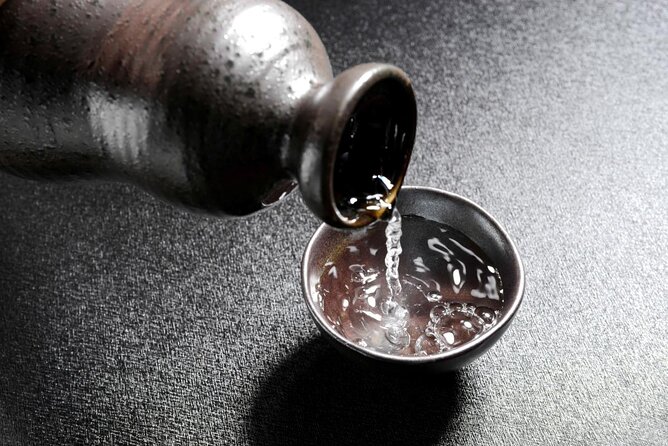
- Gekkeikan Okura Sake Museum gives you the background before the tastings start
- Small group size (max 7) keeps the pace personal and question-friendly
- 18 sake tastings included means you can actually find your favorites
- Two museum stops add variety: sake science and the kappa-themed Kappa Gallery
- Photos during the tour take the pressure off snapping shots while you walk
- Local bar/restaurant tasting is where you learn to compare styles by taste, not theory
Fushimi’s sake streets: the neighborhood that makes the lesson stick
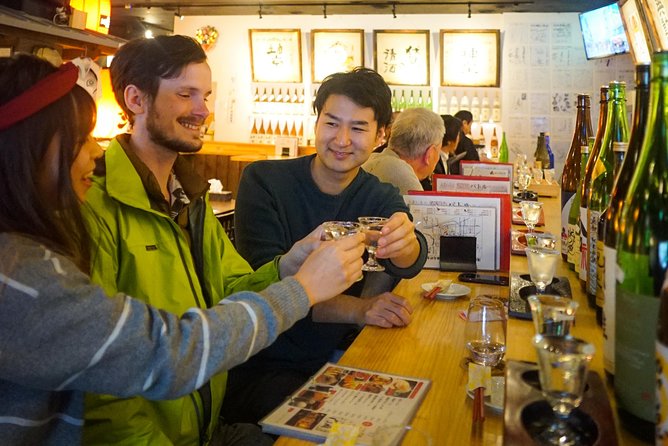
Kyoto’s sake story is tied to Fushimi. That’s where you’ll start (near Chushojima Station), and it’s where the tour makes sense as more than just a drink. You’re walking through an area known for brewing, and that matters because you’ll understand the geography of production: this isn’t something random that happens in a city center.
The route also keeps you from being stuck in one building. You get museum exhibits, then you move to the next stop. That rhythm helps if you’re new to sake. Instead of trying to memorize terms while sitting still, you learn the basics, then you test them right away.
One more practical point: the tour is timed for about 3 hours. That’s long enough to build context, but short enough that you can still enjoy the rest of your Kyoto day.
You can also read our reviews of more tours and experiences in Kyoto.
Your 3-hour Kyoto plan: Chushojima start, two museum stops, then 18+ tastings
Here’s the flow you should expect. You meet near Chushojima Station in Fushimi, then begin with the main education stop at the Gekkeikan Okura Sake Museum for about 30 minutes. Admission is included, and this is where you’ll learn how sake is made and how Gekkeikan’s history connects to Kyoto brewing.
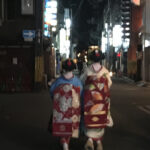
Next, you pass by Teradaya, a well-known Fushimi spot tied to Sakamoto Ryoma and the famous Teradaya Disturbance. It’s not a full history lecture stop, but it gives the street a story, which makes the walk more interesting than just getting from A to B.
Then you move to Kappa Gallery for another roughly 30 minutes (with admission included). This stop is more quirky than technical: it’s a dedicated space for the kappa, a creature that shows up in Japanese folklore and pop culture.
Finally, the tour lands you at a local bar/restaurant for the tasting portion. You’ll sample a set that starts at 18 kinds of sake included in the price, and you’ll be able to learn as you taste. The tour ends near Fushimi-Momoyama Station, at the address listed as 4 Chome Ryogaemachi.
Two small details that matter for planning:
- You’ll want to bring water, especially in summer. Japan gets hot and humid, and the tour involves walking and standing.
- Food and additional drinks are available to buy, but they’re not included. Some tastings pair well with food, so budget a little extra if you think you’ll want it.
Gekkeikan Okura Sake Museum: how rice, water, and technique become flavors
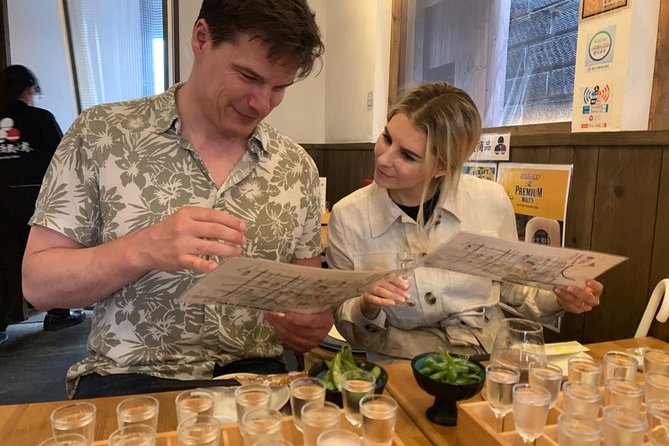
The best part of starting at the Gekkeikan Okura Sake Museum is timing. You get a guided introduction to sake production, then the tour’s tasting portion gives you a chance to connect the explanation to what you’re tasting in real life.
In the museum, you’re observing sake-related exhibits tied to the brand’s history and production process. The payoff is that you’ll stop treating sake like one generic category. After this stop, terms like how sake is brewed and how styles differ make more sense because you’ve already seen what goes into production.
A particularly useful moment (if it comes up on your session) is the brand-connection effect. Some people are surprised to realize that the sake from a Kyoto distillery museum stop is connected to brands they’ve seen outside Japan. Even if you don’t care about that angle, it reinforces the idea that this place is part of the bigger sake ecosystem, not just a tourist set.
If you’re a beginner, this museum stop is your shortcut. You’re not just drinking; you’re learning the framework that lets you tell the difference between styles later.
If you’re already into sake, you’ll still benefit because you’re getting a guided walk-through before the tasting. It turns your samples into comparisons rather than random sips.
Teradaya pass-by: a quick history thread in the middle of brewery lanes
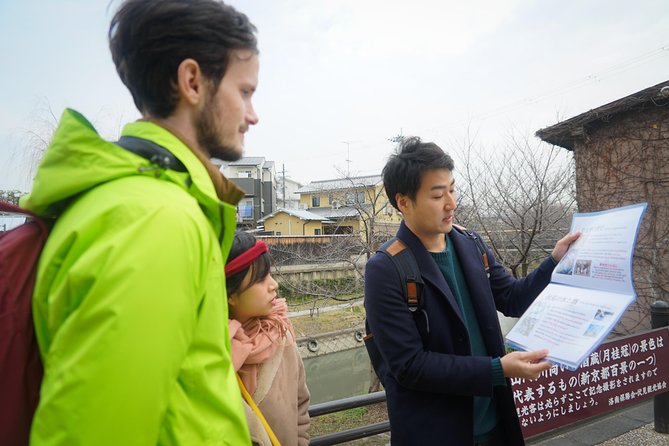
Not every sake tour remembers that Kyoto is a city with old stories. The Teradaya pass-by is brief, but it adds a layer you can feel in the streets. This is a famous Fushimi spot tied to the end of the Edo period and to Sakamoto Ryoma, including the Teradaya Disturbance.
What makes this worthwhile is how it changes the vibe of the walk. You’re not just moving between tasting stops. You’re moving through a neighborhood where brewing and history share the same roads.
If you like connecting food and culture, you’ll probably enjoy this interlude. If you’re the type who wants nonstop drinking education, you might treat it as a short breather and keep an eye on the next tasting stop.
Kappa Gallery: the quirky museum stop that breaks up the seriousness
Between the technical sake museum and the tasting bar, Kappa Gallery is a smart change of pace. It’s dedicated to the kappa, a popular Japanese creature that shows up in folklore for good reason: it’s memorable, and it’s easy to talk about, even if your sake knowledge is still forming.
You spend about 30 minutes here, and admission is included. The kappa theme also works as a kind of mental reset. You’re not stuck in a single “serious education” mode for the whole tour.
Does it teach brewing? Not directly. But it teaches something else that matters on tours like this: you’re experiencing Fushimi as a place with layers, not just production sites. That variety makes the afternoon feel more like Kyoto.
The tasting portion: 18+ sake styles, dry vs sweet, and how to compare without getting lost
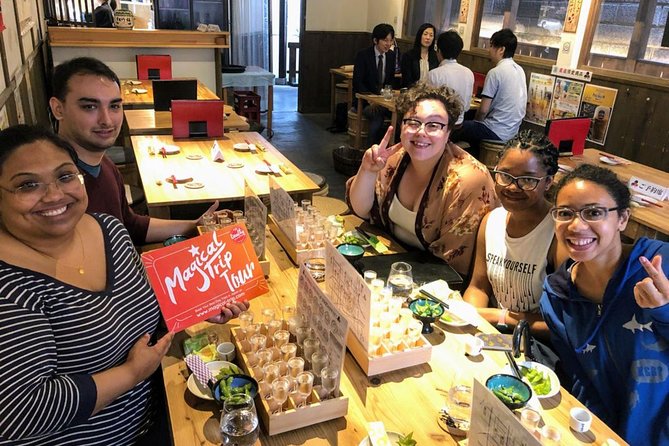
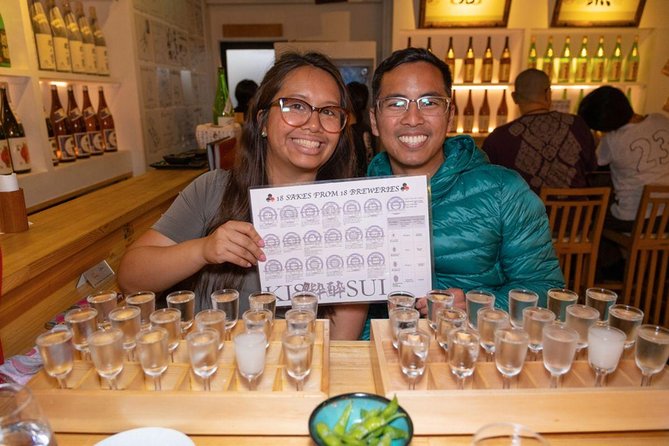
The tasting part is the reason to book this tour, and it’s built to help you compare. You’ll taste a set of multiple sake varieties at a local bar/restaurant, with 18 kinds included as the baseline.
A helpful detail: you’ll be guided through the tasting process, including how to distinguish flavors and styles. One standout theme from what’s been described in feedback is that people get practical explanations on differences like dry versus sweet. That’s exactly what you want, because otherwise tasting 18 samples can feel like a blur.
Expect a lot of tasting. Some sessions are described as higher than 18 (up to the low twenties), but you should plan on tasting multiple pours and spending enough time to reset your palate between samples.
Here’s how I’d approach the tasting so you actually learn something:
- Taste, then listen. Don’t worry if you can’t name everything on the first round.
- Note what changes as you move from one style to the next (dryness, fruitiness, crispness, softness).
- If there’s food available to purchase at the tasting location, consider adding a small bite. Food can shift how sake tastes, and pairing can speed up your understanding.
Also, plan for non-drinkers. Anyone under 20 isn’t tasting sake; the tour provides foods or snacks instead of the sake tasting set.
One more value factor: some sessions include options to purchase bottles at the tasting stop if you find something you love. That’s a nice bonus because you leave with a souvenir you can actually use, not just a story.
Guides and the small-group size: why max 7 people matters
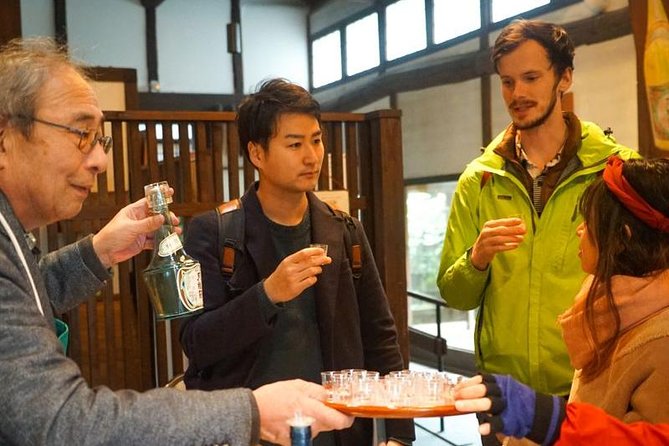
This tour caps at 7 travelers, and that’s not a small detail. With a group this size, it’s easier to ask follow-up questions about what you’re tasting, not just what you heard in the museum.
It also affects the pace. You’re not rushed from one stop to another, and you’re not stuck waiting while other people catch up. That matters on a 3-hour walking schedule.
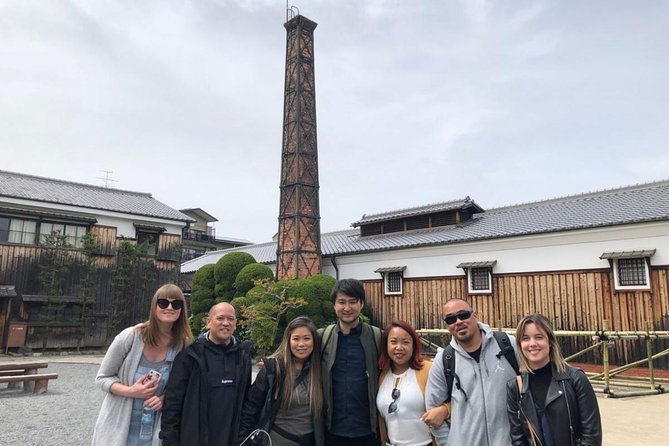
The tour guide is listed as a Certified guide by MagicalTrip, and across sessions the guide experience is repeatedly described as engaging: guides explain the brewing process and the local area with clear enthusiasm, and many people specifically highlight the ability to answer questions. Names that have shown up with standout guide feedback include Matt, Ayu, Kumi, Linda (who was noted as a sake sommelier), Rika, Karin/Karie, Eri, Yukari, and Peco, among others.
You won’t know which guide you’ll get, but the consistent theme is that the guide’s role is interactive. If you want your sake education to be more than a one-way lecture, this format is built for you.
Price and value: is $98.82 a fair deal?
At $98.82 per person for about 3 hours, this isn’t a cheap souvenir stop. But the value comes from what’s already included.
In the price, you get:
- Entry to the Gekkeikan Okura Sake Museum
- Admission for Kappa Gallery
- A tasting set built around 18 kinds of sake (with related guided learning)
- Photos during the tour
- A certified guide
That matters because you’re paying for structure. Without a guide, it’s easy to buy tastings and walk away with a few random favorites, plus a vague sense that sake is complex. Here, the museum and the walk give you context, then the bar gives you the comparison. That usually makes the learning stick.
Not included is additional food or drinks. If you want to eat more than the light stuff that sometimes shows up with tastings, plan to spend a bit extra.
My rule for value: if you like learning while you drink, this price often feels justified. If your goal is only to maximize alcohol consumption with no interest in process or styles, you might feel the structure is too educational. For most people who love food culture, it lands well.
Practical tips so you don’t feel rushed or overheated
This is a walking tour. Even when it doesn’t feel like a long hike, you’ll still be moving through multiple stops.
Plan to:
- Wear comfortable shoes. You’ll be on your feet for the museum plus the brewery-area walk.
- Bring water. Summer in Japan can be hot and humid, and the tour explicitly recommends it, plus a hat to help prevent heat stroke.
- Use the mobile ticket. It’s part of the experience setup, and it makes entry smoother at the museum stops.
- Choose your day wisely. The tour notes that it requires good weather. If it’s pouring, plan on rebooking.
If you have mobility concerns, don’t assume it’s a fit. The tour isn’t recommended for people with mobility issues, though it suggests you contact them to see if a private arrangement might be possible.
Finally, remember pacing. You’re tasting many kinds of sake in a few hours. That’s fun, but go slow enough that you can still enjoy the last samples and actually notice differences.
Should you book this Kyoto Sake Brewery & Tasting Walking Tour?
Book it if you want:
- A guided sake-style comparison (not just random sips)
- A tour that starts with the museum so you understand what you’re drinking
- A small-group format where you can ask questions and keep the pace comfortable
- A walk through Fushimi that mixes brewing with local culture, including a historical pass-by at Teradaya and a kappa-themed museum stop
Skip it or ask questions first if:
- You’re expecting only multiple full, separate brewery tours with no market or bar-style tasting setting. One session type has been described as more of a brewery-adjacent shopping/distribution feeling plus a bar stop, which might not match your idea of what a brewery tour should be.
- You don’t handle walking well. The route includes enough movement that it’s not the best choice if you struggle with mobility.
If your goal is to leave Kyoto knowing how to talk about sake styles and not just naming brands, this tour is a strong bet.
FAQ
How long is the Kyoto Sake Brewery & Tasting Walking Tour?
The tour runs about 3 hours.
Where does the tour start and where does it end?
It starts near Chushojima Station in Fushimi and ends near Fushimi-Momoyama Station.
What is included in the sake tastings?
Sake tasting is included, with 18 kinds of sake at the sake restaurant. Admission fees for the sake museum are also included.
Is the tour suitable for kids or teens?
Anyone under 20 is not given sake tasting; they receive foods or snacks instead of the sake tasting set.
How many people are in the group?
The tour has a maximum of 7 travelers, which keeps it small-group.
Is the tour accessible if I have mobility issues?
It is not recommended for people with mobility issues. If you have trouble walking, the tour notes that you should contact them to see whether you can make it private.
Can I cancel for a refund?
Yes. Free cancellation is available up to 24 hours in advance for a full refund.