REVIEW · KYOTO
Kyoto 4hr Private Tour with Government-Licensed Guide
Book on Viator →Operated by Japan Guide Agency · Bookable on Viator
Kyoto makes sense fast with a licensed guide. This Kyoto private tour is built around a nationally licensed, English-speaking guide who helps you connect dots across shrines, temples, and neighborhoods without wasting time. You’ll hear the stories behind places like Fushimi Inari and Gion, and you can get tailored route help from guides such as Yuri, Maya, and Hiro-san.
I especially like the on-foot hotel pickup format and the way it helps you start clean—no scrambling for a meeting point in a city of confusing street names. I also like that you choose your own mix of stops, typically 2–3 from the best Kyoto heritage options, so you’re not stuck touring your way through someone else’s “must-see” list. The main consideration: it’s a walking tour, with transport often by public transit or taxi, so comfortable shoes and planning for hills matter.
In This Review
- Key highlights to know before you go
- Kyoto in 4 hours: the value of a private plan
- What’s included, and what you’ll need to bring
- How the guide tailors your 2–3 stops
- Stop choices that match your Kyoto mood
- Fushimi Inari-taisha: the shrine that needs strategy
- Gion: the slow stroll side of Kyoto
- Nishiki Market: Kyoto’s kitchen street for a quick reset
- Kiyomizu-dera and Higashiyama: classic temple plus old-street drama
- Nijo Castle: where political power becomes architecture
- Kyoto Imperial Palace: big grounds, calmer pace
- Pontocho: the dining alley you’ll remember
- Ginkakuji (Silver Pavilion) and Nanzenji: Zen-era Kyoto with different vibes
- Tofuku-ji, Toji: temples that feel less “photo-only”
- Kinkakuji (Golden Pavilion): the icon, with a ticket cost
- Ninna-ji and Shugakuin Imperial Villa: gardens, power, and quieter space
- Ryoan-ji: Japan’s famous rock garden moment
- Arashiyama: scenery plus tourist traffic
- Northern temples and village stops: calm, stairs, and forest air
- Byodoin in Uji: a smart pick only if you plan for the extra travel
- Price and logistics: how $109.43 turns into real value
- Who should book this tour, and who should skip it
- Should you book this Kyoto 4-hour private tour?
- FAQ
- How long is the Kyoto private tour?
- Is hotel pickup included?
- How many sites can I choose?
- Are entrance fees included?
- How do we travel between stops?
- Can I pay for a private vehicle instead of walking and transit?
- Can I combine this with other tour groups?
Key highlights to know before you go
- Government-licensed, English-speaking guide who can explain what you’re seeing as you go
- Custom 2–3 stop itinerary so your afternoon matches your interests and energy level
- Pickup on foot near your hotel to reduce the first 30 minutes of chaos
- Public transit or taxi, with guidance for navigating signs and stations
- Entrance fees and transport are not included, so have yen ready and decide what to pay
Kyoto in 4 hours: the value of a private plan
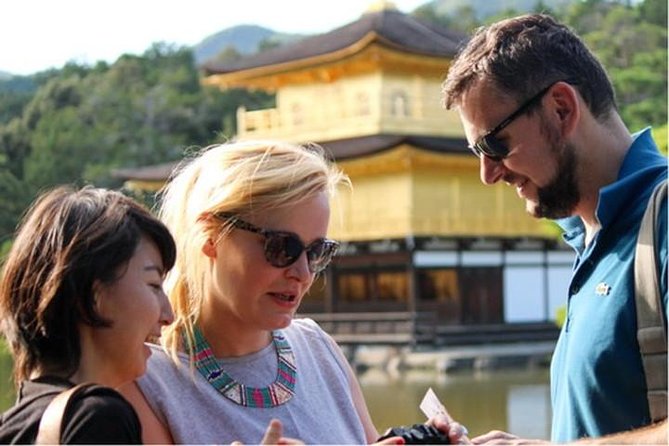
Kyoto is the kind of city where a self-guided walk can turn into a scavenger hunt. Streets look similar. Maps can be out of sync. And half the best “Kyoto feeling” comes from understanding why certain places matter. That’s where this 4-hour private tour with a nationally licensed guide earns its keep.
The price, $109.43 per person, sounds simple until you compare what you get. For that money, you’re not just buying access to a famous shrine. You’re buying a person who can shape your route, explain the rituals, and help you move between areas efficiently. If you only have one day in Kyoto—or you want to see Kyoto’s “big names” without turning your afternoon into a stress spiral—this format can feel like the most efficient way to use time.
You also get flexibility. The tour is designed around choosing 2–3 sites from a long list, rather than marching through 8–10 stops that may not match your tastes. If you’re temple-first, build a route that leans east. If you care about old neighborhoods and food streets, build around downtown. If you want scenery and calm gardens, head west to Arashiyama options.
One more practical point: you’re touring with your own group only, which is a big deal in Kyoto. It lets your guide slow down when something is worth pausing for, like a viewpoint from a shrine approach or a quiet side of a busy district.
You can also read our reviews of more tours and experiences in Kyoto.
What’s included, and what you’ll need to bring
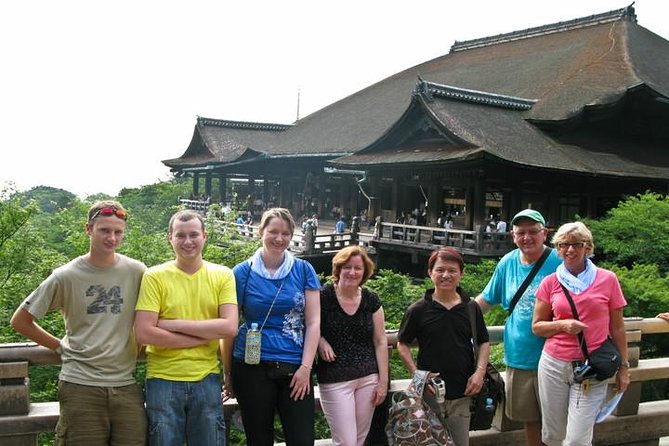
This tour includes a licensed local English-speaking guide, plus a customizable plan of 2–3 sites from the set options. Meeting happens by walking to a spot within a designated area near your hotel, with the tour starting from the front-door pickup on foot style.
What’s not included is where many people get surprised:
- Entrance fees to temples/castles/shrines (some listed stops are free to enter, but many are not)
- Transportation fees between stops
- Lunch and personal expenses
- A private vehicle (you can upgrade for one at an added cost, but it’s not part of the standard price)
So you’ll want to budget a little extra for tickets and transit. Also, keep cash handy. One guide-tip that comes up often in Kyoto planning is to have yen ready, since not every place is set up for smooth card payments.
Finally, note the tour is walking-focused. Even with taxis or trains, you’ll still be on your feet. In Kyoto, that means hills, stairs, and occasional long station-to-station routes. The tour works best when you treat it as an afternoon of purposeful walking, not a “sit and ride” city tour.
How the guide tailors your 2–3 stops
Your guide’s first job is figuring out what you want from Kyoto in 4 hours. Some guides are best at history and symbolism. Others focus more on practical navigation and how to time crowds. You’ll get a mix either way, but the key is that your stops come from your choices.
In real life, guides like Yuri, Maya, and Nabet have a pattern: they ask what you care about, then adjust the route so you spend less time stuck in the wrong station line or wandering the wrong side of a district. That matters in Kyoto because the “famous” entrances and the “best experience” entrances can be different.
If you’re traveling with kids, you can ask for pacing that includes breaks. In some cases, guides coordinate taxis if the group needs an easier move between areas, rather than forcing everyone to power through long transit legs.
Stop choices that match your Kyoto mood
Here’s the practical way to think about the stops list. Because you’re only choosing 2–3 sites, you should pick based on your mood: crowds vs calm, architecture vs nature, and neighborhood walking vs interior sites.
Fushimi Inari-taisha: the shrine that needs strategy
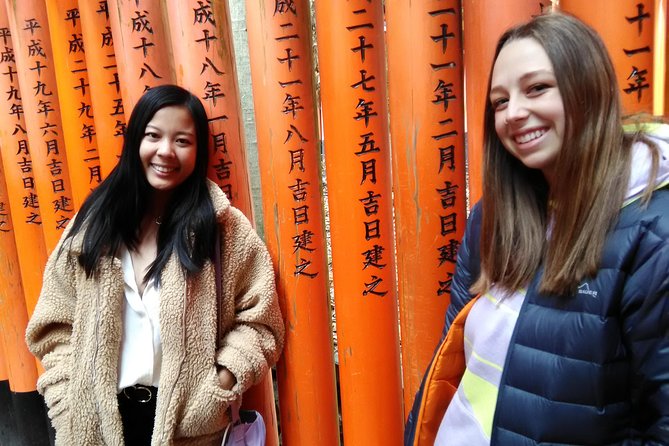
Fushimi Inari-taisha is famous for its red torii gates, but the best experience is more than the photo tunnel. You’ll learn what the gates symbolize and how the shrine’s story connects to Kyoto’s larger history. The drawback is crowds. If you go later in the day, you may get stuck in the flow. A smart strategy is aiming earlier in your tour window so you can actually enjoy the walk, not just stand in line.
Good pairing idea: combine Inari with Gion (for atmosphere) or Nishiki Market (for quick food breaks).
Gion: the slow stroll side of Kyoto
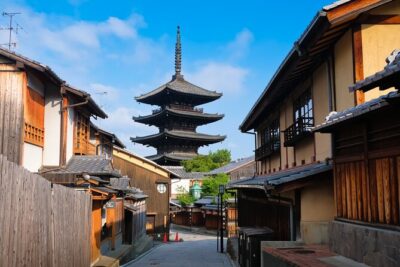
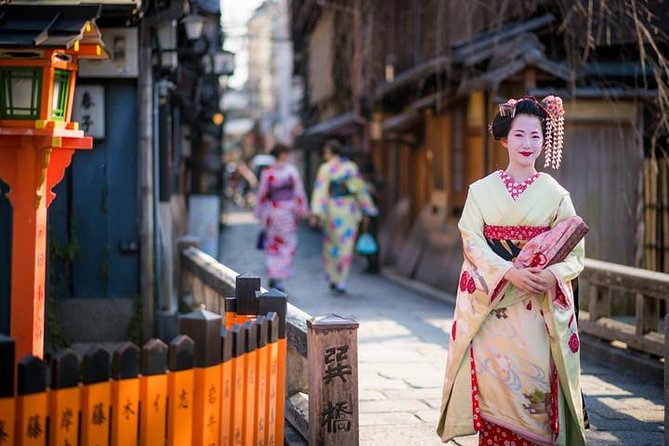
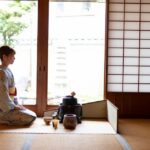
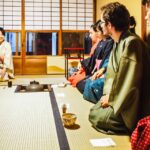
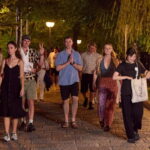
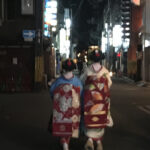
Gion is where Kyoto feels theatrical in a good way: narrow lanes, traditional storefronts, and nighttime-district energy even in daylight. The guide helps you find the side streets and gives context about geisha district rituals and history, so you’re not just passing buildings that look pretty.
Watch-out: Gion can be “easy to see” but also easy to over-schedule. If you choose Inari plus Gion plus one more heavy temple, you may spend a lot of time walking between zones. If you’re building a relaxed day, keep your third stop lighter—like a market or a riverside alley.
Nishiki Market: Kyoto’s kitchen street for a quick reset
Nishiki Market is a narrow market street packed with shops and small eateries. It’s a great place to sample snacks, pick up ingredients to take home, or simply soak up the everyday rhythm of Kyoto shoppers. The value here is that it’s a very Kyoto experience that doesn’t require a long entrance-ticket commitment.
Drawback: it’s crowded and noisy. If you hate tight spaces, tell your guide and pick a short visit window. Think of it as a break, not a full meal plan.
Kiyomizu-dera and Higashiyama: classic temple plus old-street drama
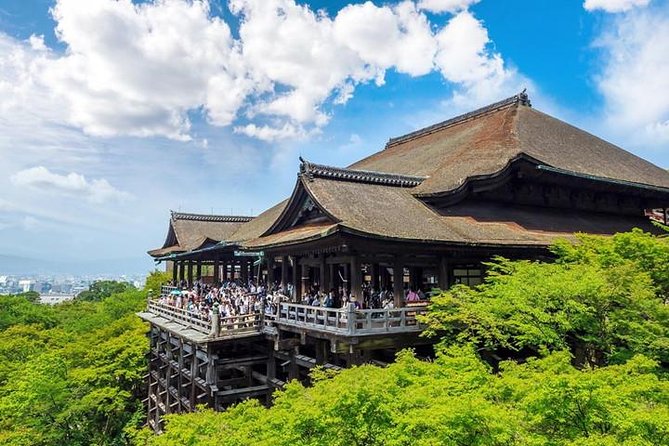
Kiyomizu-dera is one of Kyoto’s biggest “yes, you should see it” temples. With a guide, you’ll get more than a quick look at the main terrace—you’ll understand the religious meaning behind the temple complex and what you’re seeing as you move around the grounds. Many people also pair it with Higashiyama Ward, the well-preserved historic district on the eastern slopes.
Why this works in a 4-hour tour: your guide can route you through the parts that feel most Kyoto, while keeping the walking manageable. The drawback is that this area can get busy, especially around peak hours.
Good pairing idea: Kiyomizu-dera + Higashiyama + a quick market stop like Nishiki works if you keep the market portion short.
Nijo Castle: where political power becomes architecture
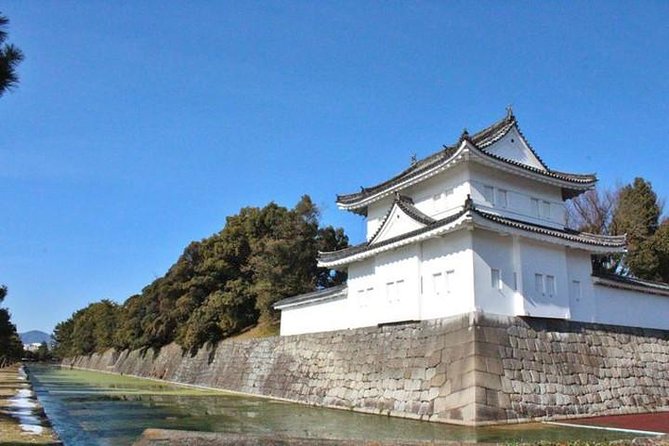
Nijo Castle (UNESCO World Heritage) was built in 1603 as the Kyoto residence of Tokugawa Ieyasu. A guide turns the castle from a set of walls into a story about Edo-era power. It’s a good stop if you want a structured, history-forward site instead of a garden-and-ritual afternoon.
Drawback: entrance fees are not included, so you’ll want to plan for ticket costs. Also, because castles sit within busy areas, you’ll likely spend some time walking between the castle approach and transit.
Kyoto Imperial Palace: big grounds, calmer pace
Kyoto Imperial Palace used to be the residence of Japan’s Imperial Family until 1868. It’s more about spacious grounds and palace context than it is about dramatic “wow” architecture in the same way as Kinkakuji. It’s a nice option if you want something cultural and open rather than packed tight with visitors.
Practical note: entrance fees are not included, so it’s best if you want this specific palace context.
Pontocho: the dining alley you’ll remember
Pontocho is a narrow alley running from Shijo-dori to Sanjo-dori, one block west of the Kamogawa River. Even if you don’t plan to eat during your tour, it’s a great neighborhood stop. With a guide, you can get the orientation fast and understand why this area has such a strong dining reputation.
Drawback: it’s small and can get crowded, especially if you’re visiting during peak meal hours.
Ginkakuji (Silver Pavilion) and Nanzenji: Zen-era Kyoto with different vibes
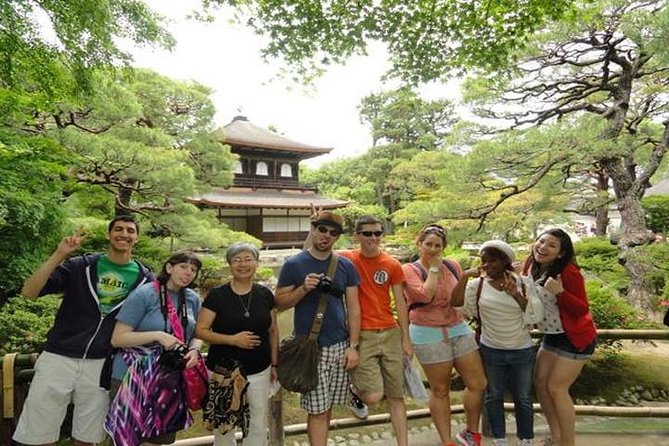
Ginkakuji sits in eastern Kyoto’s mountainside zone and was built as a retirement villa by shogun Ashikaga Yoshimasa. It’s a quieter kind of beauty than the Golden Pavilion, and the guide can explain what you’re looking at and why it’s significant.
Nanzenji Suirokaku is another strong Zen-era add-on. Nanzenji is important across Japan’s Zen landscape, and the Suirokaku area gives you a sense of scale and structure around the temple grounds.
Drawback: both areas can mean more walking on uneven ground. This is one reason the “2–3 stop” rule helps. If you try to add too many heavy sites, you’ll be tired before you see the best views.
Tofuku-ji, Toji: temples that feel less “photo-only”
Tofuku-ji is large and is particularly famous for autumn colors. In a limited-time tour, it can still be worth it if you’re looking for a temple that feels more like a working religious site than a pure tourist circuit.
Toji (East Temple) dates back to the early Heian Period after the capital moved to Kyoto in the late 700s. It’s a good choice for travelers who want older Kyoto history without choosing only the “top three” temples.
Drawback: entrance fees are not included for these stops, so you’ll need to budget.
Kinkakuji (Golden Pavilion): the icon, with a ticket cost
Kinkakuji is the famous Zen temple whose top two floors are covered in gold leaf. It’s a must for many people, and with a guide you’ll understand more about the place and its story than you’d pick up by skimming signage.
Drawback: entrance fees aren’t included, so you’ll pay the ticket on-site. It can also be crowded depending on time.
Ninna-ji and Shugakuin Imperial Villa: gardens, power, and quieter space
Ninna-ji is a World Heritage temple linked to the Omuro School of Shingon Buddhism. If you want an institutional, heritage-heavy Kyoto stop, it’s a strong pick.
Shugakuin Imperial Villa is managed by the Imperial Household Agency and includes Upper, Middle, and Lower Villa areas. It’s a more “palace garden” kind of experience than a shrine walk.
Drawback: entrance fees aren’t included, and these sites can take more time to enjoy properly, so they’re best when you keep your other stops light.
Ryoan-ji: Japan’s famous rock garden moment
Ryoan-ji is the home of Japan’s most famous rock garden. It draws hundreds of visitors every day. The guide’s job here is to help you see the garden as more than random stones. Even if the concept is abstract, understanding the design choices makes the experience click.
Drawback: crowds. The design may be peaceful, but the entry experience might not be.
Arashiyama: scenery plus tourist traffic
Arashiyama is a western Kyoto district known for being a popular destination since the Heian Period. You’ll usually see it as a mix of sightseeing lanes, temples, river views, and the bamboo area.
Icon stop options include:
- Togetsukyo Bridge, the iconic Moon Crossing Bridge
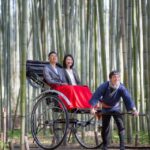
- Bamboo grove walking paths, where a light wind makes the bamboo sway
- Tenryu-ji, one of Kyoto’s five great Zen temples (registered as a world heritage site)
- Okochi Sanso Garden, the former villa of actor Okochi Denjiro, tucked behind the bamboo groves
- Daikaku-ji, a large temple built in the early 800s as an imperial detached palace
- Katsura Imperial Villa, a top pick for architecture and garden design
- Yoshimine-dera, a Tendai temple in the western mountains
Why Arashiyama can fit your 4 hours: your guide can help you hit a cluster efficiently. Why it can be tricky: Arashiyama is touristy, and walking between points can stack up fast.
If you want less chaos, tell your guide that in advance and ask for a route that minimizes backtracking.
Northern temples and village stops: calm, stairs, and forest air
Kyoto’s north options include small towns and hillside temples that feel far from the crowded “center” of the city. These can be perfect if you like quieter scenes and don’t mind a slower pace.
Stops you can choose from:
- Kibune River (Kibune), a forested valley town associated with Kifune Shrine traditions
- Kurama-dera in Kurama, a rural mountain area known for the Kurama-dera temple and a hot spring option nearby
- Jojakkoji, Nisonin, and Gioji, all hillside temples with moss, maple, and that “why did this get so quiet?” feeling
- Adashino Nenbutsu-ji, known for its end-of-the-road statue tradition along the Saga-Toriimoto preserved street
- Otagi Nenbutsu-ji, famous for 1200 rakan stone statues, each with its own appearance
- Katsura Imperial Villa and Shugakuin Imperial Villa are also listed as options, which means your guide can build a more garden-and-heritage leaning route even in limited time
Drawback: hills and uneven paths are common in these areas. This tour works best when you’re okay walking and when you’re choosing just one “mountain-feeling” zone plus a second stop.
Byodoin in Uji: a smart pick only if you plan for the extra travel
Byodoin Temple is known for the Phoenix Hall, a National Treasure and UNESCO World Heritage Site. It’s in Uji city outside central Kyoto, and the tour notes extra travel time is expected.
Translation: if you choose Byodoin, it can take a bigger share of your 4 hours just getting there. It’s best if you’re serious about the Phoenix Hall rather than trying to “fit everything in.”
Price and logistics: how $109.43 turns into real value
At $109.43 per person, this tour is priced as a true private guided experience, not a budget group walk. You’re paying for:
1) a nationally licensed guide,
2) a tailored 2–3 stop routing plan, and
3) start-from-your-hotel convenience (on foot).
The key is how it reduces your wasted time. In Kyoto, the difference between “we found it” and “we spent 45 minutes figuring out where it is” is huge. Guides who manage transit well can save you a surprising amount of time, which means you can spend more of your 4 hours in the places that matter.
The main “costs to remember” are entrance fees and transport. Since those are not included, your total day cost depends on what you pick. But that’s also why choosing 2–3 stops works. You can control costs by mixing one ticketed major site with a free-entry neighborhood like Gion or Pontocho.
Practical transit tips that really help:
- Get a Suica card ahead of time if you plan to use trains/subways.
- Have yen in cash, since not everywhere is card-friendly.
- Wear comfy shoes. You can crack 20,000 steps in Kyoto on a half day if your route adds hills.
Who should book this tour, and who should skip it
Book this tour if:
- You’re in Kyoto for a short stay and want a guided orientation fast
- You care about the meaning behind shrines and temples, not only the postcard view
- You want to choose 2–3 stops that match your interests
- You’d rather pay for help than spend your day translating signage and guessing routes
Skip or reconsider if:
- You dislike walking and hills. Since it’s a walking tour with on-foot pickup, you’ll feel it.
- You want a “drop-off and free time” style. This tour is structured around guided time and transit help.
It’s also a good idea to match your expectations to your guide. For example, if you want heavy historical explanations, make sure your guide’s English level fits what you want to learn. That can make the difference between “nice stories” and “answers that stick.”
Should you book this Kyoto 4-hour private tour?
If you have 4 hours and you want Kyoto to feel understandable, not random, I’d book it. The biggest wins are the licensed guide, the on-foot hotel start, and the fact that you only choose 2–3 stops, so your time doesn’t get diluted.
My recommendation: pick one major shrine/temple icon, one neighborhood or market for atmosphere, and then a second temple or garden only if your legs are ready. If you do that, this tour turns Kyoto into a plan you can follow, with stories you’ll remember after the crowds move on.
FAQ
How long is the Kyoto private tour?
The tour lasts about 4 hours.
Is hotel pickup included?
You get pickup on foot from near the front of your hotel, with a meeting on foot within a designated area.
How many sites can I choose?
You can build a custom itinerary that includes 2–3 sites from the listed options.
Are entrance fees included?
No. Entrance fees are not included, and transport, lunch, and personal expenses are also not included.
How do we travel between stops?
The tour can use public transportation or taxi. A private vehicle upgrade is available at an added cost, but it is not included in the base price.
Can I pay for a private vehicle instead of walking and transit?
Yes, you can upgrade to arrange a private vehicle for an additional cost.
Can I combine this with other tour groups?
No, you cannot combine multiple tour groups; only your group participates.